Navigating How an Equitable Trust Handles Life Insurance
An equitable trust manages life insurance by acting as the legal beneficiary of the policy, allowing the policyholder to decouple the death benefit from their personal estate for tax and distribution purposes. By holding the policy wit...
An equitable trust manages life insurance by acting as the legal beneficiary of the policy, allowing the policyholder to decouple the death benefit from their personal estate for tax and distribution purposes. By holding the policy within the trust, the trustee oversees the claim process, manages the disbursement of funds according to the grantor’s specific instructions, and provides a structured mechanism to protect assets from creditors or misuse.
Contents
The Role of Equitable Trusts in Estate Planning
In the context of financial planning, an equitable trust is a fiduciary arrangement where one party (the trustee) holds legal title to property, such as a life insurance policy, for the benefit of another (the beneficiaries). When a life insurance policy is owned by an equitable trust rather than an individual, the trust—not the deceased—controls the policy’s proceeds upon maturity.
This structure is frequently employed to solve three primary dilemmas: estate tax liability, the need for management of minor beneficiaries, and the protection of assets from the potential claims of the policyholder’s creditors. By placing the policy inside an irrevocable trust, the life insurance benefit may be excluded from the grantor’s taxable estate, provided certain legal conditions are met.
Prerequisites: Structuring the Ownership
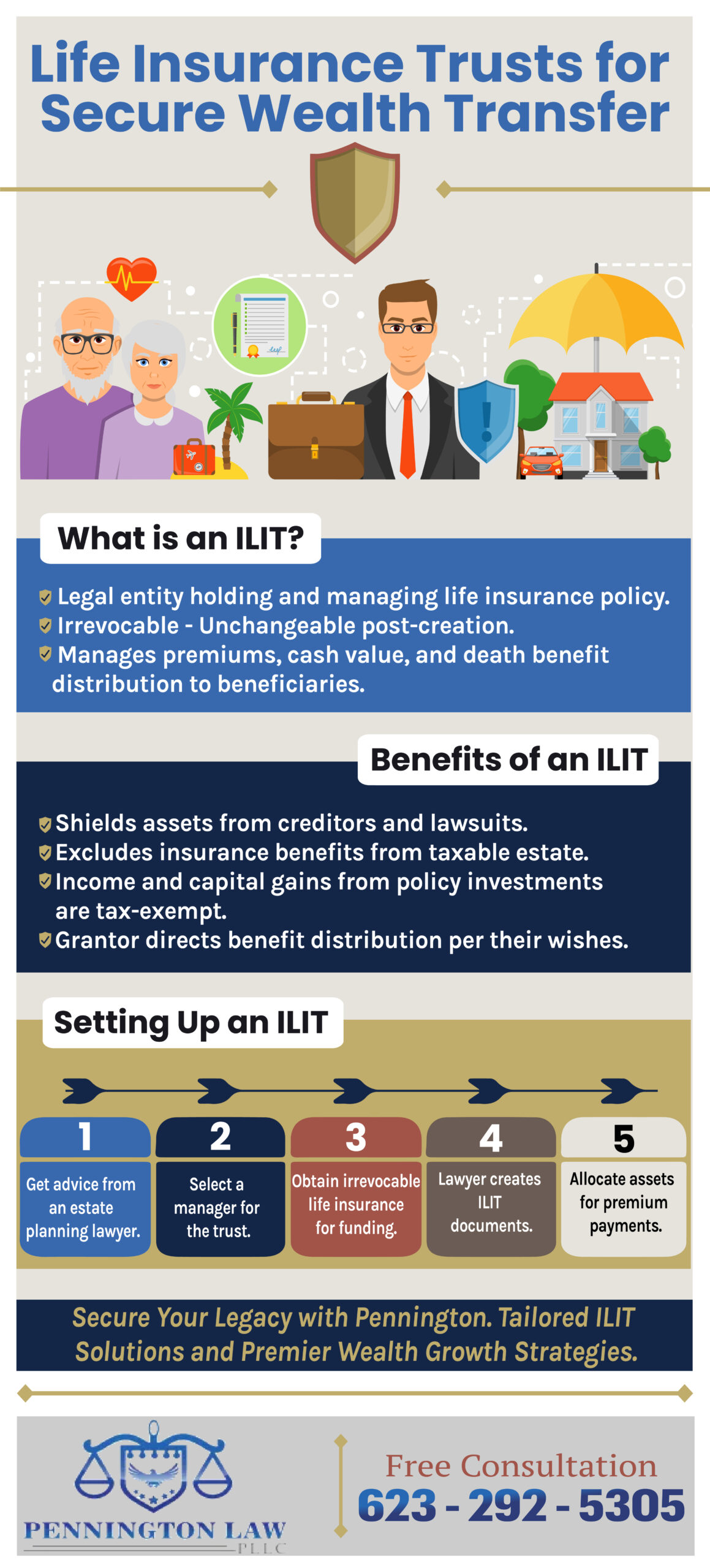
For an equitable trust to "handle" life insurance, the ownership of the policy must be correctly transferred or originated within the trust structure. This process is generally handled through two distinct methods:
- Direct Origination: The trust is established first, and the trustee applies for a new life insurance policy as the owner and applicant. Because the trust possesses the policy from inception, there is no question of transfer of ownership.
- Assignment of Existing Policy: An existing policy is transferred to the trust. If the policyholder is the insured and transfers the policy into an irrevocable trust, they must survive for three years following the transfer for the death benefit to be excluded from their taxable estate under many tax jurisdictions.
The Claim Process and Trustee Responsibilities
Once the insured passes away, the equitable trust serves as the mechanism for the orderly transition of wealth. The process follows a specific, legally defined sequence:
- Notification: The trustee serves as the policy owner and receives notice of the death. They are responsible for gathering the death certificate and the necessary claim forms from the insurance carrier.
- Verification: The insurance company verifies the trust’s status as the beneficiary. Because the policy is owned by the trust, the insurance company pays the proceeds directly to the trust’s account rather than to a personal estate or individual.
- Asset Management: Once the death benefit is received, the trustee holds the funds as the new trust asset. The trustee is legally bound by the "fiduciary duty" to manage these funds in the best interest of the beneficiaries, following the specific language written in the trust deed.
- Distribution: The trustee distributes the proceeds according to the timeline and terms established by the grantor. This could be a lump sum at a certain age, a series of annual payments, or distributions triggered by specific milestones, such as educational expenses or home purchases.
Comparing Direct Beneficiary Designation vs. Trust Ownership
Choosing between naming individuals as beneficiaries or using an equitable trust involves a trade-off between simplicity and control.
| Feature | Individual Beneficiary | Equitable Trust Ownership |
|---|---|---|
| Control | None once paid | High (via trustee instructions) |
| Creditor Protection | Minimal | High (in most jurisdictions) |
| Tax Efficiency | Estate tax often applies | Can exclude from taxable estate |
| Complexity | Low; automatic payout | High; requires legal drafting |
| Management | Immediate lump sum | Ongoing, structured oversight |
Critical Considerations for Policyholders
Before establishing an equitable trust to hold life insurance, it is essential to consider the administrative and legal burden. Unlike naming a spouse or child as a beneficiary, an equitable trust is a legal entity that may require its own tax identification number, annual tax filings, and periodic accounting to beneficiaries.
Furthermore, the "equitable" nature of the trust relies heavily on the competence and integrity of the trustee. If the trustee is negligent, they can be held personally liable for a breach of fiduciary duty. Choosing a professional trustee—such as a bank or a licensed trust company—can mitigate the risk of family conflict, though it introduces ongoing administrative fees that must be weighed against the benefits.
Limitations and Legal Jurisdictions
It is important to note that the effectiveness of using a trust to hold life insurance is heavily dependent on jurisdictional law. Regulations regarding the "incidents of ownership"—the legal criteria that determine whether a life insurance policy is part of a deceased person's estate for tax purposes—can vary significantly.
If the policyholder retains the right to change the beneficiaries, borrow against the cash value of the policy, or cancel the policy, the IRS or local tax authority may conclude that the policyholder never truly relinquished ownership. In such cases, the trust may fail to provide the intended estate tax benefits. Consulting with a qualified estate attorney who specializes in trust law is the only way to ensure the trust document satisfies current regulatory requirements.
Frequently Asked Questions
Does a trust always avoid taxes on life insurance? No. While life insurance proceeds are generally income-tax-free, they can be subject to estate taxes if the insured retains "incidents of ownership." If the trust is properly structured as an irrevocable trust, the proceeds can often be excluded from the taxable estate, but this is a complex legal area that depends on specific local tax codes.
Can I be the trustee of my own life insurance trust? In many jurisdictions, the grantor (the person who creates the trust) can be a trustee, but doing so can inadvertently trigger tax complications. If the grantor serves as the trustee and retains control over the policy, the government may view them as the owner, undermining the trust’s purpose. Independent trustees are generally recommended to preserve the integrity of the arrangement.
What happens to the cash value of a permanent life policy held in a trust? The cash value becomes an asset of the trust. The trustee manages this asset according to the trust’s provisions. If the policy earns dividends or grows in value, that growth is contained within the trust, potentially providing liquidity for the trustee to pay ongoing premiums without requiring further contributions from the grantor.
Is it difficult to move an existing policy into a trust? It is not necessarily difficult, but it requires careful legal drafting and adherence to the insurance company’s assignment procedures. You must formally assign the policy to the trust, a process that usually requires submitting signed forms to the insurance carrier and ensuring the trust agreement explicitly allows for the ownership of such assets.
How are trust fees paid? Fees for managing an equitable trust can be paid from the assets held within the trust or by the grantor during their lifetime. If the policy is a term policy with no cash value, the grantor typically contributes funds to the trust to cover the premium payments, and the trust uses those funds to pay the insurance company.
Next Steps for Implementation
If you are considering using an equitable trust to handle your life insurance policy, start by assessing your primary goal. If your objective is estate tax reduction, you must seek a licensed estate attorney to draft an irrevocable life insurance trust (ILIT) that complies with current tax laws. If your objective is simply the protection of minor children or control over how proceeds are spent, the process remains legal in nature but may be simpler in scope. Contact a qualified financial advisor to determine if the costs of maintaining a trust—including legal fees, document preparation, and potentially trustee fees—align with the value you intend to pass on to your heirs.
Image Gallery