Mastering the Kodiak Muffin Recipe on Box: A Guide to Achieving Perfect Texture and Flavor
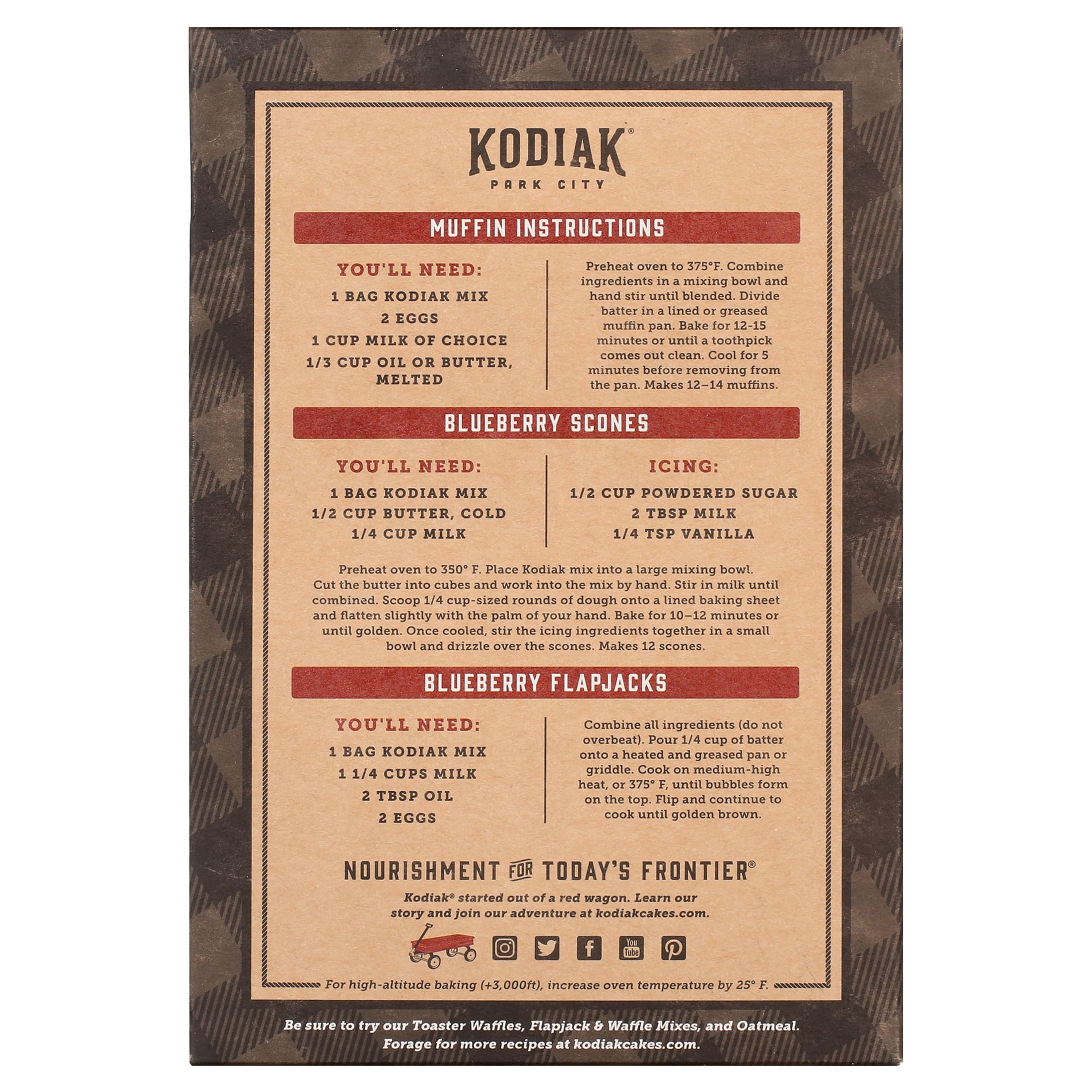
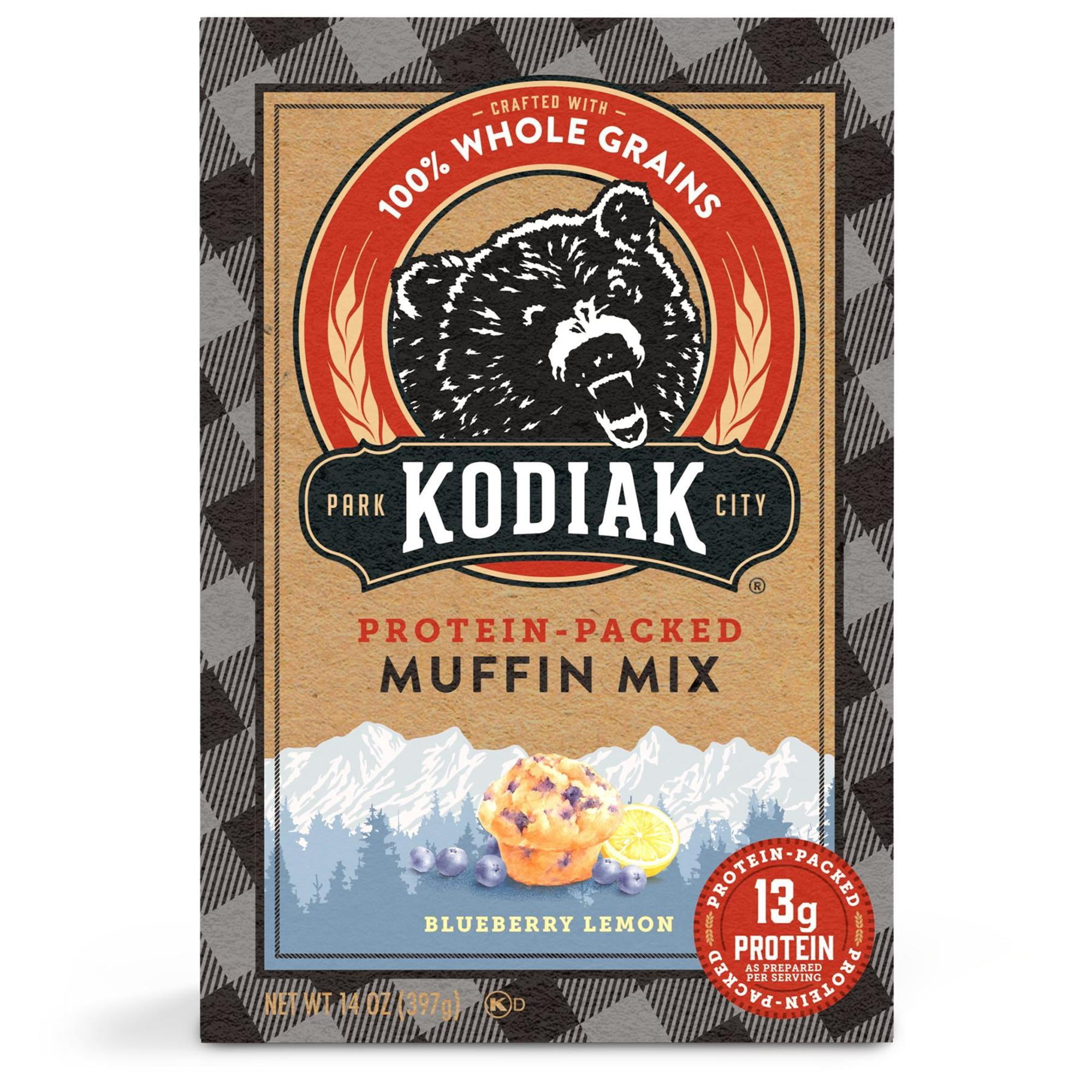
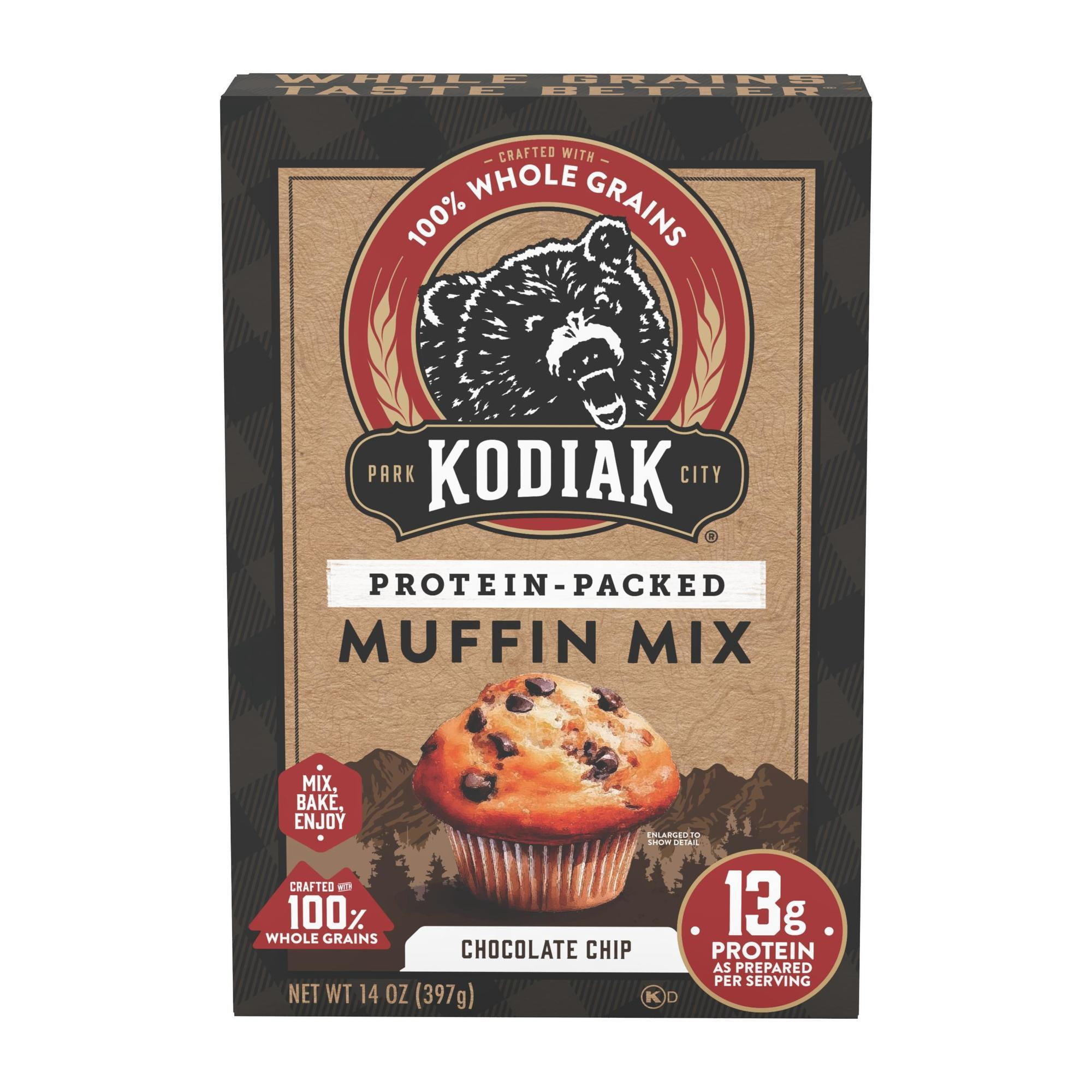
The Kodiak muffin recipe on box is a foundational preparation method designed for Kodiak Cakes Power Cakes flapjack and waffle mix, allowing users to repurpose high-protein dry mix into nutrient-dense, shelf-stable muffins. By incorpor...
The Kodiak muffin recipe on box is a foundational preparation method designed for Kodiak Cakes Power Cakes flapjack and waffle mix, allowing users to repurpose high-protein dry mix into nutrient-dense, shelf-stable muffins. By incorporating standard pantry staples like milk, eggs, and fat, this base recipe transforms the whole-grain wheat and oat foundation into a versatile snack suitable for various dietary goals.
Contents
Understanding the Kodiak Cakes Mix Ecosystem
Kodiak Cakes has transitioned from a niche frontier-style brand to a household staple in the breakfast aisle. The core product, typically labeled as "Power Cakes" or "Protein Packed," relies on a blend of 100% whole grain wheat flour, 100% whole grain oat flour, and wheat protein isolate. Unlike traditional bleached flour, these ingredients provide a denser, heartier structure.
The instructions printed on the back of the box are formulated to maintain a balance between the high protein content and the need for hydration. Because whole grains absorb moisture differently than refined flour, following the prescribed ratios is essential for preventing a dry or "bready" texture. When you use the recipe provided on the box, you are utilizing a tested ratio designed to ensure the protein structure—which can become tough if overworked—remains tender during the baking process.
Essential Components and Variations
The standard Kodiak muffin recipe on box serves as a "master template." While the specific ratios may vary slightly based on the edition of the packaging, they generally follow a standard quick-bread formula. To execute this recipe effectively, ensure you have the following prerequisites ready:
Core Requirements
- Dry Mix: 2 cups of Kodiak Cakes Power Cakes Mix (Original or Buttermilk).
- Binding Agent: 1 large egg (large eggs are the industry standard for these measurements).
- Hydration: 3/4 cup of liquid, typically milk or a plant-based alternative such as almond or soy milk.
- Fat: 1/4 cup of melted butter, vegetable oil, or refined coconut oil.
- Sweetener (Optional but Recommended): 1/4 cup of brown sugar, honey, or maple syrup to balance the naturally earthy notes of the whole grains.
Troubleshooting Texture and Moisture
If you find the muffins are too dense, the most common culprit is over-mixing. Because of the high wheat protein content, vigorous stirring will develop gluten rapidly, leading to a tough muffin. Stir until the dry ingredients are just moistened; a few lumps in the batter are not only acceptable but encouraged for a lighter final product.
Comparative Overview: Box Instructions vs. Modifications
Understanding how your ingredients interact helps you decide whether to stick strictly to the box instructions or make small, controlled adjustments.
| Ingredient Type | Role in Recipe | Effect of Omission or Swap |
|---|---|---|
| Egg | Structural binder | Omission leads to crumbly, dense muffins. |
| Milk/Liquid | Hydration for oats/wheat | Less liquid creates a dry, heavy muffin. |
| Fat | Tenderness/Softness | Less fat creates a "chewier" texture. |
| Sugar/Sweetener | Moisture retention | Removing sugar may result in a drier muffin. |
Step-by-Step Execution for Success
To achieve professional results, follow these procedural steps, which align with the standardized preparation of high-protein baked goods:
- Preparation and Preheating: Preheat your oven to 375°F (190°C). Prepare your muffin tin by lightly greasing the cups or using parchment liners. If you are using non-stick pans, a light coating of cooking spray is still advisable, as high-protein batters tend to adhere more firmly than standard cake batters.
- Dry and Wet Integration: Combine the dry mix with any desired add-ins (such as blueberries or chocolate chips) in a large bowl. In a separate container, whisk the egg, milk, and fat together. Combining wet and dry ingredients separately ensures an even distribution of the leavening agents found in the mix.
- The Gentle Fold: Pour the wet ingredients into the dry. Use a rubber spatula to fold the mixture gently. As noted previously, stop immediately once no large streaks of dry flour remain.
- Portioning: Distribute the batter evenly among the muffin tin cups. Each cup should be approximately two-thirds full to allow for a proper rise without overflowing.
- Baking: Bake for 15 to 18 minutes. Use the toothpick test: insert a wooden skewer into the center of a muffin. If it comes out clean or with just a few moist crumbs, the muffins are fully cooked. Avoid over-baking, as the proteins will continue to set as they cool.
Common Mistakes to Avoid
Even with a reliable recipe, users frequently encounter specific issues that impact the final quality of the Kodiak muffin.
- Measuring by Volume: Flour-based mixes can settle in the box, leading to inaccurate measurements if you scoop directly. It is best practice to spoon the mix into your measuring cup and level it off with a flat edge rather than packing the mix into the cup.
- The "Protein Toughness" Factor: As previously emphasized, treat the batter with care. If you add heavy ingredients like frozen fruit, toss them in a small amount of extra dry mix first to prevent them from sinking to the bottom of the muffin.
- Temperature Variance: If your milk or eggs are straight from the refrigerator, they may cause the melted butter to solidify prematurely. Using room-temperature ingredients allows for a smoother emulsion and a more consistent rise.
Maximizing Nutritional Value and Flavor
The Kodiak muffin recipe on box is essentially a blank canvas. By understanding the profile of the base mix, you can safely integrate various inclusions to increase nutritional density or flavor.
Integrating Inclusions
- Fruit: Fresh berries, diced apples, or mashed bananas work best. If using frozen fruit, do not thaw them beforehand to avoid excess water release.
- Crunch: Chopped walnuts, pecans, or sunflower seeds add texture and healthy fats, which complement the whole-grain flavor profile.
- Flavor Boosters: A teaspoon of vanilla extract or a pinch of cinnamon is often missing from the basic instructions but can significantly elevate the profile of the original mix.
Storage and Shelf Life
Because these muffins lack the preservatives found in commercial packaged goods, they are best consumed within three days when stored at room temperature in an airtight container. For longer storage, they freeze exceptionally well. Wrap them individually in plastic wrap and store them in a heavy-duty freezer bag for up to three months. To reheat, a 20-second interval in the microwave usually returns them to a near-fresh state.
Frequently Asked Questions
Can I make these muffins vegan? Yes. You can replace the egg with a "flax egg" (1 tablespoon ground flaxseed meal mixed with 3 tablespoons water) and use a non-dairy milk alternative like soy or oat milk. Note that the texture will be slightly denser than the original.
Why did my muffins turn out dry? Dryness usually stems from over-baking or measuring the mix by packing it into the cup. Ensure you check for doneness at the 15-minute mark and use the spoon-and-level method for measuring your dry ingredients.
Can I use water instead of milk? While you can technically use water, milk provides fat and protein that contribute to a softer, more flavorful crumb. Water will result in a muffin that lacks richness and may have a slightly tougher texture.
Should I change the baking temperature for high altitude? If you are at an altitude above 5,000 feet, you may need to increase the oven temperature slightly or adjust the amount of leavening. However, for most home bakers, the standard 375°F remains effective.
Is it safe to store these muffins in the refrigerator? While you can refrigerate them, the starch retrogradation process (the process by which starches harden) occurs more quickly at refrigerator temperatures, which can make the muffins feel stale or dry faster. Room temperature or freezer storage is generally preferred.
Next Actions
To achieve the best results with your next batch, start by ensuring your oven has reached the full preheat temperature before sliding the tray in. If you are looking to experiment, try adding half a cup of unsweetened applesauce to replace some of the fat for a lighter, lower-calorie muffin. For those focused on meal prep, bake a double batch on Sunday and freeze individual servings to ensure a consistent, high-protein breakfast throughout the work week.
Image Gallery