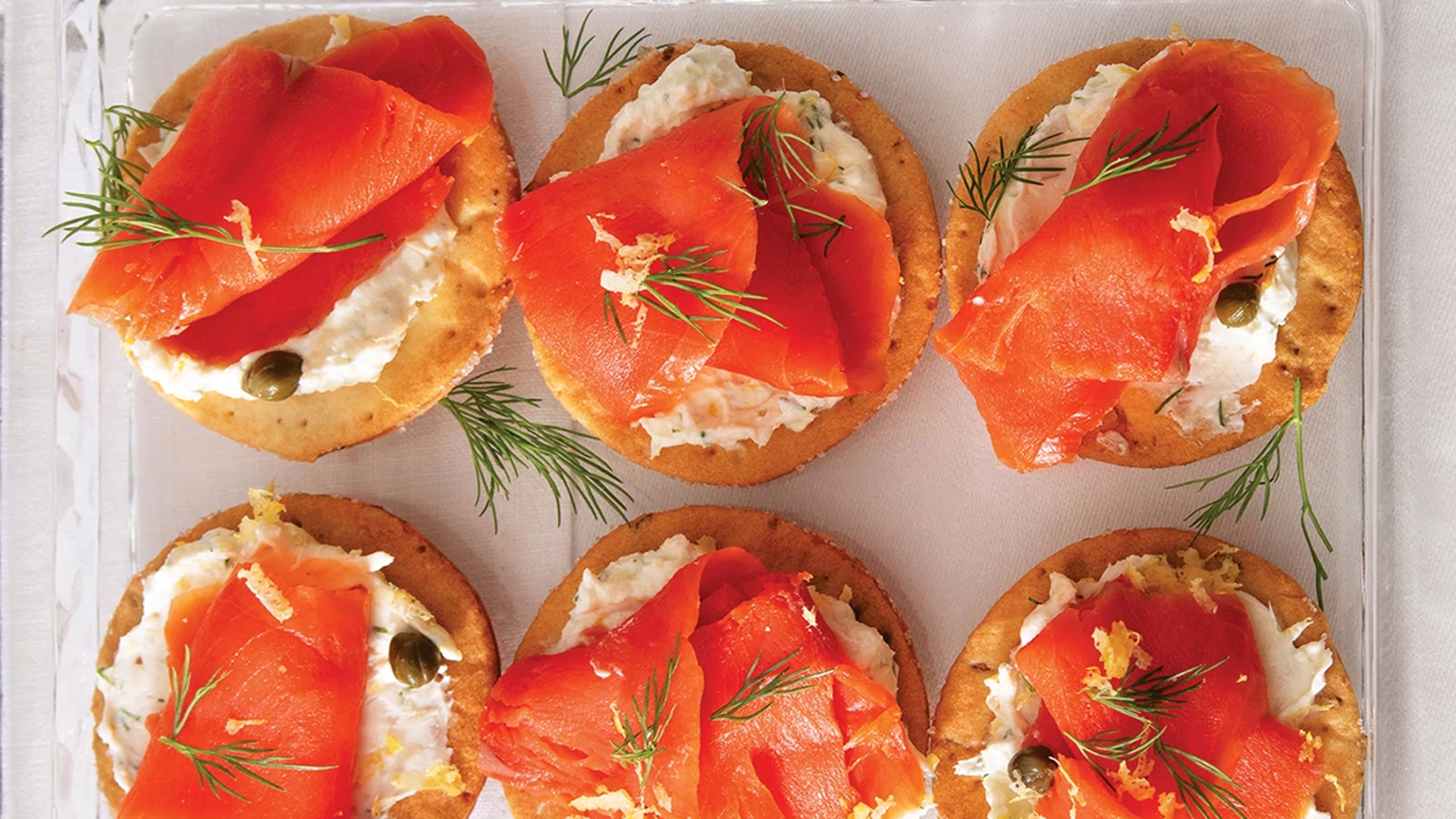
A Culinary Guide to the Different Types of Lox
Lox, in its most traditional and technical sense, refers to salmon that has been salt-cured but not smoked. While the term is often colloquially used to describe almost any thinly sliced, cold-cured salmon found on a bagel, there are d...
Lox, in its most traditional and technical sense, refers to salmon that has been salt-cured but not smoked. While the term is often colloquially used to describe almost any thinly sliced, cold-cured salmon found on a bagel, there are distinct culinary differences between true lox, cold-smoked salmon, and gravlax. Understanding these variations is essential for sourcing the correct product for your needs, whether you are planning a brunch menu, selecting deli items, or seeking a specific flavor profile.
Contents
Defining the Categories: Lox vs. Smoked Salmon
The confusion surrounding "types of lox" stems from the evolution of food terminology in North American delicatessens. Strictly speaking, traditional lox is belly meat from a salmon that has been cured in a salt-heavy brine for weeks. It is never exposed to heat or smoke.
However, in common parlance—and often on supermarket labels—the word "lox" is used as an umbrella term for a variety of cured, non-cooked salmon products. To distinguish these, it is best to categorize them by their curing method and texture. The primary types include belly lox, Nova lox, and gravlax.
Traditional Belly Lox (Salt-Cured)
Traditional belly lox is the closest representation of the original product favored in Eastern European Jewish culinary traditions. It is prepared using the fatty belly portion of the salmon.
- Process: The fish is submerged in a heavy brine of salt and water for several weeks. This process draws out moisture and firm ups the flesh, resulting in a highly saline, silky texture.
- Flavor Profile: The flavor is intensely salty with a rich, buttery mouthfeel derived from the high fat content of the belly.
- Serving Note: Due to the high salt content, it is rarely consumed in large quantities on its own. It is traditionally sliced thin and served on a bagel with cream cheese, tomato, and red onion, where the bagel’s plain dough and the cream cheese’s fat balance the saltiness of the fish.
Nova Lox (Cold-Smoked)
"Nova" refers to Nova Scotia, though modern Nova lox rarely comes from the Canadian province. The term is a designation for salmon that has been both lightly cured and then cold-smoked.
- Process: The salmon is first cured—typically using a milder brine than traditional lox—and then subjected to cold smoking, usually at temperatures between 70°F and 80°F (21°C to 27°C). Because the temperature is kept low, the protein does not denature, and the texture remains raw-like and tender.
- Flavor Profile: This variety is significantly less salty than traditional belly lox and carries a delicate, smoky aroma.
- Market Status: This is the most common form of "lox" sold in modern retail environments. It provides a more approachable flavor profile for those who find the intense salt of traditional belly lox overwhelming.
Gravlax (Sugar and Spice Cured)
Gravlax is a Scandinavian specialty that technically falls into the category of cured salmon, though it is rarely marketed under the "lox" label.
- Process: Instead of being submerged in a brine, the salmon is covered in a "dry cure" of salt, sugar, and fresh dill. It is often weighted down to press the mixture into the flesh as it cures for several days.
- Flavor Profile: The addition of sugar provides a sweetness that counters the salt, while the dill infuses the fish with an herbal, aromatic quality. It is distinctively floral and sweet compared to the savory, smoky profiles of other types.
- Serving Note: Gravlax is traditionally served as an appetizer with a mustard-dill sauce (hovmästarsås) and rye bread rather than on a bagel.
Comparison of Salmon Curing Methods
| Type | Curing Method | Smoking | Primary Flavor Notes |
|---|---|---|---|
| Belly Lox | Heavy Salt Brine | No | Intensely salty, fatty, buttery |
| Nova Lox | Mild Brine | Yes (Cold) | Balanced, smoky, delicate |
| Gravlax | Salt, Sugar, Dill | No | Sweet, herbal, aromatic |
| Hot-Smoked | Brine | Yes (Heat) | Flaky, dense, intense smoke |
Considerations for Selection and Storage
When selecting salmon for your needs, consider the intended pairing. If the dish features other bold ingredients, such as capers, sharp onions, or acidic tomatoes, traditional belly lox holds up well. If you prefer a more subtle profile that highlights the quality of the fish, Nova lox is the superior choice.
Storage Guidelines:
- Temperature: All forms of cured salmon are highly perishable. They must be kept refrigerated at 40°F (4°C) or below at all times.
- Packaging: Once the vacuum-sealed package is opened, consume the product within two to three days. Exposure to oxygen quickly degrades the texture and flavor of the delicate fats.
- Freezing: While it is possible to freeze cured salmon, it is generally discouraged. The freezing and thawing process can compromise the structural integrity of the fish, causing it to become mushy.
Common Misconceptions and Troubleshooting
A common error consumers make is assuming that "smoked" salmon is inherently the same as "cooked" salmon. It is vital to note that cold-smoked salmon is raw; the smoking process does not reach the internal temperature required to kill potential pathogens, such as Listeria monocytogenes. Individuals who are pregnant, elderly, or have compromised immune systems should consult their healthcare provider before consuming raw-cured fish products.
If your salmon smells overly "fishy" or has an iridescent, rainbow-colored sheen that does not disappear when pressed, it may be past its peak freshness. High-quality lox should have a clean, oceanic scent and a firm, non-slimy texture.
Frequently Asked Questions
Is "lox" the same thing as "smoked salmon"? Not technically. "Lox" is a specific term for brined, non-smoked salmon, while "smoked salmon" is a broad category that includes both cold-smoked and hot-smoked varieties. In modern deli practice, however, they are often used interchangeably to describe cold-smoked products.
Why is some salmon labeled "belly" and other salmon labeled "lox"? "Belly" refers to the cut of the fish. Because the belly of the salmon is the fattiest and most tender portion, it is the most desirable cut for curing. High-end providers will label their products as "belly lox" to indicate that they are using the premium, fatty section of the fish rather than the leaner loin.
Does color indicate the type of lox? Not necessarily. The color of the salmon—ranging from pale pink to deep orange—is largely determined by the salmon’s diet and species (e.g., Sockeye vs. Atlantic). While belly lox may appear slightly translucent, color is not a reliable indicator of the curing method used.
Can I make lox at home? Yes, gravlax is the most accessible type to produce at home, as it requires only a dry rub of salt, sugar, and herbs. Brining traditional belly lox requires precise measurements and refrigeration control, which can be challenging for beginners to replicate safely.
Next Steps for the Culinary Enthusiast
To truly appreciate the nuances of these salmon types, purchase small, high-quality portions from a reputable fishmonger. Set up a side-by-side tasting on plain crackers or small pieces of cucumber to isolate the flavor profiles without the interference of heavy toppings. Focus on the texture: does it melt on the tongue like the belly lox, or does it have a firmer, silkier resistance like the Nova lox? By tasting these varieties in isolation, you will develop the palate necessary to select the perfect product for any culinary application.
Image Gallery