Is the Stock Exchange Open? 2026 Trading Hours and Holiday Calendar
The stock exchange is open today if it is a weekday and not a designated federal holiday. Standard trading hours for the New York Stock Exchange (NYSE) and Nasdaq are Monday through Friday, from 9:30 AM to 4:00 PM Eastern Time (ET). Ma...
The stock exchange is open today if it is a weekday and not a designated federal holiday. Standard trading hours for the New York Stock Exchange (NYSE) and Nasdaq are Monday through Friday, from 9:30 AM to 4:00 PM Eastern Time (ET). Markets are closed on Saturdays and Sundays.
Contents
Standard Trading Hours for Major US Exchanges
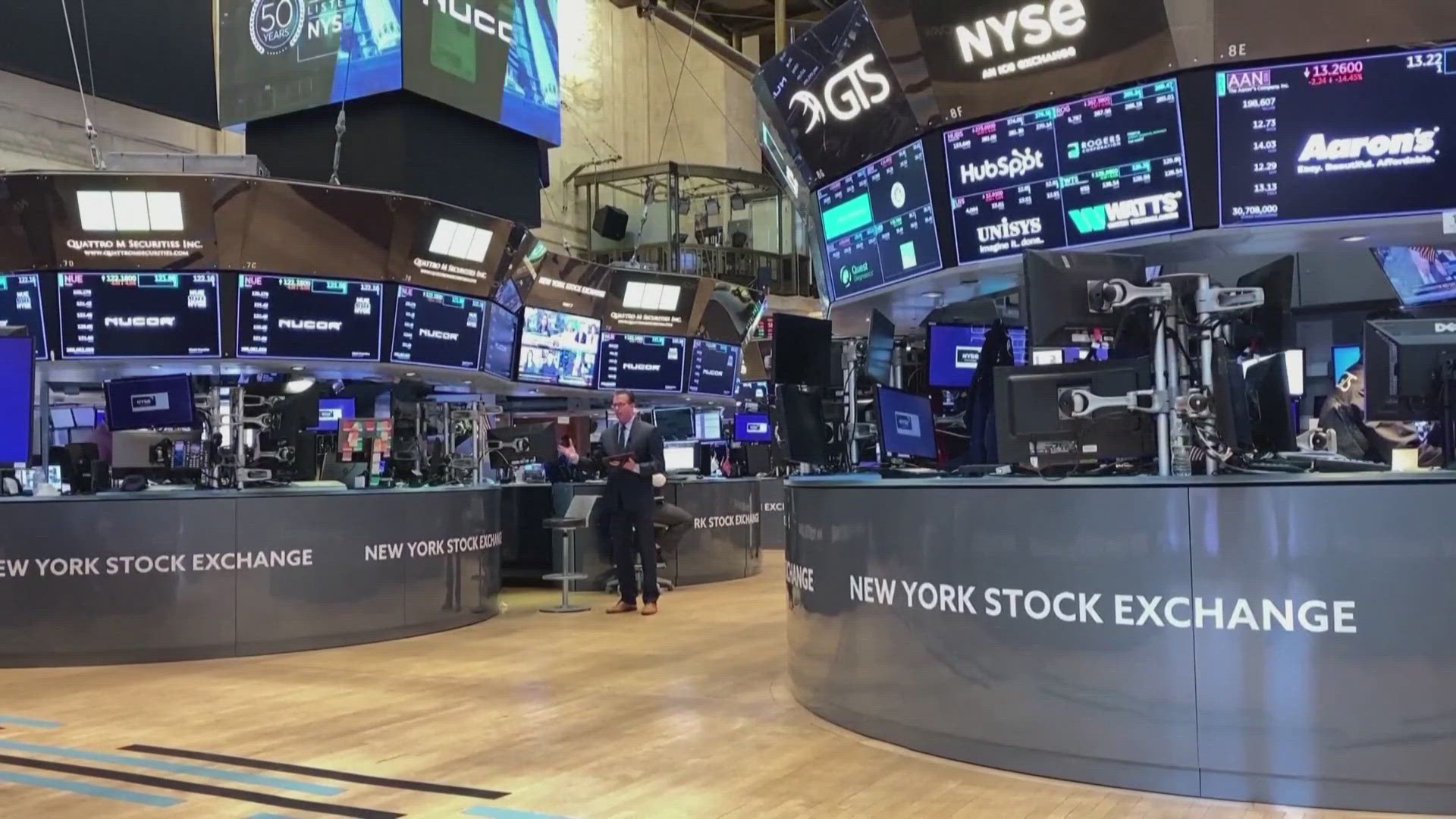
The core operational window for the United States equity markets—specifically the New York Stock Exchange (NYSE) and the Nasdaq Stock Market—is 9:30 AM to 4:00 PM Eastern Time. This six-and-a-half-hour window is often referred to as "regular trading hours." During this time, liquidity is at its peak because institutional investors, high-frequency trading algorithms, and retail participants are all active simultaneously.
The 9:30 AM opening is marked by an "opening auction" or "opening cross." This is a highly technical process where the exchange's computer systems match buy and sell orders that accumulated overnight to establish a single opening price for each security. This process ensures a fair and orderly start to the day, preventing extreme price gaps that might occur if the first trade of the day were handled in isolation.
Similarly, the 4:00 PM "Closing Bell" signifies the end of regular trading, but the actual price discovery continues for a few moments through the Closing Auction. The closing price is critical because it is used to calculate the Net Asset Value (NAV) of mutual funds and is the benchmark for most portfolio valuations. While the physical or electronic bell rings at 4:00 PM, the final trade reports often continue to stream through the consolidated tape for several minutes as the auction clears.
2026 Stock Market Holiday Schedule
In 2026, the US stock markets observe ten major holidays. On these days, both the NYSE and Nasdaq are closed for the entire session. If a holiday falls on a Saturday, the market typically closes on the preceding Friday. If a holiday falls on a Sunday, the market closes on the following Monday.
The following table outlines the confirmed full-day closures for the 2026 calendar year:
| Holiday | Date Observed in 2026 | Day of the Week |
|---|---|---|
| New Year's Day | January 1, 2026 | Thursday |
| Martin Luther King, Jr. Day | January 19, 2026 | Monday |
| Washington's Birthday (Presidents' Day) | February 16, 2026 | Monday |
| Good Friday | April 3, 2026 | Friday |
| Memorial Day | May 25, 2026 | Monday |
| Juneteenth National Independence Day | June 19, 2026 | Friday |
| Independence Day (Observed) | July 3, 2026 | Friday |
| Labor Day | September 7, 2026 | Monday |
| Thanksgiving Day | November 26, 2026 | Thursday |
| Christmas Day | December 25, 2026 | Friday |
Early Market Closures in 2026
In addition to full-day closures, the exchanges occasionally operate on a modified schedule. These "early close" days usually end regular trading at 1:00 PM ET. In 2026, there are two scheduled early closures:
- Friday, November 27, 2026 (The day after Thanksgiving): Markets close at 1:00 PM ET.
- Thursday, December 24, 2026 (Christmas Eve): Markets close at 1:00 PM ET.
It is important to note that when the market closes early, extended-hours trading sessions are also typically shortened. Investors should check with their specific brokerage to see how these shortened sessions affect order expiration and execution.
Understanding Extended-Hours Trading
While 9:30 AM to 4:00 PM is the standard, modern electronic communication networks (ECNs) allow for trading outside these hours. This is known as extended-hours trading, divided into pre-market and after-hours sessions.
Pre-Market Trading Session
Pre-market trading typically occurs between 4:00 AM and 9:30 AM ET. Most retail brokerages, however, do not grant access to the full session, often limiting their clients to starting at 7:00 AM or 8:00 AM ET. Pre-market trading is frequently used by investors to react to overnight news, such as international market movements, economic data releases (like the Jobs Report or CPI), or early morning corporate earnings announcements.
After-Hours Trading Session
After-hours trading occurs from 4:00 PM to 8:00 PM ET. This session is particularly volatile during "Earnings Season," as most publicly traded companies report their quarterly financial results immediately after the closing bell. The ability to trade after 4:00 PM allows investors to react to these reports without waiting for the next day's open.
Risks of Extended-Hours Trading
Trading outside of regular hours involves significant risks that do not exist to the same degree during the day. The primary concern is lower liquidity. Because there are fewer participants, the "bid-ask spread"—the difference between what a buyer is willing to pay and what a seller is willing to accept—can widen significantly. This often leads to "slippage," where an order is executed at a much worse price than expected. Additionally, price volatility is much higher, and most brokers require the use of limit orders rather than market orders to protect investors from these extreme price swings.
Market Halts and Circuit Breakers
Even when the exchange is technically "open," trading can be paused due to extreme volatility. These pauses are governed by Market-Wide Circuit Breakers (MWCB) and individual stock "Limit Up-Limit Down" (LULD) rules.
The MWCB system is based on the S&P 500 Index and applies to all NMS (National Market System) stocks. There are three levels of halts:
- Level 1: If the S&P 500 drops 7% from the previous day's close, trading is suspended for 15 minutes.
- Level 2: If the index drops 13%, trading is suspended for another 15 minutes.
- Level 3: If the index drops 20%, trading is halted for the remainder of the day.
These rules are designed to prevent panic selling and allow market participants to digest information during periods of extraordinary stress. If you see that your brokerage platform is not updating prices or refusing to execute trades during a weekday, it is possible a circuit breaker has been triggered.
Global Exchange Hours Comparison
Investors trading international equities or tracking global sentiment must account for different time zones and cultural holiday schedules. While the US markets do not close for lunch, many Asian exchanges have a mandatory mid-day break.
| Exchange | City | Local Trading Hours | ET Equivalent Hours |
|---|---|---|---|
| NYSE / Nasdaq | New York | 9:30 AM – 4:00 PM | 9:30 AM – 4:00 PM |
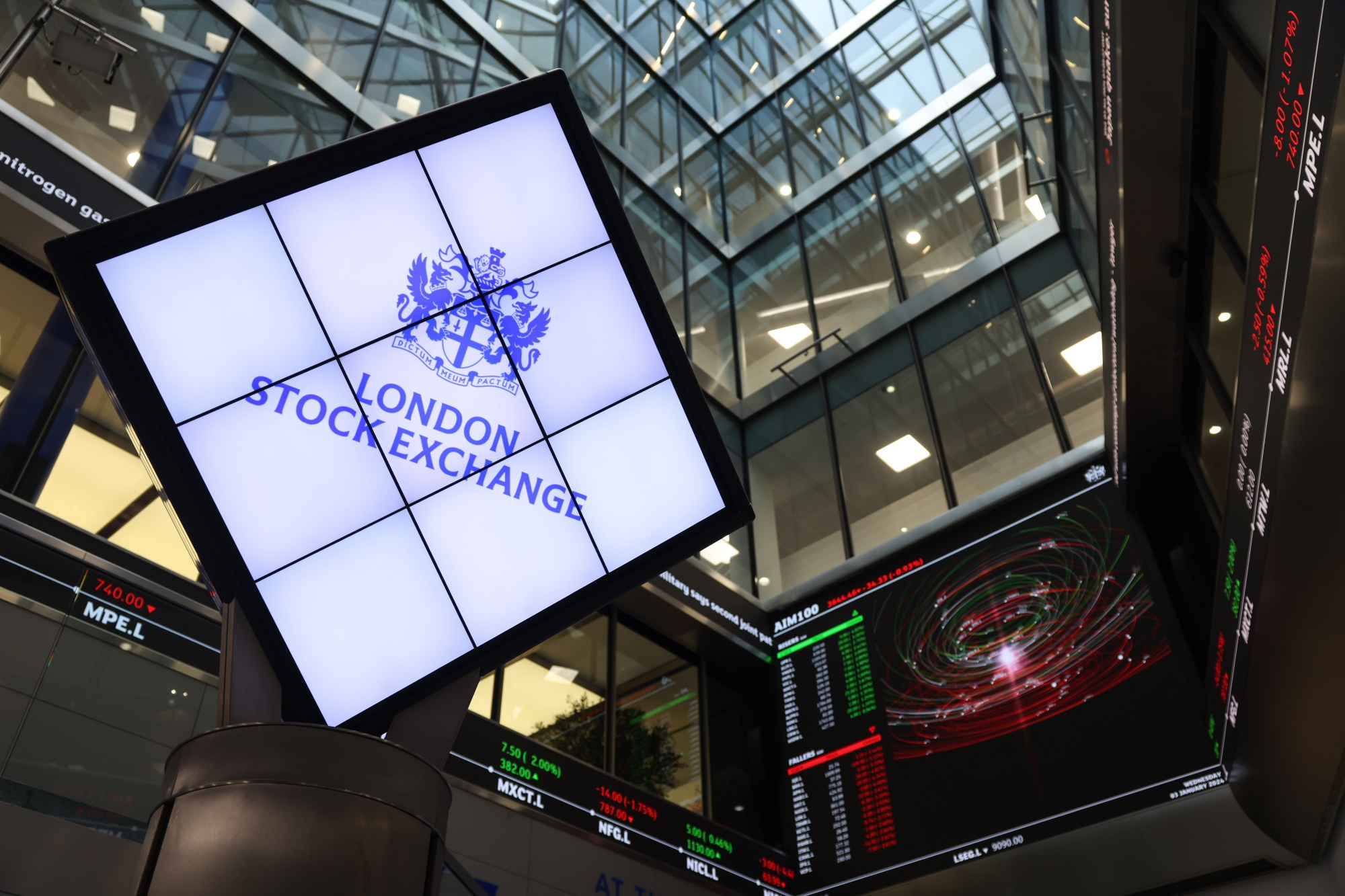
| London Stock Exchange (LSE) | London | 8:00 AM – 4:30 PM | 3:00 AM – 11:30 AM |
| Tokyo Stock Exchange (TSE) | Tokyo | 9:00 AM – 3:30 PM* | 8:00 PM – 2:30 AM |
| Euronext Paris | Paris | 9:00 AM – 5:30 PM | 3:00 AM – 11:30 AM |
| Hong Kong Stock Exchange | Hong Kong | 9:30 AM – 4:00 PM* | 9:30 PM – 4:00 AM |
| Frankfurt Stock Exchange | Frankfurt | 9:00 AM – 5:30 PM | 3:00 AM – 11:30 AM |
| *Note: Tokyo and Hong Kong include a mid-day lunch break (typically 1 hour to 1.5 hours). |
The overlap between the London and New York sessions (typically between 9:30 AM and 11:30 AM ET) is often the most liquid period for global forex and equity markets, as the two largest financial centers are operating simultaneously.
Differences Between Stock and Bond Markets
A common point of confusion for investors is the discrepancy between the stock market and the bond market schedules. The bond market in the US typically follows the holiday recommendations of the Securities Industry and Financial Markets Association (SIFMA).
In 2026, the bond market will be closed on several days when the stock market remains open. These include:
- Indigenous Peoples' Day / Columbus Day: Monday, October 12, 2026.
- Veterans Day: Wednesday, November 11, 2026.
On these days, you can still buy and sell stocks on the NYSE and Nasdaq, but the fixed-income markets (Treasuries, corporate bonds, etc.) will be inactive. This can lead to lower-than-usual volume in the stock market, as many institutional "macro" traders who move between stocks and bonds are on the sidelines.
Troubleshooting: Why Is the Exchange Not Responding?
If it is a Tuesday at 10:30 AM ET and you cannot place a trade, the issue likely lies somewhere other than the exchange's "open" status. Common causes for a lack of access include:
- Brokerage Outages: Even if the NYSE is operational, your specific brokerage (e.g., Fidelity, Schwab, Robinhood) may be experiencing technical difficulties or server maintenance.
- Specific Ticker Halts: Sometimes a specific company’s stock is halted for "news pending." This happens when a company is about to release major information (like a merger or regulatory ruling) and the exchange wants to ensure all investors have time to read the news before trading resumes.
- Connectivity Issues: Local internet problems or outdated mobile applications can prevent trade execution. Always ensure your trading software is updated to the latest 2026 versions for compatibility with exchange protocols.
- T+1 Settlement Constraints: Since the transition to T+1 settlement (trade date plus one business day) became standard, the speed of capital movement has increased. If you recently sold a stock, your "settled funds" for the next purchase may appear differently depending on your account type (Cash vs. Margin).
Frequently Asked Questions
Can I trade stocks on the weekend?
No, the major US stock exchanges are closed on Saturdays and Sundays. While some platforms offer "24/5" or even "24/7" trading on specific securities or cryptocurrencies, these are typically executed via private "dark pools" or internal matching engines, not the actual NYSE or Nasdaq floors. These weekend sessions often have extremely low liquidity and high risk.
Does the stock market close for lunch?
The US stock market (NYSE and Nasdaq) does not close for lunch. It remains open continuously from 9:30 AM to 4:00 PM ET. This differs from many international markets, such as the Tokyo Stock Exchange or the Hong Kong Stock Exchange, which have dedicated mid-day breaks.
What happens if a holiday falls on a Sunday?
According to exchange rules, if a holiday falls on a Sunday, the market will be closed the following Monday. For example, if Christmas Day were on a Sunday, the market would observe the holiday on Monday, December 26. In 2026, Independence Day (July 4) falls on a Saturday, so the market observes it on Friday, July 3.
Are pre-market prices the same as the previous day's close?
Not necessarily. Pre-market prices can vary significantly from the previous day's 4:00 PM close based on news, international market sentiment, or earnings reports released overnight. The "Open" price at 9:30 AM is determined by the opening auction, which takes all these factors into account.
Why is the bond market closed when the stock market is open?
The bond market often follows the federal government's holiday schedule more closely than the stock market does. Holidays like Veterans Day and Columbus Day are federal holidays where banks and government offices are closed, making the settlement of bond trades difficult, even though the equity markets choose to remain open for business.
Practical Recommendation
To ensure you never miss a trading opportunity, sync your digital calendar with the NYSE and Nasdaq 2026 holiday schedules. If you intend to trade during extended hours, use limit orders exclusively to protect yourself from the low liquidity and high volatility common before 9:30 AM and after 4:00 PM ET. Always verify your brokerage's specific policy on "T+1" settlement to ensure your funds are available when you need them.
For official status updates, you can refer to the NYSE Trading Hours or the Nasdaq Holiday Schedule. If the markets are experiencing extreme volatility, check the SEC's guide on Circuit Breakers to understand if a temporary halt is in effect.
Image Gallery