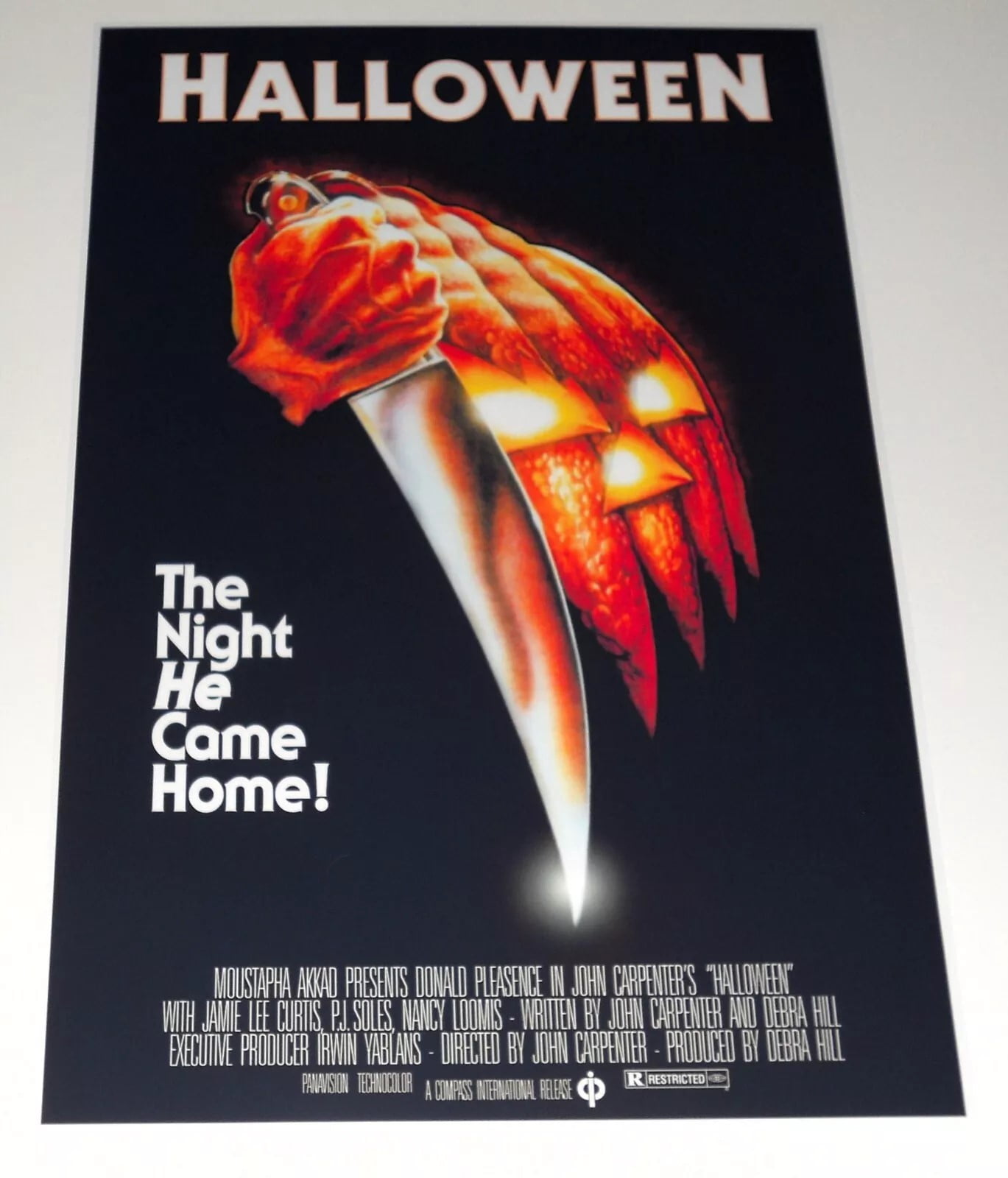
The Halloween Theatrical Release History and Timelines Explained
The Halloween theatrical release history encompasses 13 films released between 1978 and 2022, characterized by a complex series of divergent timelines and shifting distribution models. While the early films relied on traditional region...
The Halloween theatrical release history encompasses 13 films released between 1978 and 2022, characterized by a complex series of divergent timelines and shifting distribution models. While the early films relied on traditional regional rollouts and major studio distribution, the most recent trilogy utilized a controversial hybrid theatrical and day-and-date streaming strategy via Peacock.
Contents
The Halloween franchise, centered on the enigmatic slasher Michael Myers, is one of the most commercially successful and durable properties in horror cinema. Since John Carpenter’s original low-budget masterpiece debuted in 1978, the series has navigated bankruptcies, studio acquisitions, and radical shifts in audience consumption habits. As of 2026, the franchise remains in a period of transition following the conclusion of the Blumhouse trilogy, with the rights currently poised for expansion into television and future cinematic reboots.
The 1978 Independent Breakthrough and Grassroots Success
When the original Halloween was released in 1978, it did not have the backing of a major Hollywood studio. Produced by Moustapha Akkad and directed by John Carpenter for a mere $325,000, the film was distributed by Compass International Pictures. Its theatrical release strategy was a "slow-burn" regional rollout, common for independent films of that era.
Instead of a massive nationwide opening, the film premiered in Kansas City in October 1978 before expanding to Chicago and eventually New York City. This strategy relied heavily on positive word-of-mouth and critical acclaim, notably from Roger Ebert, who championed the film’s technical mastery. By the time it finished its initial run, Halloween had grossed over $47 million domestically—roughly $200 million when adjusted for 2026 inflation—making it one of the most profitable independent films ever made.
The Universal and Dimension Years (1981–2009)
The success of the first film led to a more traditional theatrical approach for its sequels. Universal Pictures stepped in to distribute Halloween II (1981) and Halloween III: Season of the Witch (1982). These films were treated as major studio releases with wider opening weekend footprints.
The Wilderness Era and Miramax Acquisition
Following the poor reception of Season of the Witch—which famously omitted Michael Myers—the franchise entered a period of instability. Halloween 4: The Return of Michael Myers (1988) and Halloween 5: The Revenge of Michael Myers (1989) were released by Galaxy Release and 24th Century Join Venture, respectively. These releases saw diminishing theatrical returns as the slasher subgenre became oversaturated.
In the 1990s, Miramax's Dimension Films acquired the rights, leading to a revitalization of the theatrical brand. Halloween H20: 20 Years Later (1998) was a significant theatrical event, capitalizing on the "Scream" meta-horror trend and bringing back Jamie Lee Curtis. It proved that Michael Myers could still command a summer blockbuster audience, grossing $55 million on a $17 million budget.
The Rob Zombie Reboots
In 2007, Dimension Films partnered with MGM to release Rob Zombie’s Halloween. This was a stylistic departure, focusing on a gritty origin story. Despite polarized reviews, the 2007 theatrical release was a massive financial success, breaking Labor Day weekend records at the time. However, the sequel in 2009 saw a steep decline in box office performance, leading the franchise to go dormant for nearly a decade.
The Blumhouse Trilogy: A New Era of Distribution (2018–2022)
In 2018, the franchise underwent its most significant transformation. Blumhouse Productions, in partnership with Universal Pictures and Miramax, released Halloween (2018), a direct sequel to the 1978 original that ignored all other installments.
The Shift to Hybrid Releases
While the 2018 film enjoyed a massive, traditional theatrical window—earning over $255 million worldwide—the subsequent sequels were impacted by the COVID-19 pandemic and the rise of streaming services. Universal Pictures opted for a "day-and-date" release strategy for both Halloween Kills (2021) and Halloween Ends (2022). This meant the films premiered in theaters and on the Peacock streaming service on the same day.
This decision was controversial among theater owners, as it arguably cannibalized ticket sales. However, Universal reported that Halloween Kills was the #1 non-live event premiere in Peacock's history at the time. This era explained a fundamental shift in how horror franchises are monetized: balancing the prestige and "event" status of a theatrical release with the subscriber-acquisition goals of a corporate streaming platform.
Decoding the Halloween Franchise Timelines
One of the most confusing aspects of the Halloween theatrical releases is that they do not follow a single chronological line. To understand the release history, one must understand which "universe" each film belongs to.
| Timeline Name | Films Included | Narrative Context |
|---|---|---|
| The Original Sequence | Halloween (1978), II, 4, 5, 6 | Focuses on the "Curse of Thorn" and the Myers family bloodline. |
| The Anthology Experiment | Halloween III: Season of the Witch | A standalone film involving killer masks; no Michael Myers. |
| The H20 Timeline | Halloween (1978), II, H20, Resurrection | Ignores parts 4, 5, and 6; brings back Laurie Strode. |
| The Rob Zombie Reboot | Halloween (2007), Halloween II (2009) | A complete reimagining of the characters and story. |
| The Blumhouse Trilogy | Halloween (1978), 2018, Kills, Ends | Ignores everything after the 1978 original; Laurie Strode as a survivalist. |
The Impact of the "Day-and-Date" Strategy
The theatrical release of Halloween Ends in 2022 served as a case study for the industry. Despite the hybrid release on Peacock, the film still opened to $41 million domestically. This suggested that for a "legacy" franchise like Halloween, a core audience will still show up to the theater for the communal experience of a horror movie, even if it is available at home for "free" with a subscription.
Critics of the strategy argued that it prevented Halloween Ends from reaching the $100 million+ heights of the 2018 film. However, from a corporate perspective, the theatrical release served as a massive marketing campaign for the streaming service, blurring the lines between a traditional cinema product and digital content.
Future of the Franchise: 2026 and Beyond
As of early 2026, the theatrical future of Michael Myers is in a state of development. Following the "final" conclusion of the Blumhouse trilogy, Miramax (which holds the television rights) signed a deal with Trancas International Films to develop a Halloween television series. This deal is reportedly designed to allow for a cinematic universe where television shows and theatrical films can coexist.
While no specific theatrical date has been set for a fourteenth film, the historical pattern suggests that Michael Myers is never truly gone. The next theatrical release will likely be a "soft reboot," attempting to capture a new generation of viewers while maintaining the atmospheric tension established by Carpenter in 1978.
Frequently Asked Questions
Why did some Halloween movies ignore previous sequels?
The Halloween franchise is famous for "retconning" (retroactive continuity). Directors and studios often felt that previous sequels had painted the story into a corner (such as killing off main characters or introducing supernatural cults). By ignoring specific sequels, filmmakers could bring back popular characters like Laurie Strode and return the focus to the core "slasher" elements that made the original successful.
Can I watch the entire franchise in order?
There is no single "order" because of the multiple timelines. The most common recommendation is to watch the John Carpenter Original (1978) first, then decide which timeline to follow. Many fans prefer the "Blumhouse Timeline" (1978, 2018, Kills, Ends) for a modern, cohesive experience.
Was Halloween Ends the last theatrical movie?
While titled Halloween Ends, it was the conclusion of the specific Blumhouse/David Gordon Green trilogy. In the horror genre, "final" chapters are rarely permanent. The rights to the franchise are active, and new theatrical projects are expected to be announced as the brand pivots toward a multi-platform (TV and Film) strategy.
How much did the Halloween movies make at the box office?
Cumulatively, the franchise has earned over $880 million at the global box office. The 2018 Halloween remains the highest-grossing entry, accounting for over $255 million of that total. Even the lowest-performing entries, like Halloween 5, managed to turn a profit due to their relatively low production costs compared to other blockbuster genres.
Practical Recommendation for Fans
If you are looking to experience the Halloween theatrical legacy, the best course of action is to prioritize the 1978 Original and the 2018 Reboot. These two films represent the peak of the franchise's theatrical impact and provide the most consistent narrative quality. For those interested in the evolution of cinema distribution, comparing the box office performance of the traditional 1978 release with the hybrid 2022 release of Halloween Ends offers a fascinating look at how the movie business has changed over nearly five decades.
Image Gallery