Why the Stabbing at King's Cross Station Matters
The stabbing at King’s Cross station matters because it exposes the persistent vulnerability of major international transport hubs to knife crime, driving significant shifts in UK security policy and policing tactics. It serves as a ca...
The stabbing at King’s Cross station matters because it exposes the persistent vulnerability of major international transport hubs to knife crime, driving significant shifts in UK security policy and policing tactics. It serves as a catalyst for integrating AI-driven surveillance and high-visibility patrols to restore public confidence in London’s essential infrastructure while highlighting the complex social challenges underlying urban violence.
Contents
Contextualizing the Incident: A Catalyst for Change
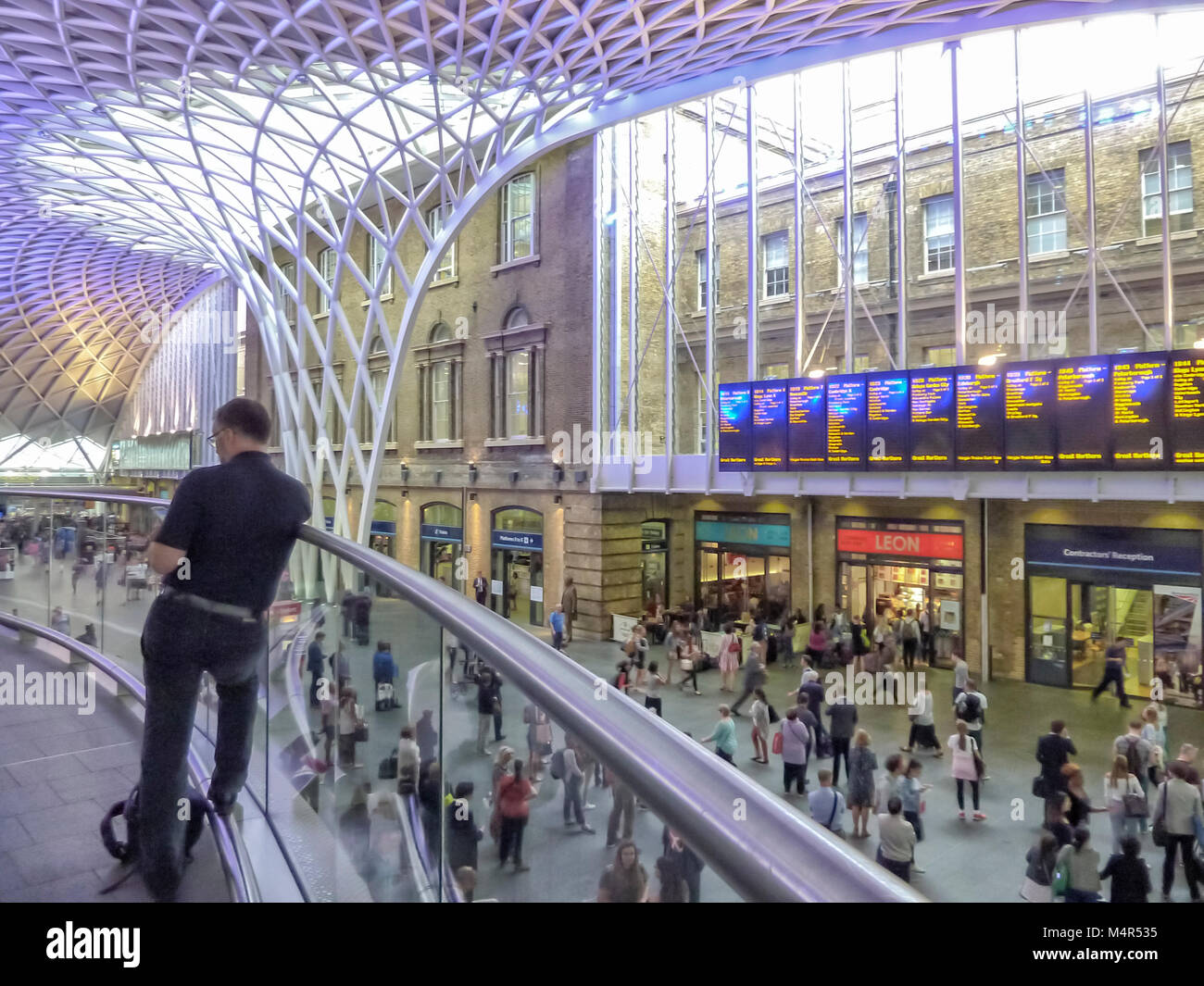
When evaluating why a violent incident at a location as iconic as King’s Cross station carries such weight, one must look beyond the immediate tragedy of the event itself. In the landscape of 2026, we look back at high-profile incidents—particularly those occurring in 2024 and 2025—as pivotal moments that forced a re-evaluation of how public spaces are managed. King’s Cross is not merely a train station; it is a critical artery of the United Kingdom’s transport network, serving as the gateway to the North, Scotland, and, via the adjacent St Pancras International, the European continent.
An act of violence in this specific environment resonates differently than an incident on a residential street. The density of the crowd, the diversity of the demographics (ranging from daily commuters to international tourists), and the symbolic nature of the infrastructure ensure that any breach of safety is met with immediate national scrutiny. The stabbing at King's Cross matters because it serves as a "stress test" for the British Transport Police (BTP) and the Metropolitan Police, revealing where surveillance gaps exist and how quickly emergency services can contain a threat in a high-pressure environment.
The Strategic Importance of King’s Cross as a Transport Hub
To understand the gravity of the incident, it is essential to recognize the unique operational profile of King’s Cross. As one of the busiest interchanges in the London Underground and National Rail networks, the station handles hundreds of thousands of passengers daily. This high footfall creates an environment where anonymity is high and the potential for rapid escalation is extreme.
The Intermodal Risk Factor
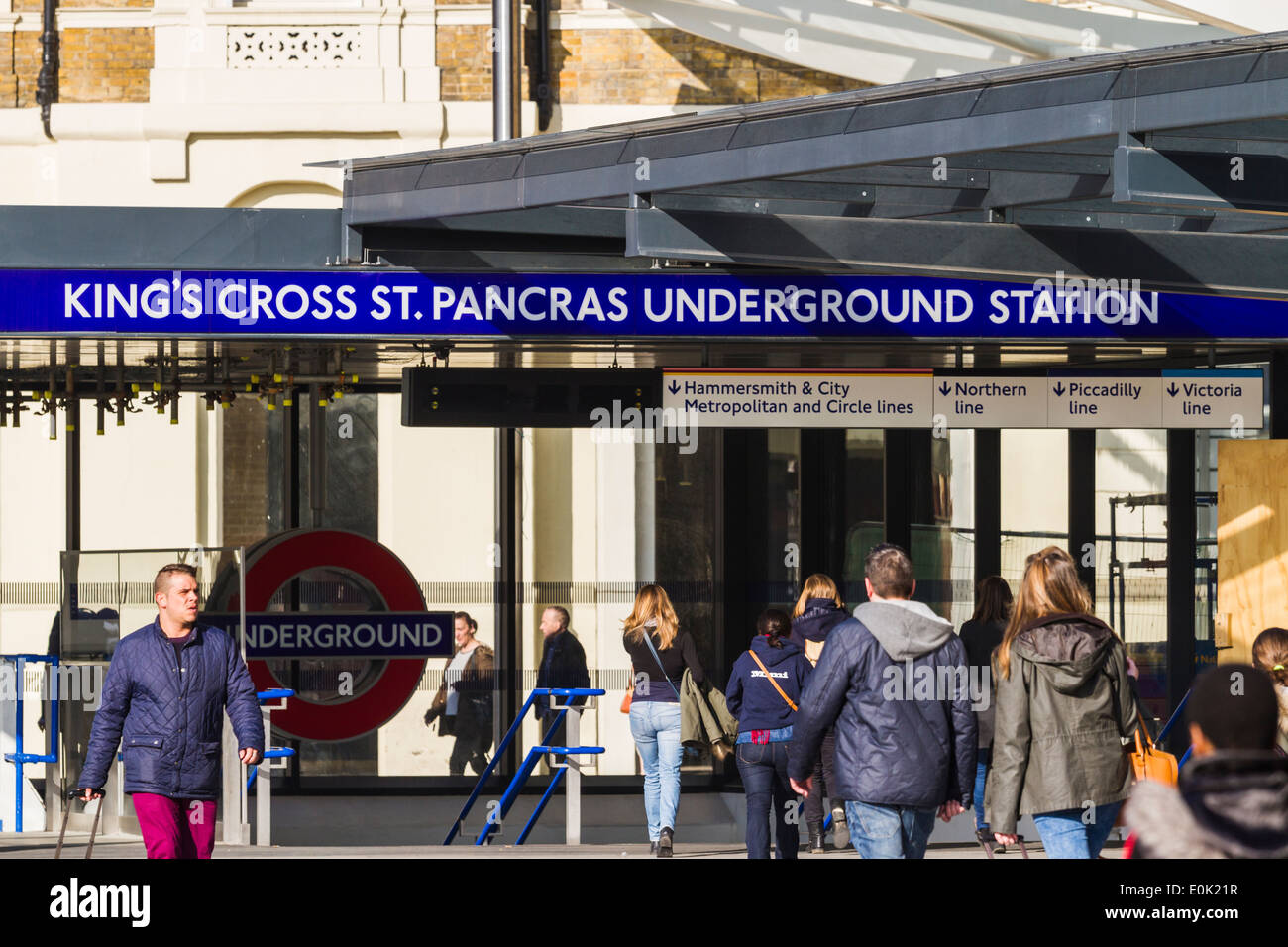
King’s Cross is a point of convergence for six London Underground lines and multiple long-distance rail operators. This "intermodal" nature means that an incident at the station can paralyze movement across the entire city and beyond. When a stabbing occurs on a platform or in a concourse:
- Operational Ground-Stop: Trains are often held, and platforms evacuated, causing a ripple effect of delays that can impact the UK's economic productivity for an entire day.
- Containment Challenges: The labyrinthine nature of the station—with its multiple exits, shopping levels, and tunnel connections—presents a nightmare for law enforcement attempting to secure a perimeter or track a suspect.
The incident matters because it highlights the fragility of these "super-hubs." It forces authorities to ask whether current architectural designs and security protocols are sufficient to prevent spontaneous acts of violence in areas designed primarily for efficiency and throughput rather than defensive security.
Evolution of Policing and Security Tactics (2024–2026)
In response to violent incidents at major transit points, the period between 2024 and 2026 saw a marked shift in how the British Transport Police (BTP) operates. The stabbing at King’s Cross was a primary driver for the "Secure Hubs Initiative," which fundamentally altered the visibility and authority of officers on the ground.
Enhanced Use of Section 60 Powers
One of the most controversial yet significant outcomes has been the more frequent application of Section 60 of the Criminal Justice and Public Order Act 1994. This allows police to stop and search individuals without "reasonable suspicion" in a defined area for a specific time. Following the King's Cross incident, the threshold for declaring a Section 60 zone around major stations was lowered, reflecting a "zero-tolerance" approach to weapon possession in transit environments.
Project Servator and Unpredictable Policing
The incident underscored the need for Project Servator, a policing tactic designed to deter, detect, and disrupt a wide range of criminal activity. By 2026, this has evolved into a highly sophisticated operation at King’s Cross, involving:
- Plainclothes Officers: Specialized units trained to spot "behavioral indicators" of criminal intent or distress.
- K9 Units: Increased presence of knife-detection dogs, which act as both a deterrent and a non-invasive search tool.
- Community Engagement: Encouraging the "See It. Say It. Sorted." culture among passengers to ensure early reporting of suspicious behavior.
The Role of Advanced Surveillance Technology
By 2026, the technological response to the King’s Cross stabbing has become a cornerstone of urban safety. The incident served as a proof-of-concept for why traditional CCTV is no longer sufficient. Modern security at the station now relies on a proactive rather than reactive model.
| Technology Component | Purpose and Function | Impact on Public Safety |
|---|---|---|
| Live Facial Recognition (LFR) | Matches real-time feeds against "watchlists" of known violent offenders. | Allows for the interception of high-risk individuals before they enter crowded platforms. |
| Behavioral AI Analytics | Algorithms that detect "abnormal" movement patterns, such as sudden running or loitering in restricted areas. | Provides early warning to control rooms, often before a 999 call is placed. |
| Acoustic Sensors | Sensors tuned to detect the sound of physical altercations or distress calls. | Accelerates the deployment of medical and security assets to the exact coordinates of an incident. |
| Integrated Digital Radio | Cross-agency communication between BTP, Met Police, and London Ambulance Service. | Reduces response times by eliminating "information silos" during active scenes. |
The implementation of these technologies matters because it represents a shift toward "predictive policing." However, it also sparks ongoing debates regarding privacy and civil liberties, making the King's Cross incident a central case study in the balance between security and surveillance.
Psychological Impact and the "Ripple Effect" on Public Confidence
Perhaps the most significant reason the stabbing matters is its impact on the collective psyche of Londoners. For many, the London Underground and major stations like King’s Cross are perceived as "safe" extensions of the public sphere. A violent breach of that safety creates a "ripple effect" that extends far beyond the victims.
Commuter Anxiety and Behavioral Shifts
When violence occurs in a shared, essential space, it triggers a "heightened state of vigilance" among the public. In 2026, transport authorities continue to battle the "perception-reality gap," where statistical data suggests that rail travel is safer than ever, yet individual high-profile events lead to a decline in evening ridership. This anxiety can have tangible economic consequences, reducing the footfall for late-night hospitality and retail businesses in the King’s Cross and Coal Drops Yard areas.
The Role of Social Media in Information Cascades
In the immediate aftermath of the King’s Cross stabbing, unverified videos and "eyewitness" accounts often circulate faster than official police statements. This matters because the "digital footprint" of the incident can create a permanent sense of danger associated with the location. Modern crisis management now involves a digital-first strategy to combat misinformation and provide accurate safety updates in real-time.
Legislative and Social Policy Implications
The incident at King’s Cross did not happen in a vacuum; it is part of the broader context of knife crime in the UK. By 2026, this has led to a more integrated approach that combines law enforcement with social intervention.
The Public Health Approach to Violence
The stabbing reinforced the arguments made by the London Violence Reduction Unit (VRU). This approach treats violence not just as a criminal issue, but as a preventable public health epidemic. It matters because it has shifted funding toward:
- Youth Outreach: Targeting at-risk individuals in the boroughs surrounding King’s Cross (such as Camden and Islington).
- Trauma-Informed Care: Providing immediate psychological support for witnesses and staff who are often the "first responders" to these scenes.
Knife Legislation and Sentencing
The incident also influenced the Criminal Justice Act updates of 2024 and 2025, which introduced stricter penalties for the possession of "zombie knives" and machetes. The fact that such a weapon could be brought into a high-security environment like a major rail station accelerated the ban on the sale and manufacture of specific blade types that have no practical use other than to cause harm.
Frequently Asked Questions
Is King's Cross station safe to use in 2026?
Yes, King's Cross remains one of the most heavily policed and monitored environments in the UK. While no public space can be guaranteed 100% risk-free, the integration of Live Facial Recognition, increased BTP patrols, and advanced surveillance has made it statistically safer than many other urban areas. Most travelers pass through without any incident.
What should I do if I witness an incident at the station?
The standard protocol is "See It. Say It. Sorted." You should text the British Transport Police on 61016 or call 999 in an emergency. It is important to move to a safe area and follow the directions of station staff or police officers immediately. Do not attempt to intervene in a violent situation yourself.
Has the frequency of stabbings at London stations increased?
While high-profile incidents receive significant media attention, the overall rate of violent crime per million passenger journeys has remained relatively stable due to increased security measures implemented between 2024 and 2026. The perception of increased frequency is often driven by the speed and reach of social media reporting.
Why are there more "stop and search" operations at King’s Cross now?
Following several violent incidents, the British Transport Police have increased the use of targeted stop-and-search operations to deter the carrying of weapons. These are often intelligence-led or part of Project Servator, aimed at creating a hostile environment for potential offenders.
Does the station have permanent medical staff for such emergencies?
King's Cross and St Pancras have dedicated first-aid trained staff and "bleed kits" (emergency medical supplies to stop heavy bleeding) stationed at multiple points throughout the concourses. Furthermore, the station's proximity to major hospitals like University College Hospital (UCH) ensures rapid advanced medical response.
Final Recommendations for Travelers
The stabbing at King’s Cross station matters because it is a reminder that public safety is a dynamic, ongoing effort. For the average traveler in 2026, the best course of action is to remain observant but not fearful.
- Stay Informed: Follow official Transport for London (TfL) and BTP social media channels for real-time safety updates.
- Utilize Technology: Use the "Railway Guardian" app, which allows for discreet reporting of concerns directly to the police.
- Support Safety Measures: While security screenings or "stop and search" operations may cause minor delays, they are essential components of the strategy that keeps these high-volume hubs operational and safe for everyone.
By understanding the "why" behind the security response, the public can better navigate these essential spaces with confidence, ensuring that King’s Cross continues to function as a vital, vibrant gateway for the nation.
Image Gallery