Minute Maid Park’s Roof: How Atmospheric Control and Acoustics Drive Astros Success
Minute Maid Park’s retractable roof is a strategic asset that shapes the Houston Astros' success by controlling atmospheric conditions and maximizing crowd noise. By closing the roof, the team creates a high-decibel environment that ca...
Minute Maid Park’s retractable roof is a strategic asset that shapes the Houston Astros' success by controlling atmospheric conditions and maximizing crowd noise. By closing the roof, the team creates a high-decibel environment that can rattle opposing pitchers and stabilizes ball flight, contributing significantly to one of the most distinct home-field advantages in Major League Baseball.
Contents
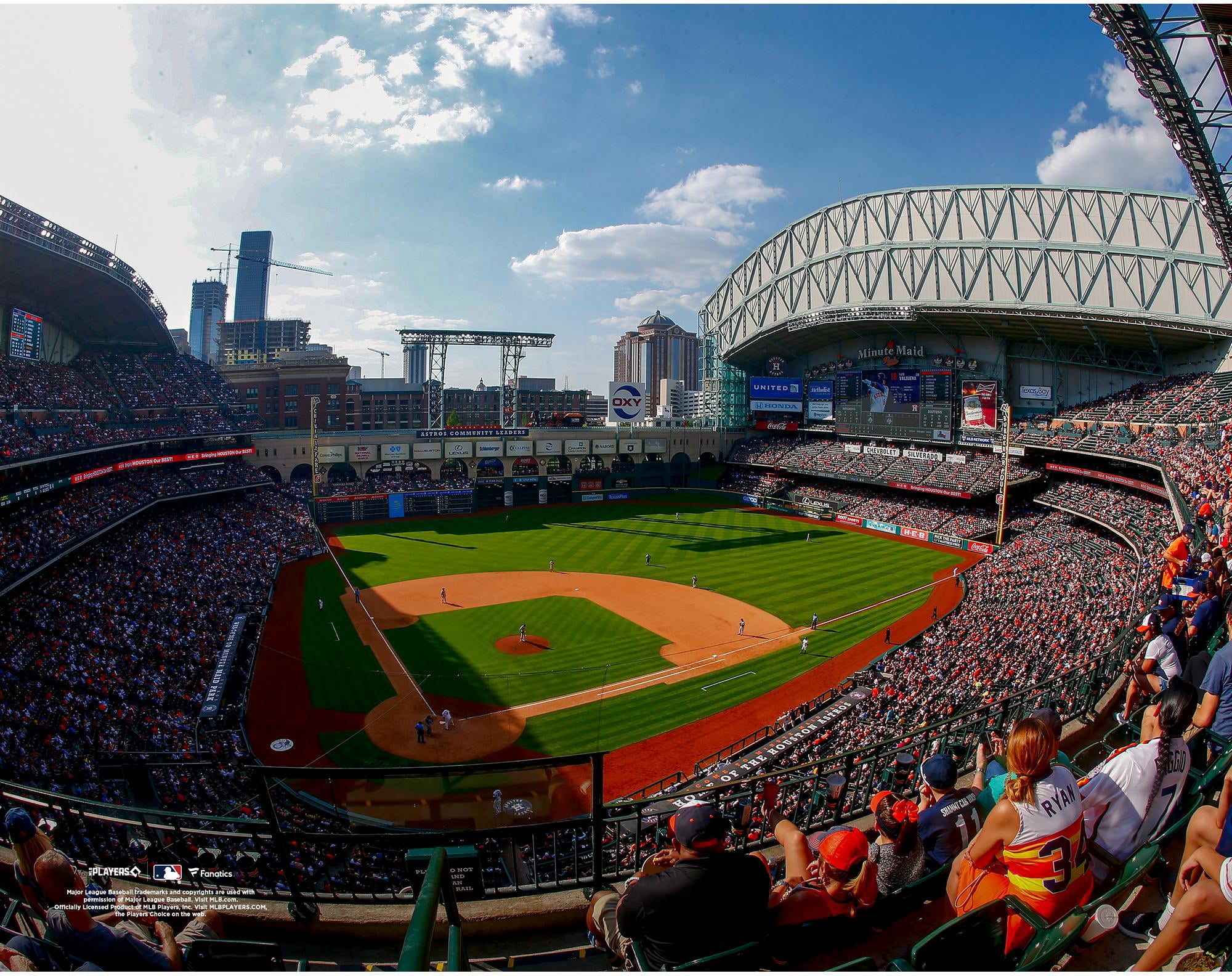
As we look at the state of the franchise in 2026, the "Juice Box" remains a cathedral of modern sports engineering. While many stadiums offer retractable covers for mere weather protection, the Houston Astros have mastered the art of using their venue’s physical configuration to influence the outcome of the game. From the physics of air density to the psychological impact of trapped sound, the movement of those 6.5 acres of steel and glass is far from a cosmetic choice—it is a tactical one.
The Engineering Behind the Advantage
To understand the impact of the roof on the game, one must first appreciate the scale of the machinery. Completed in 2000, the roof at Minute Maid Park consists of three mechanized panels. The structure stands 242 feet above the playing surface at its highest point, covering roughly 6.5 acres. It is powered by 140 electric motors that can open or close the entire structure in approximately 12 to 20 minutes.
By 2026, the maintenance of this aging system has become a priority for the Astros' front office. The precision required to move nearly 9,000 tons of steel ensures that the seal remains airtight. This seal is crucial because it allows the stadium’s massive HVAC system to maintain a consistent temperature, typically around 72 degrees Fahrenheit, regardless of the sweltering Houston humidity outside.
Structural Specifications of the Retractable Roof
| Feature | Specification | Impact on Play |
|---|---|---|
| Total Weight | 9,000 Tons | Ensures structural stability against Gulf Coast winds. |
| Acreage Covered | 6.5 Acres | Provides total climate control for the field and stands. |
| Maximum Height | 242 Feet | Minimizes interference with high fly balls (pop-ups). |
| Opening Time | 12–20 Minutes | Allows for rapid response to changing weather patterns. |
| Materials | Steel and Glass | Reflects sound inward while allowing natural light. |
Atmospheric Control: The Science of Ball Flight
One of the most debated aspects of Minute Maid Park is how the closed roof affects the "flight" of the baseball. Houston is notoriously humid, and in the early years of the stadium, there was a misconception that the "thick" Houston air would slow down fly balls. However, physics dictates that humid air is actually less dense than dry air because water vapor molecules weigh less than nitrogen and oxygen molecules.
When the roof is closed and the air conditioning is running, the Astros create a controlled environment. The cooling process removes moisture from the air, but it also increases air density by lowering the temperature. This creates a fascinating trade-off:
- Closed Roof (Cooler/Dryer): The air is denser, which theoretically provides more resistance to a flying ball, slightly favoring pitchers.
- Open Roof (Warmer/Humid): The air is thinner (due to heat and humidity), which can allow the ball to travel further, favoring hitters.
The Astros' coaching staff and analytics department have long analyzed these variables. In 2026, the team continues to use advanced tracking data to understand how specific pitchers' breaking balls move differently under the roof versus in the open air. A slider may have more "bite" in the denser, cooler air of a closed-roof game, giving Houston’s pitching staff a measurable edge over visitors who are used to more volatile outdoor conditions.
The "Juice Box" Effect: Acoustics and Pressure
While atmospheric physics affects the ball, the acoustic design of the roof affects the players. Minute Maid Park earned the nickname "The Juice Box" not just for its sponsor, but for the energy contained within its walls. When the roof is closed, the stadium becomes a massive echo chamber.
The underside of the roof is composed of hard surfaces that reflect sound back toward the field rather than letting it escape into the atmosphere. During high-stakes games—particularly in the postseason—decibel levels at Minute Maid Park have been recorded exceeding 100 dB. For an opposing pitcher, this wall of sound makes communication with the catcher difficult and can elevate heart rates and stress levels.
The Impact on Communication
In modern baseball, PitchCom technology has mitigated some of the issues with sign-stealing and loud environments. However, the sheer volume of a closed-roof Houston crowd still impacts verbal communication between middle infielders and the dugout. The Astros have historically thrived in this environment, using the "home-field noise" to mask their own movements while capitalizing on the sensory overload experienced by the opposition.
Strategic Decision-Making: When to Open the Roof
The decision to open or close the roof is not entirely up to the team’s whim. Major League Baseball (MLB) Ground Rules dictate the procedures for retractable roofs. Generally, the home team decides if the roof will be open or closed at the start of the game. If it starts closed, it must stay closed unless weather conditions improve significantly, and even then, specific protocols must be followed.
The Astros' management considers several factors before the first pitch:
- The "Heat Index": If the temperature or humidity exceeds a certain threshold, the roof is closed for player safety and fan comfort.
- Wind Patterns: High winds can create unpredictable "swirls" in the outfield. Closing the roof eliminates wind as a variable, which benefits a team with high-precision fly-ball pitchers.
- Strategic Matchups: If the Astros are facing a high-velocity power pitcher, they may prefer the roof closed to slightly dampen ball travel through denser air.
By 2026, the integration of real-time meteorological data into the Astros' dugout has become standard. The team doesn't just look at the rain radar; they look at barometric pressure trends to determine the optimal configuration for their specific lineup that day.
Historical Context and Recent Success
The correlation between the roof's status and the Astros' winning percentage has been a point of study for years. During their championship runs in the late 2010s and early 2020s, the Astros maintained one of the best home records in the league. Statistics showed that the team’s ERA (Earned Run Average) was often lower when playing under the closed roof, suggesting that Houston’s pitching development is tailored to the indoor environment.
Furthermore, the psychological comfort of playing in a climate-controlled 72-degree room while the Texas sun beats down outside cannot be overstated. Visiting teams often struggle with the transition from the humid outdoor tunnels to the air-conditioned field, whereas the Astros spend their entire home slate acclimated to the artificial "perfect" weather.
Maintenance and Upgrades in 2026
As the stadium enters its 26th year of operation, the mechanical integrity of the roof remains a focal point. Recent upgrades have included:
- Variable Frequency Drives: Newer motor controllers that allow the roof to move more smoothly, reducing the wear and tear on the primary steel tracks.
- High-Efficiency Sealants: Improved rubber and silicone gaskets that prevent "micro-leaks" of humidity, ensuring the internal air remains as dry as possible.
- Smart Glass Integration: Some sections of the roof panels have been treated with photochromic coatings to reduce glare for outfielders while still allowing natural light to nourish the natural grass turf—a perennial challenge for indoor-outdoor stadiums.
These technical refinements ensure that the roof remains a tool for victory rather than a mechanical liability. The ability to manipulate the environment is a luxury that "Open-Air" teams simply do not have, and the Astros have proven more adept than most at leveraging it.
FAQ
Does the ball travel further when the Minute Maid Park roof is open?
Generally, yes. While humidity is complex, the higher temperatures associated with an open roof in Houston decrease air density. Thinner air offers less resistance to the baseball, often resulting in fly balls traveling several feet further than they would in the cooler, denser air of a closed-roof, air-conditioned environment.
Who makes the final call to close the roof during a game?
Before the game begins, the home team (the Astros) decides. Once the game starts, the responsibility shifts to the Umpire-in-Chief. If weather becomes a factor, the umpires determine if the roof should be closed to protect the field and players, usually in consultation with MLB officials.
How does the roof affect the Astros' pitching strategy?
The closed roof creates a more consistent environment. Without wind gusts or varying humidity levels, pitchers can rely on their "stuff" to move predictably. This consistency allows the Astros' analytics team to provide pitchers with highly accurate heat maps and movement profiles that wouldn't be as reliable in an outdoor stadium.
Is the crowd noise louder when the roof is closed?
Significantly. The hard surfaces of the roof panels reflect sound waves back toward the seating bowl and field. This creates a "cauldron" of noise that can exceed 100 decibels, making it one of the loudest environments in professional baseball and contributing to a formidable home-field advantage.
Can the roof be partially opened?
While the roof has three panels, it is typically operated as an "all or nothing" system for games. Partial openings are rare during play because they can create "shadow lines" and uneven wind patterns that are considered unfair to hitters or fielders.
Practical Recommendation for Fans and Analysts
When analyzing an upcoming Houston home series in 2026, always check the local Houston weather forecast and the team's official roof status announcement. For bettors and fantasy players, a closed roof typically points toward a slight "Under" in total runs due to denser air and optimized pitching conditions. Conversely, a rare "Open Roof" night in the spring or fall might favor power hitters looking to capitalize on the thinner Texas air.
Image Gallery