Understanding Cat Repellent Noise: A Complete Guide to Ultrasonic Deterrents
Ultrasonic cat repellent noise devices use high-frequency sound waves, typically between 19 kHz and 25 kHz, to deter cats from entering gardens or specific zones. These devices are triggered by motion sensors and emit a sound that is i...
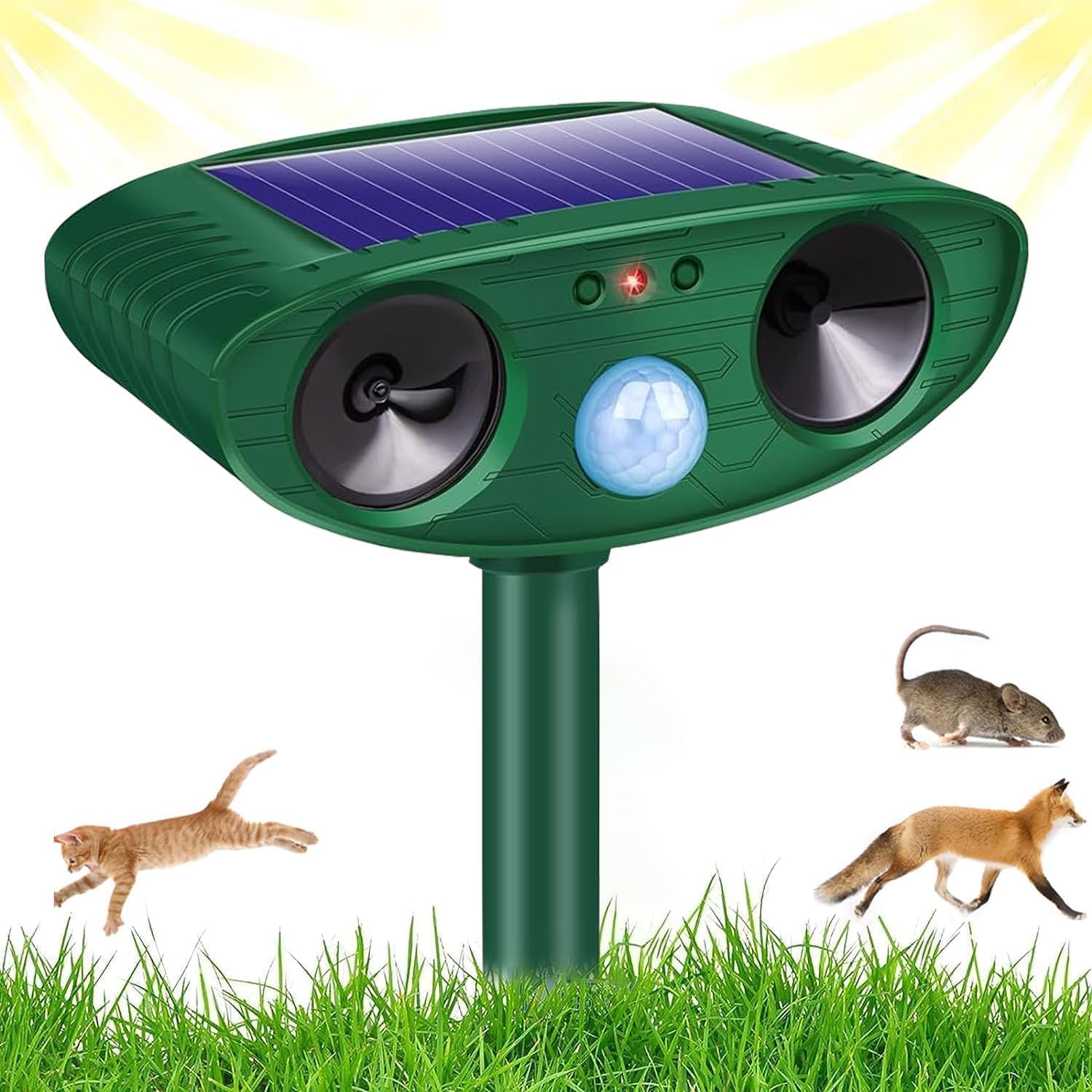
Ultrasonic cat repellent noise devices use high-frequency sound waves, typically between 19 kHz and 25 kHz, to deter cats from entering gardens or specific zones. These devices are triggered by motion sensors and emit a sound that is irritating to felines but generally inaudible to most adult humans, offering a humane, chemical-free solution.
Contents
The Science of Ultrasonic Cat Repellent Noise
To understand how "cat repellent noise" works, one must first look at the biological differences in auditory ranges between humans and felines. While the average human adult rarely hears frequencies above 15 kHz to 17 kHz, cats have an extraordinary hearing range that extends up to 64 kHz. This physiological gap allows manufacturers to create devices that target the sensitive hearing of a cat without causing a disturbance to most human neighbors.
When a device detects movement via a Passive Infrared (PIR) sensor, it emits a high-frequency blast. To a cat, this sound is often described by animal behaviorists as the equivalent of a smoke alarm or a piercing whistle. It does not cause physical pain or long-term hearing damage, but it creates a "fear-memory" or a "discomfort zone." Over time, the cat associates your garden with this unpleasant auditory experience and chooses to frequent alternative locations.
In 2026, many high-end models have evolved to include frequency modulation. Instead of a single flat tone, which a cat might eventually become accustomed to (a process known as habituation), these devices "sweep" through various frequencies. This unpredictability prevents the cat from ignoring the noise, ensuring the deterrent remains effective over many months.
How PIR Sensors and Detection Zones Function
The effectiveness of a cat repellent noise device is heavily dependent on its Passive Infrared (PIR) sensor. Unlike basic motion sensors that might be triggered by a blowing leaf or a falling branch, PIR sensors detect heat signatures. Because cats are warm-blooded, their movement creates a thermal shift that the sensor identifies, triggering the ultrasonic blast.
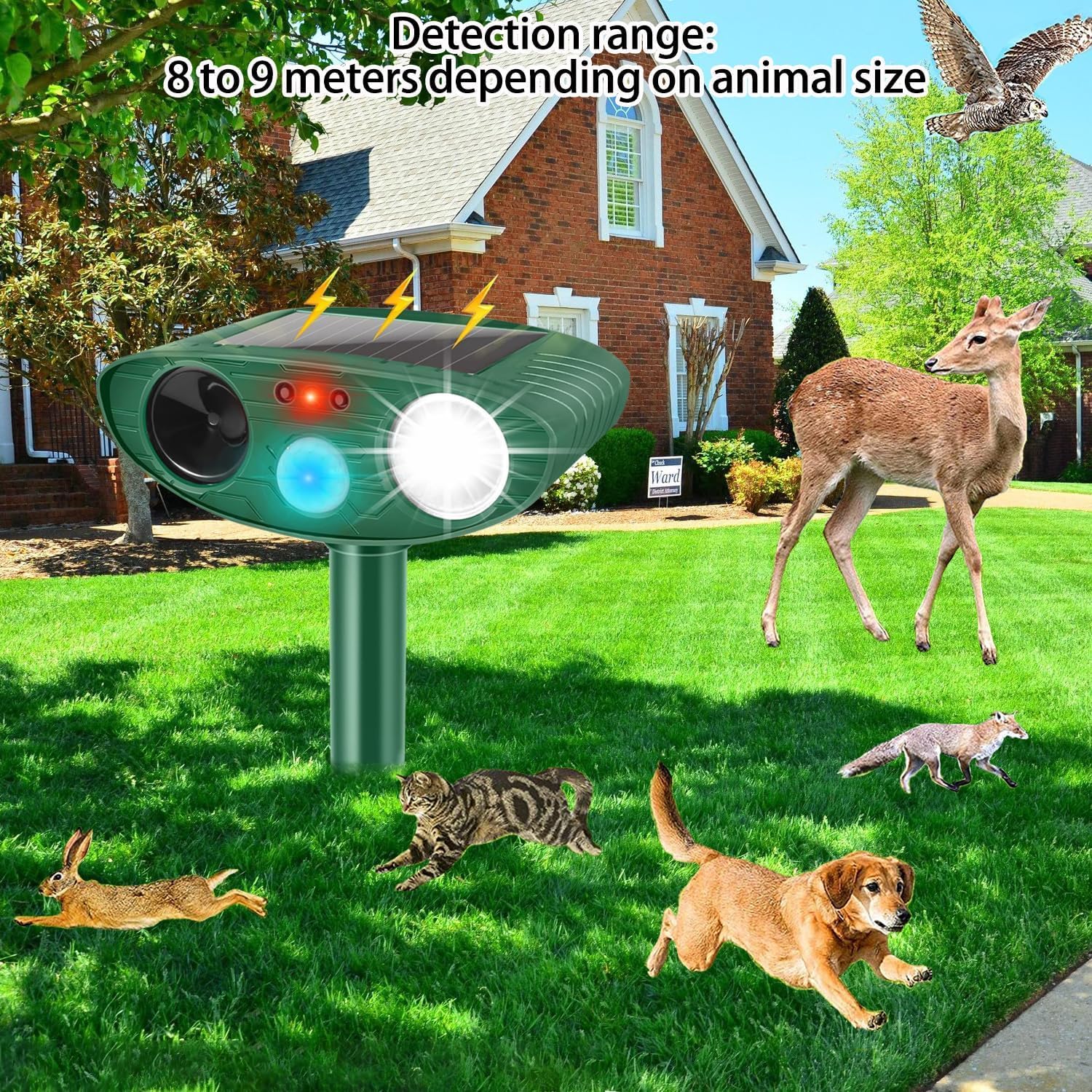
The detection zone is usually shaped like a fan, extending outward from the device. Most consumer-grade units in 2026 offer a detection range of 8 to 12 meters (approx. 26 to 40 feet), with an arc of 90 to 120 degrees. Understanding these dimensions is critical for placement. If the device is placed too high, the "fan" of detection may overshoot a small cat. If placed too low, obstacles like tall grass or garden furniture can block the sensor's line of sight, rendering the device useless.
Key Factors That Influence Effectiveness
While ultrasonic noise is a powerful tool, it is not a "magic bullet" that works instantly for every animal. Several variables can dictate whether the device successfully clears your yard or is ignored by the local feline population.
1. Age and Physical Condition of the Cat
Just like humans, cats experience hearing loss as they age. An elderly cat with diminished high-frequency hearing will be completely oblivious to an ultrasonic repellent. If your intruder is a senior feline, noise-based deterrents will likely fail, and you may need to pivot to scent-based or water-based alternatives.
2. Environmental Obstacles
Ultrasound behaves much like light; it travels in straight lines and cannot penetrate solid objects. If your garden is densely packed with shrubbery, fences, or stone walls, the sound waves will bounce off these surfaces, creating "shadow zones" where the cat can hide comfortably. Proper coverage often requires multiple units placed strategically to cover different entry points.
3. The Motivation Level
A cat’s motivation to enter your yard plays a role. If your garden contains a primary food source (like a bird feeder or accessible trash) or is a primary mating ground, the cat may be willing to tolerate a high level of discomfort to reach its goal. In these cases, the noise should be part of an Integrated Pest Management (IPM) strategy that includes removing attractants.
Safety and Impact on Other Animals
A common concern for homeowners is whether the "cat repellent noise" will affect their own pets or local wildlife. Because dogs can hear up to approximately 45 kHz, they will certainly hear the device if they are within range. However, because the devices are motion-activated, a dog inside the house or in a different part of the yard will not be constantly bombarded.
For smaller pets like rabbits, hamsters, or guinea pigs, caution is advised. These animals have very sensitive hearing and may find the noise highly distressing. It is recommended to avoid using ultrasonic deterrents in the immediate vicinity of outdoor hutches. On the positive side, birds do not hear in the ultrasonic range, meaning these devices will not scare away the songbirds you may be trying to protect from feline predators.
Regarding human safety, while the sound is technically "inaudible" to adults, children and teenagers often have much more sensitive hearing. Some younger individuals may report hearing a "clicking" or a faint, high-pitched hiss. This is generally not harmful but can be annoying if the device is placed too close to a child’s play area or a neighbor's window.
Comparison of Cat Repellent Power Sources
When selecting a device in 2026, the power source is one of the most important logistical decisions. The following table compares the three primary types of ultrasonic deterrents.
| Feature | Solar-Powered Units | Battery-Operated (Disposable) | Plug-in AC Adapters |
|---|---|---|---|
| Best Use Case | Open, sunny gardens | Shady areas or seasonal use | Permanent fixtures near the house |
| Maintenance | Low (clean panel occasionally) | High (replace batteries 3-6 months) | Low (check cables for wear) |
| Reliability | Depends on weather/sunlight | Consistent until batteries fade | Highest (constant power) |
| Installation | Easiest (wireless) | Easy (wireless) | Moderate (requires outdoor outlet) |
| Initial Cost | Mid-range | Low | High |
Installation and Strategic Placement Guide
To maximize the impact of the deterrent noise, follow these technical guidelines for installation:
- Identify Entry Points: Cats are creatures of habit. Observe where they typically enter your yard—perhaps a specific gap under a fence or a low-hanging branch. Aim the device directly at these "choke points."
- Height Adjustment: Most cats are between 20cm and 30cm tall. The device should be mounted so the PIR sensor is at the cat's eye level. Mounting it too high on a wall is a common mistake that allows cats to walk underneath the detection beam.
- Ground Surface Matters: Hard surfaces like concrete or stone reflect sound waves, potentially increasing the device's reach. Soft surfaces like mulch, long grass, or heavy foliage absorb sound, significantly reducing the effective range. If you have a lush garden, you may need a device with a higher decibel output.
- Angle for Depth: Instead of pointing the device straight across a path, angle it slightly so the cat has to walk through the "cone" of sound for a longer duration. The longer the exposure, the more likely the cat is to turn back.
Troubleshooting Common Issues
If you find that cats are still entering your yard despite the device being active, check the following:
- Sensor Obstruction: Ensure no leaves or spider webs are covering the PIR sensor. A dirty lens can reduce detection range by over 50%.
- Battery Degradation: In solar units, the internal rechargeable batteries may lose their capacity to hold a charge after 12-24 months. If the device triggers but the sound seems "weak" or the LED indicator is dim, it may be time for a battery swap.
- Unit Positioning: If you have multiple devices, ensure they are not facing each other directly, as overlapping ultrasonic waves can sometimes create interference patterns that diminish the perceived intensity of the noise.
Frequently Asked Questions
Can humans hear cat repellent noise?
Most adults over the age of 25 cannot hear frequencies above 17 kHz. However, children, teenagers, and some young adults can hear frequencies up to 20 kHz. Some devices also emit a mechanical "click" when the PIR sensor activates, which is audible to everyone. If you are sensitive to high-pitched sounds, you may notice a slight pressure or a "hissing" sensation when near an active unit.
Does the noise work through glass or fences?
No. Ultrasonic sound waves are high-frequency and low-power, meaning they cannot penetrate solid objects like glass windows, wooden fences, or brick walls. For the device to be effective, there must be a clear, unobstructed line of sight between the device and the target area where the cat is expected to appear.
Is it legal to use ultrasonic cat repellents in residential areas?
In 2026, most jurisdictions permit the use of ultrasonic pest deterrents, provided they are used on private property and do not create a "nuisance" noise. However, some local councils have regulations regarding high-frequency devices if they are found to be audible to neighbors' children or if they cause distress to domestic pets in adjacent yards. Always aim the device into your own garden rather than toward a neighbor's property.
How long does it take for the repellent to work?
It is rarely an instant fix. While some cats will flee immediately, others are more stubborn. It typically takes 7 to 14 days of consistent triggering for a cat to establish the "fear-memory" associated with your garden. During this period, it is important to keep the device powered and unobstructed.
Will rain damage the device?
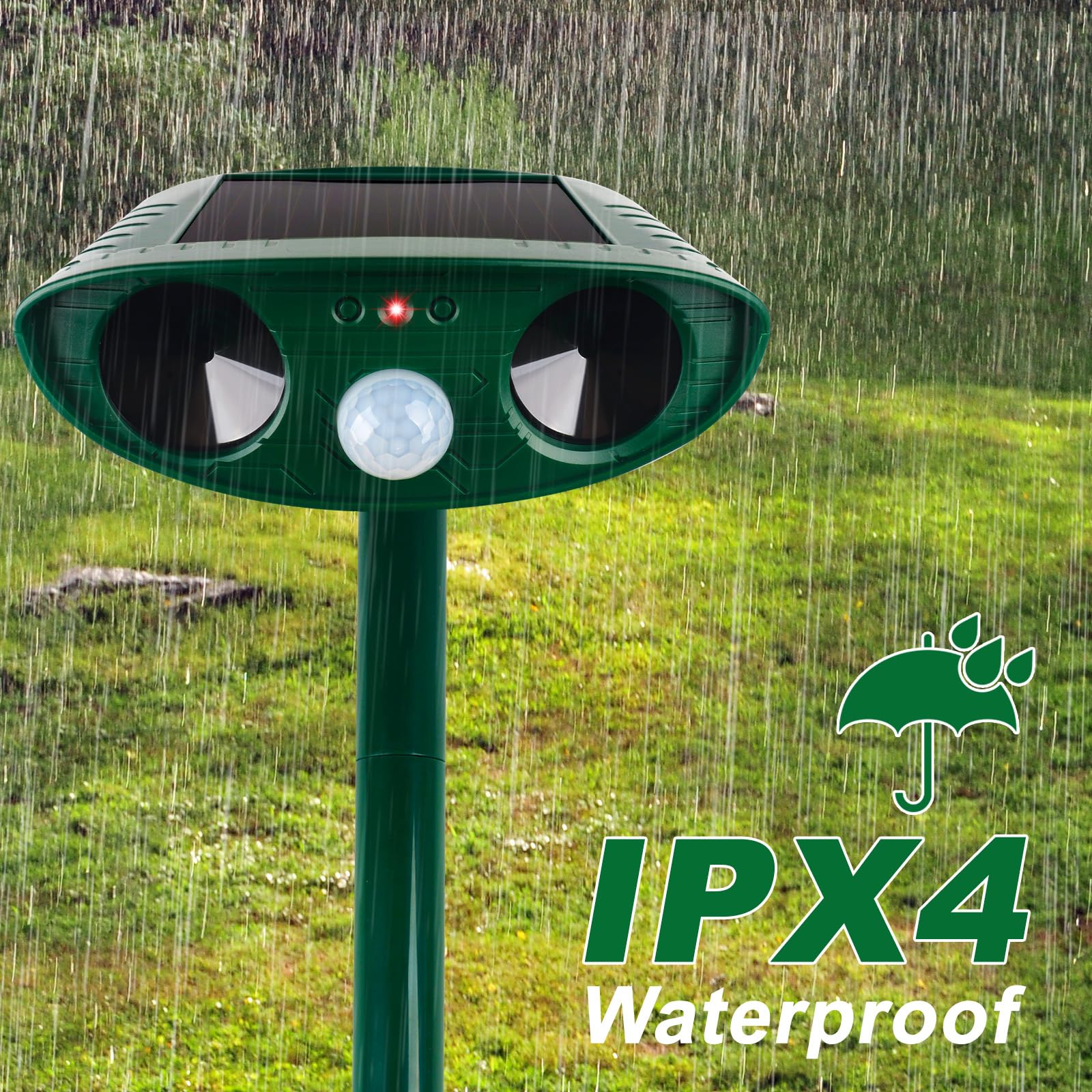
Most reputable cat repellent noise devices are rated IP44 or higher, meaning they are weather-resistant and can withstand rain and splashing. However, they are not waterproof and should not be submerged or placed in areas where significant puddling occurs. In extreme winter conditions, it is often advisable to bring battery-operated units indoors to preserve battery life.
Practical Recommendation
For the best results, treat "cat repellent noise" as one component of a broader strategy. Start by installing a solar-powered ultrasonic unit at the primary entry point of your garden, ensuring it is positioned at eye level with the cat. Simultaneously, ensure no food sources are left outside and consider using physical deterrents, such as prickly garden mats or citrus peels, in particularly sensitive areas like flower beds. This multi-sensory approach is significantly more effective than relying on noise alone.
Image Gallery