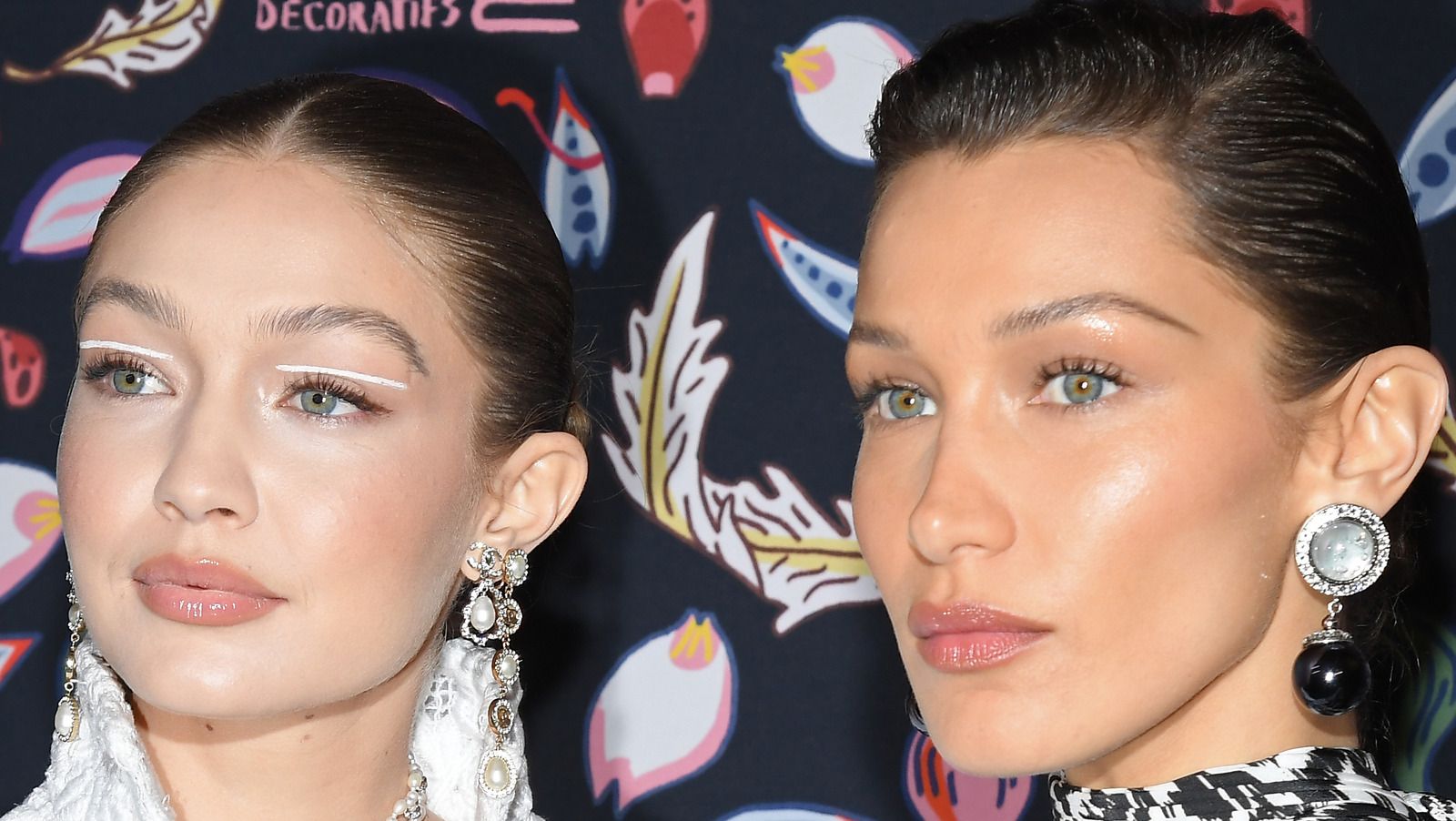
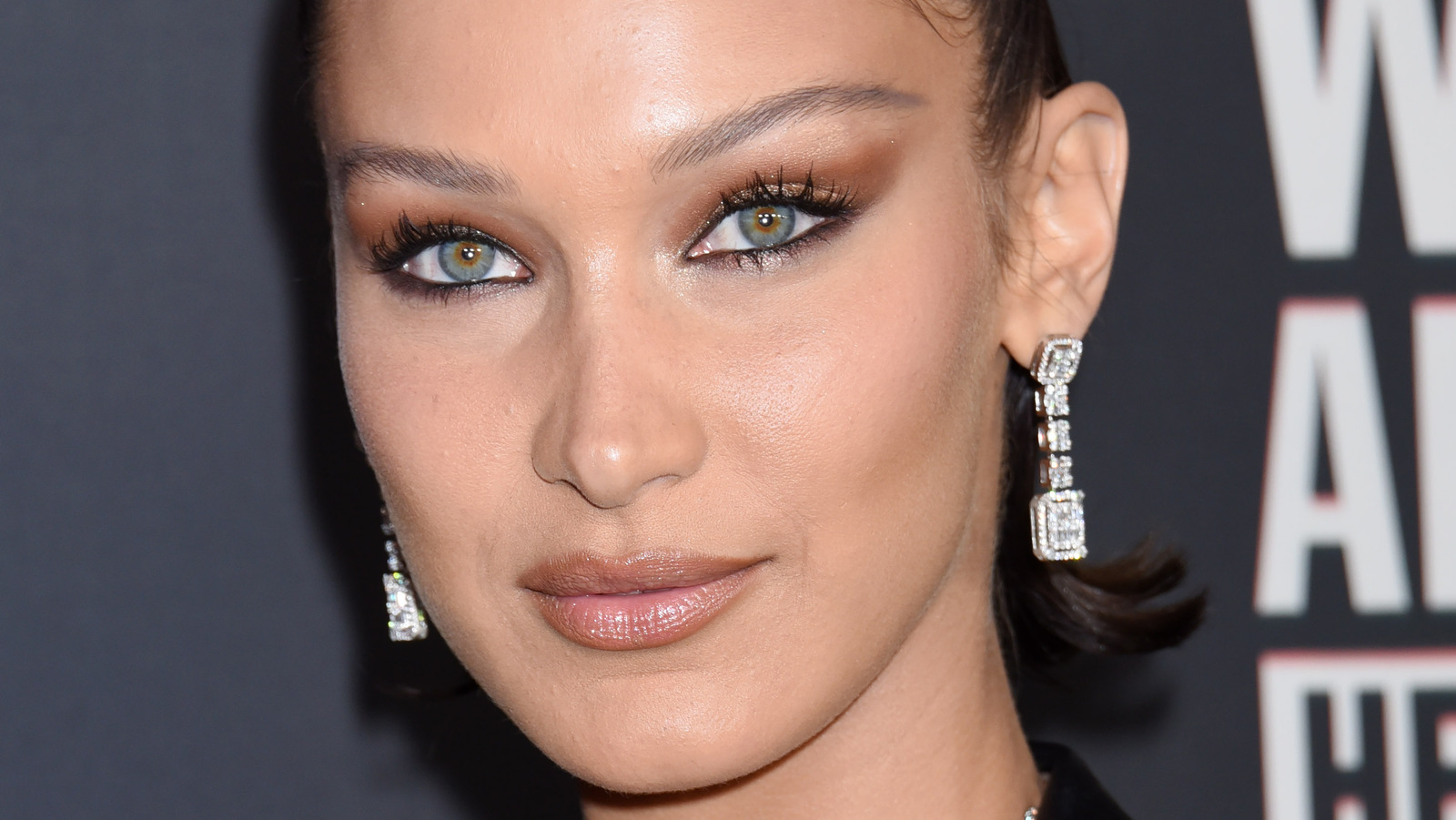
The Bella Hadid Eyebrow Piercing Explained: Style, Procedure, and Aftercare
The Bella Hadid eyebrow piercing refers to the resurgence of the horizontal eyebrow piercing, a style that gained significant mainstream attention after the model debuted the look in the early 2020s. This piercing typically involves a...
The Bella Hadid eyebrow piercing refers to the resurgence of the horizontal eyebrow piercing, a style that gained significant mainstream attention after the model debuted the look in the early 2020s. This piercing typically involves a surface barbell placed horizontally above the eye, characterized by its edgy, minimalist aesthetic that emphasizes the natural arc of the brow.
Contents
Understanding the Eyebrow Piercing Aesthetic
The popularity of the eyebrow piercing in recent years is largely attributed to its ability to bridge the gap between high-fashion runway aesthetics and alternative subculture styles. When Bella Hadid was seen wearing a delicate, minimalist eyebrow piercing, it sparked a renewed interest in facial modifications that were previously relegated to the "grunge" aesthetic of the 1990s and early 2000s.
Unlike traditional lobe or cartilage piercings, the eyebrow piercing is a surface piercing. This means the jewelry passes through a relatively flat area of skin rather than a defined protrusion of cartilage. The visual impact lies in the placement; a well-executed piercing follows the brow bone's contour, acting as a structural accent to the face. While the "Hadid look" is often associated with a single, dainty barbell, the piercing can also be adapted into vertical placements, multi-piercing clusters, or the use of captive bead rings depending on individual facial anatomy and style preference.
Anatomy Requirements and Professional Consultation
Not every individual is an ideal candidate for an eyebrow piercing. Because it is a surface piercing, success depends heavily on the skin's elasticity and the underlying bone structure. A professional piercer must first assess whether you have sufficient "tissue" to support the jewelry.
During a consultation, your piercer will check for:
- Tissue Depth: There must be enough skin to accommodate the barbell without the risk of the jewelry migrating or being rejected by the body.
- Skin Elasticity: The skin needs to be flexible enough to allow for the piercing process and healing without excessive tension.
- Movement: Your piercer will observe your brow movement. If you have highly expressive eyebrows, the constant muscle contraction can interfere with the healing process.
It is critical to seek out a reputable studio that follows the standards set by organizations like the Association of Professional Piercers (APP). Do not attempt this procedure at home, as the proximity to the eye and the specific angle required to avoid damaging nerves necessitate professional medical-grade tools and training.
The Piercing Procedure
The procedure is generally quick but requires precision. After the area is cleaned with an antiseptic solution, the piercer will mark the entry and exit points with a surgical marker. It is standard practice for the client to review these marks in a mirror to ensure they are satisfied with the placement before any needles touch the skin.
The piercer will use a hollow, sterile needle to create the channel. Following the needle, the jewelry—usually a curved barbell made of high-quality, implant-grade titanium—is inserted. Titanium is the industry standard for initial piercings because it is biocompatible and significantly reduces the risk of allergic reactions compared to nickel-based alloys or low-quality steel.
The entire process usually takes less than five minutes, though the preparation and post-piercing consultation will take longer. You may experience a small amount of bleeding or swelling, which is normal for this type of facial piercing.
Essential Aftercare and Healing Expectations
Healing an eyebrow piercing requires patience and strict adherence to hygiene protocols. Because the area is subject to constant movement from facial expressions and exposure to hair products, makeup, and sweat, it is susceptible to irritation.
- Cleaning: Clean the area twice daily using a sterile saline spray. Avoid harsh chemicals like hydrogen peroxide, alcohol, or tea tree oil, as these can dry out the tissue and delay healing.
- Hands-Off Policy: Never touch, twist, or rotate the jewelry. Introducing bacteria from your hands is the primary cause of infection in new piercings.
- Cosmetic Caution: Avoid applying foundation, concealer, or eyebrow pencils directly over the piercing site until it is fully healed, which typically takes between six to twelve weeks.
- Hair Care: Be mindful when washing your hair. Shampoo and conditioner runoff can irritate the healing site, so rinse the area thoroughly with fresh water after showering.
Comparison of Piercing Styles and Jewelry Options
| Piercing Type | Placement Description | Healing Difficulty | Best Jewelry |
|---|---|---|---|
| Standard Horizontal | Along the brow line | Moderate | Curved Barbell |
| Vertical Eyebrow | Perpendicular to the brow | Moderate | Curved Barbell |
| Surface Barbell | Parallel to the skin surface | High | Surface Barbell (90°) |
| Anti-Eyebrow | Below the lower eye rim | High | Surface Barbell |
Troubleshooting Common Issues
It is common for new piercings to experience minor "bumps," which are often mistaken for infections. Frequently, these are actually signs of irritation caused by snagging the jewelry on clothing, over-cleaning, or using unsuitable products. If you notice persistent redness, yellow or green discharge, or extreme swelling that does not subside after a few days, consult your piercer immediately. They can help identify if the issue is a simple irritation that needs a change in routine or a potential infection that requires medical intervention.
In some cases, the body may attempt to "reject" the piercing, causing the skin to thin between the entry and exit holes. If the jewelry appears to be moving toward the surface, return to your piercer for a consultation; it is often safer to remove the jewelry early to prevent significant scarring.
Frequently Asked Questions
Does an eyebrow piercing hurt? Most clients describe the sensation as a quick pinch followed by a dull pressure. Because the eyebrow area is relatively thin, the piercing process is fast, and the pain is typically rated as low on the intensity scale compared to thicker areas like the navel or cartilage.
Can I wear makeup near my eyebrow piercing? You should avoid wearing makeup directly on or around the piercing site for at least the first month of healing. Makeup can trap bacteria and clog the piercing channel, leading to infection. Once the initial healing phase has passed, apply products carefully, ensuring you do not touch or bump the jewelry.
What should I do if my eyebrow piercing gets caught on something? If the jewelry gets snagged on a shirt, towel, or hairbrush, it can cause significant trauma to the tissue. Clean the area immediately with a sterile saline solution and keep it still. If the skin looks torn or bleeding persists, visit your piercer to have the area assessed for potential damage.
Is it safe to change the jewelry before it is healed? No. Changing the jewelry prematurely is one of the most common reasons piercings fail to heal. Wait until your piercer confirms that the interior channel is fully healed before switching to decorative hoops or different barbell styles.
How long does it take for the hole to close if I take it out? The timeframe varies, but if the piercing is relatively fresh, it will likely close within a few days to a week. Older, fully matured piercings may leave a small, permanent dimple or scar even after the jewelry has been removed for a long period.
Recommendation
If you are interested in the Bella Hadid eyebrow piercing, prioritize finding a high-end studio that uses ASTM F-136 implant-grade titanium. Schedule a consultation to discuss your facial anatomy and whether your brow structure is suitable for this placement. Adhering to a strict, simple saline-only aftercare regimen is the most effective way to ensure a smooth healing process and a long-lasting aesthetic result.
Image Gallery