Understanding Drug Rehab Treatment Centers in Malaysia: A Comprehensive Guide
Drug rehab treatment centers in Malaysia operate through state-run facilities under the National Anti-Drugs Agency (AADK), private inpatient rehabilitation centers, and non-governmental organizations. Admission occurs either voluntaril...
Drug rehab treatment centers in Malaysia operate through state-run facilities under the National Anti-Drugs Agency (AADK), private inpatient rehabilitation centers, and non-governmental organizations. Admission occurs either voluntarily or through court orders under the Dangerous Drugs (Treatment and Rehabilitation) Act 1983. Options range from subsidized public care to confidential, high-end private medical detoxification and therapy.
Contents
Overview of Malaysia’s Addiction Treatment Landscape
Addiction treatment in Malaysia is governed primarily by the Ministry of Home Affairs via the National Anti-Drugs Agency (Agensi Antidadah Kebangsaan or AADK). Historically, Malaysia treated substance use disorders primarily through law enforcement mechanisms and mandatory institutional detention. However, the national framework continuously integrates evidence-based medical treatment, public health harm reduction, and voluntary community-based rehabilitation.
Individuals seeking help for substance use disorders in Malaysia can access three main types of treatment providers:
- Public / State-Run Facilities: Managed directly by AADK under statutory mandates, providing both voluntary care and court-ordered residential rehabilitation.
- Private Rehabilitation Centers: Privately operated residential facilities and specialized medical clinics catering to individuals seeking individualized clinical care, privacy, low patient-to-staff ratios, and modern psychotherapeutic modalities.
- Non-Governmental Organizations (NGOs) & Faith-Based Centers: Community-driven non-profit initiatives offering long-term residential support, 12-step peer recovery programs, or faith-aligned spiritual counseling environments.
Legal Framework: Dangerous Drugs (Treatment and Rehabilitation) Act 1983
Understanding the legal framework is critical when navigating drug rehabilitation in Malaysia. The primary governing statute for addiction intervention is the Dangerous Drugs (Treatment and Rehabilitation) Act 1983 (Act 283). This Act defines the legal mechanisms for detection, testing, remand, and admission into rehabilitation centers.
Mandatory / Court-Ordered Admission (Section 6)
Under Section 6(1) of Act 283, if a person tests positive for illegal dangerous drugs (such as methamphetamine, opioids, or cannabis) following apprehension by law enforcement and certification by a medical officer, a magistrate may order one of the following:
- Compulsory Residence: Mandatory placement at an AADK-managed PUSPEN (Pusat Pemulihan Penagihan Narkotik) facility for a period of up to two years.
- Mandatory Supervision: Community supervision (Orang Kena Pengawasan or OKP) under an assigned AADK officer for a period ranging between two and three years.
Compulsory court orders under Section 6 carry legal documentation and police record entries, which can negatively impact employment background checks and civil liberties.
Voluntary Admission (Section 8 and Section 9)
Act 283 also provides legal mechanisms for voluntary rehabilitation. Individuals who admit to substance dependency—or families acting on their behalf—can voluntarily apply for treatment before any law enforcement intervention occurs.
Voluntary enrollment into recognized private centers or AADK Cure & Care centers allows individuals to undergo medical detox and structured rehabilitation without triggering compulsory court orders or police criminal records, provided the admission is processed through proper voluntary health channels.
Types of Drug Rehabilitation Centers in Malaysia
- Addiction Treatment Pathways (MY)
- State-Run (AADK)
- PUSPEN (Mandatory)
- Cure & Care (Voluntary)
- Subsidized / Low Cost
- Private Centers
- Voluntary & Anonymous
- Medical Detox & CBT
- Custom Length of Stay
- NGO / Faith-Based
- Community-Driven
- 12-Step / Spiritual
- Long-Term Residential
- State-Run (AADK)
1. State-Run Facilities (AADK / PUSPEN / Cure & Care)
State-funded facilities are divided into two main categories:
- PUSPEN Institutions: Traditional compulsory residential centers focused on structured discipline, physical conditioning, vocational skills training, and social reintegration.
- Cure & Care (C&C) Clinics and Rehabilitation Centres: Facilities established by AADK to provide accessible, low-barrier, voluntary healthcare services. C&C centers offer open outpatient treatment, short-stay detoxification, and voluntary residential care without rigid institutional restrictions.
Advantages: Heavily subsidized or free for Malaysian citizens; wide nationwide availability. Disadvantages: Variable levels of personal privacy; compulsory facilities utilize highly regimented, institutional environments.
2. Private Residential Rehabilitation Facilities
Private treatment centers operate as licensed medical clinics or residential healthcare facilities. They cater to individuals seeking confidential, evidence-based addiction treatment tailored to specific psychological and physical needs.
Private facilities usually feature multi-disciplinary clinical teams consisting of psychiatrists, addiction medicine physicians, licensed clinical psychologists, and certified counselors.
Advantages: Guaranteed doctor-patient confidentiality, individual treatment plans, high-comfort amenities, dual-diagnosis management (treating co-occurring mental health disorders), modern psychotherapeutic protocols, and flexible lengths of stay (typically 30, 60, or 90 days). Disadvantages: Substantially higher out-of-pocket costs, as private health insurance policies in Malaysia rarely cover residential addiction treatment.
3. Non-Governmental Organizations (NGOs) and Charitable Centers
NGO-run facilities are non-profit organizations founded by recovered individuals, charitable foundations, or religious groups (such as PEMAKAN, Rumah Epik, and various Christian or Islamic faith-based initiatives).
Advantages: Affordable fee structures (often operating on token monthly fees or donations), strong peer-support networks, community mentorship, and options for extended long-term stays. Disadvantages: May lack full-time medical staff or specialized detoxification equipment; recovery models rely heavily on spiritual support or peer-group methodologies rather than clinical psychotherapy.
Core Phases of Addiction Treatment
Effective rehabilitation in Malaysia generally follows three sequential clinical phases:
Phase 1: Medical Detoxification
Detoxification is the process of safely managing acute physical withdrawal symptoms when a patient stops consuming alcohol or drugs. For substances such as opioids (heroin, morphine), alcohol, or heavy synthetic stimulants (methamphetamine, MDMA), sudden cessation can cause severe physiological distress, including seizures, autonomic instability, or severe clinical depression.
In medical rehab facilities, physicians administer tapering protocols, non-addictive anti-anxiety medications, sleep aids, and hydration to ensure patient safety and comfort throughout the detoxification phase.
Phase 2: Inpatient Rehabilitation and Psychotherapy
Once physically stabilized, patients transition into intensive psychological therapy to address the root cognitive, behavioral, and emotional drivers of addiction. Standard therapeutic modalities utilized in accredited Malaysian centers include:
- Cognitive Behavioral Therapy (CBT): Identifying maladaptive thought patterns, managing cravings, and developing healthy coping mechanisms for everyday triggers.
- Motivational Interviewing (MI): Resolving ambivalence and enhancing internal motivation to sustain long-term sobriety.
- Dialectical Behavior Therapy (DBT): Improving emotional regulation, distress tolerance, and interpersonal effectiveness.
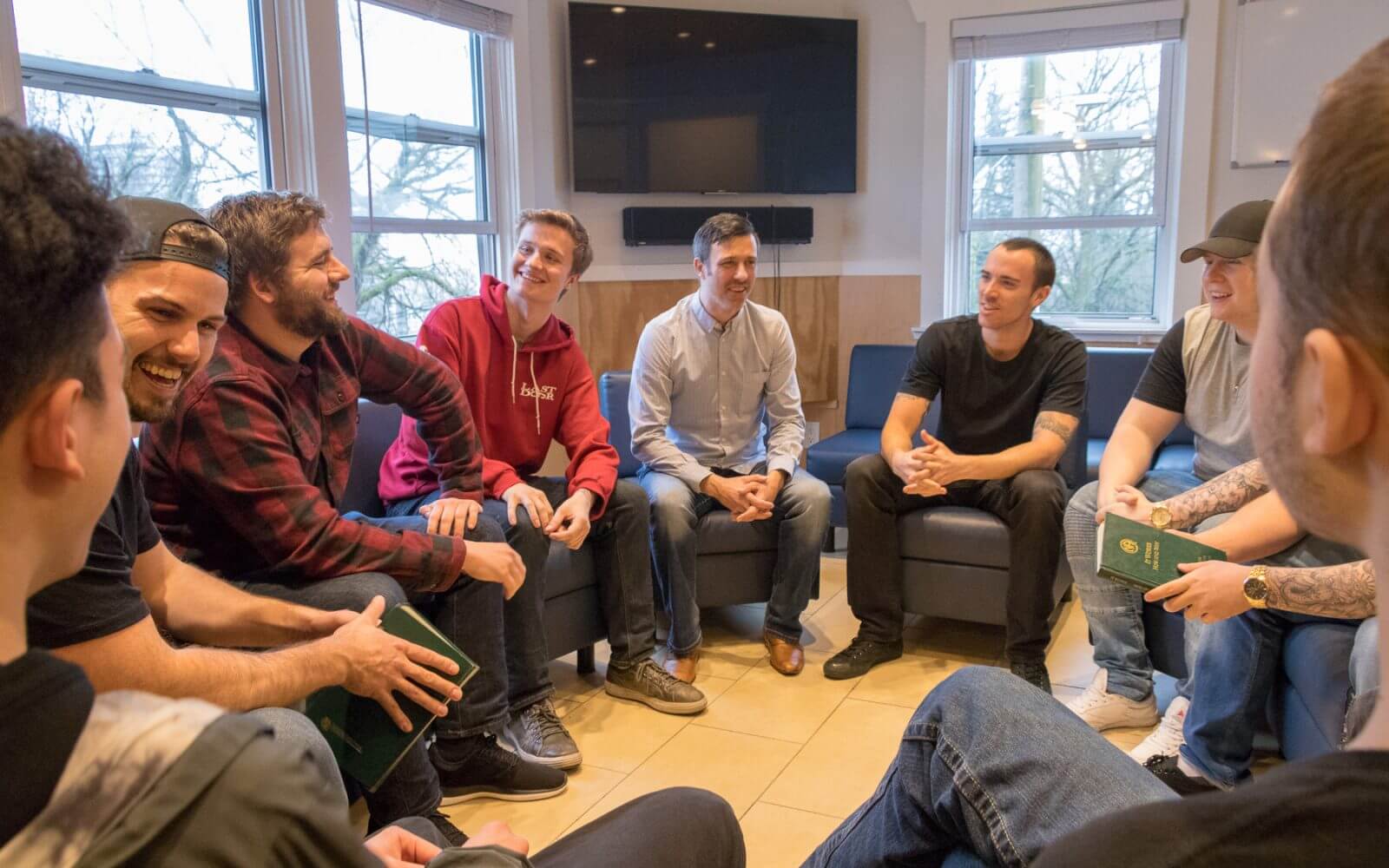
- Group and Family Therapy: Rebuilding trust within family units and fostering peer accountability.
- Dual Diagnosis Treatment: Simultaneously treating underlying psychiatric conditions such as major depressive disorder, generalized anxiety, or post-traumatic stress disorder (PTSD).
Phase 3: Outpatient Aftercare and Relapse Prevention
Long-term recovery requires ongoing support beyond residential discharge. Structured aftercare programs in Malaysia typically involve:
- Regular outpatient therapy sessions with a licensed psychologist or counselor.
- Participation in community support groups (such as Narcotics Anonymous, Alcoholics Anonymous, or SMART Recovery).
- Scheduled urine drug screening to maintain personal accountability.
- Structured reintegration plans focusing on career resumption, family integration, and stress management.
Selecting a Rehab Center: Comparing Options
| Feature / Criteria | Public Facilities (PUSPEN / C&C) | Private Rehabilitation Centers | NGO / Charitable Facilities |
|---|---|---|---|
| Admission Basis | Voluntary (C&C) or Court Order (PUSPEN) | Strictly Voluntary | Voluntary / Family Referral |
| Confidentiality | Official records logged by AADK | Strict medical confidentiality & anonymity | Variable; kept private within facility |
| Primary Approach | Medical, vocational, & structured discipline | Clinical, evidence-based psychotherapy & detox | Peer support, 12-Step, or faith-based recovery |
| Medical Supervision | Visiting medical officers / AADK staff | Full-time or on-call doctors & psychiatrists | Peer counselors; external medical referrals |
| Average Monthly Cost | Free or nominal fee for citizens | RM 5,000 – RM 35,000+ | RM 500 – RM 3,000 (donations/fees) |
| Duration of Stay | 6 to 24 months (court) or flexible (C&C) | 30 to 90 days (customizable) | 6 to 12 months standard |
| Dual Diagnosis Care | Limited specialized psychiatric integration | Comprehensive integrated mental health care | Minimal to none |
Financial Considerations and Cost Structures
The cost of drug rehabilitation in Malaysia varies significantly based on the facility type, level of medical supervision, amenities, and program duration.
- Government Facilities (AADK/PUSPEN): Fully subsidized by the Malaysian government for citizens. Minimal administrative fees may apply for certain voluntary programs, ensuring cost is not a barrier to care.
- Mid-Range Private Facilities: Monthly fees range between RM 5,000 and RM 12,000. These facilities typically offer shared or semi-private rooms, certified addiction counselors, regular medical check-ups, and structured group therapy programs.
- Boutique & Executive Private Rehabs: Pricing ranges from RM 15,000 to RM 45,000+ per month. Located in private settings (such as resort-style locations in the Highlands or coastal areas), these centers provide 1-on-1 daily psychotherapy, private executive suites, holistic therapies (e.g., yoga, art therapy, mindfulness), and 24/7 medical detox supervision.
Insurance Coverage Note: Standard private health insurance policies in Malaysia generally exclude coverage for residential substance abuse treatment and drug detoxification. Patients and families usually finance private rehabilitation out-of-pocket or through corporate Employee Assistance Programs (EAPs).
Privacy, Confidentiality, and Legal Protections
A primary concern for individuals seeking addiction treatment in Malaysia is the fear of criminal prosecution, employment termination, or public stigma.
Legal Protections for Voluntary Medical Care
Voluntarily seeking medical treatment in a private clinic or registered private rehab facility does not automatically trigger police notification or criminal charges. Under the Private Healthcare Facilities and Services Act 1998 and professional medical ethics guidelines, private medical practitioners are legally bound by patient confidentiality. Patient records cannot be shared with third parties—including law enforcement or employers—without explicit written patient consent or a valid court order.
However, if an individual is detained during a law enforcement operation and tests positive on a drug screening test, the legal process defaults to mandatory prosecution under the Dangerous Drugs Act 1952 or court-ordered rehabilitation under Act 283. Proactive, voluntary admission into a recognized treatment center remains the safest legal pathway for individuals seeking recovery.
Step-by-Step Guide to Accessing Treatment
- Clinical Assessment: Schedule an initial assessment with an addiction medicine physician, clinical psychologist, or AADK officer to evaluate drug history, physical health, and mental health status.
- Select the Facility Type: Determine whether a public, private, or NGO facility best aligns with the patient's medical needs, privacy requirements, and financial capacity.
- Prepare for Admission: Coordinate leave from work or studies, finalize financial arrangements, and review facility guidelines regarding allowed personal belongings and visitation rules.
- Complete Detoxification and Therapy: Undergo medical detox if required, followed by active participation in daily individual and group psychotherapy sessions.
- Transition to Aftercare: Establish an outpatient counseling schedule and connect with local support networks to maintain long-term recovery after residential discharge.
Frequently Asked Questions
Can a family member force an adult relative into rehab in Malaysia?
Under the Dangerous Drugs (Treatment and Rehabilitation) Act 1983, family members can contact an AADK Rehabilitation Officer to report an adult relative suffering from severe drug dependency who refuses voluntary treatment. The officer can conduct an investigation and present the case to a magistrate. In private facilities, compulsory admission against an adult's explicit consent is generally not permitted unless the individual is legally declared mentally incapacitated under mental health statutes.
What is the difference between AADK Cure & Care and PUSPEN?
PUSPEN facilities are compulsory residential centers used primarily for court-ordered rehabilitation under Section 6 of Act 283. Cure & Care (C&C) centers are voluntary facilities established by AADK that offer flexible outpatient and short-stay inpatient services without requiring court intervention or generating a criminal record.
Are private rehab centers in Malaysia officially licensed?
Yes, private rehabilitation centers and medical clinics operate under the regulatory oversight of the Ministry of Health (MOH) pursuant to the Private Healthcare Facilities and Services Act 1998. Patients should verify that clinical staff are registered medical practitioners or counselors accredited by the Board of Counselors Malaysia (Lembaga Kaunselor Malaysia).
Will entering voluntary rehab affect my criminal record?
Voluntarily enrolling in a private rehab facility or an AADK Cure & Care clinic does not create a criminal record. Conversely, being remanded by a court under Section 6(1) of Act 283 for compulsory rehabilitation results in an official state record.
How long do residential rehab programs last in Malaysia?
Program durations vary by provider. Private rehabilitation programs typically run for 30, 60, or 90 days. NGO residential programs generally recommend 6 to 12 months for behavioral restructuring, while court-ordered PUSPEN stays mandate 24 months of residential care followed by community supervision.
Recommended Next Actions
If you or a family member requires addiction treatment in Malaysia, taking voluntary action ensures access to appropriate care while safeguarding legal rights and privacy:
- Consult a Specialist: Contact a licensed clinical psychologist or addiction medicine specialist for an objective diagnostic evaluation.
- Reach Out for Guidance: Contact private treatment facilities directly to discuss intake criteria, or contact the AADK helpline at 1-800-22-2235 (or 019-626 2235) for information on voluntary Cure & Care services.
- Verify Credentials: Ensure any chosen facility maintains appropriate medical oversight and uses accredited therapeutic staff.
Disclaimer: This guide is provided for educational purposes only and does not constitute formal medical or legal advice. Individuals facing substance dependency or legal proceedings under Malaysian law should consult certified medical professionals and legal practitioners.
Image Gallery