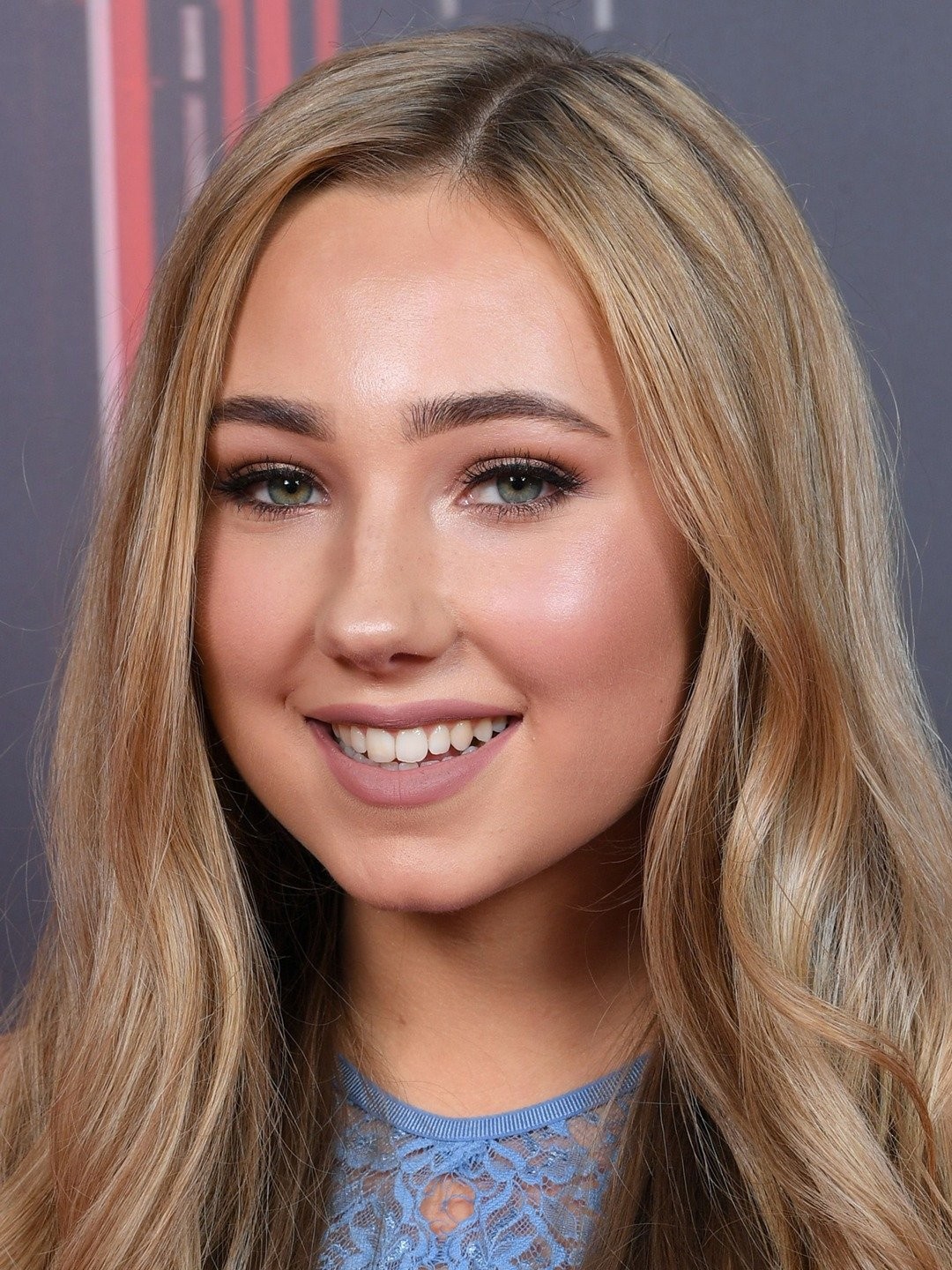
Sourcing Ruby O'Donnell Pictures in the Public Domain: Legal Status and Usage Guidelines
Finding genuine public domain pictures of modern celebrities like British actress Ruby O'Donnell requires navigating complex copyright laws and licensing frameworks. Photos of contemporary figures are rarely in the public domain becaus...
Finding genuine public domain pictures of modern celebrities like British actress Ruby O'Donnell requires navigating complex copyright laws and licensing frameworks. Photos of contemporary figures are rarely in the public domain because copyright protection automatically applies upon creation. However, content creators can legally source and publish images using Creative Commons licenses, editorial stock sources, or fair dealing exceptions.
Contents
The Legal Status of Ruby O'Donnell Images
To understand why public domain photographs of Ruby O'Donnell—best known for her role as Peri Lomax on the Channel 4 British soap opera Hollyoaks—are scarce, one must examine international copyright duration laws.
Under both United Kingdom copyright law (the Copyright, Designs and Patents Act 1988) and United States copyright law (Title 17 of the U.S. Code), visual works such as photographs are automatically protected by copyright from the precise moment of creation. For works created by individual photographers, this copyright protection lasts for the entire lifetime of the photographer plus an additional 70 years after their death.
Because Ruby O'Donnell's screen career began in the 2010s, virtually every professional photograph, red-carpet snapshot, promotional still, or television capture involving her was taken in the 21st century. Consequently, the photographers or media organizations holding the rights to these images remain within their full term of copyright protection. None of these works have entered the public domain through natural statutory expiration.
- Image Created (2013+)
- Lifetime of Photographer
- +70 Years
- Full Copyright Ownership / Public Domain Expiration Remote
Clarifying Public Domain vs. Open Licensing
A common point of confusion among digital content publishers is conflating Public Domain with Open Content Licenses (such as Creative Commons).
- Public Domain: Refers to creative works that are not protected by intellectual property laws. These images can be copied, modified, distributed, and displayed publicly for commercial or non-commercial purposes without seeking permission or paying royalties.
- Creative Commons (CC): Refers to copyrighted works where the copyright holder has voluntarily chosen to grant specific usage rights to the general public under explicit conditions (such as mandatory attribution or non-commercial constraints).
Unless a professional photographer or studio explicitly dedicates a photograph of Ruby O'Donnell to the public domain using a instrument such as the Creative Commons Zero (CC0) dedication, the image remains fully protected under copyright law.
Legally Sourcing Images of Ruby O'Donnell
For publishers, editors, and digital creators seeking legitimate imagery for blogs, news reporting, or documentary projects, several legal channels exist outside of standard public domain repositories.
- Wikimedia Commons: CC BY / CC BY-SA
- Editorial Stock Agencies: Getty / Shutterstock
- Fair Dealing/Use: Commentary/Review
1. Open Access Repositories (Wikimedia Commons)
The most accessible source for reusable celebrity portraiture is Wikimedia Commons. While these photos are generally not public domain, they are typically made available under Creative Commons licenses (such as CC BY-SA 4.0 or CC BY 3.0).
When sourcing from Wikimedia Commons:
- Confirm that the photo was taken by an independent photographer who personally uploaded it or made it available under a permissive license.
- Ensure strict adherence to attribution rules, which require naming the photographer, linking to the license text, and indicating if any modifications were made to the original file.
2. Editorial Stock Photography Services
If high-resolution, professionally lit press images are required, commercial stock platforms—such as Getty Images, Alamy, or Shutterstock—offer licensed editorial imagery of Ruby O'Donnell from television launch events, awards ceremonies (such as the British Soap Awards), and public appearances.
- Editorial Licensing Scope: Editorial licenses strictly limit image use to commentary, news reporting, and educational contexts.
- Commercial Restrictions: Editorial images cannot be used in merchandise, advertisements, end-product endorsements, or promotional campaigns without securing secondary releases from both the photographer and the subject.
3. Fair Dealing and Fair Use Exceptions
Under UK law, the doctrine of Fair Dealing (for criticism, review, or news reporting) and under U.S. law, Fair Use (Section 107 of the Copyright Act), allow limited use of copyrighted imagery without explicit permission.
To qualify under fair dealing or fair use:
- The image must directly support substantive commentary, critique, or news reporting regarding the individual or the work.
- The amount of the material used must be proportionate to the educational or analytical goal.
- Using the image must not deprive the original copyright owner of market value or licensing revenue.
Comparison of Image Licensing Types
When evaluating imagery featuring contemporary actors, use the following matrix to select the appropriate license type based on project requirements and legal risk profile.
| License / Status | Public Domain (CC0 / Expired) | Creative Commons (CC BY / CC BY-SA) | Editorial Stock License | Fair Dealing / Fair Use |
|---|---|---|---|---|
| Copyright Retained? | No | Yes | Yes | Yes |
| Attribution Required? | No (Recommended) | Yes (Mandatory) | Yes (Standard practice) | Yes (In legal context) |
| Commercial Use Allowed? | Yes | Depends on license variant | No (Editorial only) | No |
| Requires Licensing Fee? | No | No | Yes | No |
| Primary Risk Level | Low | Low (If compliant) | Low (If licensed) | Medium to High |
| Typical Source | Archives, CC0 sites | Wikimedia Commons, Flickr CC | Getty Images, Alamy | Screenshot / News quote |
Step-by-Step Verification Protocol for Public Domain Claims
Because false copyright claims are frequent on user-generated wallpaper websites and image aggregators, publishing an image labeled as "public domain" without verification introduces legal risk. Follow this systematic verification process before publishing any image of Ruby O'Donnell:
- Locate Image
- Reverse Image Search
- Inspect Metadata
- Verify Original Author
- Confirm Rights
Step 1: Perform a Reverse Image Search
Upload the image into specialized tools like Google Images or TinEye. Trace the image back to its earliest online publication date. If the original source is a commercial agency (e.g., WireImage or Getty Images) or a television network broadcast, the image is copyrighted, regardless of what secondary aggregators claim.
Step 2: Inspect EXIF and Metadata
Download the original file and examine its embedded EXIF data using image editing software or specialized online EXIF viewers. Look for embedded fields such as:
- Copyright Notice
- Original Creator / Photographer Name
- Camera Serial Number and Date Taken
- Licensing Restrictions
If the metadata attributes the file to a commercial agency or studio, the public domain status claim is invalid.
Step 3: Check the Platform's Legal Statements
If the photo is listed on a Creative Commons hub like Flickr or Wikimedia Commons, review the uploader's historical uploads. Ensure the uploader is the actual photographer who created the work, rather than a third party re-uploading copyrighted publicity photos under a fraudulent CC license (a practice known as "license laundering").
Step 4: Verify Right of Publicity Considerations
Even if an image's copyright is formally waived or licensed under Creative Commons, the subject retains Right of Publicity (or personality rights) under regional state and national statutory frameworks. Commercial utilization of a celebrity's visual likeness to market a product or service requires an explicit written Model Release Form signed by the subject.
Common Misconceptions Regarding Celebrity Image Usage
Myth 1: "If an image is on Google Images, it is in the public domain."
Google Images is a search indexing engine, not a copyright-free image repository. The search engine displays copyrighted material alongside open-access content.
Myth 2: "Screenshots from TV shows or interviews are fair game."
Taking a screenshot of Ruby O'Donnell from a Hollyoaks broadcast or video interview does not create a new copyright for the person taking the screenshot. The underlying copyright remains fully owned by the production company (e.g., Lime Pictures or Channel 4). Publishing such screenshots without analytical or critical commentary can trigger copyright strikes.
Myth 3: "Social media posts are automatically public domain."
Photos posted by public figures on platforms such as Instagram or X (formerly Twitter) remain the intellectual property of the photographer or the platform user. Public accessibility on a social feed does not equate to public domain authorization.
Key Takeaways and Creator Recommendations
- Expect Copyright Protection: Treat all images of Ruby O'Donnell as fully copyrighted material unless proven otherwise through official CC documentation.
- Utilize Attribution Licenses Correctly: Rely on verified repositories like Wikimedia Commons for open-access photos, and implement correct attribution formats:
[Image Title] by [Photographer Name] is licensed under [License Type]. - Obtain Commercial Licensing for Brands: If images are required for commercial, corporate, or promotional campaigns, purchase explicit editorial or commercial licenses from legitimate stock vendors.
- Maintain Detailed Compliance Records: Store full-resolution backups of the original source page, license details, and author attribution for every downloaded image to defend against future copyright claims.
Disclaimer: This guide is provided for educational and informational purposes only and does not constitute formal legal counsel. For specific legal inquiries concerning intellectual property rights, fair use compliance, or commercial licensing, consult a qualified copyright attorney.
Frequently Asked Questions
Are there any verified public domain photos of Ruby O'Donnell available?
As a contemporary public figure whose career developed during the 2010s, there are virtually no verified public domain photographs of Ruby O'Donnell. Standard statutory copyright protections (which last for the creator's lifetime plus 70 years) apply to all contemporary photography. Any platform advertising her photos as "100% public domain" should be carefully verified for potential copyright infringement.
Can I use photos of Ruby O'Donnell from her social media accounts on my blog?
Directly downloading and embedding or uploading photos from an actor's personal Instagram, TikTok, or X accounts without permission is generally a copyright violation. While platforms permit native embedding options using official API widgets, downloading the image file and re-hosting it on a commercial website requires a direct license from the copyright holder.
How do I correctly attribute a Creative Commons image of Ruby O'Donnell?
A legal Creative Commons attribution should follow the TASL framework: Title, Author, Source, and License. For example: "Ruby O'Donnell at the Soap Awards 2018" by John Doe, used under CC BY 4.0 / Desaturated from original. Ensure that you link to both the original image source URL and the official license text page.
What is "license laundering," and how can content creators avoid it?
License laundering occurs when a third party takes a copyrighted image from a private website, news outlet, or stock repository and uploads it to an open platform (such as Wikimedia Commons or Flickr) under a fake Creative Commons or Public Domain label. Avoid this trap by conducting reverse image searches to confirm that the uploader is truly the original photographer.
Can I use a screenshot of Ruby O'Donnell for a YouTube video essay under Fair Use?
Using brief video captures or static screenshots of Ruby O'Donnell within a YouTube documentary or review can fall under Fair Use (US) or Fair Dealing (UK), provided the footage directly illustrates specific points of critique, media analysis, or commentary. Simply displaying the image as static background decoration without analytical context does not qualify for protection under fair use doctrines.
Image Gallery