Finding and Licensing Jane Andrews Images: Archival Rights, Press Sources, and Legal Guidelines
Searching for authentic images of Jane Andrews—the former royal dresser to Sarah, Duchess of York, who was convicted in 2001 for the murder of Thomas Cressman—requires navigating editorial press archives, legal repositories, and strict...
Searching for authentic images of Jane Andrews—the former royal dresser to Sarah, Duchess of York, who was convicted in 2001 for the murder of Thomas Cressman—requires navigating editorial press archives, legal repositories, and strict copyright licensing rules. Official photographic records are managed primarily by editorial news agencies such as PA Media, Getty Images, and Shutterstock for archival, journalistic, and documentary use.
Contents
Understanding the Visual Record of Jane Andrews
Public interest in visual media depicting Jane Andrews spans several distinct periods, reflecting her transition from a member of the Royal Household to a central figure in one of the United Kingdom's most publicized criminal trials of the early 2000s. Because photographic access was strictly governed during each era, understanding the context behind these images helps researchers, publishers, and documentary producers identify authentic, legally compliant media.
The Royal Household Era (1988–1997)
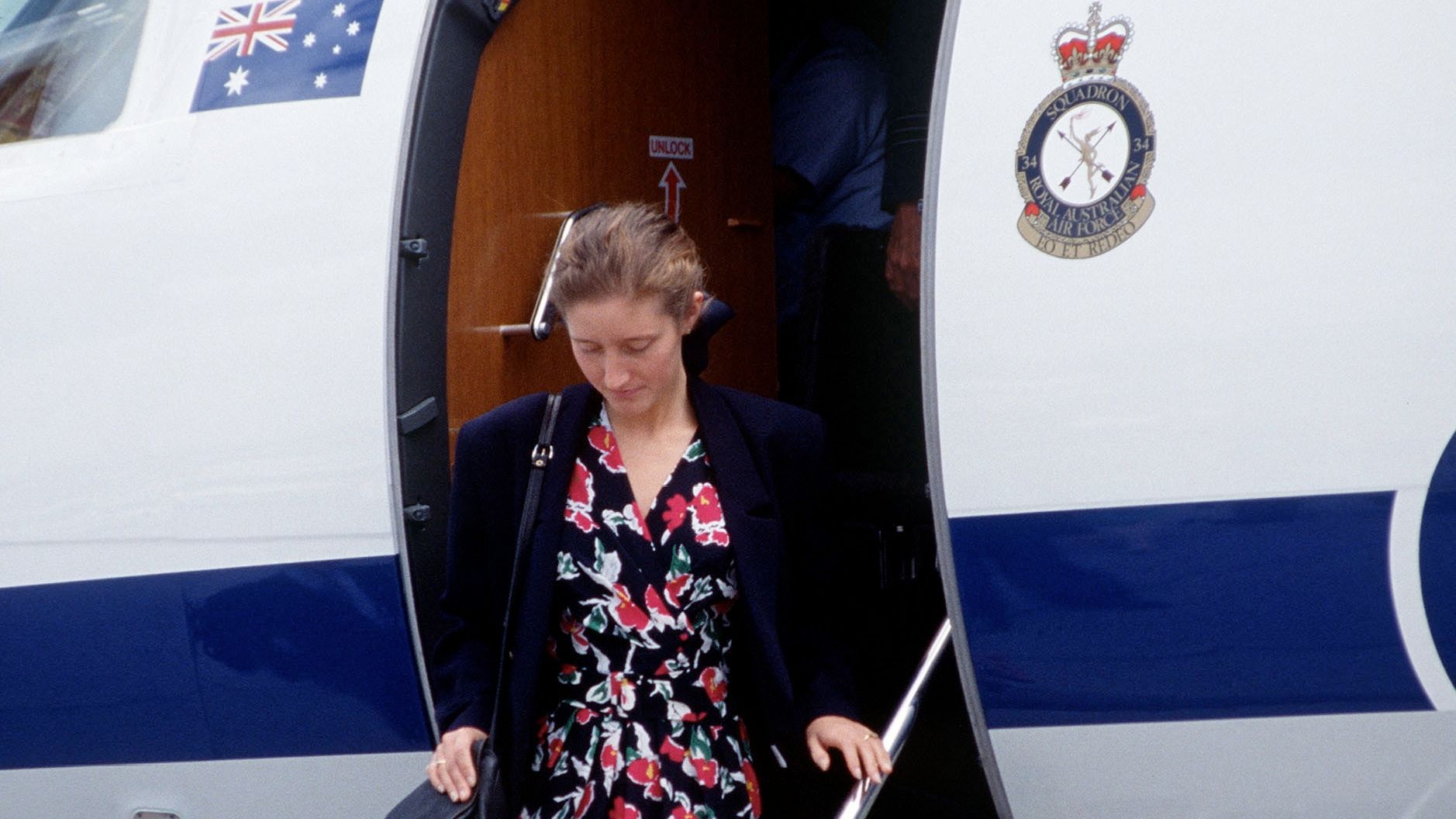
During her nine-year tenure as personal dresser to Sarah, Duchess of York, photographic depictions of Jane Andrews were primarily candid background images or public event photos. In this period, she appeared alongside members of the British royal family during official engagements, public appearances, and royal tours. These images are typically owned by royalty photographers, news syndicates, or press agencies operating under royal pool arrangements.
The Investigation and Trial Era (2000–2001)
Following the murder of Thomas Cressman in Fulham, West London, in September 2000, and the subsequent police search, arrest, and trial of Jane Andrews at the Old Bailey in London, visual documentation expanded dramatically. Images from this era fall into three distinct categories:
- Police Releases and Mugshots: Official custody photographs and missing person photos originally released by the Metropolitan Police Service.
- Press Arrival and Departure Photography: High-resolution press photography captured by photojournalists outside police stations, magistrate courts, and the Central Criminal Court (Old Bailey).
- Courtroom Sketches: Hand-drawn artistic depictions created during court proceedings, representing the primary visual documentation of the trial inside the courtroom.
Post-Conviction and Parole Era (2015–Present)
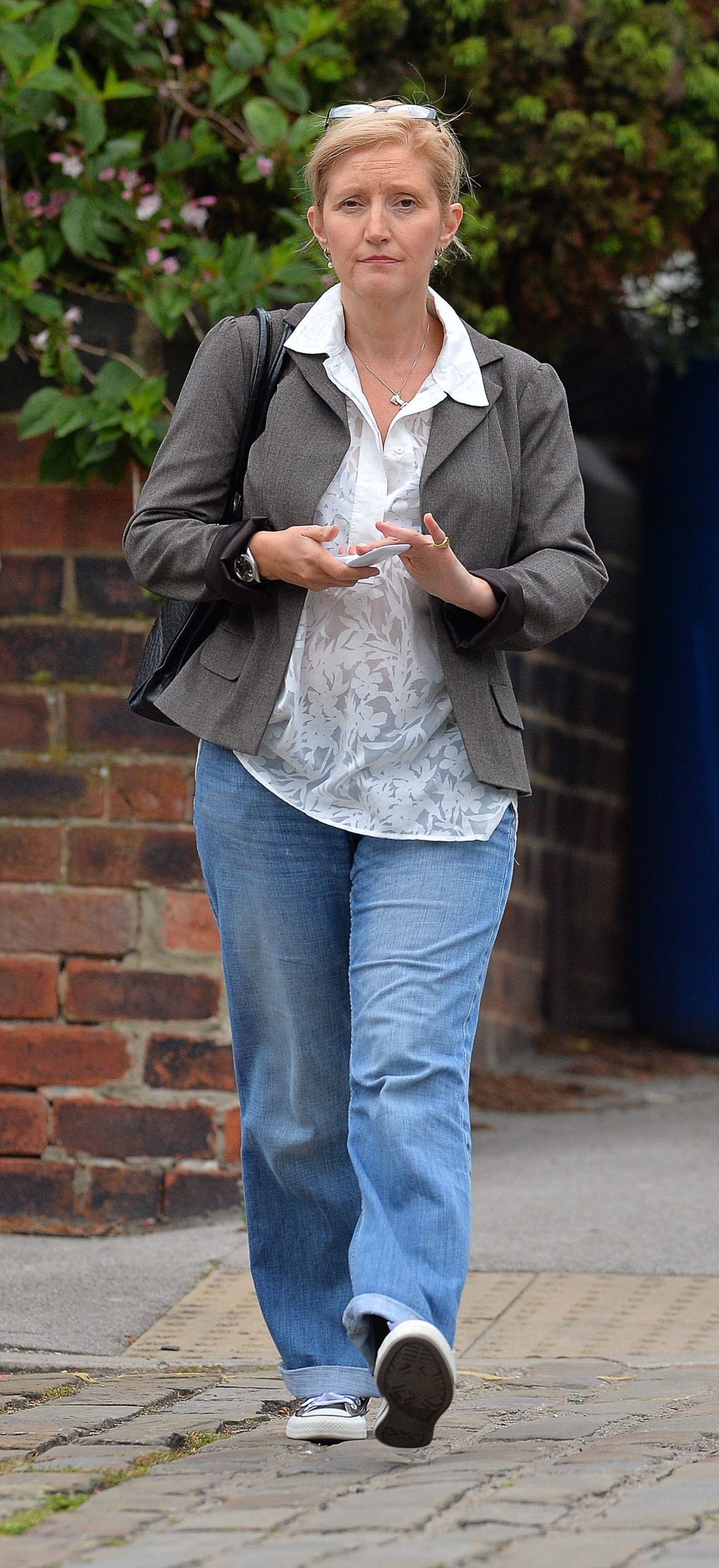
Following her initial release on parole in 2015, subsequent recall, and eventual release, occasional press photography has captured public sightings. These images are subject to heightened privacy laws, editorial standards, and media regulation guidelines established by independent press regulators.
Types of Available Visual Assets
When sourcing imagery of Jane Andrews for publication, broadcasting, or academic analysis, researchers encounter several standardized image formats, each bound by specific regulatory and technical parameters.
Visual Asset Categories for Historical Media Figures:
- Press & Telephoto Imagery (PA Media, Getty, Mirrorpix)
- Official Police Releases (Metropolitan Police Records)
- Courtroom Artist Sketches (Section 41 CJ Act 1925)
- Broadcast News Footage Stills (BBC, ITV Archive)
1. Press and Telephoto Photography
The majority of clear, high-resolution photographs of Jane Andrews were taken by professional news photographers. These assets document her attendance at public royal events during the 1990s and her transport to legal proceedings in 2000 and 2001. News syndicates hold the master digital files and original physical negatives for these images.
2. Courtroom Artist Sketches
Under Section 41 of the Criminal Justice Act 1925 in England and Wales, taking photographs or making sketches inside a courtroom or court building with a view to publication is strictly illegal. As a result, visual records of courtroom testimony, jury deliberations, and sentencing at the Old Bailey were created entirely by accredited court sketch artists. These sketches are preserved in press agency archives and television news repositories.
3. Police and Official Public Records
During the active missing-person search and subsequent homicide investigation in late 2000, police authorities issued reference photographs to aid in locating Andrews. While these images were distributed widely to the media at the time, their subsequent republication is governed by Crown copyright principles, police press office guidelines, and fair dealing provisions for news reporting.
Legal Framework: Copyright, Licensing, and Usage Restrictions
Using archived photographs of real individuals—particularly those involved in criminal justice proceedings—requires strict adherence to intellectual property laws, privacy regulations, and editorial licensing requirements.
Editorial vs. Commercial Licensing
Images of Jane Andrews are classified strictly for Editorial Use Only. This distinction is critical for content creators:
- Editorial Use Allowed: News reporting, educational textbooks, historical documentaries, non-fiction books, and academic research papers. The context must be educational, news-oriented, or commentary-based.
- Commercial Use Strictly Prohibited: Advertising campaigns, product packaging, commercial promotional materials, merchandise, or endorsement imagery. Using an individual's likeness or news photographs for commercial gain without explicit release waivers creates severe legal exposure under right-of-publicity claims, trademark infringement laws, and passing-off torts.
Copyright Ownership and Duration
Under the Copyright, Designs and Patents Act 1988, photographs created by news photojournalists remain under copyright protection for the lifetime of the photographer plus 70 years. Copying an image from an online search engine, social media platform, or secondary website without obtaining a proper license from the rights holder constitutes copyright infringement.
Privacy and Rehabilitation Considerations
In the United Kingdom, media publishers must also account for regulatory frameworks enforced by the Independent Press Standards Organisation (IPSO) and statutory rules regarding privacy under the Human Rights Act 1998. Reporting on past criminal convictions must remain factual and accurate, avoiding misleading headlines or context that could trigger defamation claims.
Primary Archives for Sourcing Authentic Images
To legally license high-resolution photographs or courtroom sketches of Jane Andrews, creators should query established media licensing platforms.
1. PA Media (Formerly Press Association)
As the national news agency of the UK and Ireland, PA Media holds the most comprehensive original photo archive of UK court cases from the late 1990s and early 2000s. PA photographers covered the key court dates, police briefings, and royal assignments associated with Jane Andrews.
2. Getty Images
Getty Images maintains an extensive editorial database incorporating wire services, news agencies, and historical picture collections (such as the Express Newspapers and Hulton Archives). Users can search for rights-managed editorial licenses based on platform usage, geographical distribution, and publication run sizes.
3. Shutterstock Editorial (Rex Features)
Rex Features, integrated into Shutterstock Editorial, specializes in UK entertainment, press, and historic news archives. It contains significant photo coverage of royal personnel, including background media from the Duchess of York’s household during the 1990s.
4. Mirrorpix (Reach plc Archive)
Mirrorpix manages the photographic archives of major national British newspapers, including the Daily Mirror and Sunday Mirror. It provides historical press photography documenting UK crime coverage, courtroom arrivals, and public interest stories from 2000 and 2001.
Comparative Overview of Image Repositories
The following table summarizes the primary archival platforms, asset availability, typical licensing models, and standard requirements for obtaining visual content relating to Jane Andrews.
| Repository / Archive | Primary Content Types | Licensing Model | Best Suited For | Access Requirements |
|---|---|---|---|---|
| PA Media Images | Court arrival photos, press conferences, UK news archives | Rights-Managed Editorial | Documentaries, UK print news, book publishing | Registered editorial account; fee per placement |
| Getty Images | Royalty event photos, historical press shots, court sketches | Editorial License (Single/Multi-use) | International broadcasting, digital media, film | Corporate/editorial account; web checkout |
| Shutterstock Editorial (Rex) | Royal household coverage, general news press photos | Editorial License | Magazine features, online journalism, news blogs | Editorial account subscription or credit pack |
| Mirrorpix | Historic British newspaper photography, archival prints | Editorial Rights-Managed | British history retrospectives, print media | Online license registration and fee payment |
| British Library Newspapers | Digitized historic newspaper layouts, print illustrations | Academic / Educational Consultation | Historical research, scholarly publications | Library card access / microfiche research |
Step-by-Step Guide to Licensing Imagery Legally
To avoid copyright claims, legal disputes, or takedown notices when utilizing historical press photography, follow a structured acquisition procedure:
Step 1: Define the Intended Scope of Use
Determine exactly how the image will be published. Specify the medium (print, digital, broadcast TV, film), distribution territory (UK only, North America, Worldwide), duration of use (1-year license, 5-year license, perpetuity), and expected impression count or print run.
Step 2: Search Verified Editorial Repositories
Query editorial search engines using precise metadata keywords such as Jane Andrews 2001 trial, Jane Andrews royal dresser, or Jane Andrews Old Bailey. Avoid general web searches that return uncredited, low-resolution secondary copies.
Step 3: Verify the Rights Holder and Credit Line Requirements
Ensure the licensing agency possesses the master editorial distribution rights. Review the mandatory attribution string—such as Photo by [Photographer Name]/PA Images via Getty Images—which must accompany publication under standard license contracts.
Step 4: Complete the Rights-Managed Agreement
Purchase the appropriate editorial license. Download the high-resolution source file directly from the supplier. Retain the invoice, licensing agreement, and transaction ID as proof of compliance in your production legal clearance records.
Common Pitfalls and Legal Risks
Publishers, film researchers, and content creators often encounter legal traps when dealing with archival crime and press photography.
Risk Checklist for Utilizing Archival Media:
Hotlinking or Web Scraping (Copyright Infringement)
Using Editorial Assets in Promotional Contexts
Omitting Mandatory Photographer Attributions
Neglecting Privacy & Defamation Context Check
Assuming Internet Images are Free: Images indexed on search engines or hosted on discussion boards are protected by copyright. Downloading and republishing them without a explicit license exposes publishers to statutory copyright damages.
Misleading Captions and Defamation: Presenting a historical photograph with an inaccurate or sensationalized caption can lead to defamation claims. Ensure captions accurately describe the date, location, and context of the image.
Using Watermarked or Comp Images: Publishing low-resolution preview images containing agency watermarks without licensing the high-resolution master file violates terms of service and triggers immediate copyright claims from photo syndicates.
Commercial Misuse: Placing a photograph of a criminal justice subject on commercial merchandise or promotional materials without release agreements invites legal action for right of publicity violations and invasion of privacy.
Frequently Asked Questions
Where can I find official court sketches of the Jane Andrews trial?
Official courtroom sketches created during the 2001 trial at the Old Bailey are held within the editorial collections of PA Media, Getty Images, and national television news archives such as the BBC and ITV. Because photography inside courtroom buildings is illegal in England and Wales under Section 41 of the Criminal Justice Act 1925, these drawings represent the only visual documentation of courtroom proceedings.
Are photographs of Jane Andrews available in the public domain?
No. News photographs taken during the 1980s, 1990s, and 2000s remain under copyright protection for 70 years after the photographer's death under UK copyright law. Unless explicit copyright abandonment has occurred, all commercial and press photographs of Jane Andrews remain fully copyrighted by their respective photographers or press agencies.
Can I use images of Jane Andrews under Fair Dealing for news reporting?
Section 30 of the Copyright, Designs and Patents Act 1988 provides a limited "fair dealing" exception for reporting current events or providing criticism and review. However, this exception rarely protects the unauthorized use of commercial news photographs, as licensed photographic archives exist specifically for this purpose. Using an unlicensed high-resolution press photo often fails the fair dealing test if a commercial licensing path was readily available.
Can images of Jane Andrews be used for commercial products or advertising?
No. Editorial images of real individuals—especially those involved in criminal trials—cannot be used for commercial endorsements, advertising campaigns, or commercial products. Editorial licenses strictly limit image use to news reporting, documentary filmmaking, academic writing, and educational publishing.
How much does it cost to license a press image of Jane Andrews?
Licensing costs depend entirely on the scope of publication. A single-use digital license for a small news website may cost between $30 and $100, whereas worldwide print rights for a hardcover book or global broadcast rights for a television documentary series can range from several hundred to thousands of dollars per image.
Recommended Next Steps for Media Creators and Researchers
When preparing to publish visual content relating to Jane Andrews, take the following actions:
- Audit Visual Needs: Determine whether your project requires photographic press imagery, official police reference photos, or court sketches.
- Establish Editorial Compliance: Confirm that your project is non-commercial, educational, or news-oriented to qualify for standard editorial licensing.
- Query Accredited Agencies: Contact PA Media or Getty Images to search their historical archives for rights-cleared master files.
- Archive Documentation: Maintain clear legal clearance files containing proof of payment, licensing scope contracts, and mandatory photo credit requirements.
Image Gallery