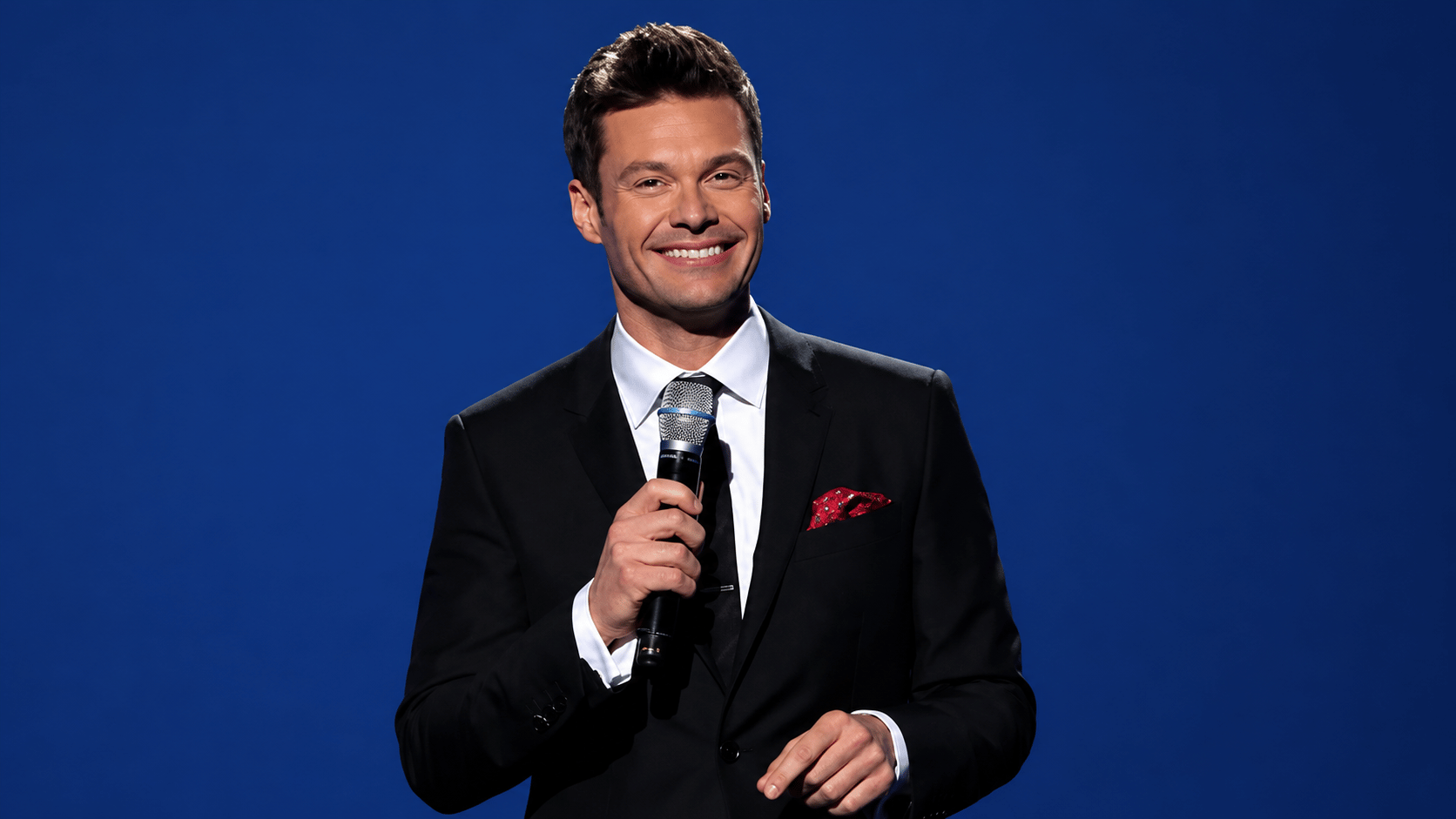
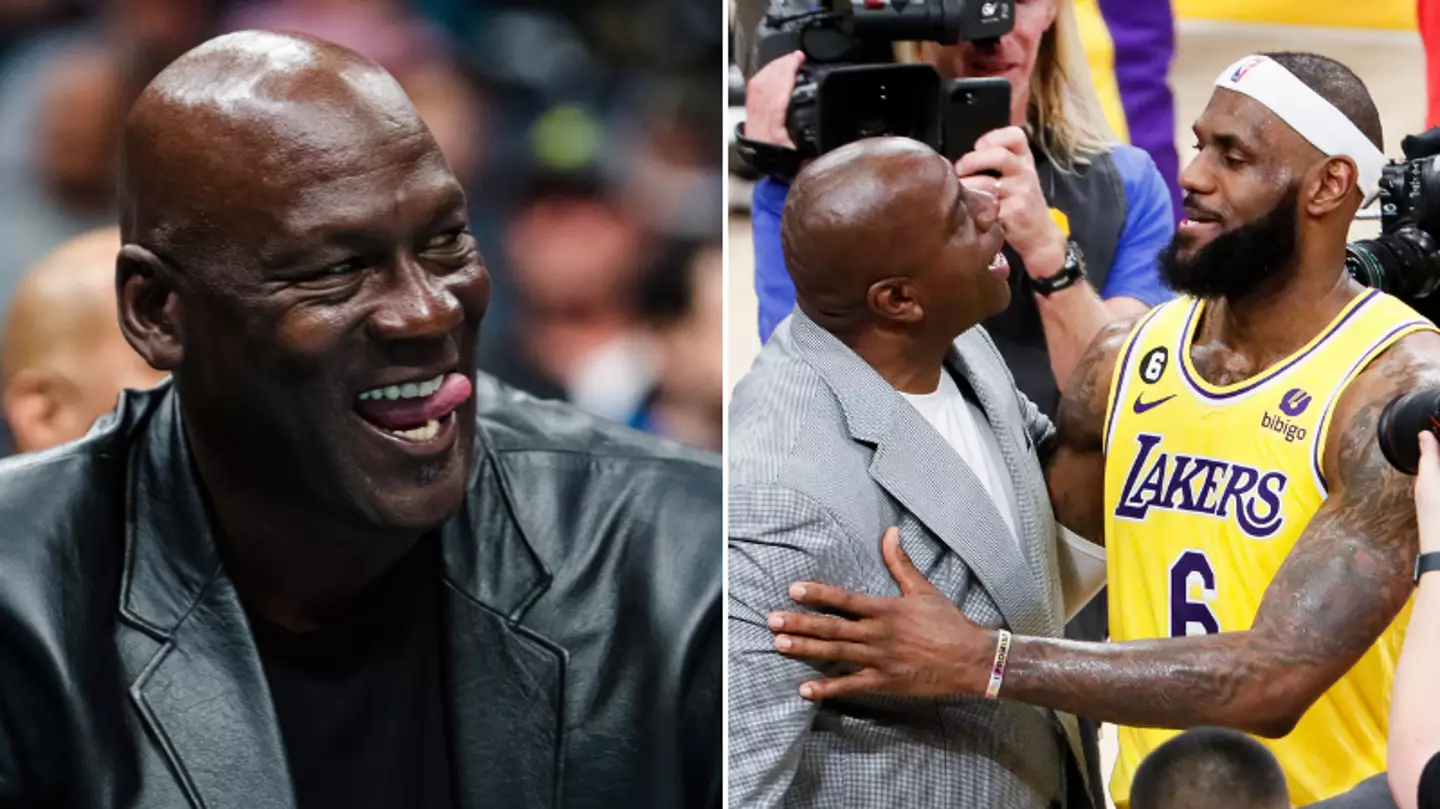
Ryan Seacrest and Michael Jordan Net Worth Comparison: Media Mogul vs. Sports Icon
As of 2026, Michael Jordan's estimated net worth stands at approximately $3.5 billion, while Ryan Seacrest’s net worth is estimated between $450 million and $500 million. Although both represent the pinnacle of commercial success withi...
As of 2026, Michael Jordan's estimated net worth stands at approximately $3.5 billion, while Ryan Seacrest’s net worth is estimated between $450 million and $500 million. Although both represent the pinnacle of commercial success within their respective industries, Jordan’s fortune was supercharged by long-term equity appreciation and brand royalties, whereas Seacrest’s wealth relies on high-yield broadcasting contracts and executive production revenue.
Contents
Net Worth Comparison at a Glance
Comparing the financial profiles of Michael Jordan and Ryan Seacrest highlights two entirely different models of wealth accumulation: high-margin enterprise equity and brand licensing versus multi-stream labor compensation, media syndication, and production backend fees.
| Financial Metric | Michael Jordan | Ryan Seacrest |
|---|---|---|
| Estimated Net Worth | ~$3.5 Billion | ~$450 Million – $500 Million |
| Primary Industry | Sports, Brand Licensing, Private Equity | Mass Media, Television Hosting, Production |
| Top Wealth Driver | Jordan Brand Nike Royalties (~$250M+/year) | Multi-Year Broadcast Contracts & Syndication |
| Major Liquidity Event | Sale of Charlotte Hornets majority stake ($3B valuation) | Sale of Ryan Seacrest Productions backend stakes |
| Key Active Roles | Owner (23XI Racing), Brand Partner, Investor | Host (Wheel of Fortune, American Idol, iHeartMedia) |
| Wealth Structure | Asset appreciation, passive royalties, equity | Salary, production backend, real estate holdings |
Michael Jordan’s Wealth Engine: From NBA Royalty to Multi-Billionaire
Michael Jordan’s journey from superstar athlete to billionaire business mogul established a playbook for modern athlete-investors. While Jordan earned under $100 million in total player salary during his 15-season NBA career, his post-retirement wealth accumulation exploded through asset appreciation and perpetual licensing revenue.
- MICHAEL JORDAN'S WEALTH ENGINE
- PERPETUAL ROYALTIES
- Nike / Jordan Brand
- Est. $250M-$300M+ Annually
- Passive cash flow stream
- EQUITY & APPRECIATION
- Charlotte Hornets Sale (Acquired $275M -> $3B val)
- 23XI Racing & Tech Equity
- PERPETUAL ROYALTIES
The Nike & Jordan Brand Royalty Ecosystem
The bedrock of Michael Jordan’s net worth is his lifetime agreement with Nike, originally signed in 1984. Rather than accepting a standard endorsement fee, Jordan’s team negotiated a revenue-sharing model on the Jordan Brand line of footwear and apparel.
According to Nike’s annual financial reporting, the Jordan Brand generates over $6 billion in annual revenue. Because Jordan receives an estimated royalty rate of approximately 5%, his annual payout from Nike typically ranges between $250 million and $300 million or more. This recurring annual royalty exceeds the entire career playing salary of almost every current NBA athlete, providing Jordan with unmatched cash flow to deploy into private equity and capital investments.
The Charlotte Hornets Liquidity Event
Jordan’s most significant wealth-building transaction occurred in the domain of professional sports ownership:
- Initial Acquisition (2010): Jordan purchased a controlling majority stake in the NBA’s Charlotte Hornets (then Bobcats) for an enterprise valuation of roughly $275 million.
- Capital Growth: Over a 13-year period, rising sports broadcasting rights deals and international expansion drove NBA franchise valuations to historical highs.
- Majority Sale (2023): Jordan sold his majority stake in the franchise to an investor group led by Gabe Plotkin and Rick Schnall at a valuation of $3 billion, while retaining a minority equity stake.
This single transaction realized billions in capital gains, solidifying his status in the top tier of billionaire figures worldwide.
Venture Capital and Strategic Holdings
Beyond Nike and team ownership, Jordan has systematically deployed capital into high-growth sectors:
- Motorsports: Co-owner of 23XI Racing in the NASCAR Cup Series alongside driver Denny Hamlin.
- Spirits Industry: Co-founder of Cincoro Tequila, a luxury tequila brand launched alongside fellow sports team owners.
- Technology & Gaming: Early equity stakes in sports data company Sportradar, sports betting operator DraftKings, and various esports and web3 platforms.
Ryan Seacrest’s Financial Empire: The Media Workhorse
Ryan Seacrest built his fortune through a relentless work ethic and multi-platform presence across network television, syndication radio, and executive television production. Unlike Jordan, whose wealth centers on equity asset appreciation, Seacrest built his net worth primarily by monetizing his time, talent, and production infrastructure across multiple channels simultaneously.
High-Yield Hosting Contracts and Syndication
Seacrest has been one of the highest-paid broadcast personalities in media history. His core income stream is derived from anchor talent contracts across national television and radio networks:
- American Idol: As the original host of the franchise since 2002, Seacrest’s annual contract reached upwards of $15 million per season during peak broadcast cycles.
- Wheel of Fortune: Stepping into the hosting role following Pat Sajak's retirement, Seacrest secured a long-term lucrative contract cementing his position in prime-time daily syndication.
- iHeartMedia & Syndicated Radio: Hosting On Air with Ryan Seacrest and American Top 40, Seacrest signed multi-year deals with iHeartMedia estimated at $15 million to $25 million annually.
- Dick Clark’s New Year’s Rockin’ Eve: Serving as host and executive producer, this holiday classic adds consistent annual production and hosting revenue.
Ryan Seacrest Productions (RSP)
Recognizing that on-camera talent fees face natural ceilings, Seacrest launched Ryan Seacrest Productions (RSP) in 2006 to capture backend producer fees and content ownership.
RSP scored a major commercial success by producing Keeping Up with the Kardashians and its numerous spin-offs for the E! Network. The massive international popularity of the franchise generated lucrative production fees, international distribution rights, and backend royalties. Seacrest later sold a minority stake in RSP to standard corporate entities and private investments, monetizing the production company's operational cash flow.
Real Estate Investments and Lifestyle Brands
Seacrest has maintained an active high-end real estate portfolio, acquiring, redesigning, and selling luxury residential properties in Beverly Hills, Los Angeles, and New York City.
Notable transactions include buying Ellen DeGeneres’ former Beverly Hills estate for around $37.5 million in 2012 and selling it a decade later for approximately $51 million. Additionally, Seacrest launched consumer ventures such as the Ryan Seacrest Distinction clothing line and skin care lines, further diversifying his income beyond basic hosting compensation.
Key Structural Differences in Wealth Creation
Analyzing why Michael Jordan’s net worth is roughly seven times larger than Ryan Seacrest’s reveals fundamental principles of corporate finance, scaling, and taxation.
- ROYALTIES & EQUITY APPRECIATION (Jordan) [Scale Unlimited by Time]
- Jordan Brand Royalties ($250M+/yr passive flow)
- Franchise Value Escalation ($275M to $3B)
- High Capital Gains Treatment
- HIGH-SALARY & PRODUCTION FEES (Seacrest) [Scale Limited by Personal Time & Bandwidth]
- Multi-contract Hosting ($50M+/yr total labor)
- Content Backend & Executive Producer Fees
- Standard Ordinary Income Tax Structures
1. Labor vs. Equity
Ryan Seacrest generates exceptional income, earning an estimated $50 million to $75 million annually at peak operational capacity across all media platforms. However, his earnings remain fundamentally tied to personal output—he must physically record radio shows, host live broadcasts, and oversee daily operations.
Conversely, Michael Jordan receives passive royalty revenue from the sale of Jordan Brand products worldwide. He does not need to perform physical labor to generate hundreds of millions of dollars annually, enabling his wealth to compound effortlessly.
2. Market Valuation of Professional Sports Teams
Over the past two decades, professional sports franchises transformed from localized media properties into scarce, premier global enterprise assets. Jordan’s purchase of the Charlotte Hornets coincided with an unprecedented boom in sports media rights fees paid by networks and streaming entities. This macro shift allowed his initial investment to compound at an extraordinary rate.
3. Tax Efficiency and Asset Class
A large portion of Seacrest’s compensation comes as ordinary income from W-2 or corporate contracts, subject to top-tier federal and state income tax rates (which can exceed 50% combined in jurisdictions like California).
Jordan’s major wealth jumps, such as the sale of the Hornets, are taxed under capital gains structures. Furthermore, ongoing royalties structured through master licensing agreements offer distinct tax-planning flexibility.
Key Lessons for Business and Brand Building
The contrasting career trajectories of Jordan and Seacrest offer clear strategic insights for entrepreneurs, media professionals, and executives looking to maximize long-term enterprise value.
Leverage Personal Brand into Ownership
Ryan Seacrest successfully transitioned from an on-air presenter to an executive producer by establishing Ryan Seacrest Productions. By retaining production ownership of unscripted television shows, he ensured that his income wasn't solely reliant on host talent contracts.
Negotiate Royalty Revenue Share Over Fixed Fees
Michael Jordan’s initial contract decision to favor royalties over a flat cash payout from Nike remains one of the most profitable business decisions in sports history. When offering high-value intellectual property or personal brand equity, securing a percentage of top-line revenue scales infinitely better than accepting fixed annual performance rates.
Diversify Across Non-Correlated Asset Classes
Both figures reinvested their primary cash flows into secondary markets to protect and multiply their wealth:
- Seacrest utilized luxury real estate investments to lock in long-term asset value.
- Jordan expanded into tech startups, spirits companies, and NASCAR racing, spreading risk while creating new upside opportunities.
Frequently Asked Questions
What is Michael Jordan's net worth in 2026?
Michael Jordan’s net worth is estimated at approximately $3.5 billion. The vast majority of his fortune stems from annual Jordan Brand royalties from Nike and the multi-billion-dollar sale of his majority stake in the NBA's Charlotte Hornets.
What is Ryan Seacrest's net worth in 2026?
Ryan Seacrest’s net worth is estimated to be between $450 million and $500 million. His earnings come from major hosting contracts (American Idol, Wheel of Fortune, iHeartMedia), executive production profits, and real estate investments.
Why is Michael Jordan so much richer than Ryan Seacrest?
While Ryan Seacrest is one of the wealthiest media personalities in history, his wealth is built primarily on salary and production income, which faces natural scaling limits. Michael Jordan built his fortune on equity appreciation (the Charlotte Hornets franchise value rising from $275 million to $3 billion) and perpetual global royalties from Nike.
How much does Ryan Seacrest make per year?
Depending on active broadcast contracts and production schedules, Ryan Seacrest earns an estimated $50 million to $75 million per year across his hosting roles on television and radio, alongside backend executive producer revenues.
How much does Michael Jordan make from Nike annually?
Michael Jordan receives an estimated 5% royalty on all Jordan Brand sales, yielding an annual payout between $250 million and $300 million or more, depending on Nike's global retail performance.
Strategic Takeaways
When evaluating the wealth profiles of Michael Jordan and Ryan Seacrest, the primary financial lesson lies in the difference between high earnings and long-term equity compounding.
To maximize net worth over a long horizon, individuals and business leaders should aim to transition high-yield labor income into non-liquid asset equity, revenue-share licensing models, and scalable investments. While continuous high-fee execution can build hundreds of millions in net worth, asset appreciation and automated royalties are what ultimately create multi-billion-dollar legacies.
Disclaimer: Net worth figures, annual compensation rates, and corporate valuations referenced in this article are derived from publicly available financial disclosures, corporate filings, standard reporting estimates, and independent business analyses. Financial values fluctuate based on market movements, private equity valuations, and macroeconomic conditions.
Image Gallery