Eliud Kipchoge Net Worth and Earnings: The Financial Legacy of a Marathon Legend
As of 2026, Eliud Kipchoge’s net worth is estimated to be between $10 million and $15 million. This wealth is the result of over two decades of elite competition, including multiple Olympic gold medals, world record bonuses, and lucrat...
As of 2026, Eliud Kipchoge’s net worth is estimated to be between $10 million and $15 million. This wealth is the result of over two decades of elite competition, including multiple Olympic gold medals, world record bonuses, and lucrative long-term partnerships with global brands such as Nike, INEOS, and COROS.
Contents
Eliud Kipchoge is widely regarded as the greatest marathoner in history. Beyond his physical prowess and the historic feat of running a sub-two-hour marathon, his financial trajectory offers a fascinating case study in how an endurance athlete can build a multi-million-dollar brand. Unlike athletes in team sports with guaranteed contracts, Kipchoge’s earnings are a complex tapestry of race winnings, performance-based bonuses, and high-value endorsement deals that have endured long past the typical peak of a distance runner.
The Foundations of Kipchoge’s Wealth: Race Prize Money
While professional marathon running does not offer the astronomical salaries found in the NBA or European football, the elite tier of the sport is highly lucrative. Kipchoge’s primary source of early wealth came from the Abbott World Marathon Majors (WMM). This series includes races in Tokyo, Boston, London, Berlin, Chicago, and New York City.
For a victory at a Major, the prize money typically ranges from $50,000 to $100,000. Kipchoge has won the London Marathon four times and the Berlin Marathon five times, consistently securing the top payout. Furthermore, the WMM awards a series jackpot—historically $250,000—to the top male and female runners of the season. Kipchoge has claimed this jackpot multiple times, cementing his status as the highest-earning marathoner of his generation.
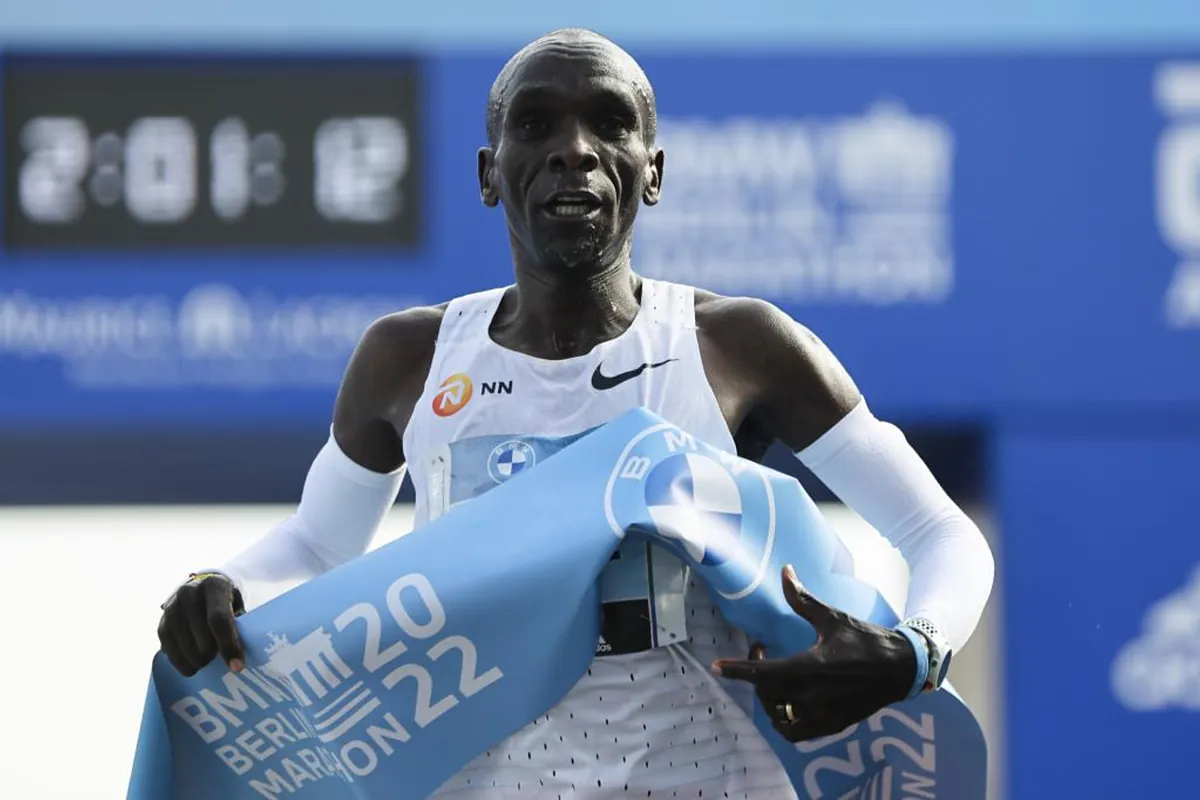
Beyond the base prize money, time bonuses play a critical role. Major marathons offer significant financial incentives for breaking course records or world records. When Kipchoge shattered the world record in Berlin in 2018 (2:01:39) and again in 2022 (2:01:09), these performances triggered substantial "time-incentive" clauses in his race contracts, often exceeding the winner’s prize purse itself.
Appearance Fees: The "Kipchoge Premium"
For race organizers, having Eliud Kipchoge on the start line is a guaranteed way to generate international media coverage and increase sponsorship value. Consequently, he commands one of the highest appearance fees in the history of track and field.
Top-tier marathons pay elite athletes "appearance money" simply to show up, regardless of where they finish. While these figures are rarely disclosed publicly due to confidentiality clauses, industry analysts estimate that Kipchoge’s appearance fee for a Major Marathon is in the range of $500,000 to $1 million. This fee ensures that even if a race does not go according to plan, the athlete’s time and brand value are compensated. This "Kipchoge Premium" has allowed him to accumulate wealth that far outstrips his peers who rely solely on prize money.
The Nike Partnership and the Breaking2 Project
The most significant contributor to Eliud Kipchoge’s net worth is his long-standing relationship with Nike. Since the early 2000s, Kipchoge has been a flagship athlete for the brand. This partnership reached a pinnacle with the "Breaking2" project in 2017 and the subsequent development of the Alphafly and Vaporfly shoe lines.
Kipchoge is not merely a sponsored runner; he is a central figure in Nike’s research and development. This deep integration has resulted in a multi-year contract that includes a significant annual retainer, performance bonuses, and royalties from the "EK Collection"—a specialized line of running apparel and footwear bearing his initials and personal philosophy. In 2026, even as he nears the sunset of his competitive career, his role as a global brand ambassador for Nike remains a foundational element of his annual income.
Global Endorsements and Diversified Income
Kipchoge’s marketability extends far beyond footwear. He has carefully curated a portfolio of partners that align with his image of discipline, humility, and "No Human Is Limited" philosophy.
- INEOS: The chemical giant sponsored the historic 1:59 Challenge in Vienna. This partnership continued into 2026, with Kipchoge acting as an ambassador for their various sporting and environmental initiatives.
- COROS: As a tech partner, COROS provides the data analytics Kipchoge uses for training. His signature edition watches have been top-sellers in the endurance market.
- Maurten: The sports nutrition brand that pioneered hydrogel technology has Kipchoge as its most prominent user and spokesperson.
- Isuzu East Africa: Domestically in Kenya, Kipchoge has a high-profile partnership with Isuzu, which has seen him receive several custom vehicles in recognition of his achievements.
- Safaricom (M-Pesa): As the face of Kenya’s largest telecommunications firm, he connects with a massive domestic audience, bridging the gap between global stardom and local relevance.
| Income Category | Estimated Annual Value (Peak Years) | Primary Sources |
|---|---|---|
| Race Prize Money | $150,000 - $300,000 | WMM wins and series jackpots |
| Appearance Fees | $500,000 - $1,500,000 | London, Berlin, and Tokyo Marathons |
| Nike Endorsement | $2,000,000 - $4,000,000 | Retainer, bonuses, and "EK Collection" royalties |
| Other Endorsements | $1,000,000 - $2,000,000 | INEOS, COROS, Maurten, Isuzu |
| Investments | $200,000 - $500,000 | Real estate and commercial agriculture |
Investments and Financial Management in Kenya
Eliud Kipchoge is known for a lifestyle that remains remarkably simple despite his wealth. He continues to spend much of his year at the Kaptagat training camp, living in a modest dormitory with his teammates. However, his financial management is sophisticated.
Kipchoge has invested heavily in real estate and commercial agriculture within Kenya. He owns significant tracts of land in the Uasin Gishu and Nandi counties, which are used for both tea and maize production. Furthermore, he has invested in commercial properties in Eldoret, a city known as the "Home of Champions," where many successful Kenyan athletes park their earnings.
These investments provide a "passive income" stream that will support his family and his philanthropic efforts long after he stops competing. By diversifying into tangible assets, Kipchoge has protected his wealth against the volatility of the sports marketing industry.
The Eliud Kipchoge Foundation and Philanthropy
In recent years, a portion of Kipchoge’s earnings has been directed toward the Eliud Kipchoge Foundation. The foundation focuses on two primary pillars: education and environmental conservation.
The foundation has funded the construction of school libraries and provided scholarships for underprivileged children in rural Kenya. Additionally, Kipchoge is a vocal advocate for reforestation, using his platform to encourage the planting of millions of trees. While these activities do not add to his net worth, they represent the "social capital" he has built, which enhances his long-term value as a global statesman and ambassador for international organizations like the UN.
Comparison with Other Elite Athletes
When comparing Eliud Kipchoge's net worth to other track and field icons, he sits at the very top of the distance-running pyramid. However, track and field generally lags behind sprinting in terms of raw commercial power. For instance, Usain Bolt’s net worth was estimated to be significantly higher (upwards of $90 million) during his peak, largely due to the "rock star" appeal of the 100m sprint and massive deals with Puma and Gatorade.
Nevertheless, Kipchoge’s financial longevity is superior. Marathoners can compete at a world-class level well into their late 30s or even early 40s, whereas sprinters typically see a sharp decline after 30. This decade of additional peak-earning years has allowed Kipchoge to accumulate a fortune that is nearly unprecedented for a marathoner.
Frequently Asked Questions
How much did Eliud Kipchoge earn for the sub-two-hour marathon?
While the exact figure paid by INEOS for the 1:59 Challenge in 2019 was not disclosed, it is estimated that Kipchoge received a multi-million-dollar payout. This was not a "prize" in the traditional sense but a commercial performance fee for an event specifically designed to showcase his talent and the technical capabilities of his sponsors.
Is Eliud Kipchoge the richest athlete in Kenya?
He is among the wealthiest athletes in Kenya, though he may be rivaled by top-tier distance runners who have had long careers and extensive real estate portfolios, as well as some high-earning Kenyan footballers playing in European leagues. However, in terms of global brand recognition and endorsement value, he is undoubtedly Kenya’s most successful sporting export.
Does Eliud Kipchoge get paid for his Olympic medals?
The International Olympic Committee (IOC) does not pay prize money for medals. However, the Kenyan government traditionally awards bonuses to gold medalists (approximately $10,000 - $30,000). The real financial gain comes from the "Gold Medal" clauses in his contracts with Nike and other sponsors, which can trigger bonuses worth hundreds of thousands of dollars.
How has his net worth changed since 2024?
Since 2024, Kipchoge’s net worth has seen steady growth. While his frequency of racing has decreased as he entered the final phase of his competitive career, his "legacy" contracts with Nike and INEOS have transitioned into more ambassadorial roles, ensuring a consistent inflow of capital without the same physical toll of three-marathon years.
Final Perspective: The Value of Longevity
Eliud Kipchoge’s net worth is a testament to the power of consistency and character. In a sport where many athletes burn out after a few years of high-intensity racing, Kipchoge has maintained his elite status for over 20 years. His earnings reflect more than just his speed; they reflect his reliability as a brand partner and his role as a global icon of human potential.
For those looking to understand the business of endurance sports, Kipchoge’s model—combining elite race performance with deep, multi-year brand integrations and conservative local investments—is the gold standard. His financial legacy is secure, ensuring that he will remain a person of significant influence in both the sporting and business worlds for decades to come.
Image Gallery