How the Around the World Currency System Works: A 2026 Guide to Global Exchange
The around the world currency system operates as a decentralized network of reserve currencies, international accounting units, and digital settlement layers that facilitate global trade. Rather than a single physical banknote used in...
The around the world currency system operates as a decentralized network of reserve currencies, international accounting units, and digital settlement layers that facilitate global trade. Rather than a single physical banknote used in every country, it functions through the dominance of "reserve currencies" like the US Dollar and the Euro, supplemented by the International Monetary Fund’s (IMF) Special Drawing Rights (SDR) and modern Central Bank Digital Currencies (CBDCs).
Contents
The Architecture of Global Reserve Currencies
To understand how a "world currency" works, one must first recognize that the global economy does not rely on a single central bank. Instead, it relies on a hierarchy of currencies. For a currency to function "around the world," it must possess high liquidity, stability, and wide acceptance in international debt markets.
As of 2026, the US Dollar (USD) remains the primary global reserve currency. This means that central banks around the world hold significant portions of their foreign exchange reserves in USD. The "work" of the dollar on a global scale involves its use as the "unit of account" for major commodities, such as oil and gold. When a country in South America buys oil from a country in the Middle East, the transaction is typically denominated and settled in US Dollars, even though neither country uses the dollar as its domestic tender.
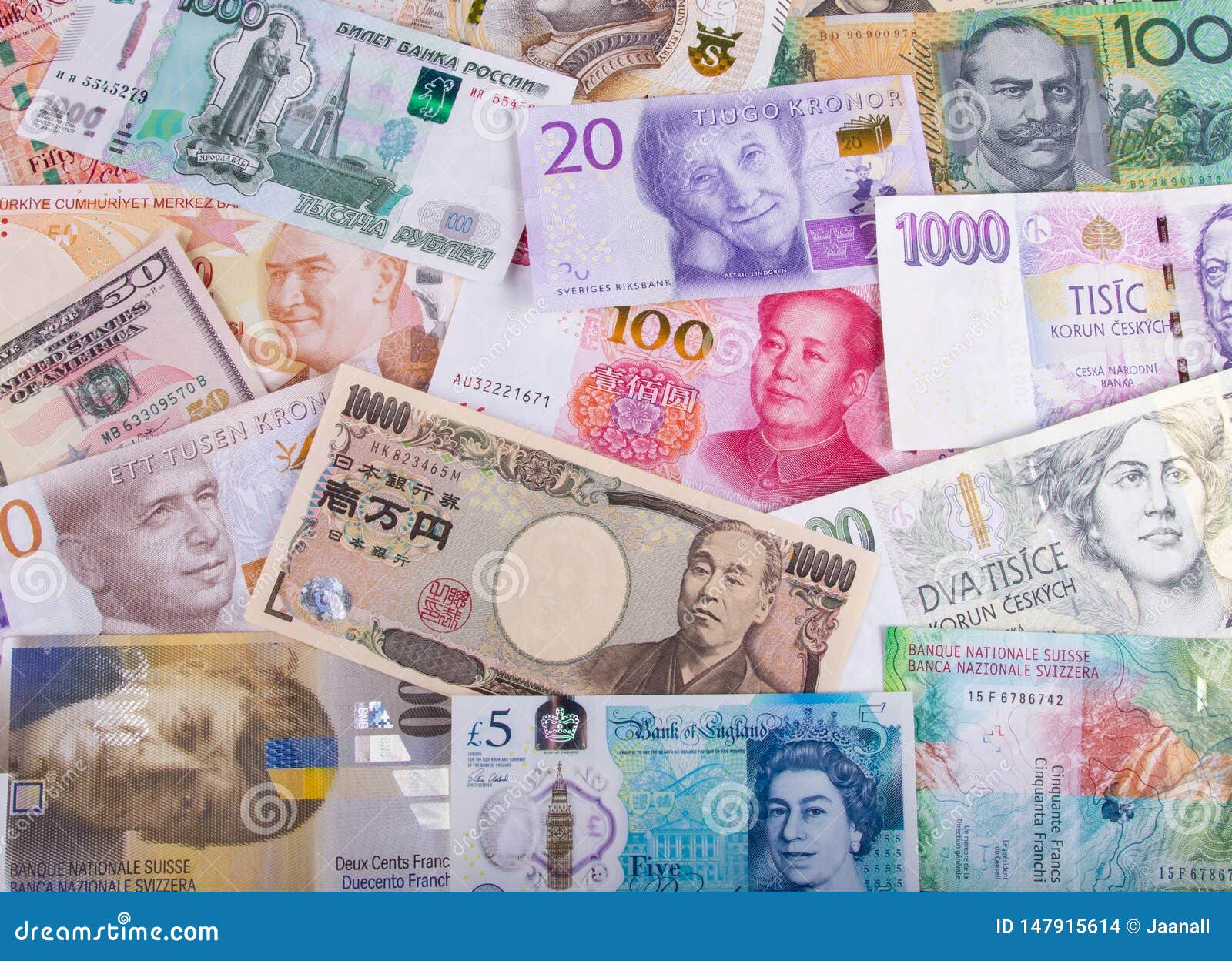
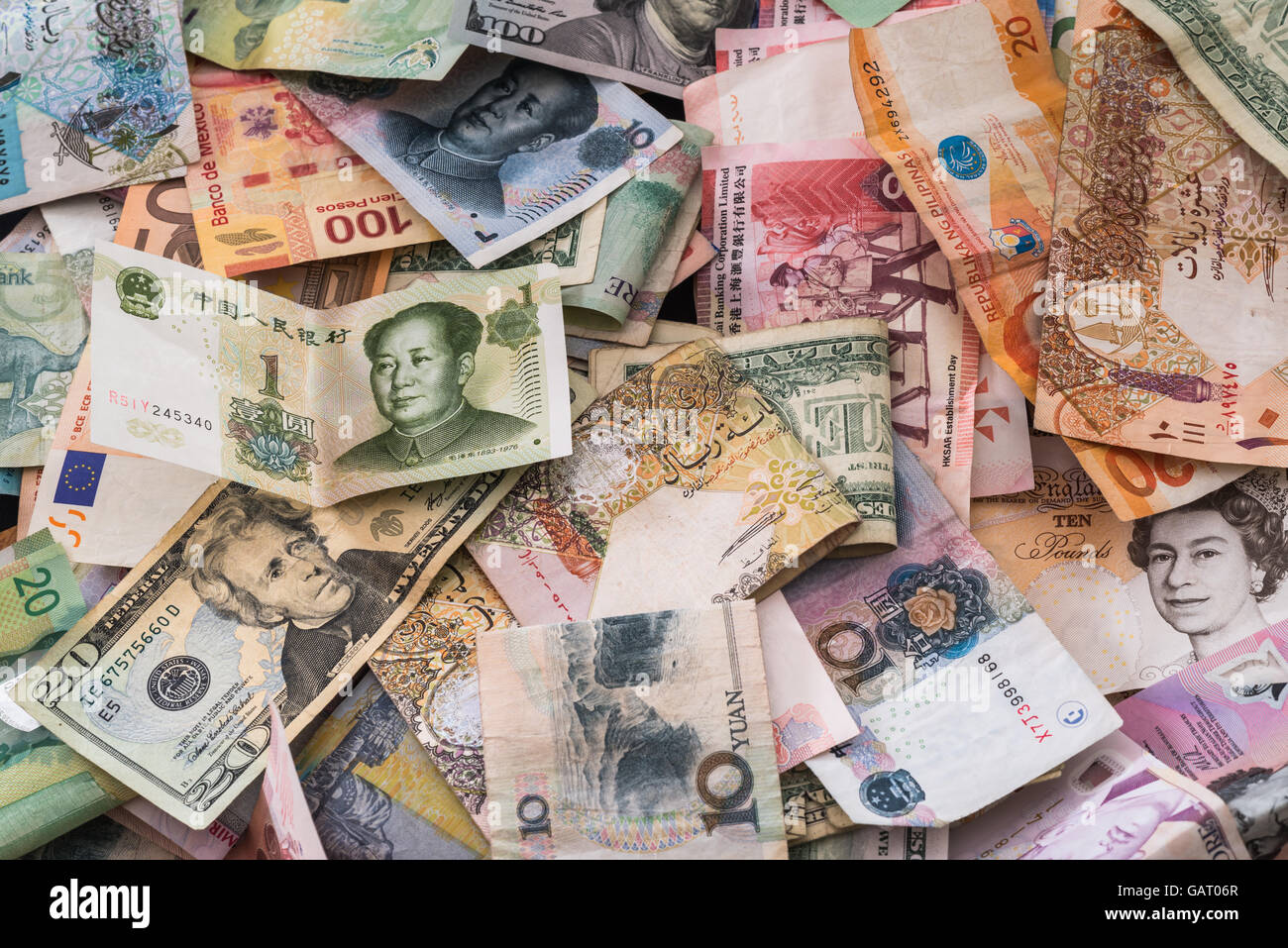
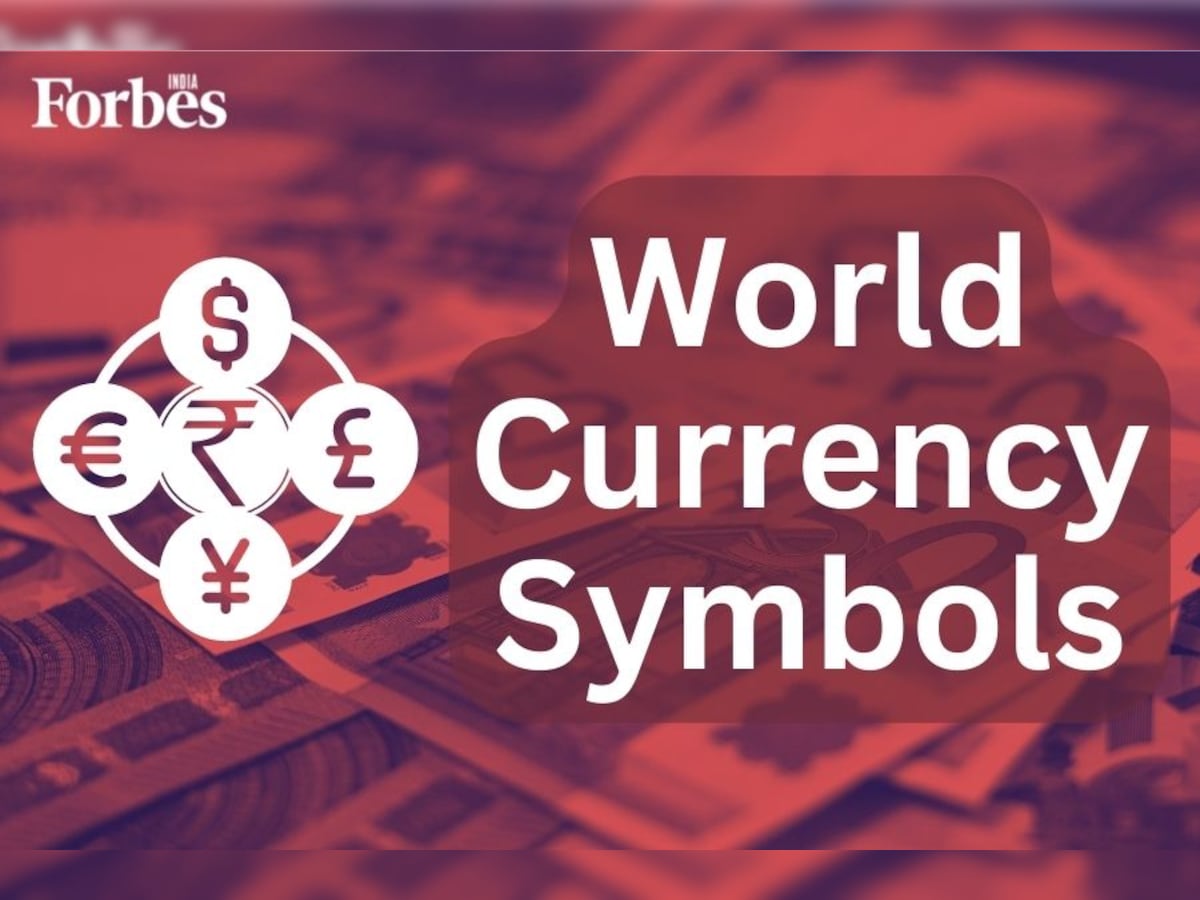
The Euro (EUR) serves as the second most significant global currency, providing a stable alternative for European trade and international bond issuance. The "working" mechanism of these currencies depends on the Foreign Exchange (Forex) Market, where trillions of dollars are traded daily. This market ensures that a Japanese Yen can be converted into a British Pound almost instantaneously, allowing the "world currency" system to feel unified even though it is fragmented.
The International Monetary Fund and Special Drawing Rights (SDR)
The closest entity to a literal "around the world currency" is the Special Drawing Right (SDR), created by the International Monetary Fund. The SDR is not a currency that a citizen can carry in their wallet; rather, it is an international reserve asset.
How the SDR Functions
The value of the SDR is based on a "basket" of five major currencies: the US Dollar, the Euro, the Chinese Renminbi, the Japanese Yen, and the British Pound. This basket is reviewed every five years to ensure it reflects the relative importance of currencies in the world’s trading and financial systems.
- Liquidity Provision: In times of global economic crisis, the IMF can "allocate" SDRs to member countries. This provides them with unconditional liquidity without increasing their debt burdens.
- Unit of Account: The IMF and several other international organizations use the SDR as their official unit of account to avoid the volatility associated with any single national currency.
- Exchange Mechanism: Member countries can exchange their SDRs for "freely usable" currencies among themselves. This process is facilitated by the IMF through voluntary trading arrangements.
By using a basket of currencies, the SDR minimizes the risk of one country’s domestic policy destabilizing the entire global reserve system. It provides a "neutral" layer of value that functions above national interests.
Mechanics of International Settlement and SWIFT
For money to move "around the world," there must be a secure communication and settlement system. Historically, this has been managed by SWIFT (Society for Worldwide Interbank Financial Telecommunication). SWIFT does not move the money itself; it sends standardized payment orders that are settled through correspondent banking relationships.
By 2026, the transition to the ISO 20022 standard has fully modernized this process. This standard allows for "rich data" to be attached to every international transaction, reducing errors and helping banks comply with Anti-Money Laundering (AML) and Know Your Customer (KYC) regulations more efficiently.
When you use a "world currency card" or an international transfer service, your money moves through a series of "nostro" and "vostro" accounts. A bank in New York holds an account for a bank in London (vostro), and vice versa (nostro). The "around the world" functionality is essentially a series of ledger entries across these global banking partnerships.
Comparison of Global Reserve Assets in 2026
The following table compares the primary assets that function as "around the world" currencies or stores of value.
| Asset Type | Primary Issuer | Key Use Case | Liquidity Level | Stability Basis |
|---|---|---|---|---|
| US Dollar (USD) | US Federal Reserve | Global Trade, Oil, Debt | Extremely High | US Economy & Military |
| Euro (EUR) | European Central Bank | European Trade, Reserves | High | Eurozone Economy |
| SDR | IMF | Central Bank Liquidity | Moderate | Currency Basket |
| Gold | N/A (Natural) | Store of Value, Hedge | High | Scarcity & History |
| CBDCs | Respective Central Banks | Instant Cross-border Settlement | Growing | Sovereign Credit |
| Bitcoin | Decentralized | Censorship-resistant Transfer | Variable | Algorithm & Network |
Fintech and Multi-Currency Ecosystems for Individuals
While central banks deal with SDRs and billions in USD, the average traveler or business owner experiences "around the world currency" through fintech platforms. Companies like Wise, Revolut, and various neo-banks have democratized access to the global currency system.
These platforms work by maintaining local bank accounts in dozens of different countries. When a user "sends" money from the UK to the US, the money doesn't actually cross the ocean. Instead, the company takes the user's Pounds in the UK and pays out Dollars from its US-based account. This "netting" process bypasses the expensive SWIFT network, making currency work more efficiently for the end-user.
Furthermore, multi-currency debit cards allow users to hold "purses" of different currencies simultaneously. The card's software automatically detects the local currency during a transaction and spends from the appropriate balance, or converts it at the mid-market rate if the specific currency isn't held. This creates the illusion of a single, universal currency for the consumer.
The Role of Central Bank Digital Currencies (CBDCs) in 2026
The most significant shift in how currency works globally in 2026 is the integration of Central Bank Digital Currencies (CBDCs). Projects like the mBridge (Multi-CBDC Bridge) have moved from pilot phases to operational reality.
CBDCs allow for "atomic settlement." In the traditional system, a cross-border payment could take 3-5 days to clear as it passed through various intermediary banks. With CBDCs, the digital representation of the currency is moved on a shared ledger, allowing the transfer of value and the settlement of the transaction to happen simultaneously. This reduces "settlement risk" and lowers the cost of international trade significantly.
These digital "world currencies" are programmable. For example, a business can set up a "smart contract" that only releases payment in a digital currency once a shipping carrier confirms delivery of goods. This adds a layer of security and automation that traditional paper-based or even standard electronic currencies cannot match.
Factors That Influence Global Currency Value
A currency only works "around the world" if people trust it will retain its value. Several technical and economic factors influence this:
- Interest Rate Parity: Capital flows toward currencies with higher interest rates, assuming risk is equal. If the Federal Reserve raises rates, the USD typically strengthens against other currencies.
- Inflation Differentials: Countries with consistently lower inflation rates see their currency's purchasing power increase relative to others.
- Geopolitical Stability: In times of global unrest, "safe haven" currencies (like the USD and Swiss Franc) see increased demand, even if their domestic economies are struggling.
- Current Account Balance: A country that exports significantly more than it imports will generally have a stronger currency because foreign buyers must purchase that currency to pay for the goods.
Common Obstacles in the Global Currency System
Despite the advancements of 2026, the around the world currency system faces challenges:
- Sanctions and Fragmentation: The use of the USD as a political tool has led some nations (the BRICS+ bloc) to develop alternative payment systems to bypass Western infrastructure. This "balkanization" of money can make global exchange more complex.
- Volatility: Emerging market currencies can fluctuate wildly, making long-term trade contracts risky for businesses operating in those regions.
- Capital Controls: Some countries, such as China, restrict the amount of currency that can leave their borders, preventing their currency from being fully "around the world" in a free-market sense.
FAQs
Can I buy Special Drawing Rights (SDRs) as an individual?
No, individuals cannot hold or trade SDRs. They are strictly reserve assets used by the IMF, member governments, and designated international organizations. However, you can invest in exchange-traded funds (ETFs) that track the basket of currencies that make up the SDR.
What is the most widely used currency in the world?
By transaction volume and reserve status, the US Dollar remains the most used currency. It is involved in nearly 90% of all foreign exchange transactions globally.
How do "World Currency Cards" determine their exchange rates?
Most travel cards and fintech apps use the mid-market rate, which is the midpoint between the "buy" and "sell" prices on the global currency markets. They usually refresh these rates every few seconds during market hours to ensure accuracy.
Is Bitcoin considered a world currency in 2026?
While Bitcoin is used globally and is legal tender in a few nations, it is generally classified as a "digital asset" or "commodity" rather than a primary world currency. Its volatility prevents it from serving as a stable unit of account for the majority of global trade, though it is highly effective for borderless, permissionless transfers.
Will there ever be one single world currency?
Economists argue this is unlikely due to the "Trilemma" of international finance: a country cannot have a fixed exchange rate, free capital movement, and an independent monetary policy all at once. Most nations are unwilling to give up control over their own interest rates and money printing to a single global central bank.
Practical Recommendation
For those looking to navigate the global currency system in 2026, the most effective strategy is to maintain a multi-currency digital account. Relying on a single national bank for international transactions often results in hidden 3-5% fees via "spreads" on the exchange rate. Using platforms that support ISO 20022 and offer direct access to interbank rates will ensure your capital remains efficient whether you are traveling, investing abroad, or running an international business.
Image Gallery