Understanding the David Turpin Case in California: Discovery, Legal Verdicts, and Survivor Recovery
The David Turpin case in California involves the 2018 discovery of 13 siblings held captive, tortured, and starved by their parents in Perris. Following a 2019 conviction, both parents were sentenced to life imprisonment. Today, the ca...
The David Turpin case in California involves the 2018 discovery of 13 siblings held captive, tortured, and starved by their parents in Perris. Following a 2019 conviction, both parents were sentenced to life imprisonment. Today, the case remains a pivotal reference for child welfare reform and the ongoing recovery of the survivors.
Contents
The exposure of the Turpin "House of Horrors" remains one of the most harrowing criminal cases in California’s history. David and Louise Turpin, the parents of 13 children ranging in age from 2 to 29 at the time of the discovery, managed to conceal decades of systemic abuse behind the facade of a suburban home and a registered private "home school." As we look at the case from the perspective of 2026, the legal resolutions have long been finalized, yet the social and legislative repercussions continue to influence how California monitors at-risk youth and private educational environments.
The 2018 Discovery and the Escape of Jordan Turpin
The case began on the morning of January 14, 2018, when 17-year-old Jordan Turpin escaped through a window of the family’s residence in Perris, California. Using a deactivated cell phone she had managed to hide, she called 911, providing evidence of the conditions inside the home. When Riverside County Sheriff’s deputies arrived, they found a scene that shocked the nation: several children were shackled to furniture with chains and padlocks in dark, foul-smelling rooms.
The children were severely malnourished; the 29-year-old daughter weighed only 82 pounds. Investigators soon learned that the abuse was not a recent development but a decades-long pattern that followed the family from Fort Worth, Texas, to Rio Vista, California, and finally to Perris. The children were rarely allowed to bathe, were fed only once a day, and were frequently beaten or strangled. This discovery triggered an immediate medical intervention for all 13 victims and the arrest of David and Louise Turpin on dozens of counts of torture and child endangerment.
Legal Prosecution and Sentencing
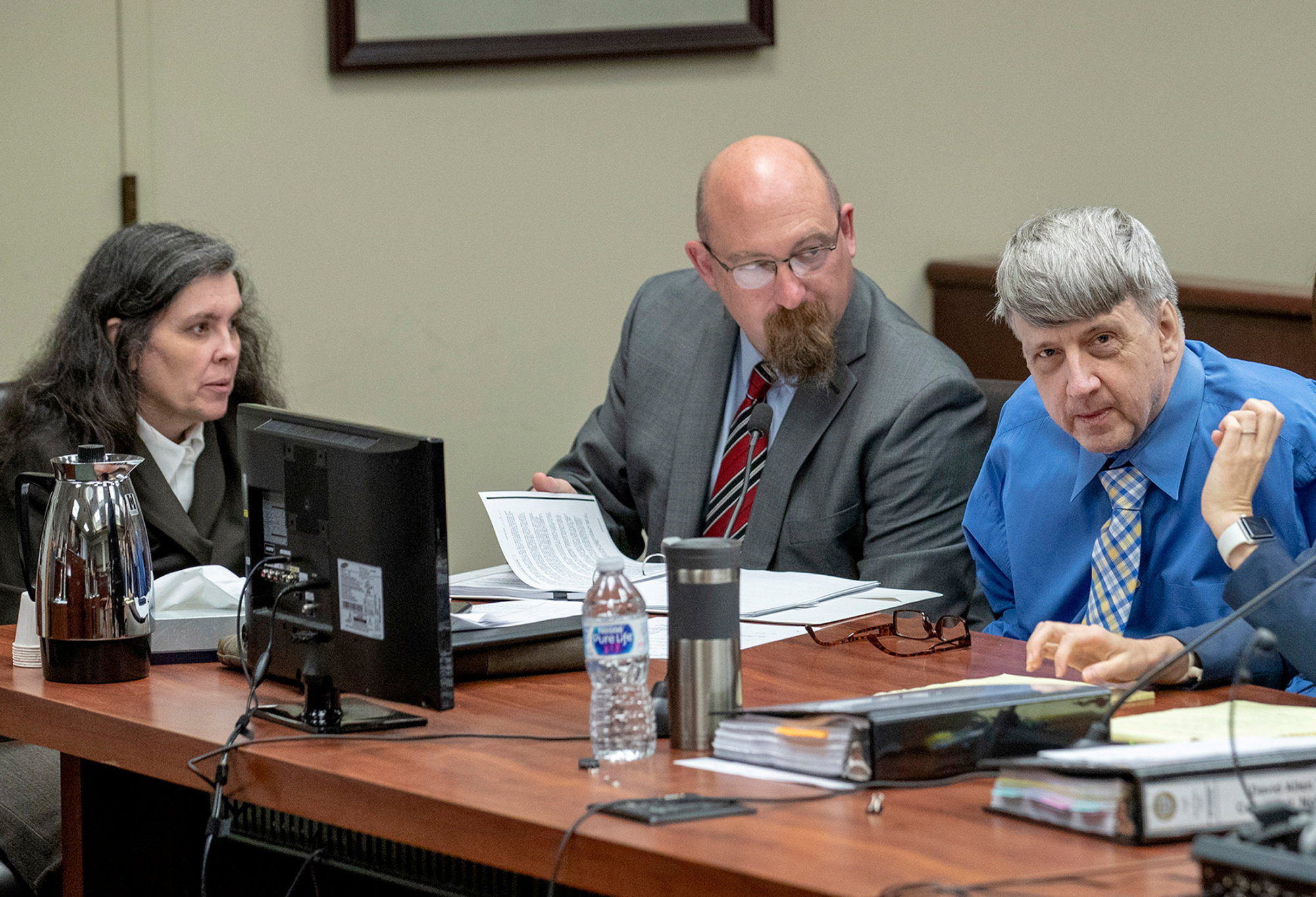
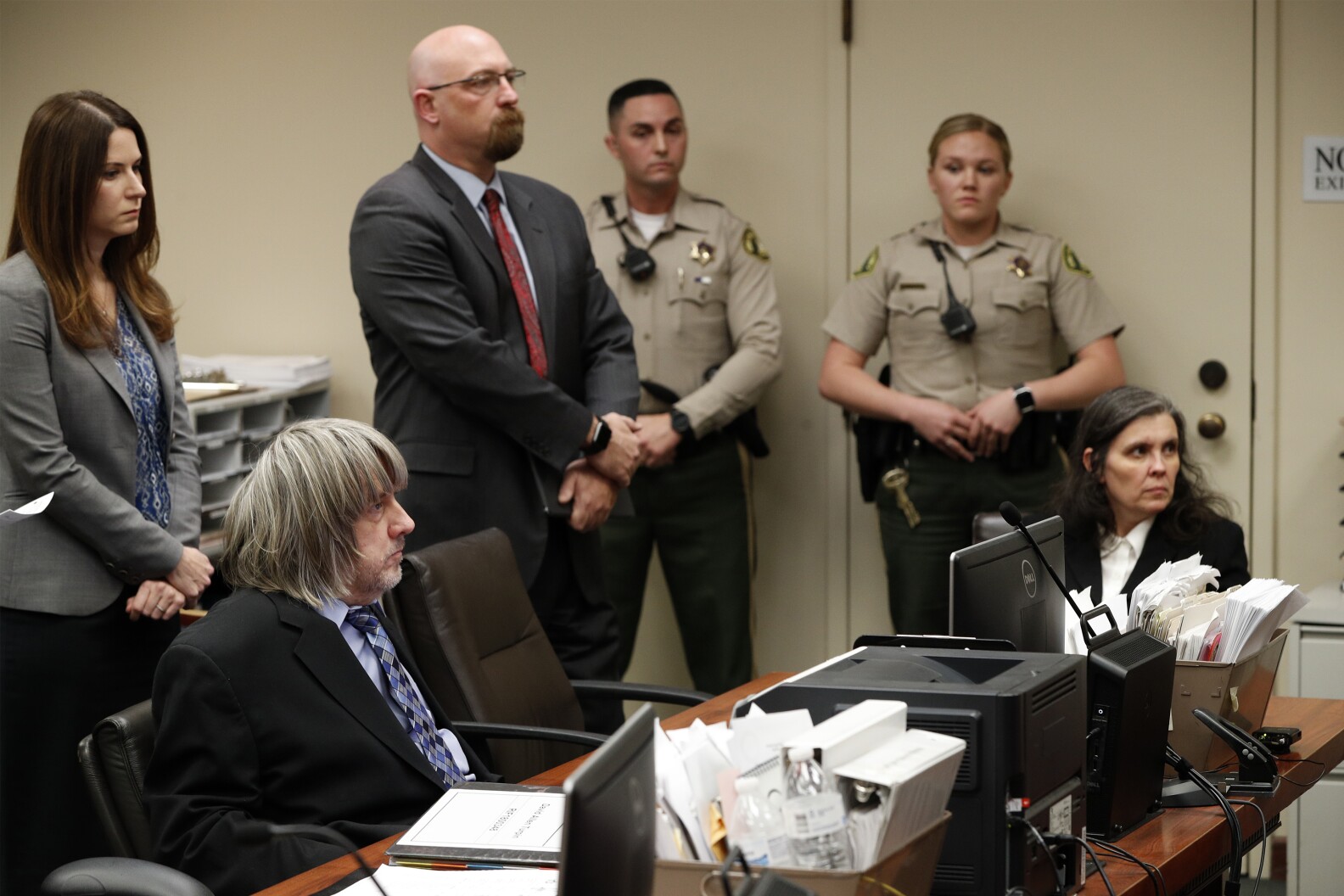
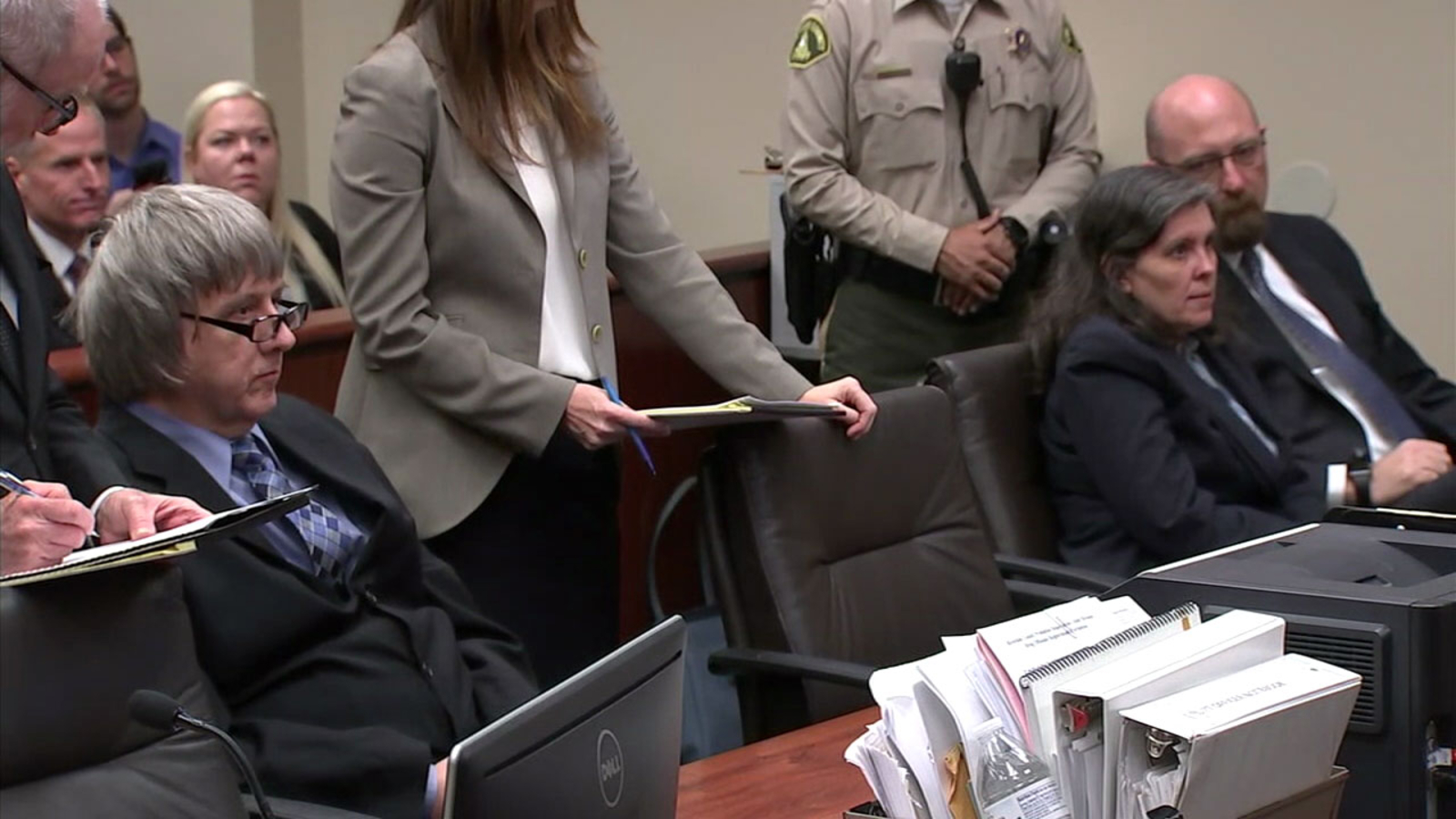
The legal proceedings against David and Louise Turpin moved relatively quickly given the severity of the crimes. In February 2019, both parents pleaded guilty to 14 felony counts, including torture, dependent adult abuse, child cruelty, and false imprisonment. By pleading guilty, the parents spared their children from having to testify in a prolonged criminal trial, though several of the children chose to provide powerful victim impact statements during the sentencing hearing.
In April 2019, Judge Bernard Schwartz sentenced both David and Louise Turpin to life in prison with the possibility of parole after 25 years. Under California law, because of the nature of the torture charges, they must serve at least 25 years before becoming eligible for a parole hearing. As of 2026, both remain incarcerated in the California state prison system—David Turpin at California State Prison, Corcoran, and Louise Turpin at the Central California Women's Facility. Their earliest potential parole dates are not expected until the early 2040s.
The Survivors' Journey: From Captivity to Public Advocacy
The transition from a life of total isolation to the modern world was an immense challenge for the "Turpin 13." After their rescue, the siblings were split between hospitals and foster homes. While the public donated hundreds of thousands of dollars to help them, the actual distribution of these funds and the quality of care they received became a secondary scandal in the years following the trial.
In 2021, an investigative report revealed that several of the younger Turpin children were placed in a foster home where they allegedly suffered further abuse. This led to a massive civil lawsuit against Riverside County and a private foster care agency. By 2024, significant settlements were reached, providing the survivors with the financial resources needed for long-term psychological and medical care.
Jordan and Jennifer Turpin have since become public figures, using their platforms to advocate for foster care reform and to share their journey of healing. Their resilience has served as a catalyst for discussions regarding the "invisible" nature of home-schooled children in California and the need for more robust check-ins by state authorities.
Systemic Failures and Legislative Response
The David Turpin case highlighted significant gaps in California’s oversight of private schools and homeschooling. David Turpin had registered the family home as the "Sandcastle Day School," a private institution with himself as the principal. Because California law requires very little documentation for private schools beyond an annual affidavit, the state had no mechanism to verify the safety or well-being of the students enrolled.
Following the case, several legislative attempts were made to increase oversight. While some proposed bills met resistance from homeschooling advocates concerned about parental rights, the Turpin case led to:
- Enhanced Inter-Agency Communication: Better data sharing between the California Department of Education and Child Protective Services (CPS).
- Foster Care Reform: Increased scrutiny of foster parent vetting processes in Riverside County following the secondary abuse allegations.
- Mandatory Reporting Awareness: Renewed focus on training for neighbors and community members to recognize the subtle signs of long-term confinement and "stealth" abuse.
Key Milestones in the Turpin Case Timeline
The following table outlines the critical dates and developments from the initial rescue to the current legal status of the case.
| Date | Event/Milestone | Description |
|---|---|---|
| Jan 14, 2018 | The Escape | Jordan Turpin escapes the Perris home and alerts authorities via 911. |
| Jan 18, 2018 | Initial Charges | David and Louise Turpin are charged with multiple counts of torture and abuse. |
| Feb 22, 2019 | Guilty Plea | Both parents plead guilty to 14 felony counts to avoid a full trial. |
| Apr 19, 2019 | Sentencing | Life imprisonment with parole eligibility after 25 years is handed down. |
| Nov 2021 | Foster Care Scandal | Investigation reveals some siblings suffered abuse in the foster system post-rescue. |
| 2022 - 2024 | Civil Litigation | The survivors file and eventually settle lawsuits against Riverside County and agencies. |
| 2026 | Current Status | David and Louise Turpin remain in prison; survivors continue recovery and advocacy. |
Psychological and Societal Impacts
The David Turpin case is frequently studied in the context of "folie à deux" or shared delusional disorder, though the legal system focused primarily on the criminal actions of torture and imprisonment. Psychologists have noted that the level of control exerted by the parents was absolute, creating a "cult-like" environment where the children were conditioned to believe the outside world was dangerous.
The case also brought to light the phenomenon of "hidden" victims. In California, where the population is dense but privacy is highly valued, the Turpins managed to live in a standard residential neighborhood without neighbors realizing 13 people were being starved inside. This has led to community-based programs in Riverside County designed to encourage "knowing your neighbor" and reporting suspicious lack of activity at residential properties.
Financial and Resource Management for the Survivors
A significant portion of the discourse surrounding the David Turpin case in California involves the management of the victims' trust funds. After the rescue, millions were raised through various foundations. However, bureaucracy and the appointment of public guardians led to delays in the survivors accessing these funds for basic needs like housing and transportation.
By 2026, the legal framework for the survivors' trusts has been restructured to ensure greater transparency and autonomy for the adult siblings. The 2024 legal settlements significantly bolstered these funds, ensuring that the lifelong medical and psychological needs of the siblings—many of whom suffer from permanent physical growth stunting and PTSD—will be covered without reliance on state aid.
FAQ
Are David and Louise Turpin still in prison in 2026? Yes. Both David and Louise Turpin are serving life sentences in California state prisons. David Turpin is currently at California State Prison, Corcoran, and Louise Turpin is at the Central California Women's Facility in Chowchilla. They are not eligible for parole consideration until approximately 2043.
How did the Turpin children stay hidden for so long? The parents utilized California’s private school affidavit system to register their home as a school, which effectively bypassed the oversight of local school districts. They also moved frequently (Texas to Northern California to Southern California) and kept the children on a nocturnal schedule, which minimized interactions with neighbors.
What happened to the Turpin "House of Horrors" in Perris? The house on Muir Willow Avenue in Perris went into foreclosure shortly after the arrests. It was eventually sold at auction and has since been renovated. It remains a private residence, though it is frequently visited by those interested in the case's history.
Did California change its homeschooling laws after this case? While several bills were introduced to increase the regulation of homeschooling (such as requiring home visits), many did not pass due to significant opposition from the broader homeschooling community. However, the case did lead to more stringent oversight within the foster care system and better communication between social services and educational departments.
How are the Turpin siblings doing now? As of 2026, several of the older siblings have graduated from college or vocational programs. Jordan and Jennifer Turpin are the most public-facing, often sharing their progress on social media. Some of the younger siblings remain more private, continuing their education and recovery out of the spotlight.
Professional Guidance and Next Actions
For those following the David Turpin case in California as a matter of legal or social study, it is important to monitor the California Department of Corrections and Rehabilitation (CDCR) public records for any changes in the parents' incarceration status. Furthermore, those interested in supporting child welfare can look toward the National Center for Missing & Exploited Children or local California-based advocacy groups like Riverside County Child Abuse Prevention Council. If you suspect child abuse or neglect in California, you should contact the Child Abuse Hotline (1-800-442-4918) or local law enforcement immediately.
Image Gallery