Are Vitality Benefits for Life Insurance the Same as Critical Illness Cover?
Vitality benefits integrated into life insurance policies and critical illness cover are distinct financial and wellness protection mechanisms. While both address health contingencies and can sometimes be bundled under the same overarc...
Vitality benefits integrated into life insurance policies and critical illness cover are distinct financial and wellness protection mechanisms. While both address health contingencies and can sometimes be bundled under the same overarching insurance contract, they serve fundamentally different purposes, payout structures, and operational mechanics.
Contents
Understanding the Fundamental Definitions
To evaluate whether vitality benefits and critical illness cover are the same, it is necessary to examine what each product is designed to achieve. Confusion often arises because modern insurance providers frequently cross-pollinate these offerings, allowing policyholders to add wellness programs to standard life or critical illness policies. However, their underlying financial architectures remain separate.
What is Critical Illness Cover?
Critical illness cover (CIC) is a traditional insurance benefit designed to pay a tax-free lump sum if you are diagnosed with a specific, severe medical condition explicitly listed in the policy terms. Common conditions covered typically include certain types of cancer, heart attacks, strokes, multiple sclerosis, and major organ transplants.
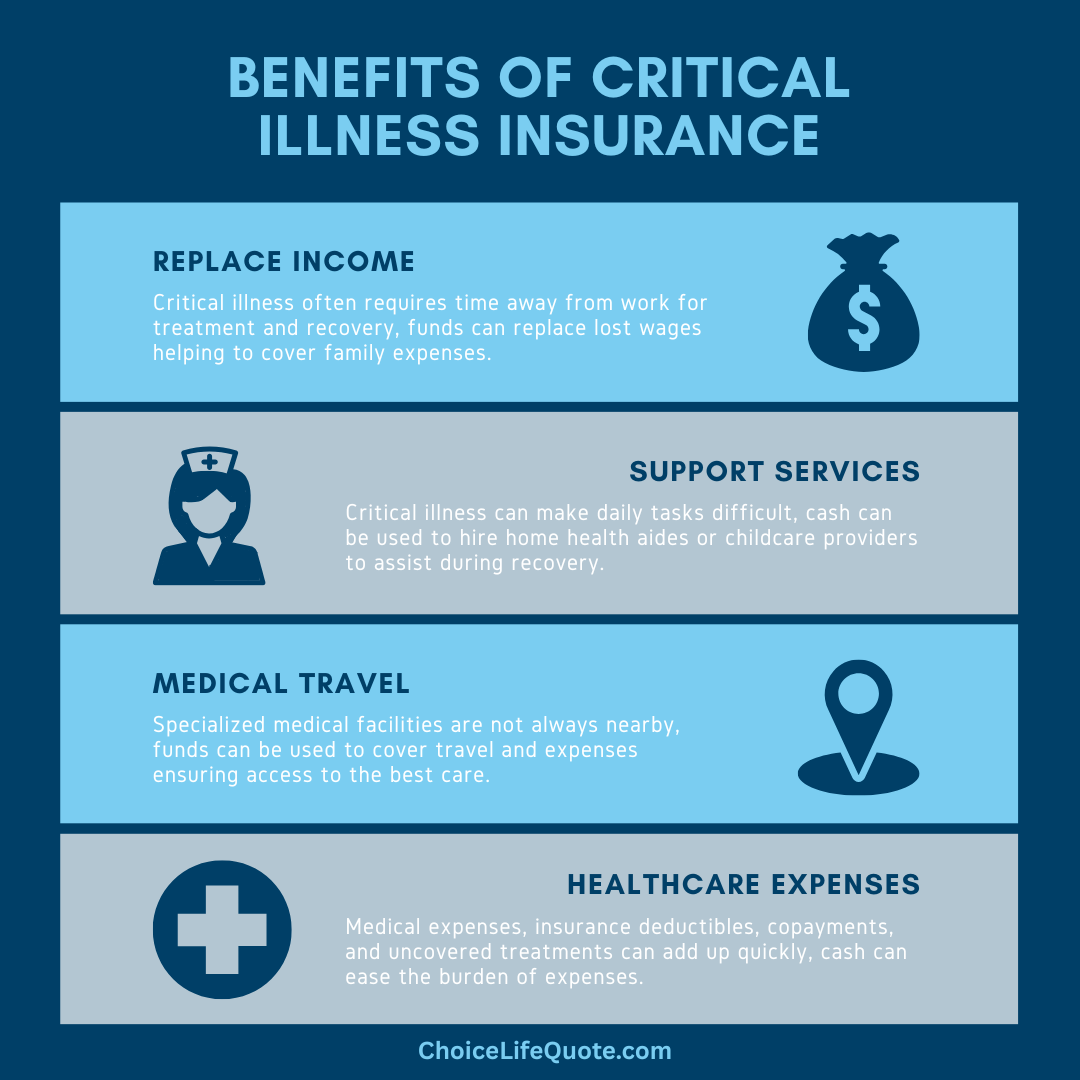
The primary purpose of critical illness cover is income replacement or debt liquidation during a severe health crisis. If you experience a covered event and survive the survival period (usually 14 days post-diagnosis), the insurer pays out the full or partial sum assured, regardless of whether you are able to return to work eventually.
What are Vitality Benefits?
Vitality benefits, often associated with behavioral economics-based wellness programs (pioneered by insurers like Discovery and implemented globally through various partners such as John Hancock Vitality or Prudential Vitality), represent an interactive rewards framework. These programs track your daily health behaviors—such as step counts, gym visits, heart rate monitoring, and annual medical screenings—and translate them into points.
As you accumulate points, you advance through status tiers (e.g., Bronze, Silver, Gold, Platinum). Higher tiers unlock tangible financial and lifestyle rewards, such as discounted gym memberships, reduced premiums on your insurance policies, wearable device subsidies, and retail or travel discounts. Vitality is not a standalone insurance payout upon diagnosis; it is an active incentive ecosystem designed to encourage healthier lifestyle habits over the lifetime of the policy.
Key Structural Differences Between Vitality and Critical Illness
Comparing vitality benefits directly to critical illness cover reveals stark contrasts in trigger events, financial mechanisms, and consumer engagement models.
| Feature | Critical Illness Cover | Vitality Benefits |
|---|---|---|
| Core Function | Financial indemnification upon diagnosis of a specific severe illness. | Behavioral incentive program rewarding healthy lifestyle choices. |
| Payout Type | Tax-free lump sum cash payment upon a qualifying medical event. | Non-cash rewards, premium discounts, cash-back, and retail perks. |
| Engagement Model | Passive protection (active only during underwriting and claims processing). | Active daily engagement (tracking steps, workouts, health checks). |
| Cost Impact | Increases the baseline premium of the underlying insurance policy. | Often lowers insurance premiums over time based on earned status. |
| Medical Underwriting | Requires rigorous initial medical disclosure and health screening. | Adjusts ongoing rewards based on dynamic, continuous health tracking. |
How Vitality Interacts with Life and Critical Illness Policies
Rather than being alternatives, vitality programs and critical illness covers frequently operate within a complementary ecosystem. Understanding how they interconnect helps clarify why consumers often confuse them.
Integration within Comprehensive Protection Plans
When purchasing a comprehensive term life insurance policy, providers frequently allow policyholders to attach critical illness riders alongside a vitality wellness program. In this configuration:
- The Core Policy: Provides the death benefit if the insured passes away.
- The Critical Illness Rider: Provides financial support if a specified medical condition occurs.
- The Vitality Add-on: Modifies the overall cost of the policy based on daily health metrics and rewards preventive care.
Premium Adjustments and Dynamic Pricing
Traditional insurance pricing relies on static underwriting at the time of application. Insurers assess your age, medical history, smoking status, and BMI to set a fixed premium for the duration of the term.
Vitality programs introduce dynamic pricing. If you engage with the program—exercising regularly, maintaining a healthy blood pressure, and getting routine dental and medical check-ups—you can earn discounts that reduce your upcoming insurance premiums. Conversely, failing to engage typically leaves your baseline premium unchanged, though some programs feature escalators if health metrics deteriorate significantly over time.
The Pros and Cons of Combining Vitality with Insurance Coverage
Opting into a vitality-linked insurance policy that includes critical illness protection involves specific trade-offs.
Advantages of Vitality-Enhanced Policies
- Proactive Health Management: By incentivizing regular exercise and medical screenings, vitality programs encourage early detection of preventable conditions.
- Cost Savings: Active participants can secure substantial discounts on their monthly insurance premiums, effectively lowering the long-term cost of coverage.
- Tangible Perks: Immediate rewards, such as reduced prices on wearable fitness trackers, healthy grocery purchases, and travel, provide continuous value outside of a worst-case insurance claim.
Limitations and Drawbacks
- Data Privacy Considerations: Vitality programs require continuous tracking of personal health data via smartphone apps, wearable devices, and medical check-ups.
- Administrative Effort: Maintaining a high vitality status requires consistent time and effort; policyholders who fail to engage miss out on the financial benefits.
- Baseline Cost Differential: Policies bundled with comprehensive critical illness riders and active wellness tiers can carry higher initial administrative fees compared to basic, unbundled term life products.
Frequently Asked Questions
Can a vitality program pay out cash if I am diagnosed with cancer?
No. Vitality programs do not pay out cash lump sums upon the diagnosis of a disease. If you are diagnosed with cancer, you would only receive a financial payout if you purchased a separate critical illness cover or a life insurance policy with a critical illness rider. Vitality programs reward health behaviors, not medical diagnoses.
Do I have to join a vitality program to buy critical illness cover?
No. Critical illness cover is available as a standalone insurance product or as a rider attached to life insurance without requiring enrollment in a behavioral wellness program like Vitality.
Does a high vitality status replace the need for critical illness insurance?
No. Maintaining a high vitality status reduces your premiums and rewards healthy habits, but it offers zero financial indemnification if you suffer a debilitating stroke, heart attack, or cancer diagnosis. Critical illness cover provides the necessary financial safety net that wellness programs cannot match.
Can my insurance premiums increase if I fail to maintain my vitality status?
Most standard vitality programs operate on a discount model where your baseline premium starts at standard rates and decreases as you earn status. However, certain program tiers may adjust discounts annually; dropping to a lower tier simply means you lose your discount rather than facing a penalty-inflated premium, though exact terms vary by insurer and jurisdiction.
Next Actions and Recommendations
Before purchasing insurance or wellness add-ons, evaluate your specific financial and health security needs. If your primary concern is replacing lost income and paying medical debts following a catastrophic diagnosis, prioritize securing robust critical illness cover and adequate life insurance. If you already practice a healthy lifestyle, track your fitness, and want to leverage your habits for premium discounts and retail perks, integrating a verified vitality program into your protection plan provides measurable ongoing value. Review policy documents carefully, consult a licensed financial advisor, and verify the specific definitions of covered conditions before signing any agreement.
Image Gallery