How to Choose Gloves for Cooking: A Guide to Safety and Material Selection
Choosing the right gloves for cooking requires balancing food safety requirements, protection against thermal or chemical hazards, and the dexterity needed for precise culinary tasks. Whether you are a professional chef in a commercial...
Choosing the right gloves for cooking requires balancing food safety requirements, protection against thermal or chemical hazards, and the dexterity needed for precise culinary tasks. Whether you are a professional chef in a commercial kitchen or a home cook preparing for a large event, the material, thickness, and intended use of your gloves dictate both your efficiency and the sanitary standard of the final dish.
Contents
Understanding the Primary Hazards in the Kitchen
Before selecting a glove, you must identify the specific risks associated with your kitchen tasks. In professional environments, the primary objective is preventing cross-contamination, which necessitates food-grade materials that comply with national health regulations. In a residential setting, the needs may shift toward heat protection or protecting hands from irritants like chili oils, citrus acids, or harsh cleaning detergents.
Sanitation and Cross-Contamination
In any food preparation environment, the most significant risk is the transfer of pathogens from one surface to another. Gloves act as a physical barrier. To be effective, they must be free of punctures, fit snugly to prevent debris from falling inside, and be changed frequently. If you are handling raw poultry and then moving to wash vegetables, a glove change is mandatory to prevent salmonella or other bacterial cross-contamination.
Thermal Hazards
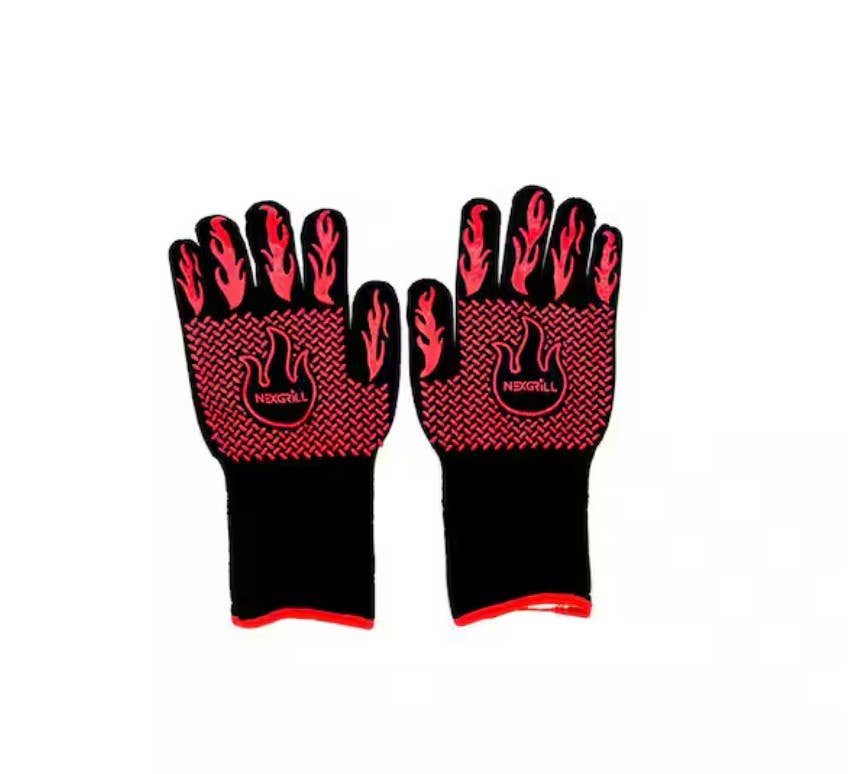
Standard sanitary gloves provide zero protection against heat. If your task involves moving hot trays, deep frying, or handling sous-vide equipment, you require specialized thermal-resistant gloves. These are distinct from food-prep gloves and are typically made from silicone, aramid fibers, or heat-resistant cotton blends.
Chemical and Irritant Protection
Certain ingredients, such as habanero peppers or high-acidity citrus, can cause contact dermatitis or painful burning sensations. Furthermore, the chemicals used to sanitize kitchen surfaces are often much harsher than those used on food. You need a glove material that remains impermeable when exposed to these specific compounds.
Evaluating Glove Materials
The material composition of a glove determines its elasticity, puncture resistance, and potential for allergic reactions.
Nitrile
Nitrile is the industry standard for modern food service. It is a synthetic rubber that provides excellent puncture resistance and is entirely latex-free, making it the safest choice for kitchens where employees or guests may have latex allergies. Nitrile fits tightly, offering high tactile sensitivity, which is crucial for tasks like deboning meat or fine chopping.
Vinyl (PVC)
Vinyl gloves are a more budget-friendly alternative. They are loose-fitting and generally intended for short-duration, light-duty tasks. Because they lack the elasticity of nitrile, they can be prone to tearing during vigorous movement. They are often used in front-of-house service or for tasks that do not involve high-fat foods, as vinyl can break down when exposed to certain oils.
Latex
While historically popular, latex gloves are increasingly restricted in professional kitchens due to the prevalence of latex allergies. If you must use latex, ensure your facility has a strict policy regarding allergy communication. Latex provides the best "second skin" feel and dexterity, but it is less puncture-resistant than nitrile.
Polyethylene (PE)
These are the loose, "baggy" gloves often seen at salad bars or deli counters. They are inexpensive and designed for rapid, one-time use. They do not offer dexterity and are unsuitable for anything requiring fine motor control, but they are effective for tasks like tossing a large bowl of salad where high-volume, low-cost protection is required.
Comparison of Cooking Glove Materials
| Material | Dexterity | Puncture Resistance | Cost | Best Use Case |
|---|---|---|---|---|
| Nitrile | High | Excellent | Moderate | Food prep, raw meat handling |
| Vinyl | Medium | Low | Low | Light prep, sandwich assembly |
| Latex | Very High | Moderate | Moderate | Precision tasks (if no allergies) |
| Polyethylene | Low | Very Low | Very Low | Quick, light-duty, salad bars |
| Silicone | Low | High (Heat) | High | Moving hot pans, oven work |
Selecting for Fit and Performance
A glove that is too large poses a safety hazard, as loose material can easily snag on mandoline slicers, knives, or kitchen equipment. Conversely, a glove that is too tight may restrict circulation or tear during use.
- Measure Your Hand: Use a tape measure to check the circumference of your hand at the widest point (across the knuckles). Compare this to the manufacturer’s sizing chart, as "Small," "Medium," and "Large" are not standardized across brands.
- Check for Textured Fingertips: For cooking, textured fingertips are a significant advantage. They provide the grip necessary to handle wet or oily ingredients safely.
- Determine Cuff Length: If you are performing tasks involving deep immersion—such as reaching into a large stockpot or deep-fryer—consider gloves with an extended cuff to prevent liquids from running down into your sleeve.
- Powdered vs. Powder-Free: Always prioritize powder-free gloves. Powdered gloves were traditionally used to make donning easier, but the cornstarch residue can contaminate food and pose a risk for individuals with respiratory sensitivities.
FAQ: Common Questions About Kitchen Gloves
Do I need to wear gloves for all cooking tasks? Not necessarily. Many professional chefs rely on thorough handwashing practices. However, gloves are required by health codes in many jurisdictions when handling "ready-to-eat" foods that will not undergo further cooking, such as assembling sandwiches or garnishing plates.
Can I wash and reuse disposable kitchen gloves? No. Disposable gloves (nitrile, vinyl, latex) are designed for single use. Attempting to wash them can introduce micro-tears or trap bacteria in the material, which compromises the integrity of the barrier and increases the risk of contamination.
What is the difference between food-grade and medical-grade gloves? Food-grade gloves are tested to ensure they do not leach chemicals into food and are manufactured in facilities that adhere to food safety standards. Medical-grade gloves are tested for durability against biohazards and bloodborne pathogens. While medical gloves are safe for food, they are often more expensive than necessary.
How do I handle glove allergies in a professional kitchen? If a staff member or client has a latex allergy, you should adopt a strictly latex-free policy for the entire kitchen. Providing nitrile gloves as the default option is the most effective way to eliminate the risk of accidental exposure.
Next Steps for Safety and Efficiency
When outfitting your kitchen, start by purchasing a high-quality, powder-free nitrile glove as your "all-purpose" option. Test one box for fit and grip during your most demanding task. If you frequently handle hot items, invest in a dedicated pair of heat-rated silicone gloves rather than relying on thin disposable ones. Always store your gloves in a dry, cool place, away from direct sunlight, which can degrade the synthetic rubber over time.
Image Gallery