Spam and Junk Mail: Understanding the Modern Digital Burden in 2026
The modern burden of spam and junk mail has evolved into a complex ecosystem of automated unsolicited communication that consumes significant cognitive energy, technical resources, and financial capital. In 2026, this burden is no long...
The modern burden of spam and junk mail has evolved into a complex ecosystem of automated unsolicited communication that consumes significant cognitive energy, technical resources, and financial capital. In 2026, this burden is no longer just a minor inbox nuisance but a sophisticated multi-channel challenge involving artificial intelligence, behavioral tracking, and advanced social engineering.
Contents
The Evolution of the Digital Nuisance
In the early decades of the internet, spam was largely a volume-based game. High-frequency, low-quality emails were sent to millions of addresses in the hope of catching a fraction of a percent of recipients. As we navigate 2026, the landscape has shifted toward hyper-personalization. Modern junk mail leverages large language models (LLMs) to craft messages that mimic the tone and urgency of legitimate business or personal correspondence.
The "burden" has expanded from the simple task of hitting the delete button to the complex requirement of discerning truth from fiction. Modern spam includes not only traditional email but also SMS spam (smishing), automated voice calls (vishing), and direct message spam across professional networks and social platforms. This cross-platform saturation ensures that the average user is never truly away from unsolicited marketing or malicious intent.
The Shift from Generic to Targeted
Historically, the Federal Trade Commission (FTC) categorized spam as unsolicited commercial email. Today, the lines are blurred by "graymail"—messages that are technically legal because a user once interacted with a brand, but which provide no value and clutter the digital workspace. In 2026, the sophisticated use of data scraping means that junk mail often includes the recipient's recent purchase history, job title, or professional connections, making it significantly more difficult for automated filters to catch every instance without blocking legitimate mail.
The Economic and Psychological Cost of Spam
The burden of spam is often measured in terms of cybersecurity risk, but its economic impact is much broader. For businesses, the cost includes lost productivity, the price of premium filtering software, and the administrative overhead of managing quarantined messages.
Cognitive Load and Decision Fatigue
Every time an individual checks their phone or computer, they must perform a micro-assessment of every notification. This constant state of evaluation leads to decision fatigue. In a corporate environment, this fatigue increases the likelihood that an employee will eventually click on a malicious link out of sheer exhaustion or autopilot behavior. The psychological toll of maintaining a "zero inbox" in an era of 2026-level automation is a recognized factor in workplace burnout.
Infrastructure and Energy Consumption
On a global scale, the sheer volume of spam requires massive server infrastructure. Processing, storing, and filtering billions of unwanted messages daily consumes a significant amount of electricity. Data centers dedicated to security and spam prevention contribute to the carbon footprint of the digital economy, making junk mail not just a personal annoyance but an environmental concern.
Technical Defenses and the Modern Security Stack
To combat the modern burden, the technical community has standardized several protocols designed to verify the identity of senders. These are no longer optional "best practices" but are essential requirements for any organization that wishes to ensure its legitimate mail reaches its destination.
- SPF (Sender Policy Framework): A DNS record that specifies which mail servers are authorized to send email on behalf of a domain.
- DKIM (DomainKeys Identified Mail): Adds a digital signature to emails, allowing the receiver to verify that the email was indeed authorized by the owner of that domain and was not altered in transit.
- DMARC (Domain-based Message Authentication, Reporting, and Conformance): A policy framework that uses both SPF and DKIM to give instructions to the receiving mail server on how to handle mail that fails authentication.
The National Institute of Standards and Technology (NIST) provides extensive guidelines on these protocols. By 2026, most major email providers (such as Google and Microsoft) have implemented strict DMARC enforcement, meaning that unauthenticated mail is frequently rejected entirely rather than being sent to a junk folder.
Categorizing the Modern Burden
Understanding the burden requires a clear distinction between different types of unsolicited communication. The following table compares the primary vectors of digital junk in 2026.
| Vector | Primary Characteristic | Primary Risk | Mitigation Strategy |
|---|---|---|---|
| Traditional Spam | Bulk commercial offers. | Cognitive clutter, time loss. | AI-driven inbox filtering. |
| Phishing | Deceptive intent to steal data. | Financial loss, identity theft. | Multi-factor authentication (MFA). |
| Graymail | Legal but unwanted marketing. | Inbox saturation. | Unsubscribe tools/Burner emails. |
| Smishing | SMS-based scams. | Immediate urgency, high open rates. | Carrier-level blocking, OS filters. |
| Vishing | AI-generated voice scams. | Emotional manipulation. | Verified caller ID, "Call Screening." |
The Legal and Regulatory Environment
The legislative response to spam has struggled to keep pace with technological advancements. While the CAN-SPAM Act in the United States and the GDPR in Europe established the groundwork for digital privacy and consent, the rise of decentralized and cross-border spam operations presents a jurisdictional challenge.
In 2026, regulators are increasingly focused on the "opt-in" model. Under these frameworks, companies are prohibited from sending any marketing material unless the user has explicitly requested it. However, enforcement remains difficult when the sender is operating from a jurisdiction with lax digital laws. The FBI’s Internet Crime Complaint Center (IC3) continues to track the financial losses associated with these activities, reporting billions of dollars in adjusted losses annually due to business email compromise (BEC) and related spam-driven schemes.
Managing the Burden: Practical Strategies
While it is impossible to eliminate spam entirely, individuals and organizations can adopt strategies to minimize the burden. These steps focus on reducing the attack surface and automating the filtering process.
Use of Alias and Burner Addresses
One of the most effective ways to manage junk mail is to avoid giving out a primary email address. Many modern browsers and email services now offer integrated "hide my email" features. These services create a unique, random address for every site you sign up for, forwarding legitimate mail to your primary inbox. If an alias begins receiving spam, it can be deleted without affecting your main account.
Aggressive Filtering and AI Assistants
By 2026, most users have access to AI-powered personal assistants that pre-sort mail. These assistants can be trained to recognize the "shape" of your legitimate correspondence. For example, they can prioritize emails from known contacts or those that contain specific keywords related to your current projects, while automatically archiving anything that looks like a generic sales pitch.
Education and Awareness
The human element remains the most significant vulnerability. Regular training on how to spot the subtle signs of AI-generated phishing—such as unusual "From" addresses, urgent but vague requests, or mismatched URLs—is critical. The burden is lessened when users feel confident in their ability to identify and ignore junk without second-guessing their decisions.
Frequently Asked Questions
Why am I getting more spam in 2026 than in previous years?
The increase is largely due to the lower cost of generating high-quality spam using AI. Malicious actors can now automate the creation of millions of unique, personalized messages that are more likely to bypass traditional, signature-based filters. Additionally, data breaches frequently leak phone numbers and email addresses, which are then sold on the dark web to spam aggregators.
Does hitting "Unsubscribe" actually work?
If the email is from a legitimate, reputable company, clicking "Unsubscribe" is effective and required by law (e.g., CAN-SPAM or GDPR). However, if the email is from a malicious or unknown source, clicking any link—including "Unsubscribe"—confirms to the sender that your email address is active and being monitored. This can lead to an increase in spam. For unknown senders, it is better to use your email provider's "Report Spam" or "Block" function.
What is the difference between a "Junk" folder and a "Spam" folder?
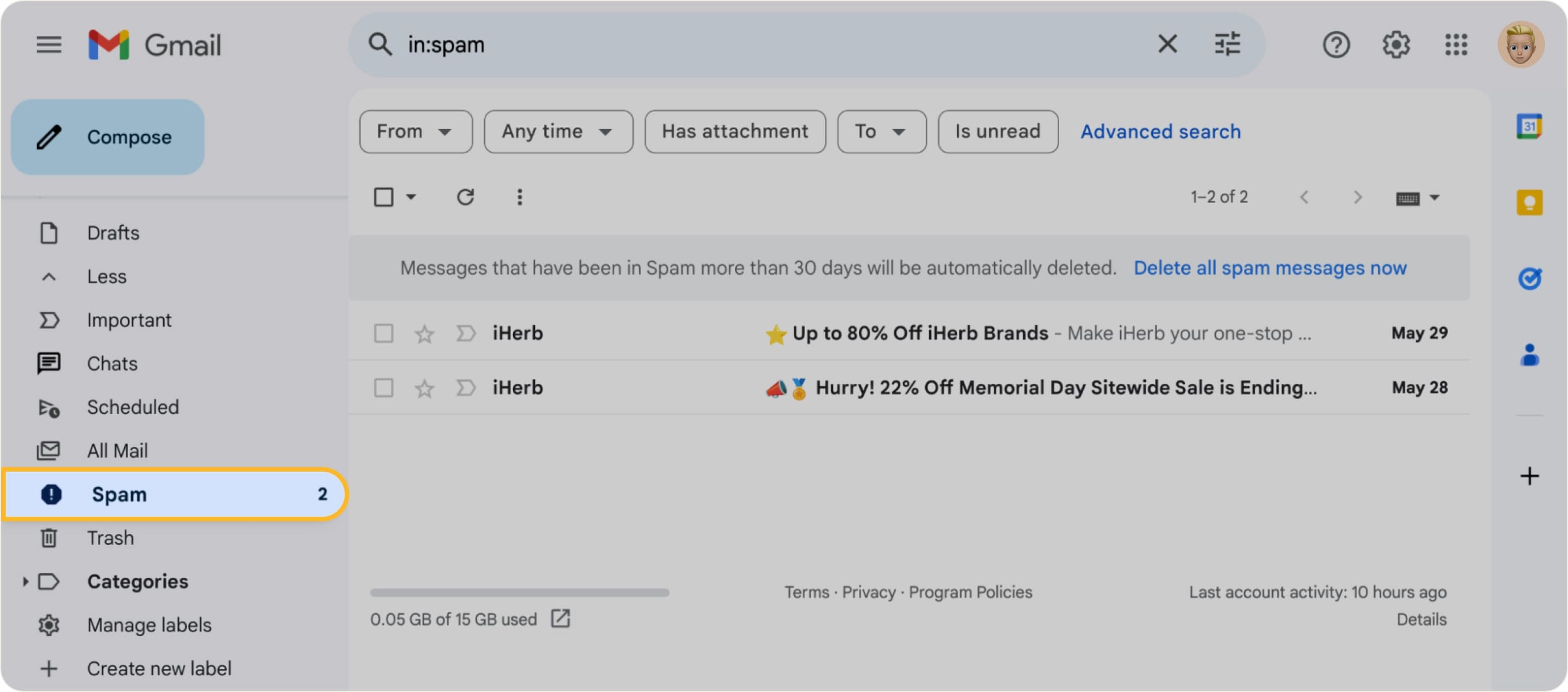
While often used interchangeably, many systems use "Junk" for legitimate marketing mail that you haven't engaged with (graymail) and "Spam" for mail that is clearly malicious or fraudulent. Identifying the difference helps your email provider’s algorithm better categorize future messages.
Can my phone number be "scrubbed" from spam lists?
While you can register for "Do Not Call" lists provided by various governments, these lists are primarily followed by legitimate telemarketers. Scammers often ignore them. The most effective way to reduce mobile spam is to use the built-in filtering tools on your smartphone's operating system and to avoid sharing your phone number on public forums or unverified websites.
How does DMARC protect me as a recipient?
DMARC protects you by ensuring that the emails appearing to come from trusted brands (like your bank or a major retailer) actually did come from them. If a scammer tries to spoof a brand that has a strict DMARC "reject" policy, the email will never even reach your junk folder; it will be blocked at the server level.
Strategic Recommendation
To effectively manage the modern burden of junk mail, transition from a reactive to a proactive defensive posture. Use email aliases for all non-essential sign-ups to compartmentalize your digital identity. For organizations, the immediate priority should be the full implementation of DMARC with a "p=reject" policy to protect your domain's reputation and prevent your customers from receiving fraudulent mail in your name. Reducing the burden requires a combination of technical authentication, aggressive filtering, and disciplined personal habits.
Image Gallery