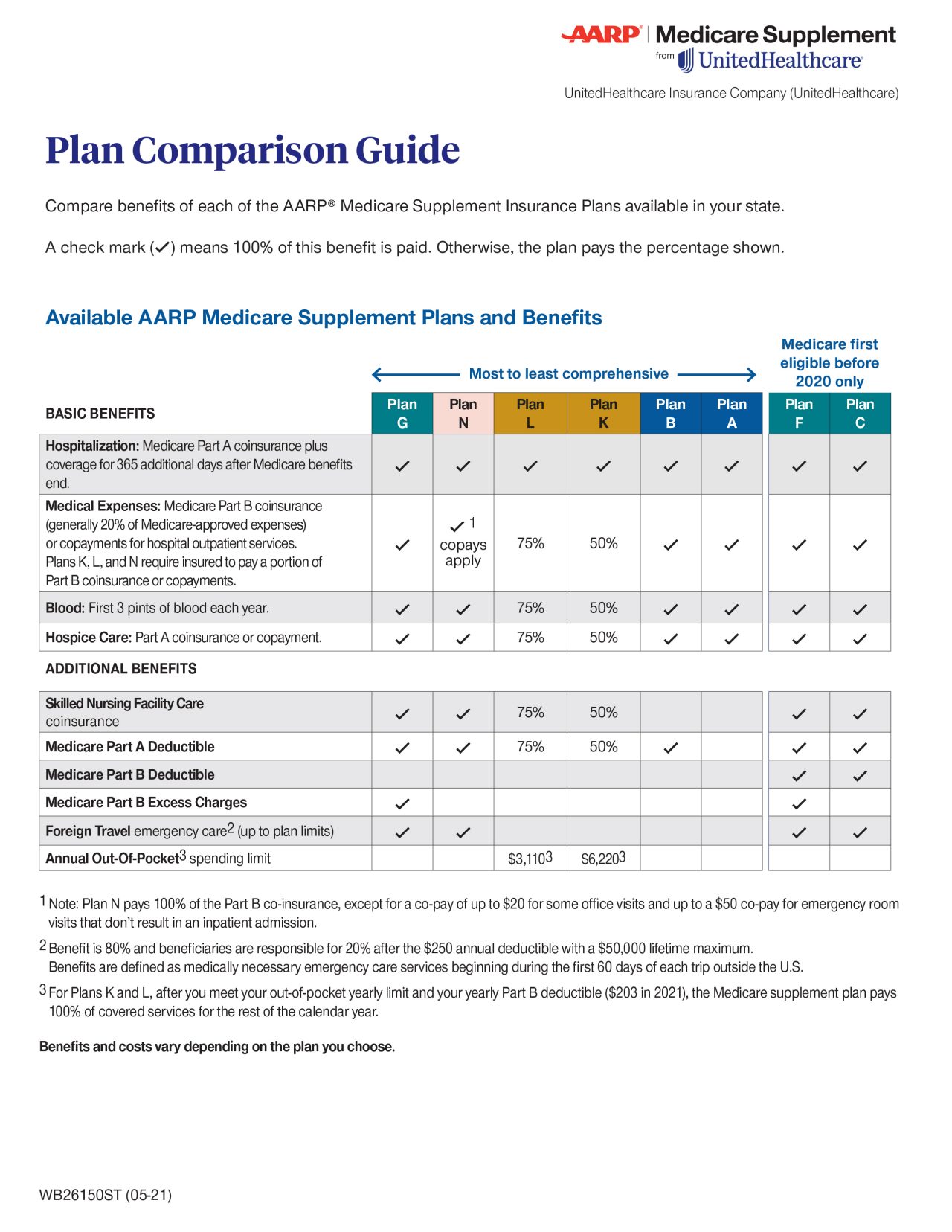
USAA Life Insurance Medicare Supplement Payer ID: A Comprehensive Guide for 2026
The primary Payer ID for USAA Life Insurance Company, specifically for Medicare Supplement (Medigap) electronic claims, is 61751. This five-digit alphanumeric code serves as the electronic address for providers to submit claims via cle...
The primary Payer ID for USAA Life Insurance Company, specifically for Medicare Supplement (Medigap) electronic claims, is 61751. This five-digit alphanumeric code serves as the electronic address for providers to submit claims via clearinghouses, ensuring that Medicare Supplement data is routed correctly to USAA’s health insurance processing systems. While many Medigap claims are handled through the automatic Medicare "crossover" process, this Payer ID remains essential for secondary billing, manual electronic submissions, and troubleshooting claim rejections.
Contents
Electronic Data Interchange (EDI) is the backbone of modern healthcare administration. For providers and billing specialists working with USAA members in 2026, understanding the nuances of the USAA Life Insurance Payer ID is critical to maintaining a healthy revenue cycle and ensuring that veterans and their families receive their benefits without delay.
Understanding the Role of Payer ID 61751
In the complex ecosystem of medical billing, a Payer ID (also known as an Electronic Remittance Advice or ERA ID) acts as a unique identifier for insurance carriers. When a provider submits a claim through a billing software or a clearinghouse like Change Healthcare, Availity, or Waystar, the software uses the Payer ID to determine exactly where the digital file should be sent.
Why USAA Uses the "Life Insurance" Designation for Medigap
Many users are confused as to why a Medicare Supplement plan is filed under "USAA Life Insurance." Historically and structurally, USAA organizes its Medicare Supplement products under the USAA Life Insurance Company or USAA Life Insurance Company of New York. Because Medigap is technically a health insurance product sold by a life insurance entity, the Payer ID 61751 is shared across several of their supplemental health lines.
Using the correct ID prevents "Payer Not Found" errors, which are among the leading causes of claim denials in the first pass of the billing cycle.
Medicare Crossover vs. Manual Electronic Submission
In 2026, the vast majority of Medicare Supplement claims do not require the provider to manually enter a Payer ID for the secondary insurance. This is due to the Coordination of Benefits Agreement (COBA), commonly referred to as the "Crossover" process.
The Crossover Mechanism
- Primary Filing: The provider submits the claim to Medicare (the primary payer).
- Adjudication: Medicare processes the claim and pays its portion (typically 80% of the Medicare-approved amount).
- Automatic Transfer: Once Medicare adjudicates the claim, the Medicare Administrative Contractor (MAC) automatically "crosses over" the claim data to USAA Life Insurance.
- Secondary Payment: USAA receives the data electronically, matches it to the member’s Medigap policy, and pays the remaining coinsurance or deductibles directly to the provider.
When Manual Use of Payer ID 61751 is Required
Despite the efficiency of crossover, there are specific scenarios where a billing specialist must manually input the USAA Payer ID:
- Crossover Failures: If the member’s Medicare Secondary Payer (MSP) information is outdated or if the "Medigap" field on the original Medicare claim was left blank.
- Tertiary Billing: If USAA is the third payer in a complex coordination of benefits scenario.
- Claims for Non-Covered Medicare Services: Some supplemental benefits may require direct billing to the secondary carrier if Medicare denies the service as a non-covered benefit but the supplement policy offers specific coverage for it.
- Initial Setup: When a provider's office is first credentialing or setting up their EDI routing for a new USAA patient.
Technical Specifications for EDI Submissions
For technical staff and clearinghouse administrators, the Payer ID is only one piece of the puzzle. The following table summarizes the essential routing information for USAA Life Insurance Medicare Supplement claims in 2026.
| Field Description | Data Requirement |
|---|---|
| Payer Name | USAA Life Insurance Company |
| Electronic Payer ID | 61751 |
| Claim Format | HIPAA 5010 - 837 Professional / 837 Institutional |
| Mailing Address (Paper) | P.O. Box 650760, Dallas, TX 75265-0760 |
| NAIC Number | 69663 |
| ERA (Electronic Remittance) | Supported via Payer ID 61751 |
| EFT (Electronic Funds Transfer) | Available through USAA Provider Portal |
EDI Loop and Segment Information
When configuring 837 EDI files, the Payer ID 61751 must be placed in the Loop 2110B (Payer Name) segment. Specifically:
- NM101: Entity Identifier Code (should be "PR" for Payer).
- NM108: Identification Code Qualifier (should be "PI" for Payer Identifier).
- NM109: The Payer ID itself (61751).
Failure to correctly map these segments can result in a "Rejection at Clearinghouse," meaning the claim never even reaches USAA’s servers.
Verifying Member Eligibility Before Submission
Before relying on Payer ID 61751, it is imperative to verify that the patient’s coverage is active. USAA members often have multiple products (Auto, Property, Life), and a standard USAA membership card is not the same as a Medicare Supplement ID card.
Key Steps for Eligibility Verification:
- Request the Medigap ID Card: Ensure the card specifically mentions "Medicare Supplement" and "USAA Life Insurance Company."
- Check the Member ID Prefix: USAA member IDs are typically numeric, but the Medigap policy number is distinct from the general member number.
- Use the Portal: Providers should utilize the USAA provider portal or their clearinghouse’s integrated eligibility tool (270/271 transaction) using Payer ID 61751 to confirm active coverage for the date of service.
Troubleshooting Common Rejections
Even with the correct Payer ID, electronic claims can be rejected. In 2026, the most common reasons for rejections involving USAA 61751 include:
1. Invalid Member ID
If the member ID entered does not match USAA’s records exactly, the clearinghouse will drop the claim. Always double-check if the ID requires a specific suffix or if the billing software is accidentally pulling the member's Social Security Number instead of their policy number.
2. Entity Mismatch
If a claim is sent to 61751 but the patient actually has a "USAA Casualty Insurance" policy (which might cover accidental medical but not Medigap), the claim will be rejected. 61751 is strictly for the Life Insurance entity.
3. Duplicate Claim
If the crossover process worked but the provider also sent a manual electronic claim using 61751, the system will flag the second submission as a duplicate. It is advisable to wait at least 30 days from the date Medicare paid before attempting a manual secondary submission.
The Importance of the NAIC Number
While the Payer ID is used for EDI routing, the NAIC (National Association of Insurance Commissioners) number is often required for state-level reporting and formal credentialing. For USAA Life Insurance Company, the NAIC number is 69663. In some legacy billing systems, if the Payer ID 61751 is not recognized, entering the NAIC number can sometimes resolve the routing link within the clearinghouse database.
Frequently Asked Questions
Does USAA Life Insurance have a different Payer ID for different states?
No. In 2026, USAA Life Insurance Company uses the centralized Payer ID 61751 for Medicare Supplement claims across all 50 states. Whether the patient is in Texas, California, or New York, the electronic routing remains the same. However, the physical mailing address for paper appeals may occasionally vary, so always check the back of the member's current ID card.
Can I submit Medicare Advantage claims to Payer ID 61751?
No. USAA primarily focuses on Medicare Supplement (Medigap) plans. Medicare Advantage (Part C) plans are different entities. If USAA were to partner with a third party for Medicare Advantage, that plan would likely have a completely different Payer ID associated with the specific health maintenance organization (HMO) or preferred provider organization (PPO) network.
How long does it take for USAA to process a claim sent to 61751?
Electronic claims sent via Payer ID 61751 are typically acknowledged by the clearinghouse within 24 hours. Once received by USAA, adjudication for Medicare Supplement claims usually occurs within 7 to 14 business days, provided the primary Medicare payment data is clear and the "Explanation of Medicare Benefits" (EOMB) is attached or transmitted via the crossover.
What should I do if my clearinghouse does not list USAA Life Insurance?
If 61751 does not appear in your software’s payer list, you may need to contact your clearinghouse’s support team to "map" the payer. You can provide them with the Payer ID (61751), the NAIC code (69663), and the company address (San Antonio, TX) to have them add it to your specific portal.
Is there a separate Payer ID for USAA Life Insurance of New York?
Generally, Payer ID 61751 is used for the parent company and its subsidiaries for EDI health claims. However, some clearinghouses may have a specific secondary ID for the New York entity. If 61751 is rejected for a New York resident, verify with your clearinghouse if they require a regional variation, though this is rare in 2026's highly consolidated EDI environment.
Final Recommendations for Providers
To ensure seamless reimbursement from USAA for Medicare Supplement services, providers should prioritize the crossover process above all else. Verify that the patient’s Medicare record correctly lists USAA as their supplemental insurer.
If manual billing is necessary, always use Payer ID 61751 and ensure the patient's name and policy number match their USAA Life Insurance card exactly. Regularly audit your clearinghouse reports for "277 Claim Acknowledgments" to catch and correct any 61751-related rejections within the 48-hour window following submission. By maintaining updated EDI tables and verifying eligibility at the point of care, administrative friction can be virtually eliminated.
Image Gallery