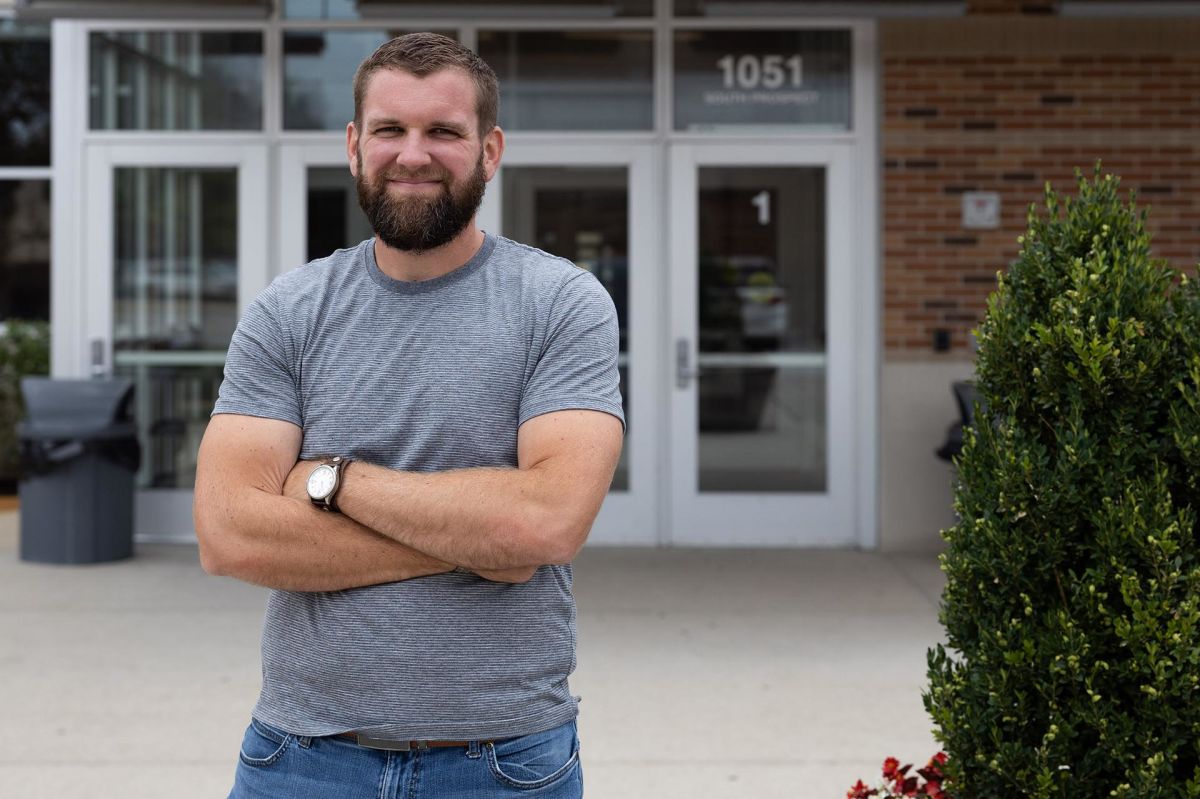
Tim Tomalin and His Role in Campus Nutrition: Leading the Evolution of Collegiate Dining
Tim Tomalin is a prominent figure in collegiate food service management, most notably serving as the Executive Director of Dining Services at the University of California, San Diego (UCSD). In this capacity, he oversees one of the nati...
Tim Tomalin is a prominent figure in collegiate food service management, most notably serving as the Executive Director of Dining Services at the University of California, San Diego (UCSD). In this capacity, he oversees one of the nation’s largest campus dining operations, focusing on the intersection of nutritional transparency, environmental sustainability, and student food security.
Contents
Under the leadership of Tim Tomalin, campus nutrition has transitioned from a basic utility into a comprehensive wellness program. His tenure at UCSD Housing Dining Hospitality (HDH) is characterized by a shift toward data-driven menu planning, the expansion of plant-forward dietary options, and the integration of advanced technology to help students manage their health. As of 2026, the frameworks Tomalin established continue to serve as a benchmark for large-scale institutional dining across the United States.
The Strategic Vision of Modern Campus Nutrition
The role of a Dining Services Director in 2026 is vastly different than it was two decades ago. For Tim Tomalin, the mission extends beyond simple calorie provision. Campus nutrition is now viewed as a critical component of student retention and academic performance. Research consistently shows that students with access to balanced, nutrient-dense meals perform better academically and report higher levels of mental well-being.
Tomalin’s approach focuses on "The Whole Student." This philosophy acknowledges that a student's dietary needs are influenced by their cultural background, medical requirements, and ethical beliefs. By managing a diverse portfolio of dining halls, markets, and specialty cafes, Tomalin ensures that the campus environment supports these varied needs without compromising on speed or affordability.
Integrating Dietetic Expertise into Operations
One of the hallmarks of Tomalin’s leadership is the close collaboration between culinary teams and registered dietitians. In many traditional dining setups, the "chef" and the "nutritionist" often worked in silos. Tomalin bridged this gap by making nutritionists central to the menu development process. Every recipe introduced into the UCSD ecosystem undergoes a rigorous review to ensure it meets specific nutritional profiles, particularly regarding sodium levels, healthy fats, and allergen transparency.
Sustainability and Plant-Forward Initiatives
In the context of the University of California’s broader environmental goals, Tim Tomalin has been a key driver of the "Cool Food Pledge" and other sustainability-focused initiatives. Recognizing that the food system is a major contributor to greenhouse gas emissions, Tomalin’s role involved a fundamental shift in how protein is served on campus.
The Rise of Plant-Forward Menus
Under Tomalin’s direction, plant-forward dining became a standard rather than an alternative. This does not mean a strictly vegan campus, but rather a strategy where plant-based proteins are the "star" of the plate, while animal proteins are used more sparingly or as accents. This shift addresses several goals simultaneously:
- Environmental Impact: Reducing the carbon footprint associated with beef and dairy production.
- Nutritional Density: Increasing the intake of fiber, vitamins, and minerals through whole grains, legumes, and fresh produce.
- Cost Management: Mitigating the rising costs of animal proteins by leveraging high-quality, lower-cost plant alternatives.
Local Sourcing and Supply Chain Resilience
In 2026, supply chain stability remains a concern for large institutions. Tomalin has championed partnerships with local growers and distributors in the Southern California region. By sourcing seasonal produce from nearby farms, the dining services under his watch reduce "food miles" and support the regional economy while ensuring that the food served to students is as fresh as possible.
Technology and Nutritional Transparency
A significant part of Tim Tomalin’s legacy in campus nutrition is the implementation of digital tools that empower students to make informed choices. Navigating a dining hall can be overwhelming for students with Celiac disease, nut allergies, or specific dietary restrictions like Halal or Kosher requirements.
Digital Menu Labeling and NetNutrition
Tomalin oversaw the refinement of platforms like NetNutrition, which allows students to view the nutritional content and allergen data of every dish in real-time. By scanning a QR code at a dining station or using a mobile app, students can filter menus based on their specific needs. This level of transparency is essential for safety and helps students develop lifelong habits of reading labels and understanding what they consume.
| Initiative Category | Key Implementation under Tim Tomalin | Impact on Campus Nutrition |
|---|---|---|
| Allergen Management | Specialized "Personalized Dining" consultations | Increased safety for students with severe food allergies. |
| Sustainability | Transition to 100% compostable packaging | Reduction in campus waste and environmental footprint. |
| Food Access | Integration with the Triton Food Pantry | Reduction in student food insecurity through meal donation programs. |
| Dietary Diversity | Expansion of certified Halal and Kosher stations | Greater inclusivity for students with religious dietary needs. |
| Operational Tech | Mobile ordering and kiosks | Reduced wait times and more controlled portioning. |
Addressing Food Insecurity on Campus
One of the most challenging aspects of Tim Tomalin’s role is addressing the reality of food insecurity among the student population. Even at prestigious institutions, a significant percentage of students may skip meals due to financial constraints.
Tomalin has been instrumental in the partnership between Dining Services and the Triton Food Pantry. Rather than viewing the pantry as a separate entity, Tomalin’s administration integrated pantry support into the dining infrastructure. This includes:
- Meal Share Programs: Allowing students with surplus meal plan "dollars" to donate them to peers in need.
- Recovery Kitchens: Creating systems where overproduced food from dining halls is safely chilled, packaged, and distributed to students facing hunger.
- Basic Needs Hubs: Collaborating with university administrators to ensure that nutrition is recognized as a "basic need" that the university is obligated to support.
Operational Excellence and Scalability
Managing nutrition for a campus of over 40,000 students requires more than just good recipes; it requires sophisticated logistics. Tim Tomalin’s role involves managing a massive budget and a diverse workforce. His ability to scale high-quality nutrition to tens of thousands of meals per day is a case study in operational efficiency.
Quality Control and Training
To maintain nutritional standards, Tomalin implemented continuous training programs for kitchen staff. This ensures that a recipe designed by a dietitian in a test kitchen is executed perfectly in a high-volume dining hall. Standardized portioning is also emphasized, not just for cost control, but to ensure that the nutritional data provided to students (such as calorie counts) remains accurate.
Feedback Loops and Student Engagement
A critical part of Tomalin’s success is his emphasis on student feedback. Through dining committees and satisfaction surveys, he ensures that the menu evolves with student tastes. In 2026, this means incorporating global flavors—such as authentic regional Asian, Mediterranean, and Latin American cuisines—which are often naturally more nutritious and plant-heavy than traditional American "comfort food."
Challenges in the 2026 Landscape
Despite the successes, Tim Tomalin and his team face ongoing challenges. Inflationary pressures on food costs require constant menu re-engineering to keep meal plans affordable. Additionally, as dietary trends become more fragmented (e.g., keto, paleo, specialized gut-health diets), the demand for "customization" puts pressure on high-volume kitchens.
Tomalin’s role continues to evolve as he balances these logistical hurdles with the unwavering goal of providing health-conscious, ethically sourced, and delicious food. His leadership proves that campus dining can be a leader in the broader food industry, demonstrating that it is possible to serve thousands of people while maintaining a focus on the health of both the individual and the planet.
Frequently Asked Questions
What is Tim Tomalin’s specific role at UCSD?
Tim Tomalin serves as the Executive Director of Dining Services within the Housing Dining Hospitality (HDH) department at the University of California, San Diego. He is responsible for the strategic direction, financial management, and operational oversight of all campus-run dining facilities and markets.
How has Tim Tomalin improved food safety for students with allergies?
Under his leadership, the university expanded the use of the NetNutrition platform, which provides exhaustive ingredient lists and allergen warnings for all menu items. Additionally, his team has implemented "Certified Free From" stations and specialized training for staff to prevent cross-contamination in high-volume kitchens.
What is the "plant-forward" initiative led by Tomalin?
The plant-forward initiative is a culinary strategy that prioritizes plant-based foods—such as vegetables, fruits, whole grains, beans, legumes, nuts, and seeds—while not strictly excluding meat. The goal is to reduce the environmental impact of the dining program while improving the overall health profile of student meals.
How does Tim Tomalin’s role impact student food insecurity?
Tomalin facilitates the connection between the university's dining resources and food assistance programs. This includes supporting the Triton Food Pantry through food recovery efforts and managing programs that allow students to donate meal points to their peers who are struggling with food costs.
Does Tim Tomalin oversee the campus markets as well as dining halls?
Yes, his role encompasses both the residential dining halls and the various campus markets. This allows for a cohesive nutritional strategy where healthy, fresh options are available for students who prefer to cook in their apartments as well as those who eat in the dining commons.
Practical Recommendation: Students and faculty interested in the evolving standards of campus nutrition should explore the NACUFS (National Association of College & University Food Services) resources. For those at UCSD, utilizing the NetNutrition portal is the best way to leverage the transparency tools established under Tim Tomalin’s leadership to manage personal dietary health.
Image Gallery