How to Use a Propaganda Thesaurus: A Guide to Analyzing and Framing Persuasive Language
Using a propaganda thesaurus involves cross-referencing loaded, emotionally charged vocabulary with neutral alternatives, dysphemisms, euphemisms, and recognized persuasive techniques. By systematically mapping biased terminology to it...
Using a propaganda thesaurus involves cross-referencing loaded, emotionally charged vocabulary with neutral alternatives, dysphemisms, euphemisms, and recognized persuasive techniques. By systematically mapping biased terminology to its underlying cognitive frames, analysts, journalists, and researchers can deconstruct manipulative narratives, evaluate media bias, and draft objective, emotionally neutral text.
Contents
What Is a Propaganda Thesaurus?
Unlike a standard dictionary or conventional thesaurus—which lists synonyms and antonyms based purely on semantic similarity—a propaganda thesaurus categorizes words and phrases by their emotional resonance, ideological alignment, and rhetorical function. It serves as a specialized lexicon designed to expose or map how language is weaponized to influence human perception, evoke specific emotional responses, or manufacture consent.
At its core, a propaganda thesaurus bridges the gap between raw vocabulary and rhetorical strategy. It categorizes language into distinct layers of persuasion:
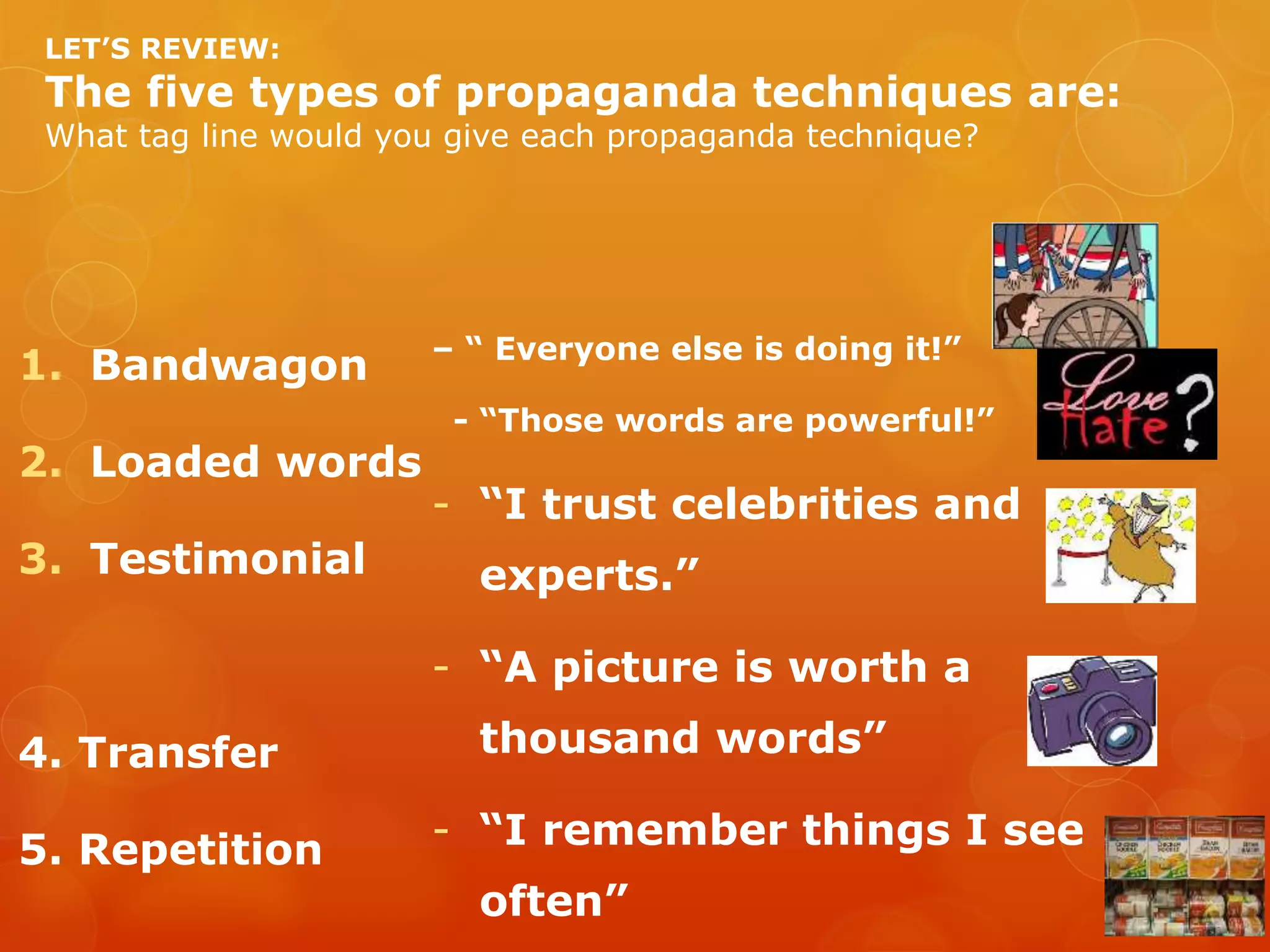
- Loaded Language (Emotive Terms): Words crafted to elicit strong positive or negative reactions (e.g., replacing "change" with "regime collapse" or "transformation").
- Euphemisms: Softened, indirect phrases used to downplay unpleasant realities (e.g., using "collateral damage" instead of "civilian casualties").
- Dysphemisms: Harsh, derogatory terms selected to demean, vilify, or dehumanize a subject (e.g., referring to a political opponent’s policy as a "scheme" or "plot").
- Dog Whistles: Coded language that conveys a specific, often controversial message to a targeted subgroup while appearing benign to the general public.
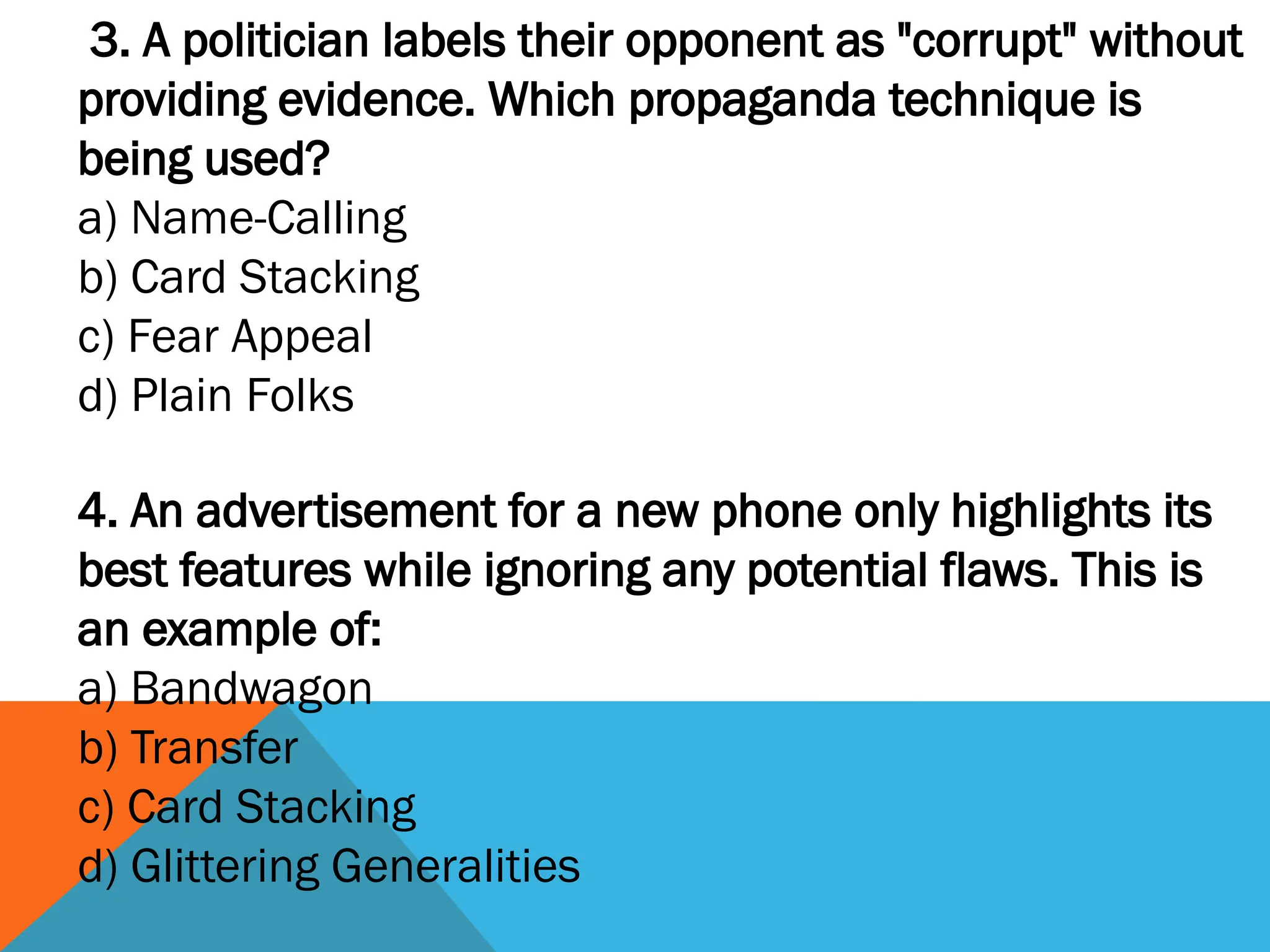
- Technique Classifications: Mapping individual terms to established propaganda methods identified by communications theorists, such as Glittering Generalities, Name-Calling, Transfer, or False Dilemma.
Whether organized as a reference book, an online media literacy database, or an internal style guide for fact-checkers, a propaganda thesaurus reveals how slight shifts in word choice drastically alter reader perception without changing the underlying factual premise.
Why and When to Use a Propaganda Thesaurus
Understanding how to navigate a propaganda lexicon is an essential skill across several professional and academic fields.
Media Literacy and Fact-Checking
Fact-checkers and OSINT (Open Source Intelligence) analysts utilize propaganda thesauruses to strip away emotional bias from news reports, social media campaigns, and official press releases. By isolating the neutral facts from the persuasive framing, analysts can verify underlying claims without being swayed by loaded vocabulary.
Investigative Journalism and Professional Editing
Journalists aiming for strict editorial neutrality consult propaganda lexicons to detect subconscious bias in their own reporting. Replacing value-laden adjectives with objective verbs and nouns ensures that news coverage adheres to professional standards of impartiality.
Academic Research and Rhetorical Analysis
Linguists, political scientists, and communications scholars use these tools to map public discourse over time. By tracking changes in the frequency of specific euphemisms or dysphemisms during political campaigns or geopolitical crises, researchers quantify how public sentiment is actively shaped.
Strategic Communications and Counter-Disinformation
Security professionals and counter-disinformation teams employ propaganda mapping to track adversarial influence operations. Recognizing recurring persuasive tropes allows organizations to issue timely debunks and inoculate the public against manipulative messaging techniques.
Step-by-Step: How to Use a Propaganda Thesaurus
Using a propaganda thesaurus effectively requires a structured, analytical process. Follow these five steps to systematically evaluate or refactor persuasive text.
- STEP 1: Scan and Highlight Target Vocabulary
- Identify emotional triggers, value-laden modifiers, and euphemisms.
- STEP 2: Cross-Reference Terms with Technique Categories
- Map highlighted words to techniques (e.g., Name-Calling, Fear Appeals).
- STEP 3: Map the Vocabulary Across the Neutrality Spectrum
- Position terms between Euphemism, Neutral Denotation, & Dysphemism.
- STEP 4: Deconstruct Implied Assumptions and Moral Framing
- Uncover hidden premises, target emotions, and presuppositions.
- STEP 5: Rewrite or Critique Based on Analytical Intent
- Strip bias for neutral reporting or document propaganda tactics.
Step 1: Scan and Highlight Target Vocabulary
Begin by reading the source text to identify words that carry strong moral or emotional weight. Look specifically for:
- Unsubstantiated, highly descriptive adjectives (e.g., reckless, historic, disastrous, unprecedented).
- Abstract nouns that lack concrete operational definitions (e.g., patriots, extremists, freedom, subversives).
- Passive voice constructions that hide agency (e.g., "mistakes were made" or "targets were impacted").
Step 2: Cross-Reference Terms with Technique Categories
Look up the highlighted terms within the propaganda thesaurus. Determine which underlying persuasion category the word serves. For instance:
- If a word attempts to associate an idea with an unquestioned positive concept (like "family values" or "heritage"), classify it under Glittering Generalities.
- If a word links a persona or policy to a negative symbol without evidence, classify it under Name-Calling or Guilt by Association.
Step 3: Map the Vocabulary Across the Neutrality Spectrum
Locate the term’s entries in the thesaurus to see its positional alternatives. Most propaganda dictionaries plot vocabulary along a three-point spectrum:
- Euphemism (Positive/Softened Spin): Minimizes severity or sanitizes actions.
- Neutral Denotation (Objective Baseline): Describes the action or state factually without judgment.
- Dysphemism (Negative/Hostile Spin): Maximizes outrage, fear, or contempt.
Step 4: Deconstruct Implied Assumptions and Moral Framing
Once you have mapped the word to its neutral counterpart, examine the cognitive frame that the original choice enforces. Ask yourself:
- What reaction does this specific word demand from the audience?
- What baseline assumptions must the reader accept for this term to seem natural?
- Which moral foundations (e.g., care/harm, loyalty/betrayal, authority/subversion) are being triggered?
Step 5: Rewrite or Critique Based on Analytical Intent
Finally, apply your findings according to your objective:
- To create neutral content: Replace all euphemisms and dysphemisms with the neutral baseline terms identified in Step 3.
- To write a critical analysis: Document the original word choices, cite the corresponding propaganda techniques, and explain how the language attempts to manipulate the reader’s perception.
Comparative Framing Matrix
The following table demonstrates how a propaganda thesaurus categorizes loaded vocabulary, mapping loaded terms to neutral alternatives, opposing dysphemisms, and primary psychological mechanisms.
| Original Loaded Term | Euphemistic Variant | Neutral Baseline | Dysphemistic Variant | Primary Propaganda Technique | Target Emotional Response |
|---|---|---|---|---|---|
| Regime | Administration | Government | Junta / Dictatorship | Name-Calling (Degradation) | Distrust, Hostility |
| Freedom Fighter | Rebel | Armed Insurgent | Terrorist / Militant | Transfer / Moral Elevation | Admiration vs. Terror |
| Enhanced Interrogation | Alternative Procedures | Severe Interrogation / Torture | Abuse / Brutality | Euphemistic Labeling | Compliance, Indifference |
| Bailout | Economic Stabilization | Direct Financial Aid | Corporate Welfare | False Dilemma / Card Stacking | Gratitude vs. Resentment |
| Entitlements | Safety Net Programs | Mandatory Spending / Benefits | Government Handouts | Dysphemistic Labeling | Pride vs. Contempt |
| Surveillance | Security Monitoring | Data Collection / Observation | Spying / Intrusion | Fear Appeal / Transfer | Reassurance vs. Paranoia |
Advanced Analytical Concepts: Euphemisms, Dysphemisms, and Moral Foundations
To maximize the utility of a propaganda thesaurus, analysts must look beyond simple word substitution and examine the structural mechanisms of language manipulation.
Decoding the Slanted Language Triad
In 1948, philosopher Bertrand Russell famously illustrated how the same human trait can be described using three different emotional lenses depending on the speaker's bias:
- I am firm. (Positive / Heroic)
- You are obstinate. (Neutral / Slightly critical)
- He is pig-headed. (Negative / Dysphemistic)
A propaganda thesaurus formalizes this "Emotive Conjugation." When evaluating news coverage, tracking these triads reveals the editorial bias of the outlet. If an outlet consistently uses firm, principled language for one political group while describing the identical actions of an opposing group as dogmatic or stubborn, systemic framing is present.
- Euphemism / Self-Serving: "Firm" / "Strategic Asset"
- Neutral Denotation: "Resolute" / "Military Base"
- Dysphemism / Adversarial: "Pig-headed" / "Outpost"
Uncovering Coded Language and Dog Whistles
Standard dictionaries often fail to capture dog whistles because the definitions appear benign on the surface. A specialized propaganda thesaurus indexes these terms by their secondary, culturally specific meanings.
For instance, invoking terms related to "urban preservation" or "traditional heritage" may function as neutral policy commentary in one context, while serving as coded signals to specific demographic bases in another. Effective use of a propaganda lexicon requires evaluating the historical and socio-political context in which the text was produced to identify these hidden layers of intent.
Identifying Moral Foundation Triggering
Linguistic framing frequently targets core human moral intuition. Social psychologists identify several key moral axes that propaganda routinely exploits:
- Care vs. Harm: Language framing policies around protecting vulnerable populations or preventing suffering.
- Fairness vs. Cheating: Vocabulary emphasizing justice, rights, and proportional rewards versus "rigged systems."
- Loyalty vs. Betrayal: Terms highlighting patriotism, solidarity, and duty versus "traitors" and "outsiders."
- Authority vs. Subversion: Phrases advocating order, tradition, and respect versus "chaos" and "lawlessness."
- Sanctity vs. Degradation: Language leveraging ideas of purity, nobility, and sacredness versus "corruption" and "decay."
By cross-referencing loaded vocabulary with these moral axes, analysts can pinpoint precisely which psychological levers a piece of propaganda is attempting to pull.
Common Pitfalls to Avoid
While a propaganda thesaurus is an invaluable tool for critical analysis, misapplying it can lead to flawed conclusions. Keep these common mistakes in mind:
- Assuming All Descriptive Language Is Propaganda: Not every strong adjective is manipulative. Vivid imagery, emotional expression, and forceful arguments are standard components of human communication and literature. Language becomes propaganda when it intentionally misleads, obscures factual reality, or systematically dehumanizes subjects.
- Ignoring Historical Context: Words change meaning over time. A term considered neutral fifty years ago may carry severe dysphemistic weight today. Always evaluate vocabulary within its specific historical and cultural setting.
- Relying on Single-Word Analysis: Individual words rarely constitute propaganda in isolation. Effective persuasion relies on narrative structure, sentence arrangement, selective omission of context (card stacking), and visual framing. Always analyze terms in the context of the complete work.
- Falling Victim to Confirmation Bias: Analysts must avoid using a propaganda lexicon solely to criticize ideological opponents while ignoring identical framing techniques used by sources they favor. Apply the exact same analytical criteria to all content regardless of origin.
Frequently Asked Questions
What is the difference between a standard thesaurus and a propaganda thesaurus?
A standard thesaurus groups words strictly by semantic similarity (meaning). A propaganda thesaurus groups words by rhetorical intent, emotional weight, cognitive framing, and underlying persuasive techniques (such as euphemism, dysphemism, name-calling, or glittering generalities).
Can a propaganda thesaurus be used to write persuasive content?
Yes. Copywriters, speechwriters, and political strategists often use propaganda lexicons in reverse—selecting words with specific emotional connotations and moral framing to make their arguments more compelling or memorable to a target audience.
How do I determine if a word is acting as a euphemism or a dysphemism?
Examine the objective reality of the situation being described. If the word minimizes negative aspects or sanitizes harm (e.g., "downsizing" instead of "mass layoffs"), it functions as a euphemism. If it exaggerates negative traits or invites hostility (e.g., "slash-and-burn cuts"), it functions as a dysphemism.
Where can I find a published propaganda thesaurus?
Propaganda lexicons exist in several formats, including academic texts on rhetoric, style guides from journalism institutes (such as the AP Stylebook's guidance on neutral terminology), online media-literacy resources (such as EUvsDisinfo or the Institute for Propaganda Analysis archives), and specialized political science reference manuals.
Is propaganda always false?
No. Propaganda can rely on completely accurate facts that are selectively framed, emphasized, or presented out of context to lead the audience to a specific, biased conclusion. The defining characteristic of propaganda is its persuasive intent and framing strategy, not necessarily the falsity of its individual facts.
Final Recommendation: Integrating Propaganda Analysis into Daily Workflows
To build an effective habit of rhetorical analysis, treat every persuasive text as an engineered artifact rather than a neutral stream of information. When analyzing high-stakes media, political speeches, or corporate communications, establish a simple verification routine:
- Extract: Highlight the top five most emotionally charged words or phrases in the text.
- Translate: Use a propaganda thesaurus or framing matrix to convert those terms into their neutral baseline equivalents.
- Evaluate: Re-read the modified text with neutral vocabulary. If the overall argument loses its compelling force once the loaded language is stripped away, the original piece relied primarily on emotional manipulation rather than factual evidence.
By systematically applying this process, writers can maintain strict editorial integrity, and media consumers can insulate themselves against sophisticated rhetorical manipulation.
Image Gallery