Navigating the Search for the Best Orthotic Shoes for Plantar Fasciitis
Finding the best orthotic shoes for plantar fasciitis involves choosing footwear with built-in or removable arch support, deep heel cups to stabilize the foot, and rigid midsoles that prevent excessive stretching of the plantar fascia....
Finding the best orthotic shoes for plantar fasciitis involves choosing footwear with built-in or removable arch support, deep heel cups to stabilize the foot, and rigid midsoles that prevent excessive stretching of the plantar fascia. These specialized shoes reduce tension on the inflamed band of tissue, helping to alleviate heel pain during daily walking and standing.
Contents
Understanding Plantar Fasciitis and How Orthotic Shoes Help
Plantar fasciitis is one of the most common causes of heel pain, characterized by a stabbing sensation that typically occurs with the first steps in the morning or after a period of rest. The condition stems from inflammation of the plantar fascia, a thick, web-like ligament that connects your heel bone to your toes. This band acts as a shock absorber and supports the arch of your foot. When subjected to excessive stress, repetitive strain, or biomechanical imbalances such as flat feet or high arches, tiny tears can develop in the tissue, triggering pain and swelling.
Traditional footwear often lacks the structural integrity required to manage this strain. Many fashion-oriented shoes feature flat, flexible soles that allow the foot to flatten excessively—a movement known as overpronation. Overpronation forces the plantar fascia to stretch farther than natural limits, compounding mechanical stress with every step. Orthotic shoes and specialized footwear intervene by altering ground reaction forces and controlling foot kinematics. By maintaining proper alignment from the ground up, these shoes reduce the workload on the plantar fascia, giving the inflamed tissue the necessary environment to heal.
Core Anatomical Features of Effective Plantar Fasciitis Footwear
When evaluating footwear designed to mitigate heel pain, consumers must look beyond marketing terms and examine specific structural components. Not all supportive shoes are created equal, and understanding the mechanical function of each part helps ensure an informed purchase.
Rigid or Semi-Rigid Midsoles
The midsole is the structural core of any shoe, positioned between the outsole and the insole. For plantar fasciitis, a shoe requires a midsole that resists excessive twisting and bending. If a shoe can be easily wrung out like a washcloth, it fails to provide the rigidity needed to control foot motion. A firm midsole distributes body weight evenly across the entire foot surface, preventing the arch from collapsing during the propulsive phase of walking.
Anatomical Arch Support
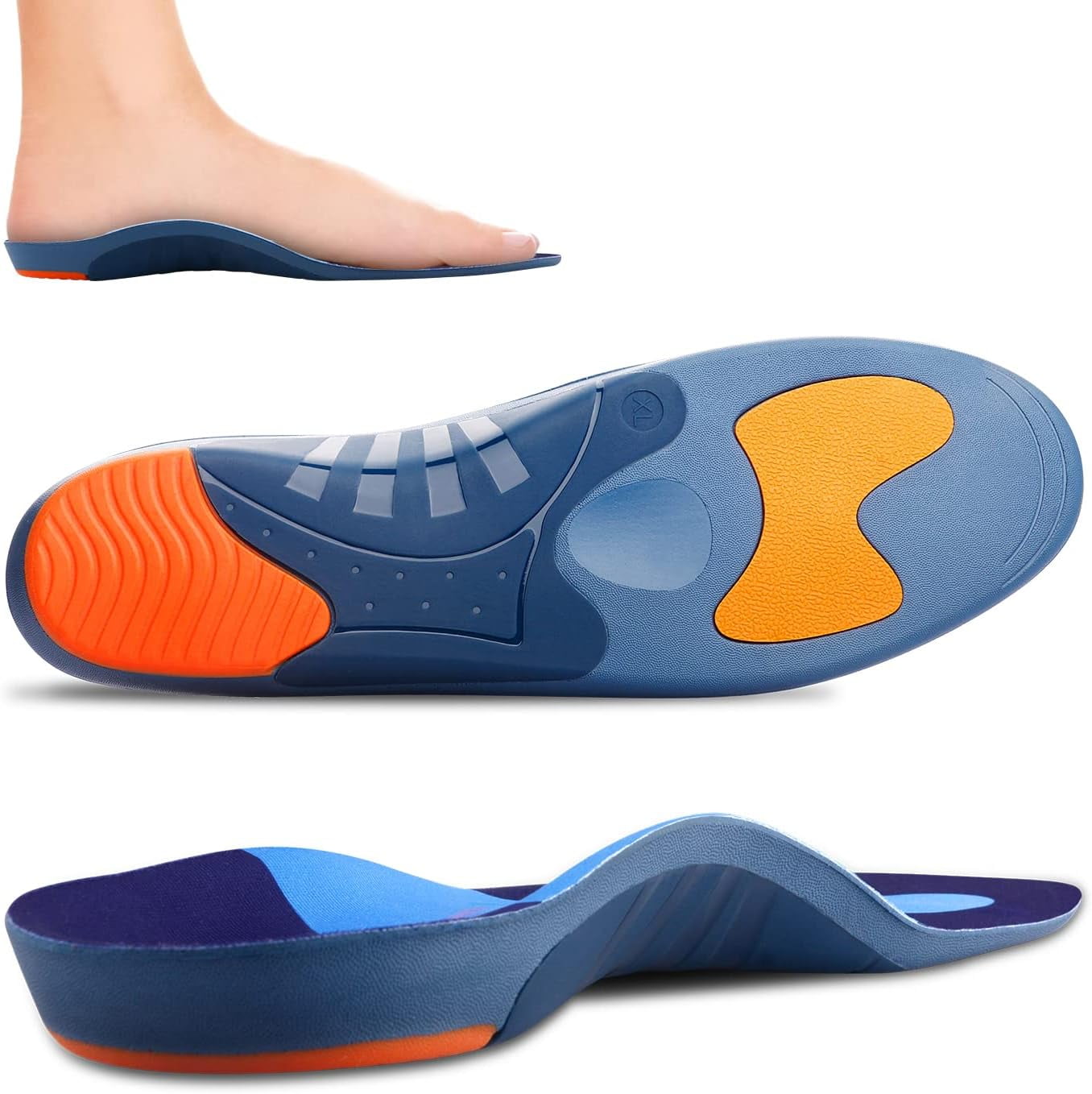
An arch support must match the height and contour of the wearer's foot. Shoes designed for plantar fasciitis typically feature contoured footbeds that cradle the instep. This targeted contact prevents the arch from dropping downward, which directly relieves tension on the attached plantar fascia. Some therapeutic footwear accommodates custom prescription orthotics by featuring removable insoles, allowing users to slip out the factory liner and insert a podiatrist-prescribed device.
Stabilizing Heel Cups
The heel bone, or calcaneus, dictates the alignment of the entire lower extremity. A deep, structured heel cup stabilizes the fat pad beneath the heel, enhancing natural shock absorption. By keeping the heel centered and preventing it from rolling inward or outward, the heel cup reduces rotational stress transmitted up through the ankle, tibia, and knee.
Cushioning and Shock Absorption
While structural support is paramount, adequate cushioning is necessary to soften the impact forces generated when the heel strikes the ground. High-density EVA (ethylene-vinyl acetate) foam or specialized polyurethane cushioning layers absorb high-impact shock, protecting the heel spur area and minimizing repetitive micro-trauma to the plantar fascia.
Comparing Footwear Types and Therapeutic Options
Different lifestyle requirements demand different categories of footwear. Selecting the appropriate shoe depends heavily on environmental context, whether the user is engaged in high-impact exercise, working an eight-hour shift on concrete floors, or seeking comfortable casual wear.
| Footwear Category | Primary Structural Benefits | Ideal Use Case | Key Considerations |
|---|---|---|---|
| Athletic Running Shoes | Maximum cushioning, thick midsoles, rocker bottoms | Walking, running, high-impact exercise | Look for stability or motion-control models with firm arches. |
| Orthopedic Walking Shoes | Firm heel counters, rigid shanks, wide toe boxes | Daily wear, prolonged standing, retail/healthcare work | Often heavier than standard sneakers; prioritize breathability. |
| Therapeutic Sandals & Slippers | Molded footbeds, deep heel cups, adjustable straps | Indoor wear, warm-weather casual use | Ensure the arch support remains rigid and does not compress quickly. |
| Dress and Casual Shoes | Hidden depth, removable insoles, discreet arch support | Professional office environments, formal events | May require custom thin orthotics if factory support is minimal. |
Athletic and Walking Shoes
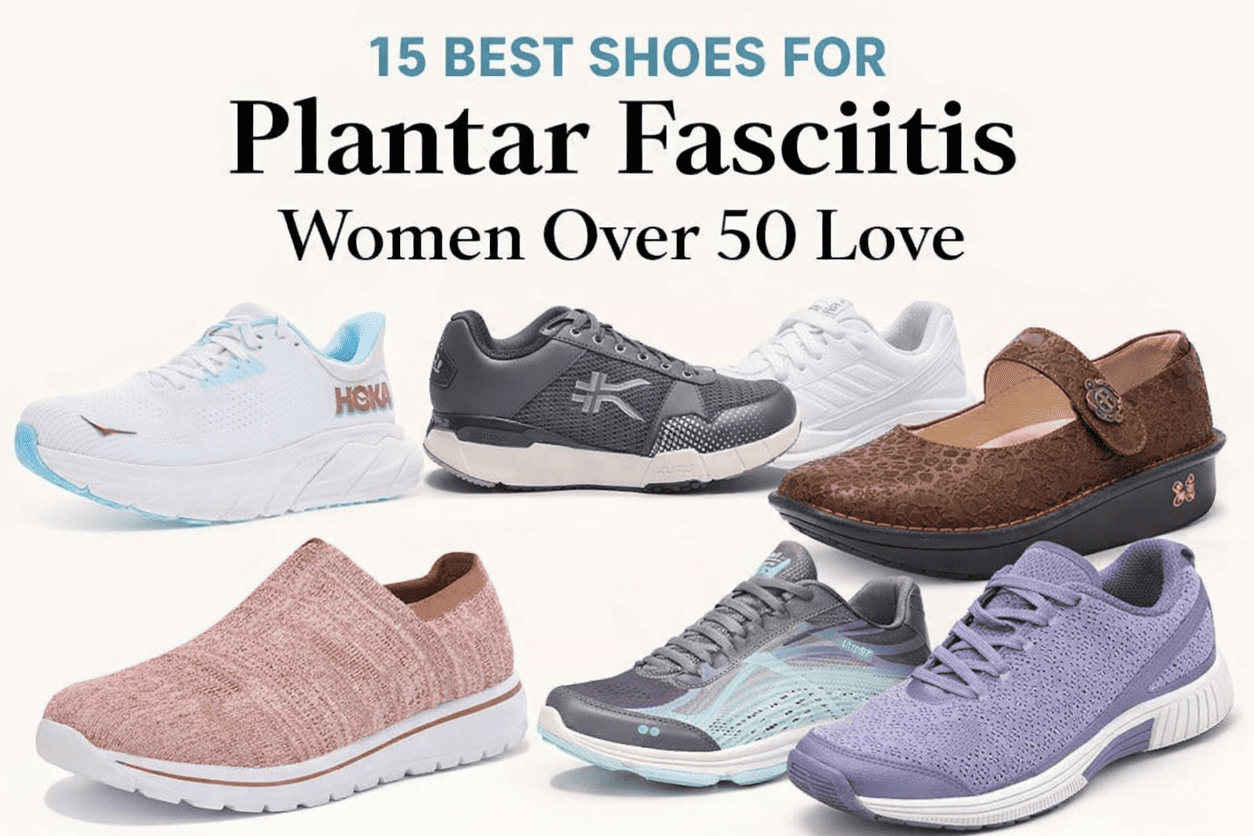
Athletic footwear brands often engineer specific models for overpronators. These stability or motion-control shoes utilize dual-density foams on the medial side of the midsole to slow down inward rolling. Furthermore, rocker-bottom designs—where the sole curves upward at the toe and heel—facilitate a smooth transition from heel strike to toe-off, minimizing the bending motion of the forefoot and reducing stress on the plantar fascia.
Professional and Standing Footwear
Individuals who spend long hours standing on hard surfaces face accelerated foot fatigue. Professional footwear designed for nurses, service industry workers, and educators typically features slip-resistant outsoles combined with industrial-grade cushioning. These shoes prioritize sustained support, ensuring that the midsole materials do not pack down or lose their structural resilience halfway through a work shift.
Casual and Recovery Footwear
Even off-duty hours require attention to foot mechanics. Walking barefoot on hard household floors places immediate, unmitigated strain on the plantar fascia. Recovery sandals and house slippers equipped with podiatrist-approved footbeds bridge this gap, offering essential indoor protection and arch elevation without requiring laced athletic shoes inside the home.
Selecting the Right Fit and Accommodating Custom Orthotics
Finding a shoe that features exceptional orthotic properties means little if the fit is incorrect. Poorly sized footwear introduces new problems, such as friction blisters, toe crowding, and altered gait patterns that can exacerbate lower limb pain.
When shopping for therapeutic shoes, visit a specialty running store or an orthopedic footwear retailer late in the day, when feet are naturally swollen from daily activity. Ensure there is approximately a thumb’s width of space between your longest toe and the front of the shoe. The widest part of your foot should align naturally with the widest part of the shoe’s sole.
If you utilize custom orthotic inserts provided by a podiatrist or orthopedic specialist, verify that the shoe features a removable footbed. Removing the factory-installed insert creates the necessary vertical depth inside the shoe to accommodate the custom device without crowding the dorsal aspect of the foot against the upper mesh or leather. For further guidance on medical management and stretching protocols, consult authoritative resources such as the American Academy of Orthopaedic Surgeons (AAOS) via orthoinfo.aaos.org.
Common Mistakes to Avoid When Purchasing Footwear for Heel Pain
Navigating the market for supportive footwear involves recognizing common pitfalls that can delay healing or worsen symptoms.
- Assuming Maximum Softness Equals Support: Many consumers mistakenly purchase ultra-plush, marshmallow-soft shoes believing they help heel pain. In reality, excessively soft soles allow the foot to sink and destabilize, forcing the plantar fascia to work harder to maintain arch integrity.
- Neglecting Overall Shoe Wear: Shoes degrade structurally long before the treads wear out. Midsoles typically compress and lose their shock-absorbing and supportive properties after 300 to 500 miles of use, or roughly 6 to 12 months of regular wear.
- Ignoring Width Specifications: Wearing shoes that are too narrow compresses the forefoot and alters natural weight distribution. Ensure you select appropriate width options (such as wide or extra-wide) if your foot structure demands it.
- Failing to Transition Gradually: When switching from minimalist shoes to rigid orthotic footwear, introduce the new shoes gradually over several days to allow foot and ankle musculature to adapt to the altered biomechanics.
Frequently Asked Questions
Can I just buy orthotic insoles instead of new shoes?
Orthotic inserts can be highly effective if your current shoes possess a firm midsole, a stable heel counter, and a removable factory insole. However, if your existing shoes are worn out, flexible, or lack structural support, placing an insert into them will not provide the necessary foundation. Combining a supportive shoe with a targeted orthotic insert yields the best clinical outcome.
How long does it take for orthotic shoes to relieve plantar fasciitis pain?
Timeline varies based on the chronicity and severity of the condition. Some individuals experience noticeable relief within a few days of wearing supportive footwear, while chronic cases may require several weeks of consistent wear combined with stretching exercises, physical therapy, and activity modification before substantial improvement is observed.
Are expensive orthotic shoes always better than budget options?
Price does not strictly correlate with therapeutic efficacy. While premium brands invest heavily in proprietary foam technologies and specialized biomechanical research, the most critical factor is how well the shoe's arch height, width, and rigidity match your unique foot anatomy. A moderately priced stability shoe that fits correctly outperforms an expensive specialty shoe that does not match your foot shape.
Can I wear running shoes all day for plantar fasciitis?
Yes, high-quality running shoes with stability features and firm midsoles are frequently recommended by podiatrists for all-day wear, especially for individuals who stand or walk extensively. However, for professional or formal settings where athletic sneakers are inappropriate, look for dedicated dress or casual shoes that incorporate podiatrist-designed orthotic footbeds.
Do I need to wear orthotic shoes indoors?
Walking barefoot or in flat, unsupportive slippers on hard hardwood or tile floors is a primary trigger for morning plantar fasciitis flare-ups. Wearing supportive house shoes, recovery slides, or indoor sandals with built-in arch support helps maintain mechanical protection throughout the entire day.
Practical Next Actions and Professional Consultation
Investing in the right footwear represents a crucial foundational step in managing heel pain, but it should be part of a comprehensive recovery strategy. Pair your new shoes with consistent, gentle stretching of the calf muscles and the plantar fascia itself, particularly before taking your first steps in the morning. Ice rolling and targeted anti-inflammatory measures can also assist in reducing acute tissue irritation.
If heel pain persists despite weeks of appropriate footwear modification, rest, and conservative home care, schedule an evaluation with a qualified podiatrist, orthopedic specialist, or physical therapist. Persistent pain may require professional interventions such as custom prescription orthotics, night splints, extracorporeal shock wave therapy, or targeted corticosteroid injections to resolve chronic inflammation effectively.
Image Gallery