Understanding the 5 Key Benefits of Vitamin B1 for Health
Vitamin B1, commonly known as thiamine, is a water-soluble micronutrient that plays a foundational role in human metabolism, nervous system maintenance, and cellular energy production. Although the human body requires thiamine in relat...
Vitamin B1, commonly known as thiamine, is a water-soluble micronutrient that plays a foundational role in human metabolism, nervous system maintenance, and cellular energy production. Although the human body requires thiamine in relatively small amounts, it cannot synthesize the vitamin independently, making regular dietary intake or targeted supplementation essential for maintaining physiological equilibrium.
Contents
The Fundamentals of Thiamine: What is Vitamin B1?
Vitamin B1 is a member of the water-soluble B-complex family. Because the body does not store significant reserves of thiamine in tissues, continuous dietary replenishment is required to prevent deficiencies. Once ingested, thiamine is absorbed primarily in the small intestine and converted into its active biological form, thiamine pyrophosphate (TPP).
TPP acts as an essential coenzyme for multiple enzyme complexes involved in carbohydrate metabolism and energy production. Without adequate TPP, cells cannot effectively convert glucose into adenosine triphosphate (ATP), the primary energy currency of the body. This biochemical limitation disproportionately impacts high-energy organs, particularly the brain, heart, and nervous system, setting the stage for the diverse health benefits associated with the vitamin.
1. Cellular Energy Production and Metabolic Support
The most fundamental physiological function of vitamin B1 is its role in cellular metabolism. Every cell in the human body requires energy to execute its daily functions, and thiamine serves as a critical catalyst in this process.
The Role of Thiamine Pyrophosphate (TPP)
As a coenzyme for pyruvate dehydrogenase and alpha-ketoglutarate dehydrogenase, TPP facilitates the breakdown of sugars and amino acids. This metabolic pathway is essential for extracting usable energy from dietary carbohydrates. When thiamine levels are optimal, metabolic efficiency remains high, allowing cells to convert macronutrients into steady fuel without unnecessary strain on physiological systems.
Preventing Metabolic Sluggishness
A subclinical deficiency in vitamin B1 can impair this conversion process, leading to cellular energy deficits. Individuals experiencing mild thiamine shortages often report persistent fatigue, muscle weakness, and a general lack of stamina, even when caloric intake and sleep patterns are sufficient. Ensuring adequate vitamin B1 intake supports robust energy metabolism across all organ systems.
2. Nervous System Protection and Cognitive Function
The nervous system is exceptionally sensitive to fluctuations in thiamine levels. Because neural tissues rely almost exclusively on glucose for fuel, any disruption in carbohydrate metabolism can quickly compromise neurological health.
Nerve Signal Transmission
Vitamin B1 contributes to the synthesis of acetylcholine, a major neurotransmitter responsible for relaying messages between the brain and the peripheral nervous system. Adequate acetylcholine levels are vital for muscular coordination, sensory perception, and cognitive processing.
Defense Against Neurodegenerative Stress
Research indicates that thiamine acts as an antioxidant within neural tissue, protecting neurons from oxidative stress and metabolic injury. Chronic thiamine deficiency can lead to severe neurological conditions, including Wernicke-Korsakoff syndrome—a debilitating brain disorder most commonly associated with chronic alcohol consumption and severe nutritional deprivation. Maintaining adequate vitamin B1 intake preserves structural integrity within the central nervous system, supporting memory retention, focus, and long-term cognitive health.
3. Cardiovascular Health and Myocardial Function
The heart is one of the most metabolically active organs in the human body, pumping continuously throughout a person's lifespan. Consequently, myocardial tissue has a high demand for thiamine-dependent energy production.
Supporting Heart Muscle Contraction
Thiamine ensures that cardiac muscle cells receive a steady, reliable supply of ATP. Adequate ATP production is necessary for the continuous, rhythmic contraction and relaxation of the heart.
Mitigating Cardiovascular Risks
Severe vitamin B1 deficiency can lead to a condition known as "wet beriberi," which directly impacts the cardiovascular system by causing high-output heart failure, peripheral edema, and cardiomegaly (enlarged heart). While severe beriberi is rare in developed nations today, maintaining optimal thiamine intake remains a cornerstone of preventative cardiovascular care, helping to support normal heart rhythm and vascular tone.
4. Enhanced Immune System Resilience
While vitamins C and D frequently dominate discussions about immune support, vitamin B1 plays an equally vital, albeit less visible, role in maintaining immune competence.
Strengthening Cellular Defense Mechanisms
The immune system relies on rapid cell division and metabolic adaptation when responding to pathogens. Thiamine supports the proliferation of white blood cells, such as lymphocytes, which mount targeted attacks against foreign invaders.
Reducing Systemic Inflammation
Emerging nutritional studies suggest that thiamine possesses immunomodulatory properties that help regulate inflammatory responses. By supporting healthy metabolic pathways, vitamin B1 assists the body in preventing chronic, low-grade systemic inflammation, which is a known precursor to numerous metabolic and autoimmune disorders.
5. Promotion of Positive Mood and Emotional Well-Being
Mental health is closely intertwined with neurological efficiency and metabolic stability. Because vitamin B1 directly influences brain function, it plays a supportive role in emotional regulation and psychological resilience.
Brain Chemistry Regulation
By assisting in neurotransmitter synthesis, thiamine helps maintain stable chemical signaling pathways in regions of the brain that govern mood and stress response.
Alleviating Brain Fog and Irritability
Clinical observations indicate that even marginal thiamine deficiencies can manifest as psychological symptoms, including irritability, anxiety, brain fog, and depressive tendencies. Restoring adequate vitamin B1 levels frequently correlates with improvements in mental clarity, emotional stability, and overall mood.
Dietary Sources and Daily Requirements
To secure the health benefits of vitamin B1, individuals must consume adequate amounts through diet or supplementation. The Recommended Dietary Allowance (RDA) varies by age, sex, and life stage, generally hovering around 1.1 to 1.2 milligrams per day for adult women and men, respectively, with higher requirements during pregnancy and lactation.
| Food Source | Serving Size | Approximate Thiamine Content |
|---|---|---|
| Whole Grains (Brown Rice, Oats) | 1 cup (cooked) | 0.2 – 0.4 mg |
| Pork Chops (Lean) | 3 ounces | 0.4 – 0.5 mg |
| Black Beans / Lentils | 1 cup (cooked) | 0.3 – 0.4 mg |
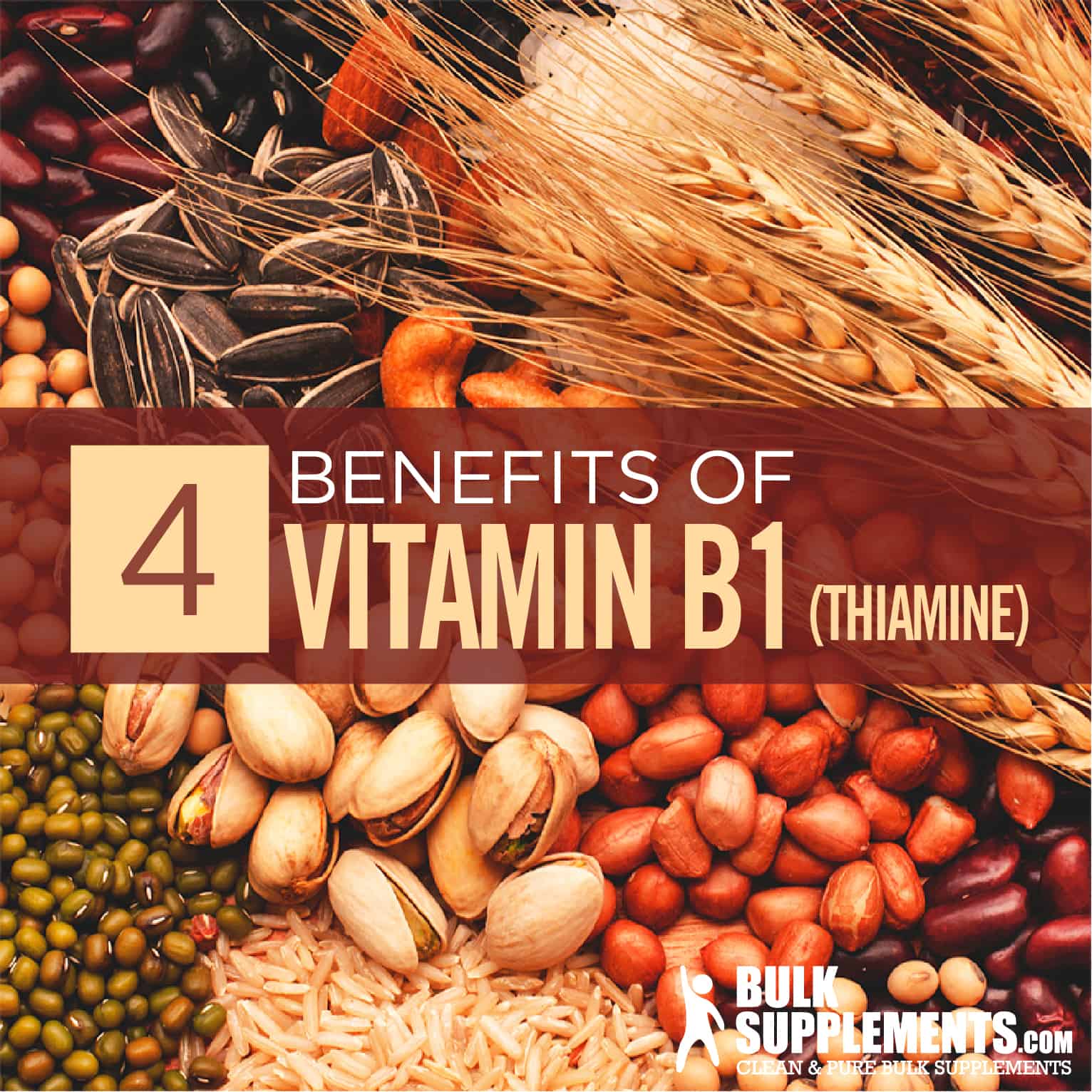
| Sunflower Seeds | 1 ounce | 0.4 mg |
| Fortified Breakfast Cereals | 1 serving | Varies by brand (often 100% RDA) |
Recognizing Thiamine Deficiency and Risk Factors
While overt vitamin B1 deficiency (such as beriberi) is uncommon in nations with abundant food supplies, subclinical deficiencies do occur. Certain populations face elevated risks due to dietary habits, medical conditions, or lifestyle factors.
- Chronic Alcohol Consumption: Alcohol impairs thiamine absorption in the gastrointestinal tract and accelerates its excretion by the kidneys.
- Bariatric Surgery: Procedures that alter the digestive tract can significantly reduce the body's ability to absorb water-soluble vitamins.
- Diuretic Use: Long-term use of loop diuretics for hypertension or heart failure can increase urinary thiamine loss.
- Advanced Age: Older adults may experience reduced dietary intake and lower intestinal absorption rates.
Disclaimer: The information provided in this article is for educational and informational purposes only and should not be construed as professional medical advice. Always consult a qualified healthcare provider before making significant changes to your diet or starting any new supplement regimen.
Frequently Asked Questions
What happens if you consume too much vitamin B1?
Because vitamin B1 is water-soluble, excess amounts are typically excreted through urine rather than accumulating to toxic levels in the body. Consequently, adverse side effects from high dietary or supplemental intakes are rare. However, extremely high doses taken via intravenous or intramuscular injection under medical supervision can occasionally cause allergic reactions or mild gastrointestinal discomfort.
Can vitamin B1 supplements boost energy levels for everyone?
Vitamin B1 supplementation will only improve energy levels if the individual has an underlying deficiency or elevated metabolic demand. For people with adequate baseline thiamine status, taking extra vitamin B1 will not provide a noticeable boost in energy, as the body simply excretes the surplus.
How does cooking affect the thiamine content in food?
Thiamine is sensitive to heat and alkalinity. Prolonged boiling, high-heat cooking, and the use of baking soda in food preparation can degrade vitamin B1 content significantly. Steaming, microwaving, and consuming foods raw or lightly cooked help preserve their original thiamine levels.
Are certain populations more vulnerable to thiamine deficiency?
Yes. Individuals with chronic alcoholism, those recovering from bariatric surgery, older adults with restricted diets, and patients undergoing long-term diuretic therapy are at a heightened risk of developing thiamine deficiency and may benefit from targeted nutritional monitoring.
What is the connection between vitamin B1 and glucose metabolism?
Vitamin B1 acts as a coenzyme for pyruvate dehydrogenase, a critical enzyme required to break down glucose into energy. Without adequate thiamine, glucose cannot be efficiently metabolized, leading to cellular energy starvation, particularly in high-demand tissues like the brain and heart.
Next Actions for Optimal Health
To ensure your body receives adequate vitamin B1, audit your daily diet to include rich sources such as whole grains, lean pork, legumes, and seeds. If you suspect a deficiency due to dietary restrictions, gastrointestinal conditions, or lifestyle factors, consult a primary care physician or a registered dietitian. A healthcare professional can evaluate your symptoms, recommend appropriate diagnostic testing, and advise whether a targeted thiamine supplement is necessary to support your long-term health and metabolic vitality.
Image Gallery