Why Life Insurance Companies Deny Claims: Common Reasons and How to Protect Your Beneficiaries
Life insurance companies typically deny claims due to material misrepresentation on the application, policy lapses resulting from unpaid premiums, or deaths occurring during the two-year contestability period. Denials also stem from sp...
Life insurance companies typically deny claims due to material misrepresentation on the application, policy lapses resulting from unpaid premiums, or deaths occurring during the two-year contestability period. Denials also stem from specific policy exclusions, such as illegal acts or hazardous activities, and administrative errors involving outdated beneficiary designations or missing legal documentation.
Contents
The fundamental purpose of life insurance is to provide financial security to loved ones after a policyholder passes away. However, the process of receiving a death benefit is not always automatic. As of 2026, insurance carriers utilize more sophisticated data-mining tools and integrated electronic health records (EHR) to verify the information provided during the initial application process. When a discrepancy arises between the policyholder’s statements and the facts discovered during a claim investigation, the result is often a claim denial or a significant reduction in the payout.
Understanding why these denials occur is essential for both policyholders aiming to secure their family’s future and beneficiaries navigating the complexities of a recent loss. This guide explores the technical, legal, and administrative reasons behind life insurance claim denials and provides actionable steps to mitigate these risks.
Material Misrepresentation and Omissions
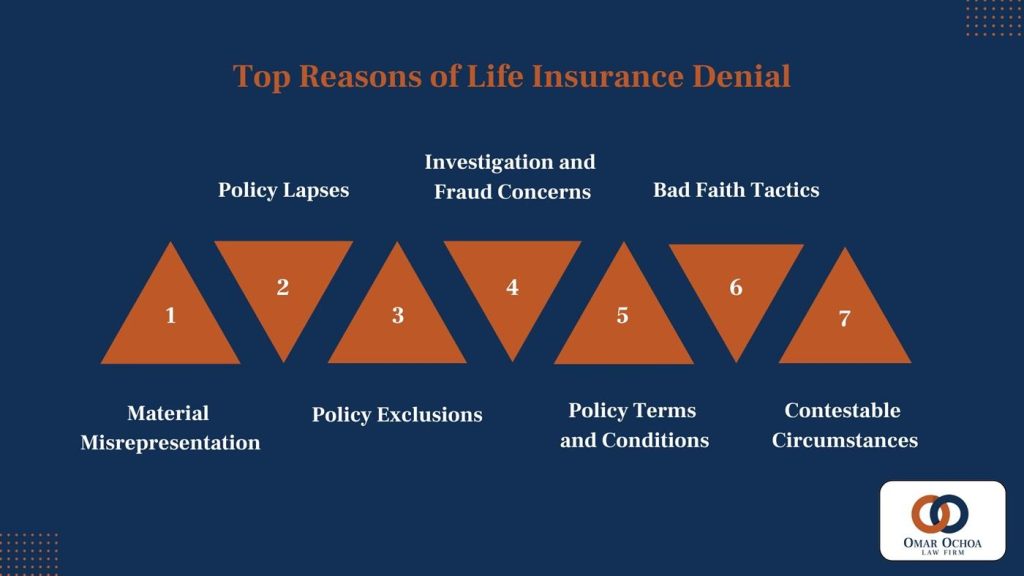
Material misrepresentation is perhaps the most common reason for a life insurance claim denial. This occurs when an applicant provides false information or omits critical facts that would have influenced the insurance company's decision to issue the policy or the premium rate charged.
The Role of Accuracy in Underwriting
When you apply for life insurance, the company performs an "underwriting" process to assess your risk level. They ask about your medical history, family health history, tobacco and alcohol use, occupation, and lifestyle habits. If an applicant fails to disclose a pre-existing condition—such as hypertension, diabetes, or a history of depression—the insurer considers this a breach of the insurance contract.
In 2026, insurers have near-instant access to the Medical Information Bureau (MIB) and prescription drug databases. If a beneficiary files a claim and the insurer discovers the deceased was taking medication for a condition not disclosed on the application, they may argue that had they known the truth, they never would have issued the policy.
Intent vs. Impact
It is a common misconception that only "intentional" lies lead to denials. In many jurisdictions, even an accidental omission can be grounds for a denial if the information is deemed "material." A fact is material if its disclosure would have resulted in the insurer declining the risk or charging a higher premium. For example, failing to mention a "minor" heart murmur that later contributes to a fatal cardiac event is often sufficient for a denial.
The Contestability Period
Every life insurance policy includes a "contestability period," which is a window of time—usually the first two years after the policy is issued—during which the insurance company has the legal right to investigate the validity of the application.
Why the First Two Years Matter
If the policyholder dies within this two-year window, the insurance company will automatically conduct a thorough investigation. They will request medical records, autopsy reports, and potentially interview family members to ensure the application was 100% accurate. If any material misrepresentation is found, the company can void the policy and deny the claim, typically refunding only the premiums paid to that point.
Beyond the Two-Year Window
Once the contestability period expires, the policy is generally considered "incontestable." However, there are exceptions. In many states, if the insurer can prove "gross fraud"—such as someone else taking the medical exam on behalf of the applicant—they may still be able to contest the claim even after many years have passed.
Policy Lapses Due to Non-Payment
A life insurance policy is a contract that remains in force only as long as premiums are paid. If a policyholder stops making payments, the policy will eventually "lapse," meaning coverage terminates.
The Grace Period
Standard life insurance contracts include a grace period, typically 30 or 31 days. If a premium is missed, the coverage remains active during this window. If the policyholder dies during the grace period, the insurer will pay the death benefit but will subtract the overdue premium from the final payout.
The Danger of Reinstatement
If a policyholder misses the grace period and then pays to "reinstate" the policy, a new contestability period may begin. This is a critical technicality; by reinstating a lapsed policy in 2026, you might inadvertently reset the clock, giving the insurer another two years to investigate your health status if a claim is filed.
Common Policy Exclusions
Life insurance policies do not cover every possible cause of death. Specific "exclusion clauses" define circumstances under which the company is not obligated to pay.
The Suicide Clause
Almost all life insurance policies contain a suicide clause, which states that the death benefit will not be paid if the insured commits suicide within the first two years of the policy. This is designed to prevent individuals from purchasing a policy with the immediate intent of ending their lives to provide for their families. After the two-year mark, most policies will cover suicide, though local state laws may vary.
Illegal Acts and Felony Exclusions
If a policyholder dies while committing a crime, the claim is likely to be denied. This "illegal acts" exclusion applies if the death was a direct result of criminal activity, such as driving under the influence (DUI), participating in a robbery, or trespassing. Insurers argue that engaging in criminal behavior represents an unassumed and uncalculated risk.
Hazardous Activities and Avocations
During the application process, insurers ask about dangerous hobbies like skydiving, scuba diving, or mountain climbing. If you fail to disclose these and die while participating in them, the claim will be denied. Even if you do disclose them, the insurer might add an "exclusion rider" that specifically states they will not pay out if the death occurs during that specific activity.
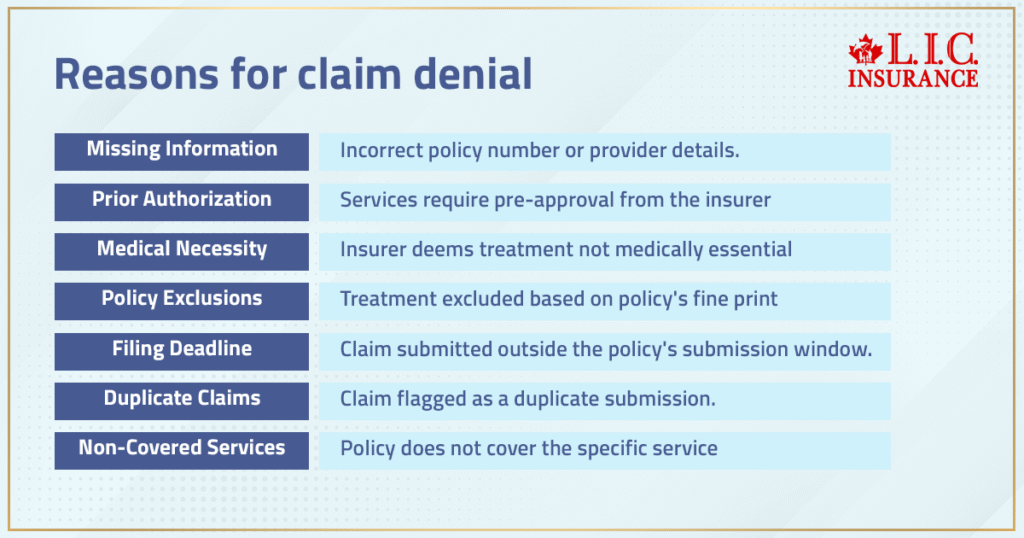
| Reason for Denial | Technical Cause | Impact on Claim | How to Avoid |
|---|---|---|---|
| Material Misrepresentation | Omission of medical facts or lifestyle risks. | Full denial of death benefit. | Disclose all medical history and habits honestly. |
| Policy Lapse | Failure to pay premiums within the grace period. | Coverage terminates; no payout. | Set up autopay and monitor policy status annually. |
| Contestability Period | Death occurs within 24 months of issuance. | Mandatory investigation of application. | Ensure 100% accuracy on initial application forms. |
| Exclusions | Death occurs during excluded acts (e.g., DUI). | Claim denied based on policy language. | Review "Exclusion Riders" in the policy document. |
| Suicide Clause | Death by suicide within the first two years. | Return of premiums only; no benefit. | Understand the 24-month waiting period for coverage. |
| Beneficiary Issues | Improperly filed or outdated designations. | Payout delayed or paid to the estate. | Update beneficiaries after major life events. |
Administrative and Documentation Issues
Sometimes, the denial isn't about the cause of death, but rather how the claim was handled or who was listed on the policy.
Outdated Beneficiaries
If a policyholder gets divorced but fails to remove an ex-spouse as the beneficiary, the insurance company is often legally required to pay the person listed on the document, regardless of the policyholder’s presumed intent. If there is a legal dispute between an ex-spouse and a current spouse, the insurer may withhold payment (a process called interpleader) until a court decides who is the rightful recipient.
Missing Documentation
Insurers require a certified death certificate and a completed claim form to process a payout. In 2026, while many processes are digital, the "certified" requirement often remains a hurdle. If the cause of death is listed as "pending" on the death certificate (common in toxicology cases), the insurer will delay payment until the final cause is determined.
Steps to Take if a Life Insurance Claim is Denied
A denial letter is not necessarily the final word. Beneficiaries have the right to appeal the decision and seek legal counsel.
- Request a Detailed Explanation: The insurer must provide the specific reason for the denial in writing, citing the policy language and the evidence they found.
- Review the Original Application: Compare the reason for denial against the copies of the original application. If the insurer claims you omitted something, check to see if the question was actually asked or if the agent filled it out incorrectly.
- Gather Counter-Evidence: If the claim was denied due to a medical condition, gather records from your own doctors that might contradict the insurer’s findings.
- Consult an Attorney: Life insurance law is complex, and "bad faith" claims against insurers are common. An experienced attorney can determine if the insurer is unfairly interpreting the policy or the law.
- Contact the State Insurance Department: Every state has a regulatory body, such as the National Association of Insurance Commissioners (NAIC), which oversees insurance practices. Filing a complaint can sometimes trigger a secondary review by the carrier.
The financial impact of a life insurance denial can be devastating. By maintaining transparency during the application process and keeping premiums current, policyholders can ensure that the safety net they built remains intact for their families.
Frequently Asked Questions
Can a life insurance company deny a claim for a death caused by COVID-19 or other pandemics? No, provided the policy was in force and the applicant did not misrepresent their health status at the time of application. As of 2026, standard life insurance policies cover natural causes of death, including viral infections and pandemics, unless a very specific and rare exclusion was added to the policy.
What happens if the beneficiary dies before the policyholder? If a primary beneficiary dies and no contingent beneficiary is listed, the death benefit typically goes into the policyholder's estate. This can lead to delays in probate court and may result in the funds being used to pay off the deceased’s debts before reaching heirs.
Does a life insurance company investigate every single death? They do not investigate every death with the same intensity. Deaths occurring after the contestability period are usually processed quickly. However, deaths occurring within the first two years, or deaths involving unusual circumstances (accidents, homicides, or foreign travel), almost always trigger a comprehensive investigation.
If my claim is denied because of a mistake I made on the application, can I fix it later? No. Once the policyholder has passed away, the contract is "frozen." You cannot retroactively change the application. This highlights the importance of the "free look period"—a 10-to-30-day window after buying a policy during which you can review all documents for accuracy and cancel without penalty if errors are found.
Can an insurer deny a claim if the policyholder died in a foreign country? Yes, if the death cannot be verified through official channels. Insurers often struggle to verify death certificates from regions with limited administrative infrastructure. Policyholders planning to live abroad for extended periods should notify their insurer to ensure their coverage remains valid in that specific jurisdiction.
Practical Recommendation: To prevent a claim denial, perform an "annual policy audit." Verify that your premiums are being paid via a reliable method, ensure your beneficiaries' contact information is current, and keep a digital copy of your policy and original application in a secure location accessible to your heirs. If you have a complex medical history, consider working with an independent agent who can help you navigate "high-risk" underwriting to ensure your disclosures are legally robust.
Image Gallery