Understanding Yale’s Standing as an NCAA Division I Institution
Yale University is a full member of the National Collegiate Athletic Association (NCAA) Division I, the highest level of intercollegiate athletics in the United States. As a founding member of the Ivy League, Yale competes at the premi...
Yale University is a full member of the National Collegiate Athletic Association (NCAA) Division I, the highest level of intercollegiate athletics in the United States. As a founding member of the Ivy League, Yale competes at the premier competitive tier while strictly adhering to a unique model that emphasizes academic achievement and prohibits the use of athletic scholarships.
Contents
In 2026, the landscape of collegiate sports continues to evolve through NIL (Name, Image, and Likeness) developments and conference realignments, yet Yale University remains a steadfast pillar of the NCAA Division I structure. Established in New Haven, Connecticut, Yale’s athletic department supports over 30 varsity teams, competing primarily in the Ivy League. While many people associate "Division I" with the massive athletic scholarships seen in conferences like the SEC or Big Ten, Yale and its Ivy League peers operate under a distinct set of regulations that prioritize the "student" in student-athlete without compromising the caliber of competition.
The Specifics of Yale’s NCAA Division I Classification
NCAA Division I is divided into several sub-classifications, particularly regarding football. To maintain Division I status, an institution must meet rigorous criteria concerning the number of sports offered, financial aid minimums (or specific exceptions), and scheduling requirements.
Yale competes in the NCAA Division I Football Championship Subdivision (FCS), formerly known as Division I-AA. This is distinct from the Football Bowl Subdivision (FBS). In the FCS, programs are generally limited in the number of scholarships they can provide, but the Ivy League takes this a step further by offering zero athletic scholarships. For all other sports—ranging from basketball and soccer to fencing and rowing—Yale competes in the standard Division I non-football categories.
To remain a Division I school in 2026, Yale must sponsor a minimum of seven sports for men and seven for women (or six for men and eight for women). Yale far exceeds this, maintaining one of the most comprehensive athletic programs in the nation with 35 varsity teams. This breadth of programming allows the university to foster a diverse athletic community while meeting the high-performance standards required by the NCAA’s top tier.
The Ivy League Distinction and Scholarship Policy
The most common point of confusion regarding Yale’s Division I status is the absence of athletic scholarships. In most Division I programs, talented athletes receive full or partial rides based on their physical performance. However, the Ivy League—comprising Yale, Harvard, Princeton, Brown, Columbia, Cornell, Dartmouth, and the University of Pennsylvania—operates under a different philosophy.
Need-Based Financial Aid
At Yale, all financial assistance is based strictly on demonstrated financial need. There are no merit scholarships of any kind, whether for athletics or academics. This means a star quarterback and a world-class violinist are evaluated by the financial aid office using the same criteria. While this might seem like a disadvantage in recruiting, Yale’s massive endowment allows it to offer some of the most generous need-based aid packages in the world, often making it more affordable than state schools for many families.
The Academic Index
Because Yale is a Division I school with elite academic standards, the Ivy League employs a mechanism called the Academic Index (AI). This is a formula that combines standardized test scores and class rank to ensure that recruited athletes are within a reasonable range of the general student body's academic profile. This ensures that Yale athletes are capable of handling the university’s rigorous curriculum while competing at a high level.
Athletics as a Core Component of the Yale Experience
Yale’s commitment to Division I athletics is reflected in its vast array of programs. The university supports 18 men’s varsity teams and 17 women’s varsity teams. These programs are not merely extracurricular activities; they are integral to the university's identity and historical legacy.
| Category | Men’s Varsity Sports | Women’s Varsity Sports |
|---|---|---|
| Field Sports | Football, Soccer, Lacrosse, Baseball | Soccer, Lacrosse, Softball, Field Hockey |
| Court Sports | Basketball, Tennis, Squash | Basketball, Tennis, Squash, Volleyball |
| Water Sports | Crew (Heavyweight & Lightweight), Swimming & Diving | Crew, Swimming & Diving, Sailing |
| Other Sports | Golf, Fencing, Cross Country, Track & Field (Indoor/Outdoor) | Golf, Fencing, Cross Country, Track & Field (Indoor/Outdoor), Gymnastics |
Yale has seen significant success in various disciplines. The men’s lacrosse team and the men’s hockey team have both claimed national championships in the 21st century, proving that the Ivy League model can produce teams capable of defeating "scholarship" schools on the biggest stages. In 2026, Yale continues to invest in coaching and facilities to ensure its athletes can compete for NCAA tournament berths and national titles.
Iconic Facilities and Infrastructure
To support a Division I program, an institution must provide facilities that meet specific NCAA standards for safety, capacity, and functionality. Yale’s athletic infrastructure is among the most historic and impressive in the country.
- The Yale Bowl: Opened in 1914, this legendary stadium is a National Historic Landmark. With a capacity of over 60,000 (though currently capped lower for modern safety and comfort), it was the first bowl-shaped stadium in the country and served as the inspiration for the Rose Bowl.
- Payne Whitney Gymnasium: Often cited as one of the largest indoor athletic facilities in the world, this "cathedral of sweat" houses multiple pools, fencing salons, squash courts, and the John J. Lee Amphitheater.
- Ingalls Rink: Known as the "Yale Whale" due to its distinctive design by architect Eero Saarinen, this venue provides one of the most intimate and electric atmospheres in Division I college hockey.
- Gilder Boathouse: A state-of-the-art facility on the Housatonic River that supports Yale’s elite rowing programs, which are among the oldest and most successful in the nation.
These facilities are not just for varsity athletes. Yale’s Division I status trickles down into a robust intramural and club sports system, utilizing these world-class venues to promote physical wellness across the entire campus community.
The Recruitment Process for Yale Athletes
Recruiting at a Division I school like Yale is a multi-year process that requires a delicate balance of athletic scouting and academic vetting. Unlike a "typical" Division I school where a coach might offer a scholarship on the spot, a Yale coach must work closely with the admissions office.
The "Likely Letter"
In the Ivy League, coaches can request a "Likely Letter" for top-tier recruits. This is a preliminary evaluation by the admissions office indicating that the student is likely to be admitted, provided their academic performance remains consistent. This provides the student with the security needed to commit to Yale without the traditional athletic scholarship contract.
The Commitment to Excellence
Yale athletes are expected to be leaders on campus. Because there are no athletic scholarships, the "hold" a coach has over a player is based on mutual respect and the player’s desire to compete. This creates a unique culture where athletes are often among the most motivated and disciplined students in the classroom, as they are pursuing their sport for the love of the game and the prestige of the university rather than a financial transaction.
Historical Significance of Yale Athletics
Yale’s status as a Division I school is rooted in its role as a pioneer of American sports. The university played the first intercollegiate hockey match and was instrumental in the development of American football. Walter Camp, known as the "Father of American Football," was a Yale alumnus and coach who pioneered the line of scrimmage, the system of downs, and the role of the quarterback.
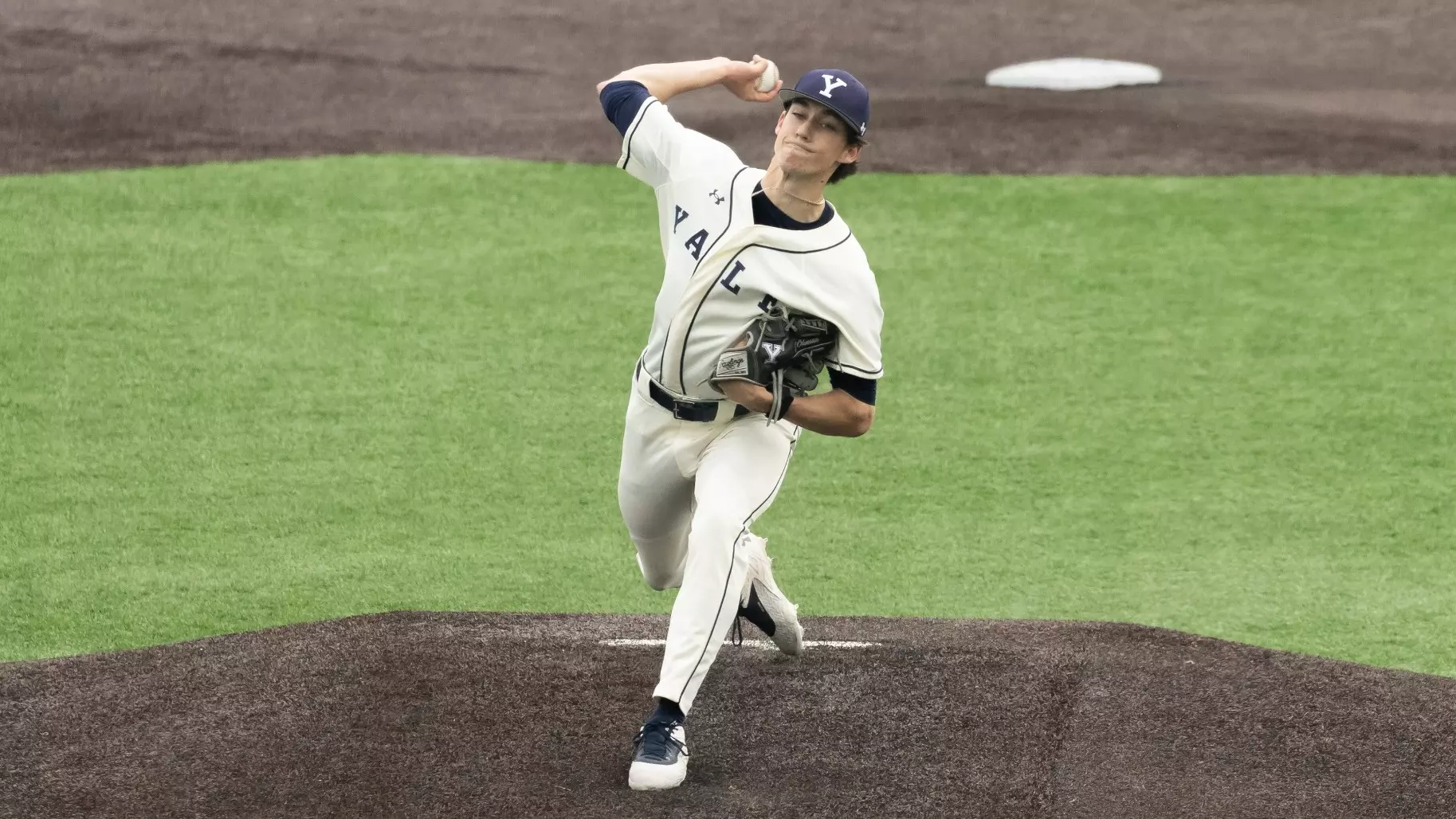
This deep-rooted history provides a sense of gravity to Yale’s current Division I participation. When a student-athlete puts on the "Y" jersey in 2026, they are joining a lineage that dates back over 150 years. This historical context is a major draw for recruits who want to be part of a program that helped define the very structure of the NCAA.
Frequently Asked Questions
Does Yale offer athletic scholarships?
No. As a member of the Ivy League, Yale does not offer athletic or academic merit scholarships. All financial aid is need-based, meaning it is determined by a family’s financial situation. However, Yale’s financial aid is among the most generous in the country, often covering the full cost of tuition for families below certain income thresholds.
In which conference does Yale compete?
Yale competes in the Ivy League for the vast majority of its sports. For certain sports not sponsored by the Ivy League, such as women’s gymnastics or men’s and women’s ice hockey, Yale competes in affiliated conferences like the ECAC (Eastern College Athletic Conference).
Is Yale's football team in the same division as schools like Alabama or Michigan?
Both Yale and schools like Alabama are in NCAA Division I. However, they compete in different subdivisions for football. Alabama is part of the Football Bowl Subdivision (FBS), while Yale is part of the Football Championship Subdivision (FCS). The primary difference is the number of scholarships allowed and the postseason structure (the FCS uses a playoff system).
Can Yale athletes participate in NIL deals?
Yes. As of 2026, NCAA rules allow all Division I athletes, including those at Yale, to profit from their Name, Image, and Likeness (NIL). While Yale does not use NIL as a recruiting inducement in the same way some large state programs might, Yale athletes are free to engage in brand partnerships, camps, and other commercial opportunities.
What is the "Academic Index" in Yale recruiting?
The Academic Index is a formula used by the Ivy League to ensure that recruited athletes have academic profiles (GPA and test scores) that are representative of the overall student body. This prevents the "clustering" of athletes in less rigorous courses and ensures they can succeed at a school like Yale.
Practical Next Actions for Prospective Student-Athletes
For those looking to compete for Yale at the Division I level, the process starts early. Prospective athletes should maintain a rigorous high school curriculum, as athletic talent alone is rarely enough to secure admission.
- Contact Coaches Early: Fill out the prospective student-athlete questionnaires on the Yale Athletics website.
- Focus on Academics: Maintain a high GPA and seek out honors or AP-level courses. The admissions office will look for evidence that you can handle the Yale workload.
- Register with the NCAA Eligibility Center: All prospective Division I athletes must be cleared for eligibility through this central clearinghouse.
- Understand Financial Aid: Use Yale’s "Net Price Calculator" to estimate what your family might pay. Because there are no athletic scholarships, understanding the need-based model is crucial for long-term planning.
Image Gallery