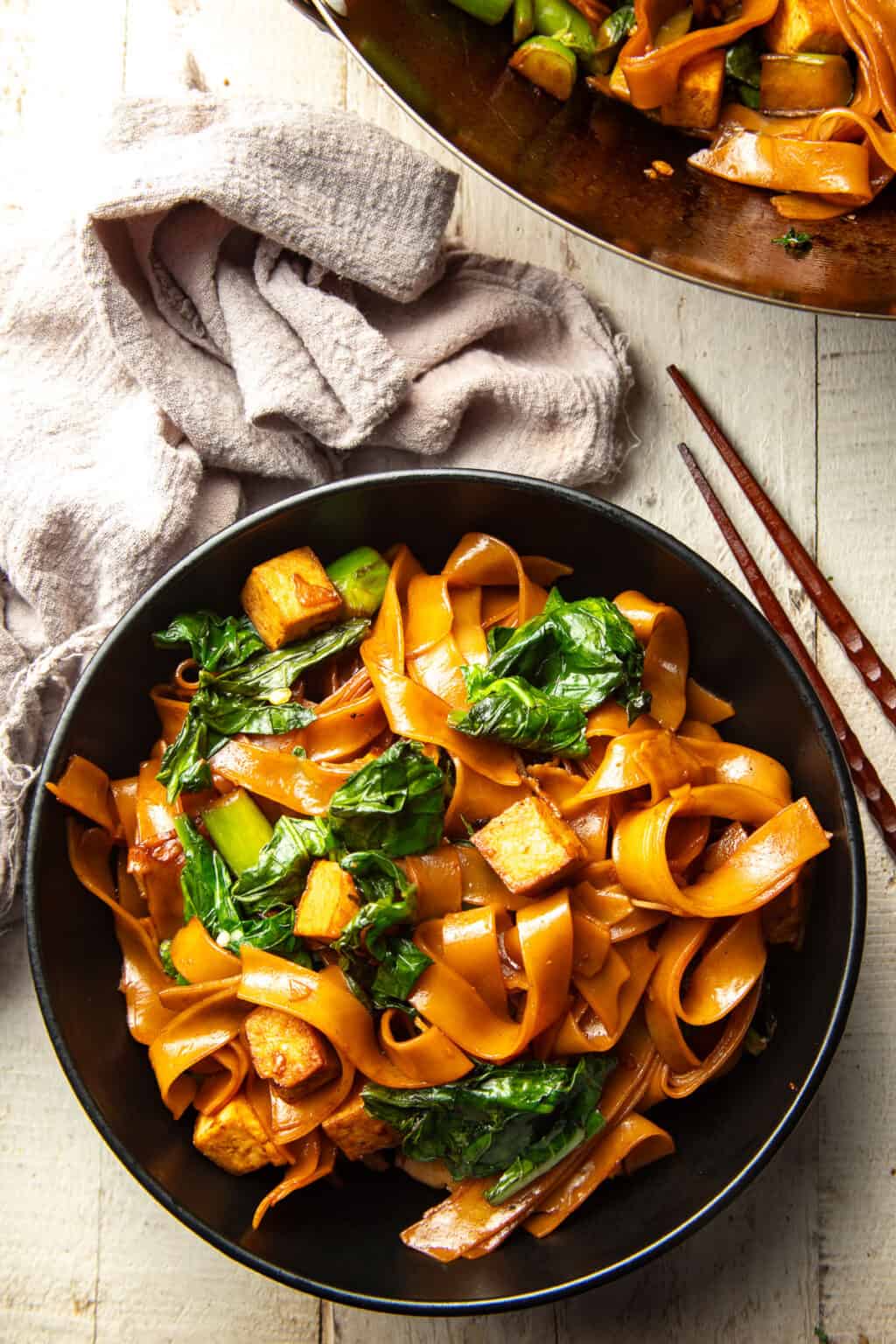
Tofu Pad See Ew Calories Explained: A Detailed Nutritional Breakdown
A standard restaurant serving of tofu Pad See Ew typically contains between 700 and 900 calories. The majority of these calories come from the wide rice noodles (carbohydrates) and the significant amount of oil used to stir-fry them. W...
A standard restaurant serving of tofu Pad See Ew typically contains between 700 and 900 calories. The majority of these calories come from the wide rice noodles (carbohydrates) and the significant amount of oil used to stir-fry them. While tofu provides a lean protein source, its preparation—often deep-fried—can further increase the total fat content.
Contents
Understanding tofu Pad See Ew calories requires a deep dive into the architecture of this beloved Thai street food. Known for its smoky "wok hei" (breath of the wok) flavor and its comforting, chewy texture, Pad See Ew is a staple in Thai restaurants globally. However, for those tracking macros or managing weight in 2026, the caloric density can be surprising. Unlike broth-based Thai soups or lean stir-fries, Pad See Ew is a calorie-dense dish primarily due to the specific types of noodles and sauces used.
The Anatomy of Tofu Pad See Ew: Where the Calories Hide
To accurately explain the caloric profile, we must break down the dish into its core components. A standard recipe consists of wide rice noodles (Sen Yai), Chinese broccoli (Gai Lan), eggs, tofu, and a complex savory sauce.
The Rice Noodles (The Foundation)
The wide, flat rice noodles are the primary calorie driver. In a typical restaurant portion, you are likely consuming 2 to 3 cups of cooked noodles. Rice noodles are almost entirely carbohydrates. Because they are dense and often coated in oil to prevent sticking before they even hit the wok, they carry a high energy load. A single cup of cooked rice noodles contains roughly 190–210 calories. In a standard 2026 restaurant serving, the noodles alone can account for 400–500 calories.
The Stir-Fry Oil (The Invisible Component)
The "See Ew" in the name refers to the soy sauce, but the "Pad" means stir-fried. To achieve the charred, caramelized texture without the noodles turning into a gummy mass, chefs must use a generous amount of oil. Most establishments use vegetable, soybean, or canola oil. A single tablespoon of oil adds approximately 120 calories. It is not uncommon for a single plate of Pad See Ew to utilize 2 to 3 tablespoons of oil during the high-heat searing process, adding an invisible 240–360 calories to the dish.
The Tofu Protein
Tofu is often perceived as a "light" alternative to meat, but its caloric impact depends on the variety used.
- Firm Tofu (Plain): Approximately 80 calories per 100g.
- Fried Tofu Puffs: Often used in Thai cuisine, these are deep-fried before being added to the stir-fry. These can jump to 270 calories per 100g due to their porous nature, which soaks up oil like a sponge. Even when using firm tofu, the total protein content usually ranges from 15 to 25 grams per serving, which is lower than a chicken-based counterpart but offers a different micronutrient profile, including calcium and manganese.
Macronutrient Distribution in Tofu Pad See Ew
Beyond the raw calorie count, the distribution of macronutrients (carbohydrates, fats, and proteins) is essential for understanding how this meal affects satiety and blood sugar levels.
| Component | Average Calories | Carbohydrates (g) | Fat (g) | Protein (g) |
|---|---|---|---|---|
| Wide Rice Noodles (2.5 cups) | 480 | 105 | 2 | 4 |
| Stir-fry Oil (2 tbsp) | 240 | 0 | 28 | 0 |
| Tofu (Fried, 150g) | 180 | 4 | 14 | 12 |
| Egg (1 large) | 70 | 0.5 | 5 | 6 |
| Sauce (Soy/Sugar/Oyster) | 60 | 12 | 0 | 1 |
| Chinese Broccoli | 20 | 3 | 0.5 | 2 |
| Total Estimated | 1,050 | 124.5 | 49.5 | 25 |
Note: These values represent a standard, large restaurant portion. Homemade or "lunch-sized" portions may be 20-30% lower.
Carbohydrate Impact and Glycemic Index
The rice noodles used in Pad See Ew are highly refined. This means they have a high glycemic index (GI), causing a rapid spike in blood glucose followed by an insulin response. While the fiber from the Chinese broccoli and the protein from the tofu and egg help to slow down digestion, the sheer volume of refined starch makes this a high-glycemic meal. For individuals managing type 2 diabetes or insulin sensitivity in 2026, portion control of the noodles is the most effective way to mitigate this impact.
Tofu vs. Other Proteins: A Caloric Comparison
A common question is whether choosing tofu actually lowers the calorie count compared to chicken, beef, or shrimp. In many cases, the difference is negligible.
- Chicken Pad See Ew: Usually uses lean breast meat. If sautéed with minimal oil, it may actually be lower in calories than fried tofu.
- Beef Pad See Ew: Generally higher in calories and saturated fat than the tofu version.
- Shrimp Pad See Ew: Usually the lowest-calorie protein option, provided the shrimp are not breaded or deep-fried.
The "Tofu Trap" occurs when the tofu is pre-fried. Fried tofu has a higher caloric density than grilled chicken breast. If you are ordering at a restaurant and want to minimize calories, you can request "fresh tofu" or "steamed tofu" instead of the standard fried variety. This single change can save between 100 and 150 calories.
The Role of Sauces and Added Sugars
The signature flavor of Pad See Ew comes from a combination of dark soy sauce (for color and sweetness), light soy sauce (for salt), and often oyster sauce or a vegetarian stir-fry sauce.
Dark soy sauce is thicker and sweeter than regular soy sauce because it contains molasses or added sugar. Furthermore, most traditional recipes add 1 to 2 teaspoons of granulated sugar to balance the saltiness. While 2 teaspoons of sugar only add about 32 calories, they contribute to the overall glycemic load of the meal. For those strictly monitoring sugar intake, it is worth noting that the "savory" profile of Thai food often masks a significant amount of hidden sugar.
According to the USDA FoodData Central, standard soy-based sauces are also extremely high in sodium. A single serving of Pad See Ew can contain upwards of 1,500mg to 2,000mg of sodium, which is nearly the total daily recommended limit for an adult. This high sodium content can cause temporary water retention, which may reflect as an increase on the scale the following day, independent of actual fat gain.
How to Reduce Calories in Tofu Pad See Ew
If you are cooking at home or ordering out, there are several evidence-based strategies to reduce the caloric density of this dish without sacrificing the flavor profile.
1. Increase the Veggie-to-Noodle Ratio
The Chinese broccoli (Gai Lan) is nutrient-dense and very low in calories. By doubling the amount of broccoli and halving the amount of rice noodles, you can reduce the meal's total calories by 200–300 while increasing fiber intake. Fiber promotes satiety, making you feel full for longer despite the lower energy intake.
2. The "Dry Stir-Fry" Technique
At home, use a high-quality non-stick wok or carbon steel pan that is well-seasoned. This allows you to achieve the necessary sear with significantly less oil. Using an oil spray instead of pouring oil from a bottle can reduce fat calories by 70%.
3. Protein Substitution and Preparation
As mentioned previously, opting for non-fried tofu is key. Additionally, adding an extra egg white instead of a second whole egg can provide additional protein with fewer calories and less fat.
4. Sauce Modifications
Using a low-sodium soy sauce and a sugar substitute (like monk fruit or stevia) can slightly lower the calorie count and significantly improve the dish's nutritional profile for those with hypertension or blood sugar concerns.
Technical Nuance: The Impact of "Wok Hei" on Nutrition
"Wok Hei" is the charred flavor produced by the combustion of oil and the caramelization of sugars at extremely high temperatures. While this is the hallmark of a great Pad See Ew, it has nutritional implications. High-heat frying can lead to the formation of acrylamides in carbohydrate-rich foods like rice noodles. While not directly related to calorie count, it is a factor in the overall health profile of stir-fried dishes. Keeping the oil at its smoke point for the shortest time possible is the standard professional recommendation for maintaining food quality in 2026.
FAQs About Tofu Pad See Ew Calories
Is Tofu Pad See Ew healthier than Pad Thai?
Generally, Pad See Ew is slightly higher in calories than Pad Thai due to the wider, denser noodles and the higher oil content required to sear them. However, Pad Thai often contains crushed peanuts and more sugar in the tamarind sauce, which can close the gap. Nutritionally, Pad See Ew has the advantage of containing more green vegetables (Chinese broccoli) compared to the bean sprouts usually found in Pad Thai.
How many calories are in a "Lunch Special" portion of Tofu Pad See Ew?
Lunch portions are typically smaller than dinner portions, usually ranging from 500 to 650 calories. However, these are often served with a side of white rice or a fried spring roll, which can easily push the total meal over 900 calories.
Can I make Tofu Pad See Ew keto-friendly?
Standard Pad See Ew is not keto-friendly due to the rice noodles. To create a keto-friendly version, the rice noodles must be replaced with shirataki (konjac) noodles or thinly sliced cabbage. The sauce must also be made with a sugar substitute and coconut aminos to reduce the carbohydrate count.
Why does the calorie count vary so much between different restaurants?
The variance is primarily due to the amount of oil used and the portion size of the noodles. Some "modern" Thai fusion restaurants may use less oil and more vegetables, while traditional street-style preparations prioritize the sear and texture, which requires more oil.
Does the sodium in Pad See Ew affect weight loss?
Sodium does not contain calories and does not cause fat gain. However, the 2,000mg+ of sodium in a serving causes the body to hold onto water. This can lead to "bloating" or a temporary increase in body weight of 1–3 pounds, which usually dissipates within 48 hours of returning to a lower-sodium diet.
Expert Recommendation for 2026
When enjoying tofu Pad See Ew in 2026, the best approach for health-conscious diners is the "one-third rule." Eat all of the tofu and Chinese broccoli, but only consume one-third to one-half of the rice noodles. This allows you to enjoy the signature flavors and textures of the dish while keeping the caloric intake within a manageable range of 450–550 calories. For the best nutritional balance, pair the dish with a clear, broth-based soup or a side of steamed vegetables to increase volume and micronutrient density without significantly increasing the caloric load.
Image Gallery