Understanding the Length of Sales Cycle in B2B Markets
The length of a B2B sales cycle is the total duration from the initial point of contact with a prospective customer to the final execution of a signed contract. In 2026, the average B2B sales cycle typically ranges between four and nin...
The length of a B2B sales cycle is the total duration from the initial point of contact with a prospective customer to the final execution of a signed contract. In 2026, the average B2B sales cycle typically ranges between four and nine months, though high-ticket enterprise solutions involving complex integrations or multi-departmental buy-in frequently extend beyond the twelve-month mark.
Contents
The Evolution of the B2B Sales Cycle in 2026
As we navigate the business landscape of 2026, the B2B sales cycle has become increasingly non-linear. The traditional funnel has been replaced by a "looping" journey where buyers move back and forth between education, consensus-building, and validation. Several macro-economic and technological factors have influenced this shift.
First, the proliferation of information means that by the time a prospect engages with a sales representative, they have often completed nearly 75% of their research independently. However, this has not necessarily shortened the cycle; instead, it has shifted the burden of proof onto the vendor to provide specific, technical ROI data that the buyer couldn't find through general research.
Furthermore, the "Buying Committee" has expanded. In enterprise environments, it is now standard to see 10 to 14 stakeholders involved in a single purchasing decision, including representatives from IT, security, finance, legal, and the end-user departments. Each stakeholder introduces a potential pause in the timeline, making the management of the sales cycle as much an exercise in project management as it is in persuasion.
Key Factors Influencing Sales Cycle Duration
Understanding why some deals close in weeks while others take a year requires an analysis of several distinct variables. These factors determine the "friction" within the sales process.
Annual Contract Value (ACV) and Risk
There is a direct correlation between the price of a product and the time required to close the deal. Low-cost SaaS subscriptions or "plug-and-play" tools may have a cycle of 30 to 60 days because the financial risk to the organization is minimal. Conversely, million-dollar infrastructure projects or core ERP migrations represent significant organizational risk. In 2026, CFOs and procurement departments require rigorous proof of value and risk mitigation plans, which naturally extends the vetting process.
The Complexity of the Solution
If a product requires custom development, deep integration with existing legacy systems, or extensive data migration, the sales cycle will lengthen. During these cycles, technical discovery phases—where engineers from both the vendor and the client must map out the implementation—can alone take several months. These "technical hurdles" are essential for ensuring post-sale success but are the primary drivers of long-term cycles.
Stakeholder Consensus and Internal Politics
B2B sales are rarely the result of a single person's decision. The "champion" at the client organization may be fully convinced, but they must then navigate internal hurdles to secure budget and approval. If the solution requires a change in how employees work, HR and change-management leaders may need to be consulted. In 2026, the rise of "collaborative procurement" means that even one dissenting voice in the buying committee can stall a deal for weeks.
Calculating Your Average B2B Sales Cycle
To improve your sales velocity, you must first establish an accurate baseline. Calculating the average sales cycle length is a fundamental metric for revenue operations and financial forecasting.
The Formula: The standard way to calculate the average sales cycle is to sum the total number of days it took to close all "won" deals during a specific period and divide that by the total number of those deals.
- Step 1: Identify all closed-won deals within a specific timeframe (e.g., Q1 2026).
- Step 2: For each deal, calculate the number of days between the first touchpoint (lead creation date) and the signature date.
- Step 3: Add these totals together.
- Step 4: Divide the sum by the number of deals.
For example, if you closed three deals in 90, 120, and 150 days respectively, your average sales cycle is 120 days. It is important to exclude "closed-lost" deals from this specific calculation, as they do not reflect the path to revenue, though analyzing the "time to loss" can provide secondary insights into where prospects are dropping out of the journey.
Industry Benchmarks for B2B Sales Cycles
While every business is unique, industry benchmarks provide a necessary reality check for sales leaders. The following table outlines the typical cycle lengths across various B2B sectors in 2026.
| B2B Sector | Average Cycle Length | Primary Bottleneck | Complexity Level |
|---|---|---|---|
| SMB SaaS (Self-Service) | 30 – 60 Days | Budget Authorization | Low |
| Mid-Market SaaS | 90 – 150 Days | Multi-departmental buy-in | Moderate |
| Enterprise Software | 6 – 14 Months | Security & Legal Reviews | High |
| Professional Services | 4 – 8 Months | Scope Definition | Moderate |
| Manufacturing/Industrial | 9 – 18 Months | Technical Specs & Prototyping | High |
| Financial Services Tech | 12 – 24 Months | Regulatory Compliance | Very High |
Strategies to Shorten the B2B Sales Cycle
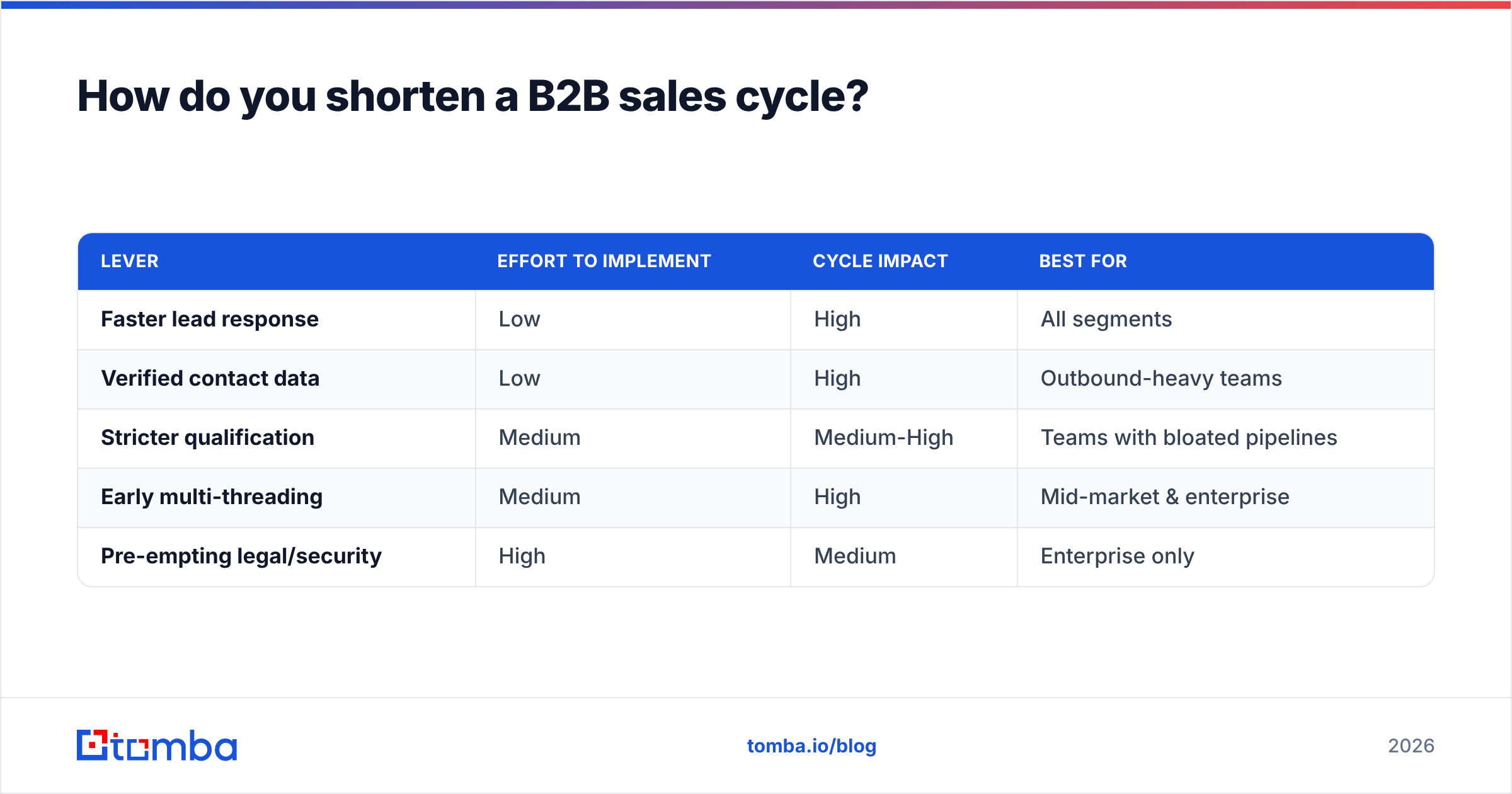
While some factors are outside a seller's control, proactive organizations can implement strategies to reduce friction and accelerate the transition from "prospect" to "partner."
Implement Buyer Enablement
In 2026, the focus has shifted from selling to enabling the buyer. This involves providing the internal champion with the materials they need to "sell" the solution to their own committee. This includes ROI calculators, security whitepapers, and ready-made slide decks for executive presentations. By preempting the questions that legal or finance will ask, you remove weeks of back-and-forth communication.
Utilize Mutual Action Plans (MAPs)
A Mutual Action Plan is a shared document between the salesperson and the prospect that outlines every step required to reach a decision. It includes deadlines for both parties—such as "Client provides data samples by Oct 12" and "Vendor completes security audit by Oct 19." MAPs create accountability and transform the sales process from a mystery into a project with a clear end-date.
Prioritize Multi-Threading Early
Relying on a single point of contact is a common mistake that leads to "stalled" deals if that person leaves the company or loses internal influence. Multi-threading involves establishing relationships with multiple stakeholders simultaneously early in the cycle. By engaging IT, Finance, and the end-users concurrently rather than sequentially, you avoid the "waterfall" effect where a deal passes one hurdle only to be surprised by another.
Leverage Social Proof and Case Studies
In the 2026 market, buyers are risk-averse. They want to see how a similar company in their specific niche solved the exact same problem. Providing highly relevant case studies early in the cycle validates the solution and reduces the time spent in the "evaluation" phase.
Common Pitfalls and How to Avoid Them
Despite best efforts, certain behaviors can inadvertently lengthen the sales cycle or cause it to collapse entirely.
- Focusing on Features over Outcomes: Early-stage prospects often care more about the "What" and "How," but final decision-makers care about the "Why" (Business Impact). Failing to pivot the conversation to ROI as the deal progresses can lead to procurement delays.
- Neglecting the Legal and Procurement Phase: Many sales reps celebrate once the "handshake" is made, only to find the contract stuck in legal for three months. Engaging legal and procurement teams early to understand their standard terms and "red lines" can shave weeks off the final stage.
- Lack of Sales and Marketing Alignment: If marketing is generating leads that aren't a "firmographic" fit, the sales team spends months chasing deals that will never close. Tightening the Ideal Customer Profile (ICP) ensures that time is only spent on cycles that have a high probability of concluding.
Frequently Asked Questions
Why is the B2B sales cycle longer than the B2C cycle?
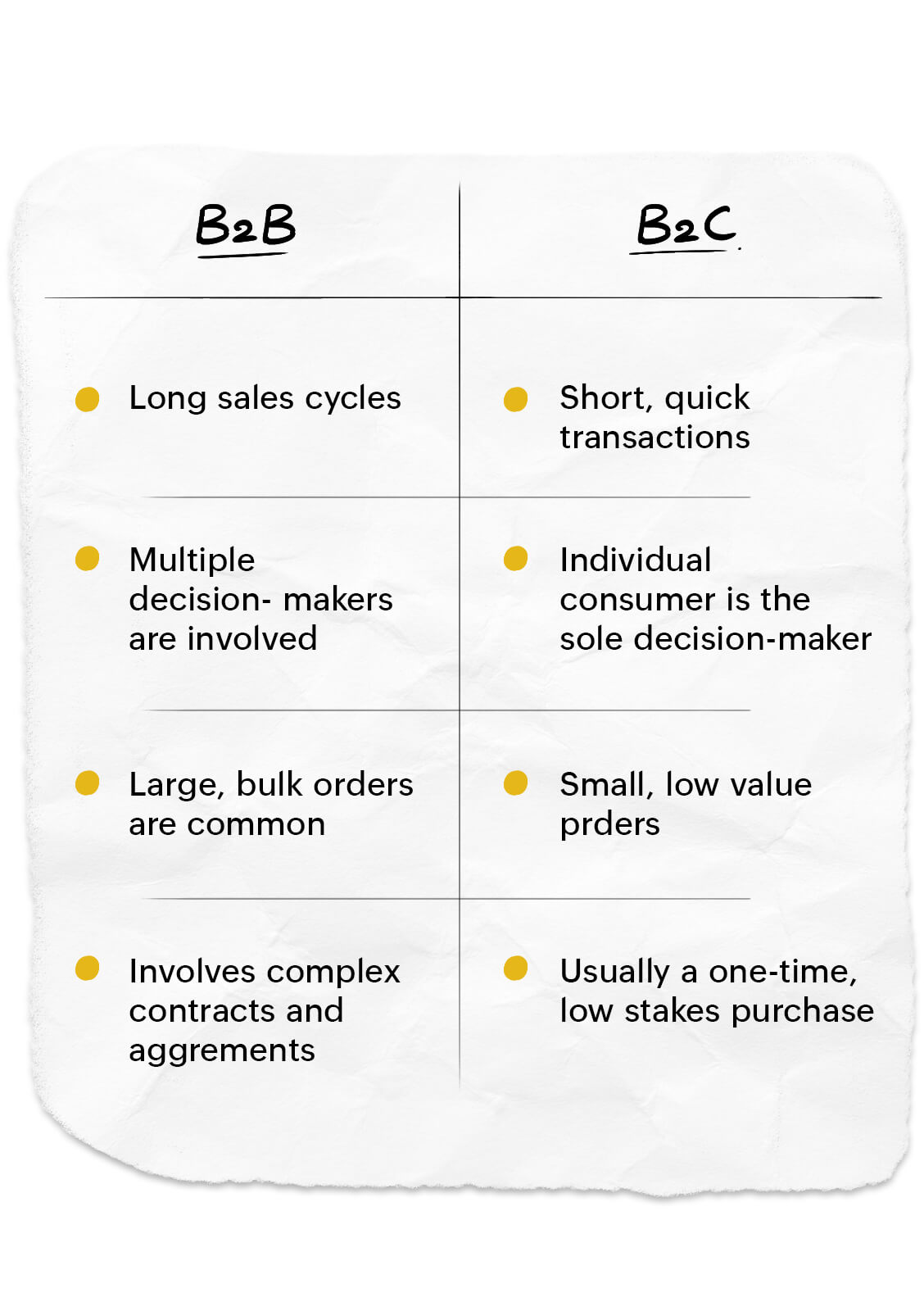
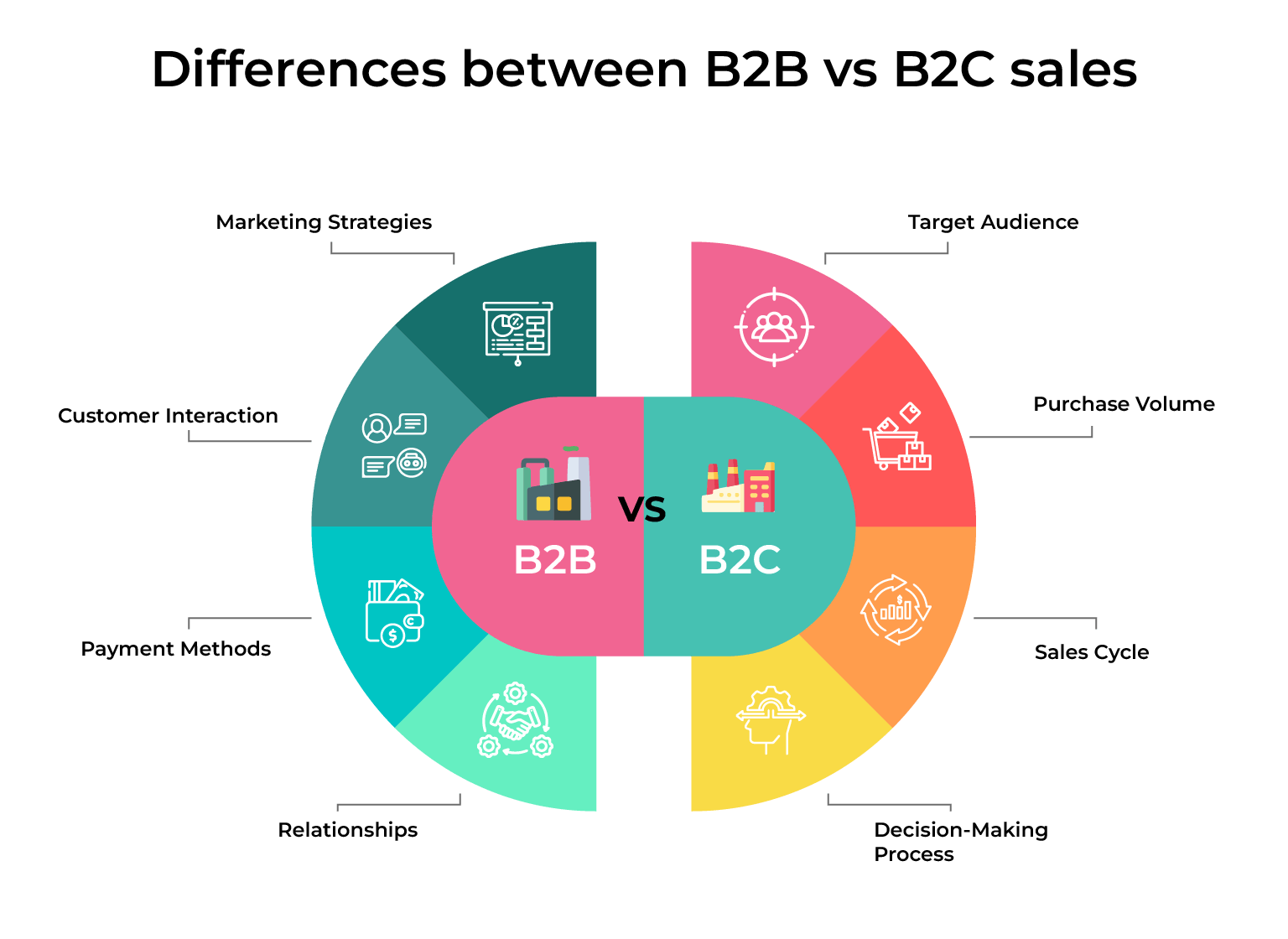
The B2B sales cycle is longer because it involves higher financial stakes, multiple decision-makers, and a focus on long-term ROI rather than immediate emotional satisfaction. Furthermore, B2B products often require technical validation and contractual negotiations (Legal/Security) that are non-existent in consumer transactions.
How has AI impacted the length of the sales cycle in 2026?
AI has had a dual impact. On one hand, it accelerates administrative tasks like lead scoring and follow-up, which can shorten the cycle. On the other hand, AI-powered procurement tools allow buyers to compare hundreds of vendors simultaneously, often leading to longer "consideration" phases as buyers seek the absolute best terms.
Is a shorter sales cycle always better?
Not necessarily. While high velocity is good for cash flow, a rushed sales cycle can lead to a "bad fit" customer who churns quickly. The goal should be an optimized cycle that moves as fast as the buyer's internal processes allow while ensuring all technical and business requirements are thoroughly vetted.
How can I identify where a deal is getting stuck?
Review your CRM data to see the "Average Time in Stage." If deals move quickly through "Discovery" and "Demo" but sit in "Proposal/Contract" for 60 days, you have a bottleneck in your legal or procurement process. Identifying these specific friction points allows for targeted improvements.
What is the difference between sales cycle and lead response time?
Lead response time is the duration between a prospect reaching out and a salesperson responding. The sales cycle is the much broader timeline from that first interaction all the way to the final sale. Fast lead response times are critical for initiating a sales cycle, but they are only the first few minutes of a months-long process.
Does the "Free Trial" model shorten the B2B cycle?
For SMB-focused products, a free trial can significantly shorten the cycle by allowing the user to reach "time to value" independently. However, for enterprise software, a free trial may actually lengthen the cycle if it isn't managed correctly, as it adds a "Proof of Concept" phase that requires its own set of milestones and approvals.
Next Steps for Revenue Leaders
To effectively manage and optimize your B2B sales cycle in 2026, start by auditing your historical deal data from the past 12 months. Identify the "outliers"—deals that took significantly longer than average—and investigate the root causes, whether they were due to technical complexity, legal hurdles, or lack of stakeholder consensus.
Once you have identified your primary bottlenecks, implement one or two acceleration strategies, such as Mutual Action Plans or enhanced Buyer Enablement content. Monitor the impact on your sales velocity over the next two quarters. Remember that the goal is not just to close deals faster, but to create a more predictable and transparent buying experience that builds trust from the very first interaction.
Image Gallery