Marty Brion Net Worth Explained: Understanding Wealth Valuation in Context
Determining the net worth of a figure like Marty Brion requires navigating the distinction between public speculation and verifiable financial data. While Brion has maintained a presence within specific business circles, his net worth...
Determining the net worth of a figure like Marty Brion requires navigating the distinction between public speculation and verifiable financial data. While Brion has maintained a presence within specific business circles, his net worth is not a matter of public record, as he is not a public company executive or a high-profile billionaire with audited disclosures. Estimates surrounding his wealth remain speculative, as they often rely on aggregated data from real estate holdings, private business interests, and historical career earnings that are not subject to mandatory public reporting.
Contents
The Nature of Private Net Worth
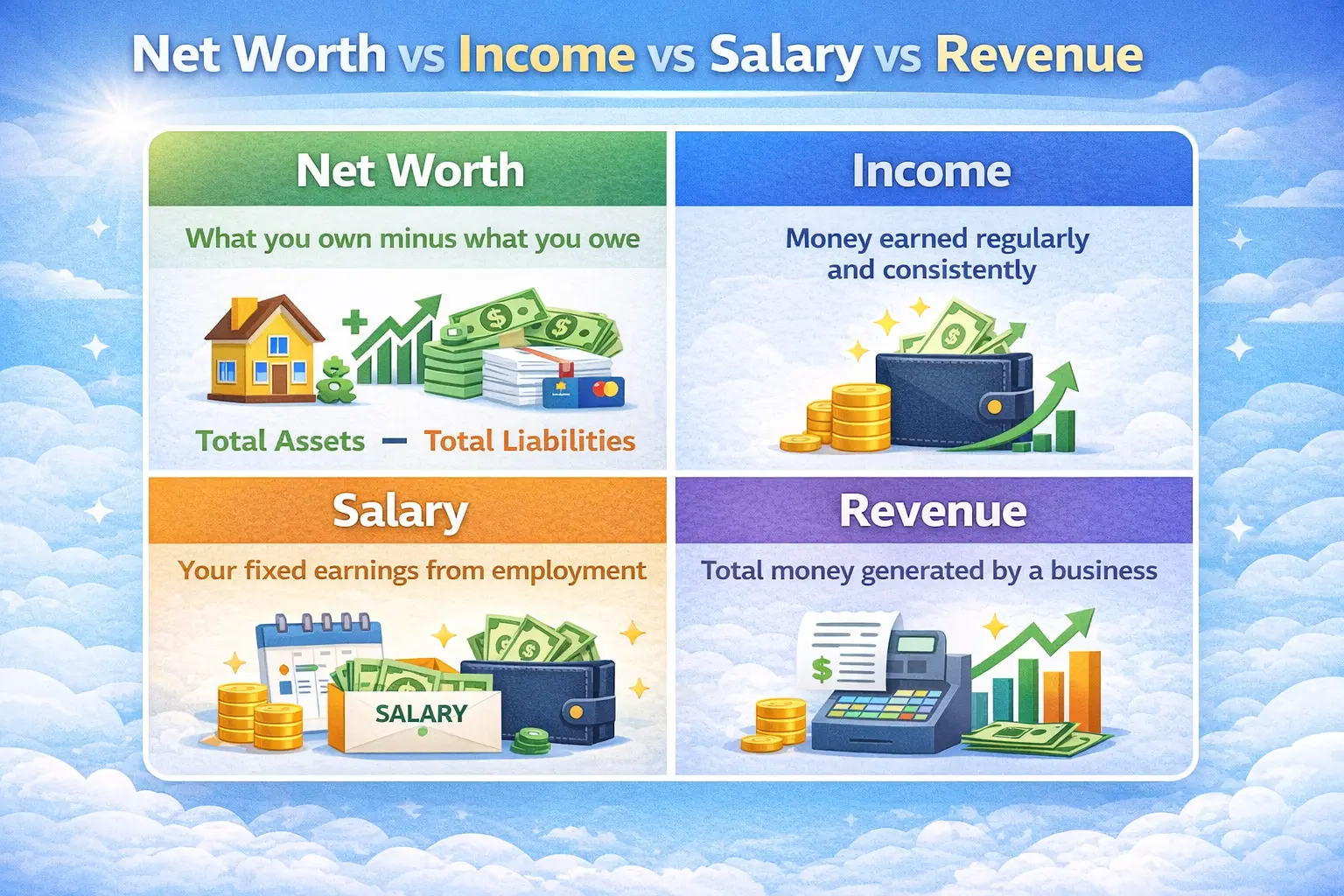
To understand why a precise figure for Marty Brion’s net worth is often missing from major financial publications, one must recognize how wealth is calculated for private individuals. Net worth is the sum of all assets—including cash, real estate, investment portfolios, and business equity—minus any liabilities such as mortgages, loans, and other debts.
For public figures like CEOs of Fortune 500 companies, this calculation is easier because they must disclose their stock holdings and compensation packages through regulatory filings like the SEC’s Form 4 or annual proxy statements. In contrast, individuals like Marty Brion, who operate primarily in private sectors, are not legally obligated to make their balance sheets public. Consequently, any published "net worth" figure found on the internet is usually a derivative estimate based on visible assets, such as residential real estate records or known business affiliations, which often fail to account for private debt or undisclosed liquid assets.
Distinguishing Between Revenue and Wealth
A common error in evaluating the financial status of business professionals is the conflation of gross revenue with personal net worth. If an individual is associated with a successful enterprise, observers often incorrectly assume the individual personally owns the entirety of that enterprise's revenue.
In practice, corporate ownership is frequently diluted among partners, investors, and stakeholders. For a professional, the salary or distribution drawn from a business represents only a fraction of that entity’s total valuation. When analyzing someone in the position of Marty Brion, one must consider:
- Equity Stake: What percentage of a company is actually owned by the individual versus investors or partners?
- Operating Expenses: How much of the revenue is reinvested into the business to ensure long-term viability?
- Liabilities: Are there significant business-related loans or personal debts that serve as a hedge against net assets?
Sources of Wealth: Analyzing Potential Asset Classes
While no official document confirms his total worth, professionals in similar career paths typically generate wealth through several distinct, measurable channels. Understanding these channels provides context for how wealth is constructed in these industries.
Real Estate Holdings
Real estate is often the most visible component of an individual's net worth. In the United States, property deeds are matters of public record. Analysts frequently monitor these filings to estimate the value of an individual's residential and commercial portfolio. However, these figures are often misleading because they rarely reflect the outstanding mortgage balance on the properties, which can significantly reduce the owner's actual equity.
Business Ventures and Private Equity
If an individual is a founder or partner in a private firm, their net worth is heavily tied to the "book value" of that company. In 2026, private equity remains a significant driver of wealth, yet it is notoriously illiquid. An individual might be "worth" millions on paper based on the valuation of their company, but they cannot necessarily access that cash until a liquidity event occurs, such as a company sale, a merger, or an initial public offering (IPO).
Investment Portfolios
Beyond their primary business, many professionals maintain diversified portfolios of stocks, bonds, and alternative investments. Because these accounts are private, they are rarely included in third-party net worth estimates, leading to a common underestimation of true wealth for those who maintain aggressive savings and investment strategies.
Comparison of Asset Liquidity and Valuation
To better understand why net worth figures vary so wildly, it is helpful to look at the differences in how assets are valued and how accessible they are to the owner.
| Asset Class | Liquidity | Valuation Basis | Typical Reporting Status |
|---|---|---|---|
| Cash/Equivalents | High | Face Value | Private |
| Public Stocks | High | Market Price | Disclosed (if >5% owner) |
| Real Estate | Low | Appraised/Market Value | Public (via Deed Records) |
| Private Equity | Very Low | Book Value/EBITDA | Private |
| Personal Debt | N/A | Outstanding Principal | Private |
The Role of Public Records in Financial Estimations
In the absence of a personal financial statement, researchers rely on fragmented public records to build a picture of an individual's financial standing. These sources include:
- County Property Tax Records: These provide a baseline for the value of owned land and structures.
- Corporate Filings (Secretary of State): These can reveal an individual's role as a registered agent, manager, or owner of a business entity.
- Litigation Records: Occasionally, court documents regarding civil litigation can provide a glimpse into an individual's financial health, though these are rare and usually represent an incomplete snapshot.
It is important to emphasize that these sources provide only a partial view. Relying on them to determine a net worth is an exercise in speculation, not financial auditing.
Addressing Common Questions
Why do some sites list different net worth figures for the same person?
Most of these sites use automated scrapers or estimation algorithms that rely on limited public data. Because they do not have access to private bank records or tax returns, they fill in the gaps with estimations, leading to conflicting reports.
Is real estate always a good indicator of wealth?
No. An individual could own a highly valuable property but carry an equally high mortgage, resulting in low net equity. Always distinguish between property value and owner equity.
How do professionals protect their financial privacy?
Many high-net-worth individuals utilize trusts, Limited Liability Companies (LLCs), and holding companies to distance themselves from public records. This is a standard legal practice to ensure privacy and provide liability protection.
Does a "high net worth" estimate mean the person has high liquidity?
Not necessarily. Someone can have a high net worth tied up entirely in illiquid assets like private business equity or commercial real estate, leaving them with very little available cash for daily operations.
Should I trust online net worth calculators?
These tools are for informational entertainment purposes only. They lack access to private, audited financial data and should never be used as a basis for financial or investment decisions.
Professional Advice and Limitations
When researching the financial status of private individuals, it is essential to distinguish between confirmed facts and internet speculation. The information discussed here is for educational purposes regarding how wealth is generally assessed in the private sector. It does not constitute financial advice.
If you are conducting due diligence on a potential business partner or investment opportunity involving a private individual, do not rely on public net worth estimates. Instead, perform a formal audit, request verified financial statements, and consult with a licensed professional who specializes in financial forensics or private wealth management. Relying on unauthorized or crowd-sourced "net worth" claims is inherently risky and can lead to inaccurate conclusions in both professional and personal contexts.
Image Gallery