Unraveling the Etro Net Worth Story in Luxury Fashion
The Etro net worth story in luxury fashion centers on the transformation of a family-run Italian textile business into a globally recognized luxury house, culminating in a majority stake acquisition by the private equity firm L Cattert...
The Etro net worth story in luxury fashion centers on the transformation of a family-run Italian textile business into a globally recognized luxury house, culminating in a majority stake acquisition by the private equity firm L Catterton in 2021. While exact private corporate valuations are closely guarded, this milestone transaction and subsequent strategic shifts provide clear insights into the financial evolution and brand equity of the iconic Paisley-patterned label.
Contents
The Origins of Etro: From Textiles to Lifestyle Brand
Founded in Milan in 1968 by Gimmo Etro, the house initially established its reputation as a high-end textile manufacturer. Specializing in cashmere, silk, and richly textured fabrics, the company supplied elite fashion houses with premium materials before launching its own ready-to-wear collections in the 1980s.
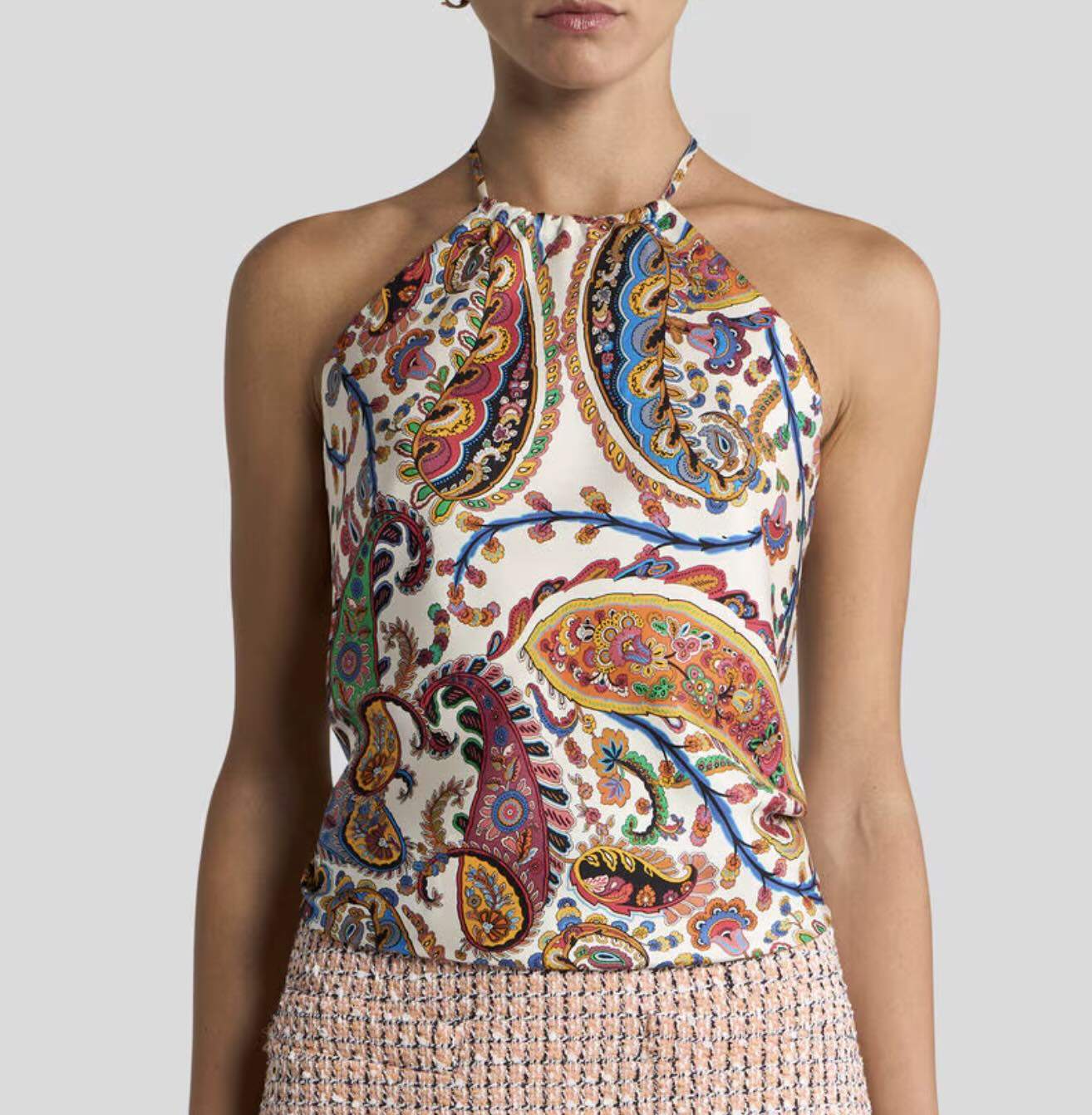
The introduction of the iconic Paisley motif in 1981 became the visual cornerstone of the brand, symbolizing global travel, heritage, and artistic craftsmanship. Over the decades, Etro expanded from fabrics and apparel into home furnishings, fragrances, leather goods, and accessories. This diversification created multiple revenue streams, elevating Etro from a regional textile producer to an international lifestyle brand. However, as the luxury sector consolidated throughout the 2010s, independent family-owned houses faced mounting pressure to scale operations, digitalize supply chains, and expand retail footprints globally.
The L Catterton Acquisition: Valuing the Italian Heritage
A pivotal chapter in the Etro net worth narrative occurred in July 2021, when L Catterton—a prominent global investment firm backed by LVMH and the Arnault family—acquired a 60% majority stake in the company.
Although the financial terms of the transaction were not officially disclosed, industry analysts and financial reports estimated the valuation of Etro to be in the range of 500 million euros. This capital infusion allowed the brand to accelerate its direct-to-consumer channels, enhance digital marketing, and expand its footprint in key international markets such as North America and Asia. The founding Etro family retained a 40% minority stake, ensuring creative continuity while leveraging L Catterton’s operational expertise and financial backing to secure long-term commercial viability.
| Transaction Attribute | Details |
|---|---|
| Acquiring Firm | L Catterton (backed by LVMH and the Arnault family) |
| Acquired Stake | 60% Majority Share |
| Retained Stake | 40% Family Ownership (Etro Family) |
| Estimated Valuation | Approximately €500 Million (Industry Estimates) |
| Strategic Focus | Digital expansion, retail footprint growth, global market penetration |
Financial Drivers Behind Modern Luxury Valuation
Assessing the net worth and market value of a heritage fashion house like Etro requires examining several core operational metrics. Unlike publicly traded conglomerates whose market capitalization fluctuates daily, private luxury brands derive their worth from tangible assets, intellectual property, and revenue multipliers.
Intellectual Property and Brand Heritage
Etro’s archive of proprietary textile designs, trademarked Paisley variations, and decades of design heritage constitute a significant portion of its intangible asset value. In the luxury sector, heritage serves as a moat against fast-fashion competitors, commanding higher margins and consumer loyalty.
Omnichannel Retail and Geographic Reach
The shift from wholesale distribution to direct-to-consumer (DTC) e-commerce and directly operated flagship stores has historically driven higher enterprise valuations. Post-acquisition strategies for Etro prioritized strengthening digital infrastructure and optimizing physical retail spaces in major fashion capitals.
Leadership and Creative Re-positioning
Strategic shifts in creative direction also impact market perception and financial performance. The appointment of Marco De Vincenzo as Creative Director in 2022 signaled a fresh aesthetic approach aimed at attracting younger demographic segments while honoring the brand's bohemian roots, directly influencing sales growth and brand equity.
Comparative Overview of Luxury Brand Restructuring
To understand Etro's financial trajectory, it is helpful to examine how other mid-sized independent Italian luxury houses navigated capital restructuring and private equity investments.
- Etro: Partnered with L Catterton in 2021 (60% stake) to scale global retail and digital operations while retaining family minority involvement.
- Versace: Securitized growth through private equity (Blackstone in 2014) before being acquired outright by Capri Holdings in 2018 for $2.12 billion.
- Missoni: Sold a 41.2% stake to the Italian private equity fund FSI in 2018 to fund international expansion and professionalize management.
These transactions illustrate a broader industry trend where traditional family-run houses partner with private equity to navigate the capital-intensive demands of modern global retail.
Common Misconceptions Regarding Fashion House Net Worth
When evaluating the net worth of private fashion brands like Etro, several misconceptions frequently arise among observers and casual market analysts.
- Equating Revenue with Net Worth: Annual revenue figures represent total sales, not profit margins or enterprise valuation. Net worth and enterprise value incorporate debts, assets, IP, and growth potential.
- Assuming Complete Acquisitions: Many heritage brands that partner with investment firms maintain family or founder involvement, meaning equity is shared rather than entirely surrendered.
- Confusing Public Market Caps with Private Valuations: Private companies do not have fluctuating share prices; their valuations are determined during specific liquidity events, funding rounds, or strategic acquisitions.
Frequently Asked Questions
Who owns Etro today?
Etro is majority-owned by the private equity firm L Catterton, which acquired a 60% stake in 2021. The founding Etro family retains the remaining 40% share, maintaining a collaborative role in the company's direction.
What was the estimated valuation of Etro during the 2021 acquisition?
While the exact financial figures were kept private, financial analysts and industry reports estimated Etro's valuation to be approximately 500 million euros at the time of the L Catterton transaction.
What is Etro best known for in luxury fashion?
Etro is internationally renowned for its signature Paisley motif, luxurious textiles, bohemian-chic aesthetic, and ready-to-wear collections spanning apparel, accessories, and home furnishings.
Why do luxury fashion brands partner with private equity firms?
Independent luxury houses often partner with private equity firms to secure the capital required for digital transformation, global retail expansion, supply chain modernization, and competing against large multinational conglomerates.
Is Etro a publicly traded company?
No, Etro operates as a privately held company, with its equity split between L Catterton and members of the founding Etro family.
Practical Next Steps and Financial Insights
For researchers, investors, and fashion enthusiasts analyzing the financial mechanics of the luxury sector, observing private equity involvement offers valuable perspective. Tracking strategic leadership appointments, e-commerce milestones, and flagship store expansions provides the most accurate ongoing indicators of a private luxury brand's financial health and trajectory.
Image Gallery