The Love Actually Hat Myth: The Surprising Truth Behind Keira Knightley’s Iconic Accessory
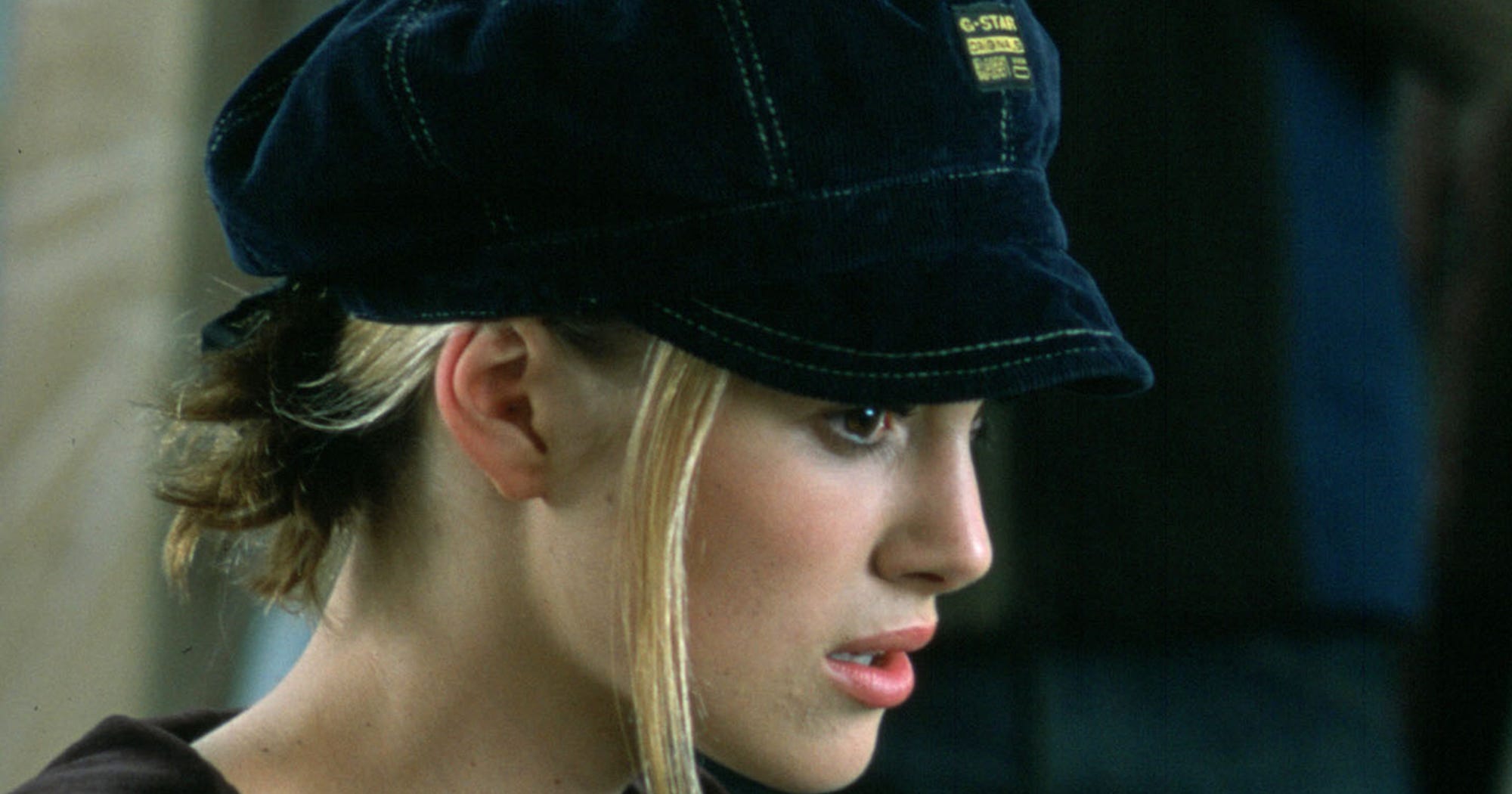
The "Love Actually hat myth" refers to the long-standing belief that the blue newsboy cap worn by Keira Knightley in the 2003 film was a deliberate fashion choice. In reality, the hat was a last-minute emergency solution used to hide a...
The "Love Actually hat myth" refers to the long-standing belief that the blue newsboy cap worn by Keira Knightley in the 2003 film was a deliberate fashion choice. In reality, the hat was a last-minute emergency solution used to hide a massive "pimple" on the actress's forehead that makeup could not conceal.
Contents
For over two decades, fans of the holiday classic Love Actually have debated the merits of the oversized, blue "baker boy" hat worn by the character Juliet during one of the film’s most pivotal scenes. As we move through 2026, the film remains a staple of seasonal cinema, yet this specific wardrobe detail continues to spark curiosity among new generations of viewers. What was once dismissed as a questionable early-2000s fashion statement has since been revealed as one of the most relatable "behind-the-scenes" fixes in Hollywood history.
To understand the myth, one must first look at the scene in question, the technical challenges of film production in the early 2000s, and the eventual reveal that humanized one of the world's most famous actresses.
The Scene That Launched a Thousand Fashion Debates
In the film, Keira Knightley plays Juliet, a newlywed who discovers that her husband’s best friend, Mark (played by Andrew Lincoln), is secretly in love with her. The specific scene associated with "the hat" occurs when Juliet visits Mark at his studio to see the wedding video he filmed. When she arrives at the door, she is sporting a large, floppy, blue newsboy-style cap.
For years, film critics and fashion bloggers analyzed this choice. Some argued it was a perfect encapsulation of the "Cool Britannia" aesthetic of 2003—a time when newsboy caps, low-rise jeans, and layered camisoles dominated the London fashion scene. Others viewed it as a rare wardrobe misstep in an otherwise visually charming film. Because Juliet was portrayed as a chic, sophisticated character, the somewhat distracting nature of the hat led many to believe there must have been a deep, character-driven reason for its inclusion.
The "myth" grew as fans theorized that the hat represented Juliet’s attempt to hide her identity or perhaps signified a casual, off-duty look that contrasted with her formal wedding attire seen earlier in the movie. However, none of these artistic interpretations were correct.
Shattering the Myth: The 2018 Disclosure
The mystery was finally solved during a 2018 interview with BBC Radio 1, where Keira Knightley addressed the wardrobe choice directly. Speaking with host Ali Plumb, Knightley revealed that the hat was not a stylistic decision by director Richard Curtis or the costume department. Instead, it was a tactical maneuver.
"This is the real story," Knightley explained. "I had a massive blemish in the middle of my forehead. And there was no hiding it with makeup. So, we had to find a hat to cover it."
Knightley was only 18 years old during the filming of Love Actually. Like many teenagers, she was dealing with the unpredictability of her skin. The "massive pimple," as she described it, appeared right in the center of her forehead on the morning of a crucial shoot. Because of the way the scene was lit and the close-up nature of the shots, the blemish was casting its own shadow, making it nearly impossible for the makeup team to flatten or hide with traditional concealer.
The Technical Reality of Film Makeup in 2003
To understand why a hat was necessary, one must look at the technical limitations of film production in the early 2000s compared to the tools available in 2026.
Lighting and Shadows
In cinematography, lighting is used to create depth and mood. However, "three-point lighting"—the standard setup for a face—can be a nightmare for skin textures. A raised blemish creates a small mound on the skin. When light hits that mound from the side (the "key light"), it creates a highlight on one side and a distinct shadow on the other. In 2003, high-definition film was beginning to catch every detail, and the "pimple shadow" was reportedly visible even under heavy layers of professional-grade foundation.
The Limitation of Post-Production
In 2026, digital "beauty work" is a standard part of the post-production pipeline. If an actor has a breakout today, it is relatively simple (though expensive) to "paint" it out frame-by-frame using software like Nuke or DaVinci Resolve. In 2002/2003, while digital intermediate (DI) processes were starting to become common, frame-by-frame skin retouching was labor-intensive and cost-prohibitive for a mid-budget romantic comedy. It was significantly cheaper to buy a £20 hat than to spend £20,000 on digital skin Grafting in post-production.
The Choice of the "Baker Boy" Cap
The specific choice of the baker boy hat was also practical. A beanie would have sat too high or too tight, potentially drawing more attention to the forehead or irritating the skin further. A baseball cap would have cast too harsh a shadow over the eyes, which were needed to convey Juliet's emotional reaction to Mark’s video. The floppy, voluminous nature of the newsboy cap allowed the brim to be positioned precisely over the blemish while still allowing enough light to hit Knightley's eyes.
| Feature | The Fashion Myth | The Production Reality |
|---|---|---|
| Origin | Carefully curated by the costume designer. | Panic-driven solution by the makeup department. |
| Purpose | To signal Juliet's "effortless" London style. | To physically obscure a large skin blemish. |
| Artistic Intent | Symbolic of the character's hidden emotions. | Purely functional and utilitarian. |
| Impact | Became an iconic (if divisive) 2000s look. | Allowed the production to stay on schedule. |
| Retouching | Assumed the skin was "naturally" perfect. | Proved that even Hollywood stars deal with acne. |
The Cultural Significance of the Reveal
The reason the "Love Actually hat myth" resonates so strongly even in 2026 is the relatability factor. Keira Knightley is often cited as one of the most beautiful women in film history. For fans to learn that she was "betrayed" by her skin on the day of a major shoot—and that she had to wear a "ridiculous hat" to cope with it—humanized the celebrity experience.
It also serves as a reminder of the artifice of cinema. We often assume that every frame of a film is the result of deep artistic intent. The hat myth proves that sometimes, filmmaking is just about problem-solving on the fly. It transforms the hat from a fashion faux pas into a badge of teenage reality.
Why the Myth Persists in 2026
Even with the truth out in the open, the myth persists because Love Actually has become a "comfort watch" where every detail is scrutinized. In the era of social media, "hidden details" and "movie mistakes" are high-currency content. The hat story fits perfectly into the niche of "things you didn't know about your favorite movies."
Furthermore, the early-2000s fashion revival (often called Y2K style) has brought the newsboy cap back into the zeitgeist. Younger viewers watching the film for the first time in 2026 might see the hat as a trendy accessory rather than a camouflage tool. This creates a cycle where the "myth" (the hat as a fashion choice) is constantly being reborn for new audiences, requiring the "truth" (the pimple story) to be rediscovered.
Lessons for Filmmakers and Actors
The resolution of the hat myth offers several practical insights for those in the creative industries:
- Practicality Over Perfection: If a visual element is distracting (like a blemish), it is better to incorporate a new element (like a hat) than to try and force a failing solution (like more makeup).
- Wardrobe as a Tool: Wardrobe is not just for character building; it is a primary tool for troubleshooting visual issues on set.
- Authenticity Wins: Knightley’s willingness to share the story years later actually improved her public image. In an age where audiences crave authenticity, admitting to "imperfect" moments is a powerful branding tool.
- Lighting is Everything: The story underscores the importance of the cinematographer and makeup artist working in tandem. If the lighting cannot be adjusted to hide a blemish, the costume department must step in.
Common Questions Regarding the Hat
Why couldn't they just use more makeup?
Makeup can change the color of a blemish, but it cannot change the texture. A large, "angry" pimple is a three-dimensional object. On a film set, where high-powered lights are positioned at various angles, the makeup would have appeared "cakey," and the shadow cast by the bump would still have been visible to the camera.
Was Richard Curtis, the director, okay with the hat?
Director Richard Curtis is known for his focus on the emotional resonance of a scene rather than rigid fashion standards. Given the choice between a distracted audience looking at a blemish or a slightly odd hat, the hat was the lesser of two evils for the narrative.
Are there other "hats" hiding things in movies?
Yes. It is a common Hollywood trick. Hats, scarves, and even specific hairstyles (like "The Rachel" or heavy bangs) have been used throughout cinema history to hide everything from skin reactions to surgical scars or even the early stages of a pregnancy that hadn't been announced to the crew yet.
Does the hat appear in other scenes?
No. The hat is unique to the "wedding video discovery" scene. In other scenes, Juliet’s forehead is visible, suggesting that the skin breakout was a temporary issue that cleared up before or after that specific day of filming.
Final Recommendation
When watching Love Actually this season, pay close attention to the scene at Mark’s studio. Instead of viewing the blue hat as a questionable fashion choice, view it as a clever piece of cinematic problem-solving. It serves as a reminder that behind the glamour of Hollywood, productions are often held together by quick thinking and a well-placed accessory. If you are an aspiring filmmaker or actor, let this be a lesson: never underestimate the power of a good hat to save a scene.
Image Gallery