The History and Significance of Kate Middleton’s Shamrock Brooch
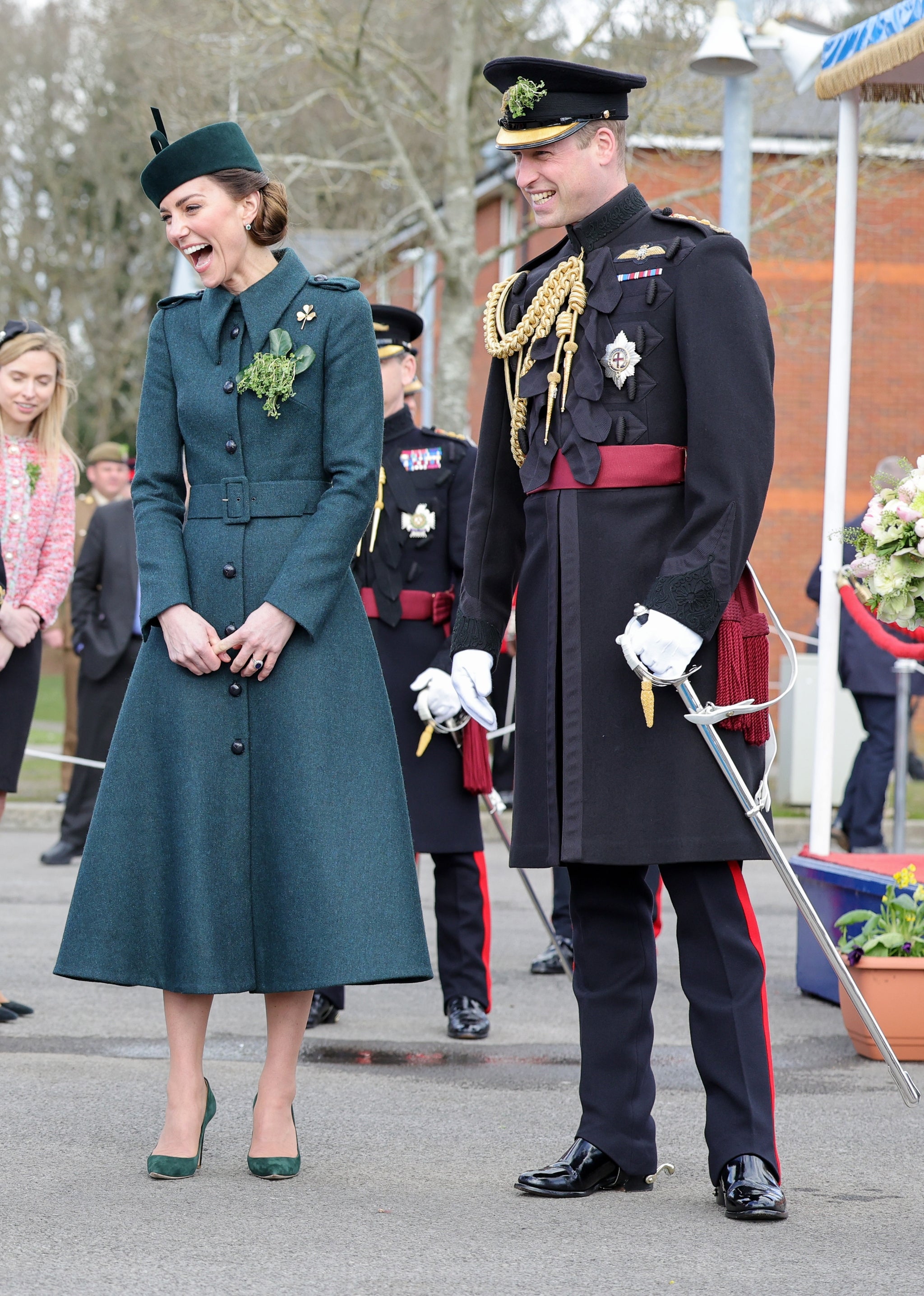
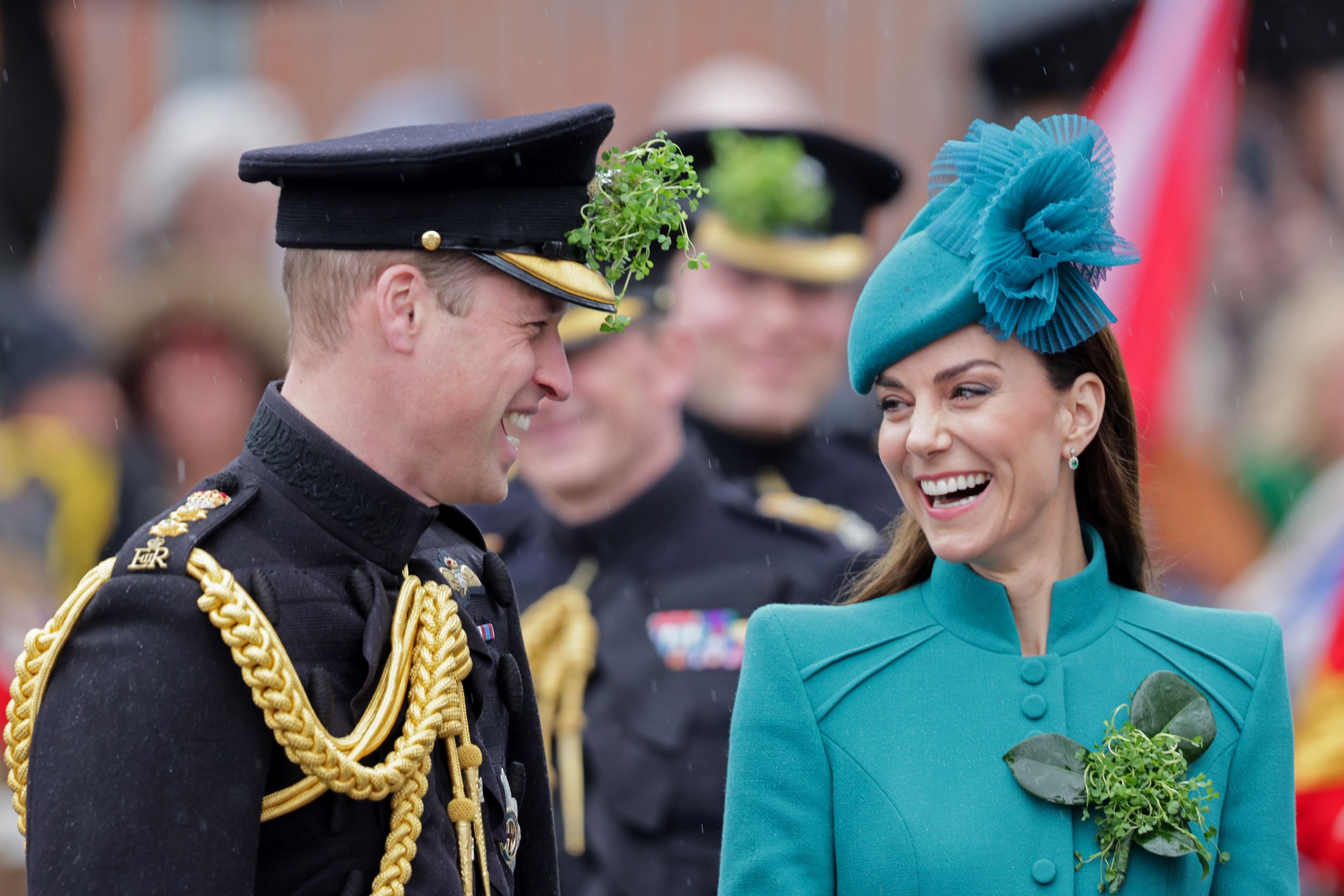
The shamrock brooch worn by Catherine, Princess of Wales, is an exquisite gold piece featuring a single emerald at its center. Owned by the Irish Guards rather than the Royal Family personally, it is traditionally loaned to royal women...
The shamrock brooch worn by Catherine, Princess of Wales, is an exquisite gold piece featuring a single emerald at its center. Owned by the Irish Guards rather than the Royal Family personally, it is traditionally loaned to royal women associated with the regiment, symbolizing the enduring bond between the British Monarchy and the Irish Guards.
Contents
As of 2026, the Princess of Wales remains the most prominent figure associated with this historic piece of jewelry. Since her appointment as the Colonel of the Irish Guards—a role she took over from Prince William in late 2022—the brooch has become a staple of her official ceremonial wardrobe. While it may appear as a simple accessory to the casual observer, the "Irish Guards Shamrock Brooch" carries a century of military history, royal tradition, and specific protocol that dictates how and when it is seen by the public.
Design and Technical Specifications
The brooch is often referred to in jewelry circles as the "Cartier Shamrock," due to its long-standing attribution to the famed French jewelry house. Although it lacks the ostentatious diamond-encrusted appearance of many other royal brooches, its value lies in its craftsmanship and the rarity of its design.
The piece is crafted from textured 18-karat yellow gold. The texture is intended to mimic the organic, slightly crinkled surface of a natural shamrock leaf. It consists of a three-leaf clover design with a short, curved stem. At the heart of the three leaves sits a single, small, circular emerald. The emerald provides a subtle pop of color against the gold, reinforcing the "Emerald Isle" symbolism that the piece represents.
Unlike the larger, more ornate pieces in the Royal Collection, this brooch is designed for wear on heavy military-style wool coats. Its size—roughly an inch and a half in diameter—makes it prominent enough to be seen during televised parades but functional enough to remain secure on a lapel during active military reviews.
Provenance and Regimental Ownership
One of the most unique aspects of the shamrock brooch is its legal ownership. Most jewelry worn by the Princess of Wales is either part of the Royal Collection (owned by the Sovereign in right of the Crown) or her private collection. This brooch is different; it is the property of the Irish Guards.
The brooch is essentially a "regimental loan." It is traditionally presented to royal women who are either married to the Colonel of the Regiment or hold the title of Colonel themselves. This distinction is important because it highlights the brooch as a piece of military insignia rather than a mere fashion statement.
The Queen Mother’s Legacy
The brooch's most famous previous wearer was Queen Elizabeth The Queen Mother. For decades, she was the face of the Irish Guards’ St. Patrick’s Day celebrations. She began wearing the brooch regularly in the mid-20th century, establishing the tradition that the leading royal lady associated with the regiment should wear this specific piece during official visits.
Following the Queen Mother's death in 2002, the brooch was returned to the regiment. It was subsequently worn by Princess Anne (The Princess Royal) on several occasions when she represented the regiment, before eventually finding its most consistent modern home with Catherine.
The Role of the Princess of Wales as Colonel
In 2026, Catherine’s relationship with the brooch is defined by her rank within the British Army. In December 2022, King Charles III appointed her as the Colonel of the Irish Guards, a position previously held by her husband, Prince William, for 11 years.
This appointment changed the context of the brooch. Previously, as the Duchess of Cambridge, she wore it as the wife of the Colonel. Now, as the Princess of Wales and the Colonel in her own right, she wears it as a symbol of her leadership and commitment to the 1st Battalion. This transition mirrors the historical path of the Queen Mother, who was also a devoted patron of the regiment.
The brooch is almost exclusively worn on St. Patrick's Day (March 17th) during the annual parade at Mons Barracks or other regimental locations. During this event, the Princess performs the traditional task of presenting sprigs of real shamrock to the officers and guardsmen, as well as to the regimental mascot (an Irish Wolfhound).
Technical Comparison of Royal Shamrock Brooches
It is a common mistake to assume there is only one royal shamrock brooch. In reality, several variations exist within the broader royal family. Understanding the differences is key to identifying the specific regimental piece.
| Feature | The Irish Guards Brooch (Kate's) | Princess Anne's Private Brooch | Queen Camilla’s Shamrock |
|---|---|---|---|
| Material | Textured Yellow Gold | Polished Gold/Diamonds | Various (often part of sets) |
| Gemstones | Single Center Emerald | Multiple Small Emeralds/Diamonds | Usually Emeralds or Diamonds |
| Ownership | Irish Guards Regiment | Private Collection | Private/Royal Collection |
| Design Style | Realist/Naturalistic | Ornate/Jeweled | Stylized |
| Occasion | St. Patrick’s Day/Military Events | General Official Visits | Diplomacy/State Visits |
Symbolic Importance in 2026
The year 2026 marks a period where the Princess of Wales has fully integrated her regimental responsibilities into her public identity. The shamrock brooch serves as a visual bridge between the monarchy and the armed forces of Northern Ireland and the Republic of Ireland.
The choice of yellow gold and a single emerald is deeply symbolic. In heraldry and jewelry history, the emerald represents hope and renewal, while the shamrock is the primary symbol of St. Patrick. By wearing a piece owned by the soldiers themselves, the Princess signals that she is a part of the regiment's hierarchy, rather than an outsider looking in.
Furthermore, the brooch represents continuity. In a modernizing monarchy, the preservation of regimental traditions—such as the specific loan of this jewelry—provides a sense of stability. For the guardsmen of the Irish Guards, seeing the brooch on their Colonel is a reminder of the long line of royal women who have supported them since the regiment's formation in 1900 by Queen Victoria.
Historical Timeline and Appearances
To understand the brooch’s significance, one must look at the consistency of its use. Catherine first wore the brooch in 2011, shortly after her wedding to Prince William.
- 2011–2022: Worn annually as the Duchess of Cambridge and wife of the Colonel of the Irish Guards. She typically paired it with green coats by designers like Emilia Wickstead and Catherine Walker.
- 2023: Her first St. Patrick's Day as the newly appointed Colonel. This appearance was high-profile, as she took the salute for the first time in her military role.
- 2024–2026: Continued use as the primary symbol of her Colonelcy. In 2026, the brooch remains the center-point of her St. Patrick's Day ensemble, reflecting her established status within the British Army’s command structure.
Stylistic Considerations and Fashion Impact
Fashion historians often note that Catherine's use of the brooch is masterfully coordinated with her "diplomatic dressing." Because the brooch is yellow gold and green, she almost exclusively wears it on various shades of green.
- Placement: The brooch is always worn on the left side, over the heart, following military protocol for medals and insignia.
- Coat Coordination: She often chooses coats with structured lapels or high necklines (military-inspired) to provide a stable base for the weight of the gold piece.
- Minimalism: When wearing the shamrock brooch, the Princess typically keeps her other jewelry minimal—often just small emerald or diamond earrings—to ensure the regimental piece remains the focus.
Frequently Asked Questions
Does Kate Middleton own the shamrock brooch?
No, the Princess of Wales does not own the brooch. It is the property of the Irish Guards regiment. She wears it on loan in her capacity as the Colonel of the Irish Guards.
Is the emerald in the shamrock brooch real?
Yes, the brooch features a genuine, small, circular-cut emerald at the center of the three leaves. While the exact carat weight is not publicly disclosed, it is a high-quality stone consistent with Cartier’s standards.
How much is the Kate Middleton shamrock brooch worth?
As a historical artifact with royal provenance and an attribution to Cartier, the brooch is essentially priceless on the open market. However, from a purely material standpoint (18k gold and a small emerald), its intrinsic value would be in the low thousands of pounds; the "royal premium" and historical significance would drive that into the hundreds of thousands if it were ever sold.
Why does Princess Anne sometimes wear a different shamrock brooch?
Princess Anne has her own private jewelry collection which includes various floral and clover-themed pieces. While she has worn the regimental brooch in the past, she often wears a different shamrock brooch that she personally owns, which features multiple gemstones and a different design.
Can the brooch be worn by other members of the Royal Family?
Technically, yes, if the regiment grants permission. However, protocol dictates that it is reserved for the woman with the closest official tie to the Irish Guards. Currently, that is Catherine, Princess of Wales.
Next Steps for Enthusiasts
For those interested in the history of royal jewelry or military traditions, the best time to see the brooch in use is during the annual St. Patrick’s Day Parade. As of 2026, the Princess of Wales continues to prioritize this event in her calendar.
For a deeper look into the history of the regiment that owns the brooch, researchers can visit the Official Irish Guards website or explore the archives of the Royal Collection Trust for broader context on royal-military relationships.
Image Gallery