Why the Pope’s Apartment Is Sealed After His Death: Tradition, Security, and Transition
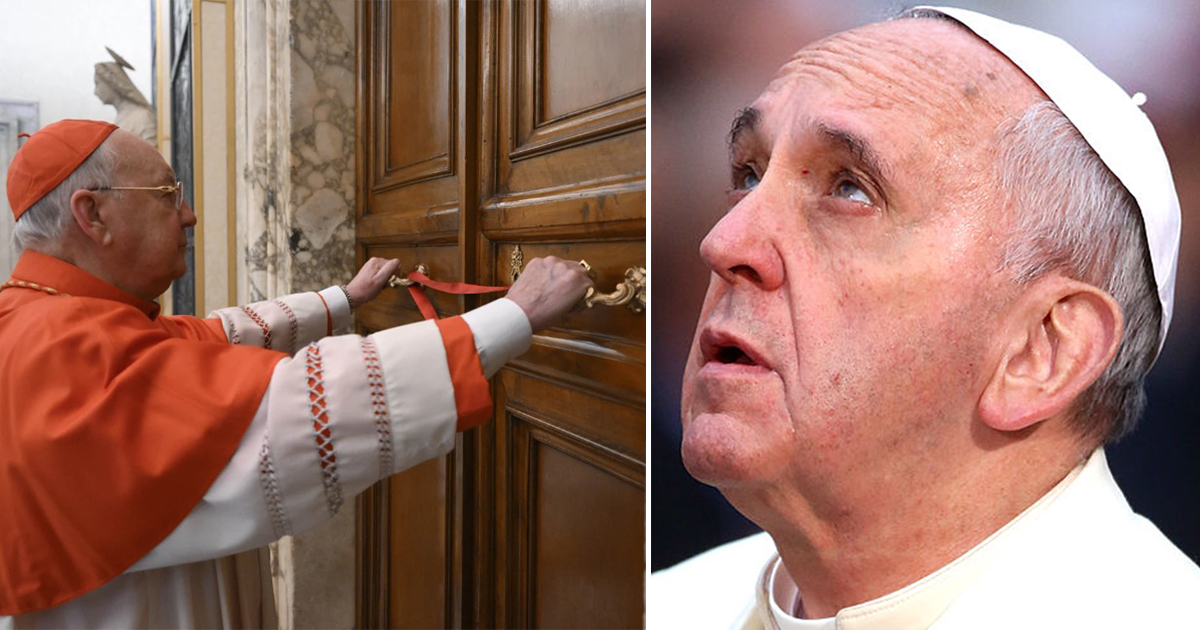
When a Pope passes away, the Papal Apartments in the Apostolic Palace are formally sealed by the Camerlengo—the Chamberlain of the Holy Roman Church. This ritual is not merely a symbolic gesture of mourning, but a precise administrativ...
When a Pope passes away, the Papal Apartments in the Apostolic Palace are formally sealed by the Camerlengo—the Chamberlain of the Holy Roman Church. This ritual is not merely a symbolic gesture of mourning, but a precise administrative procedure designed to ensure the security of the Holy See, prevent the unauthorized removal of sensitive documents, and facilitate the orderly transition of power during the sede vacante, or the period when the See is vacant. By sealing the private living quarters, the Vatican ensures that the successor to St. Peter inherits an environment that is preserved exactly as the late Pope left it until the formal inventory and transfer of assets can occur.
Contents
The Role of the Camerlengo in the Sede Vacante
The process of sealing the Pope’s apartment is primarily the responsibility of the Camerlengo, an official who holds the title of Cardinal Camerlengo of the Holy Roman Church. According to the apostolic constitution Universi Dominici Gregis, promulgated by Pope John Paul II in 1996, the Camerlengo plays a vital role during the interim period between the death of a Pope and the election of his successor.
His duties are strictly defined to maintain the continuity of the Church. Upon the official verification of the Pope’s death, the Camerlengo takes possession of the Apostolic Palace and the villas of Castel Gandolfo. The sealing of the private apartments is one of his first administrative tasks. This act serves a dual purpose: it signals to the world that the reign of the previous Pope has ended, and it provides a legal barrier against any individual accessing private papers, personal correspondence, or valuable objects before a formal audit can be completed.
Procedural Security and the Prevention of Interference
The primary practical reason for sealing the apartment is the preservation of sensitive information. A Pope handles a massive volume of confidential communications, ranging from geopolitical correspondence with heads of state to private notes regarding the governance of the Roman Curia. In the hours immediately following a death, the risk of sensitive documents being compromised—whether by accident, political intrigue, or unauthorized collection—is at its peak.
By sealing the doors with official wax or paper seals, the Camerlengo establishes a "chain of custody." Any breach of these seals would be immediately apparent, alerting the Vatican’s security forces, the Gendarmerie Corps, and the Swiss Guard that unauthorized entry has occurred. This procedure protects the intellectual and legal integrity of the late Pope’s papacy, ensuring that no decisions or documents are altered, destroyed, or stolen before the official records are archived.
The Symbolic Transition of Power
While the administrative and security aspects are paramount, the sealing of the apartment also carries significant symbolic weight. It acknowledges the finality of the pontificate. The Pope’s apartment is his home, but it is also an extension of the office itself. When the occupant dies, that specific iteration of the papacy comes to an end.
The act of sealing the rooms is a public demonstration that the "House of the Fisherman" is temporarily empty, awaiting a new occupant. This period of sede vacante is characterized by a deliberate pause in the legislative functions of the papacy. The seal remains in place until the new Pope is elected and takes possession of the Apostolic Palace. This transition ensures that the new pontiff can enter a space that has been formally inventoried, providing a "clean slate" that maintains the historical continuity of the Vatican’s governance.
Comparison of Administrative Procedures During Sede Vacante
The following table summarizes the key functions and procedures performed by the Holy See during the period following a Pope's death, highlighting why the sealing of the apartment is a critical component of the broader administrative transition.
| Procedure | Person(s) Responsible | Primary Goal |
|---|---|---|
| Verification of Death | Camerlengo / Physician | Legal confirmation of the vacancy. |
| Sealing of Apartments | Camerlengo | Protect sensitive data and official assets. |
| Inventory of Property | Camerlengo / Notaries | Document assets for the incoming Pope. |
| Preparation of Conclave | College of Cardinals | Facilitate the election of a successor. |
| Destruction of Seals | Camerlengo | Symbolize the end of the previous authority. |
Historical Evolution of the Custom
The tradition of sealing the apartments is rooted in centuries of ecclesiastical law designed to prevent "interregnum" problems, such as the looting of palaces or the forging of documents. In earlier eras, the death of a Pope often triggered power struggles among noble Roman families who hoped to influence the selection of the next leader. The sealing of the papal chambers was a defensive measure to keep the physical domain of the papacy sacrosanct during these volatile transitions.
Over time, this custom transitioned from a security measure against physical intrusion into a refined administrative protocol. In the modern era, while the threat of physical looting has diminished, the need to secure digital assets and confidential diplomatic files has only increased. The process today is overseen with rigorous attention to detail, often involving formal notaries who document the state of the apartments once the seals are eventually broken.
What Happens When the New Pope Arrives?
When the College of Cardinals elects a new Pope, the period of sede vacante officially concludes. The new Pope is not merely the successor to a title; he is the custodian of the legacy left by his predecessor. The apartment, having been sealed and inventoried, is eventually reopened under the authority of the new pontiff.
For the incoming Pope, this provides an opportunity to review the archives of the previous administration. It is a moment of continuity. While the new Pope may choose to renovate, move to a different suite (such as the Casa Santa Marta, as chosen by Pope Francis), or reorganize the administrative staff, the process ensures that the transition is orderly, legal, and respectful of the deceased Pope’s privacy.
Frequently Asked Questions
Who is authorized to enter the apartment while it is sealed? Only the Camerlengo and those specifically designated by him—usually to carry out the necessary inventory of official property—are permitted to enter. The rooms remain off-limits to other members of the Curia, staff, and even the general public.
Does the sealing include the Pope's digital files and computers? Yes. Modern protocols for the sede vacante extend to digital information. The security of the Pope’s private electronic devices and servers is managed by the Vatican’s Information Technology services under the direction of the Camerlengo to ensure that sensitive data remains confidential.
Are the seals permanent until a new Pope is elected? The seals remain in place until the inventory of the apartments is complete and the administrative requirements are met. They are not necessarily kept sealed for the entire duration of the vacancy, but they serve as the primary legal constraint until the relevant church officials have secured the premises.
What happens if someone enters the apartment after it is sealed? Entering a sealed area without explicit authorization from the Camerlengo is a violation of canon law and Vatican city-state security protocols. Such an act would trigger an investigation by the Gendarmerie Corps, as it interferes with the official transition of the Holy See.
Is the furniture and art removed from the apartment? Generally, no. The objects within the Papal Apartments are often the property of the Holy See. The inventory process is meant to document these items, not to vacate the space entirely. The apartment is prepared for the next occupant, and the furnishings are maintained as part of the Vatican’s historical and material heritage.
Practical Next Steps for Researchers
If you are investigating the administrative procedures of the Vatican, the most reliable source for current protocols is the Universi Dominici Gregis, the apostolic constitution that governs the vacancy of the Apostolic See. You can consult the text via the official Vatican website, which archives these documents to ensure transparency regarding the governance of the Church. For further historical context on the role of the Camerlengo, academic journals focused on canon law provide extensive analysis on how these procedures have evolved to meet modern security requirements.
Image Gallery