Understanding Puerto Rico FIFA Membership and its Impact
Puerto Rico maintains a unique status in international football as a full member of FIFA, despite being an unincorporated territory of the United States. This membership allows the island to compete as a sovereign nation in the FIFA Wo...
Puerto Rico maintains a unique status in international football as a full member of FIFA, despite being an unincorporated territory of the United States. This membership allows the island to compete as a sovereign nation in the FIFA World Cup and other international competitions, providing a distinct platform for national identity, athletic development, and significant financial investment through global football governance programs.
Contents
The Legal and Historical Foundation of Puerto Rico’s FIFA Membership
The Federated States of Puerto Rico, represented by the Federación Puertorriqueña de Fútbol (FPF), secured its membership in FIFA in 1960. This was not an anomaly but rather part of a broader historical precedent within FIFA statutes that allows certain non-independent territories to maintain individual memberships. This "sporting sovereignty" is distinct from political sovereignty, a concept that has allowed various territories—such as Hong Kong, Gibraltar, and the four Home Nations of the United Kingdom—to compete independently.
The FPF was founded earlier, in 1940, and its admission to FIFA twenty years later marked a turning point for the sport on the island. Under the FIFA Statutes (specifically Article 11), an association responsible for organizing and supervising football in a region that has not yet gained independence may, with the authorization of the association of the country on which it is dependent, apply for admission. In this case, the United States Soccer Federation (USSF) has long recognized and supported Puerto Rico's independent standing within FIFA and CONCACAF (the Confederation of North, Central America and Caribbean Association Football).
This historical recognition is also mirrored in the Olympic movement, where the Puerto Rico Olympic Committee has been recognized since 1948. The dual recognition by both the IOC and FIFA solidifies Puerto Rico’s place in the international sporting community, allowing it to bypass the standard requirement of being an independent state as defined by the United Nations.
Why Puerto Rico Competes Separately from the United States
The primary reason for Puerto Rico’s separate competition status is the preservation of local football culture and the administrative autonomy of the FPF. If Puerto Rico were integrated into the USSF for international play, local players would have to compete for spots on the U.S. National Team, a significantly larger and more competitive talent pool.
By maintaining separate membership, Puerto Rico ensures:
- Direct Representation: The island’s unique cultural identity is showcased on the world stage.
- Autonomous Development: The FPF manages its own leagues, coaching certifications, and youth academies tailored to the specific needs of the island.
- Regional Integration: Puerto Rico competes within the Caribbean Football Union (CFU), a sub-group of CONCACAF, which provides more frequent and geographically relevant competitive opportunities than a mainland-centric model would allow.
The relationship between the USSF and FPF is collaborative rather than hierarchical. While both fall under the same political umbrella of the United States, they are peers within the FIFA ecosystem. This allows for interesting dynamics, such as players who are U.S. citizens but of Puerto Rican descent choosing which "national" team to represent, provided they meet the specific eligibility requirements set forth in the FIFA Regulations Governing the Application of the Statutes.
Economic and Developmental Impact of FIFA Membership
One of the most consequential impacts of FIFA membership is access to the FIFA Forward program. As of 2026, this development initiative provides millions of dollars in funding to member associations for infrastructure, national team travel, and professionalization of the sport.
For the FPF, these funds are the lifeblood of the sport. Without FIFA membership, Puerto Rico would likely rely on the USSF for trickle-down funding, which would almost certainly be lower than the direct grants provided by FIFA. The impact is seen in several key areas:
Infrastructure Development
FIFA Forward funds have been instrumental in the renovation and maintenance of facilities such as the Juan Ramón Loubriel Stadium and the FPF’s technical centers. These facilities serve not only the national teams but also local professional and amateur leagues, providing a standard of pitch and training equipment that would be difficult to fund through local government budgets alone.
Professionalization of the Liga Puerto Rico
The existence of a national team creates a "top of the pyramid" that justifies the existence of a professional domestic league. The Liga Puerto Rico (LPR) benefits from FIFA’s club licensing systems, which require clubs to meet specific criteria regarding financial transparency, youth development, and coaching qualifications. This structure elevates the level of play and provides a pathway for local athletes to reach professional status.
Youth and Women’s Football
A significant portion of FIFA’s investment is earmarked specifically for women’s football and youth academies. In Puerto Rico, this has led to a surge in participation among young girls and the strengthening of the Women’s National Team, which has become increasingly competitive within the CONCACAF region over the last decade.
| Impact Category | Description | Primary Benefit |
|---|---|---|
| Financial | Direct access to FIFA Forward 3.0/4.0 grants. | Millions in annual funding for operations and projects. |
| Governance | Adoption of international standards for club licensing. | Improved transparency and professional management of local clubs. |
| Talent Path | Dedicated national team rosters (U-15 to Senior). | Exposure for local players to international scouts and colleges. |
| Infrastructure | Dedicated funding for stadiums and training centers. | High-quality facilities for domestic and international matches. |
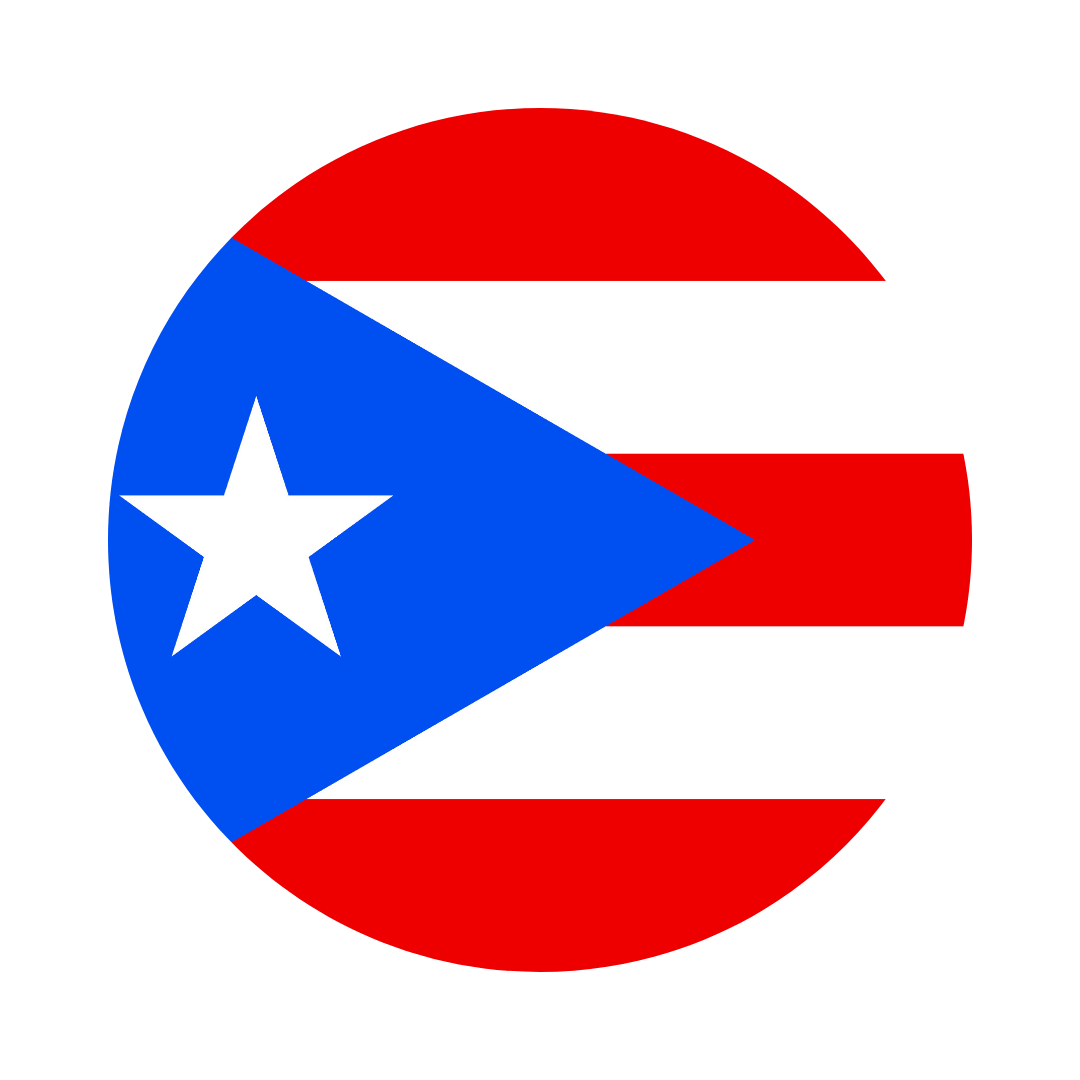
| Cultural | Use of national flag, anthem, and colors in FIFA events. | Reinforcement of Puerto Rican identity on a global scale. |
Player Eligibility and the "Two-Nation" Dynamic
A technical aspect of Puerto Rico's FIFA membership involves the unique eligibility rules for players who hold United States citizenship. Since Puerto Ricans are U.S. citizens by birth, the pool of eligible players for the FPF is vast, including the significant Puerto Rican diaspora living in the U.S. mainland.
According to FIFA’s eligibility rules (specifically the 2020 amendments to the statutes), a player may represent Puerto Rico if they satisfy at least one of the following:
- The player was born on the territory of the FPF (Puerto Rico).
- Their biological mother or father was born on the territory of the FPF.
- Their grandmother or grandfather was born on the territory of the FPF.
- The player has lived on the territory of the FPF for a specific period (usually five years).
This creates a competitive advantage for Puerto Rico, as they can recruit professionally trained players from Major League Soccer (MLS) or the USL who have Puerto Rican heritage. However, once a player represents Puerto Rico in a "cap-tied" senior competitive match, the process of switching back to the U.S. National Team is restricted by strict FIFA regulations regarding age and number of appearances.
Challenges and Competitive Landscape in 2026
Despite the benefits, Puerto Rico face significant challenges within the CONCACAF region. The "impact" of membership is often measured by results, and the FPF struggles to compete with larger nations like Mexico or the United States, as well as rising Caribbean powers like Jamaica and Haiti.
In 2026, the landscape of North American football is shifting. With the FIFA World Cup being hosted in North America (USA, Canada, and Mexico), these three giants automatically qualified, leaving more room for nations like Puerto Rico to advance further in qualifiers. However, the lack of a fully professional, year-round domestic league remains a hurdle. Many Puerto Rican players must move abroad to find high-level competition, which can lead to issues with player availability for national team windows.
Furthermore, the administrative burden of FIFA membership is high. The FPF must comply with rigorous auditing, reporting, and integrity standards. Any lapse in governance can lead to the suspension of funds or, in extreme cases, the suspension of membership—a fate that has befell other Caribbean associations in the past.
The Cultural Significance of Sporting Sovereignty
Beyond the tactical and financial details, the impact of FIFA membership is profoundly cultural. For many Puerto Ricans, the national football team is a rare instance where the island stands on equal footing with independent nations. When the Puerto Rican anthem plays before a FIFA-sanctioned match, it represents a form of international recognition that transcends the island’s political status as a territory.
This "sporting sovereignty" fosters a sense of pride and unity. It allows for the development of local heroes—players like Héctor Ramos or Jackie Cruz—who become symbols of what is possible for Puerto Rican athletes. This cultural impact is a driving force behind the FPF’s continued efforts to maintain and strengthen its standing within FIFA, despite the periodic debates regarding the island's political future.
FAQs
Can a player play for Puerto Rico and then play for the USA?
Under current FIFA rules, a player can switch associations only if they meet specific criteria. If a player has played no more than three competitive senior matches before the age of 21 and has not appeared in a World Cup or major continental tournament, they may be eligible to switch. However, once a player is "cap-tied" at the senior level in a major tournament, they are generally committed to that nation for life.
Does the U.S. government fund the Puerto Rico National Team?
No. The Puerto Rico National Team is funded primarily through the Federación Puertorriqueña de Fútbol, which receives its budget from FIFA grants, CONCACAF distributions, private sponsorships, and gate receipts. It does not receive direct funding from the U.S. federal government or the USSF.
How does Puerto Rico's FIFA ranking affect its membership?
A low FIFA ranking does not jeopardize membership, but it does affect the team's seeding in tournaments like the CONCACAF Nations League and World Cup Qualifiers. Lower-ranked teams often have to play more preliminary rounds to reach the group stages of major competitions.
Is Puerto Rico considered a "Country" by FIFA?
FIFA uses the term "Member Association." While most member associations represent independent countries, FIFA statutes allow for the membership of "dependant territories" with the permission of the parent association. Therefore, for football purposes, Puerto Rico is treated as a country, regardless of its political status.
What is the role of the Caribbean Football Union (CFU) in this membership?
The CFU is a regional sub-group of CONCACAF that includes Puerto Rico. It helps organize smaller regional tournaments and provides a collective voice for Caribbean nations within FIFA governance. Puerto Rico's membership in the CFU is a direct result of its independent FIFA status.
Future Outlook and Recommendations
For Puerto Rico to maximize the impact of its FIFA membership heading into the late 2020s, the focus must shift from mere participation to structural sustainability. The FPF should prioritize the strengthening of the Liga Puerto Rico to ensure that local players have a professional environment to develop in year-round. Additionally, leveraging the Puerto Rican diaspora in the United States remains a vital strategy for immediate competitive improvement.
Fans and stakeholders should monitor the FPF’s use of FIFA Forward 4.0 funds, ensuring they are directed toward grassroots coaching and youth facilities. The ultimate goal remains a consistent presence in the later stages of CONCACAF competitions, which would further validate the island’s unique position in the global football hierarchy.
Image Gallery