IDA Expo 2026 Highlights: Advancing the Door and Access Systems Industry
The IDA Expo 2026 in Indianapolis showcased transformative shifts in the door and access systems industry, focusing on AI-integrated safety sensors, high-speed energy-efficient commercial doors, and advanced smart-home connectivity. Ke...
The IDA Expo 2026 in Indianapolis showcased transformative shifts in the door and access systems industry, focusing on AI-integrated safety sensors, high-speed energy-efficient commercial doors, and advanced smart-home connectivity. Key highlights included the debut of Matter-compatible residential openers and comprehensive educational sessions on evolving UL safety compliance and business scaling strategies for professional dealers.
Contents
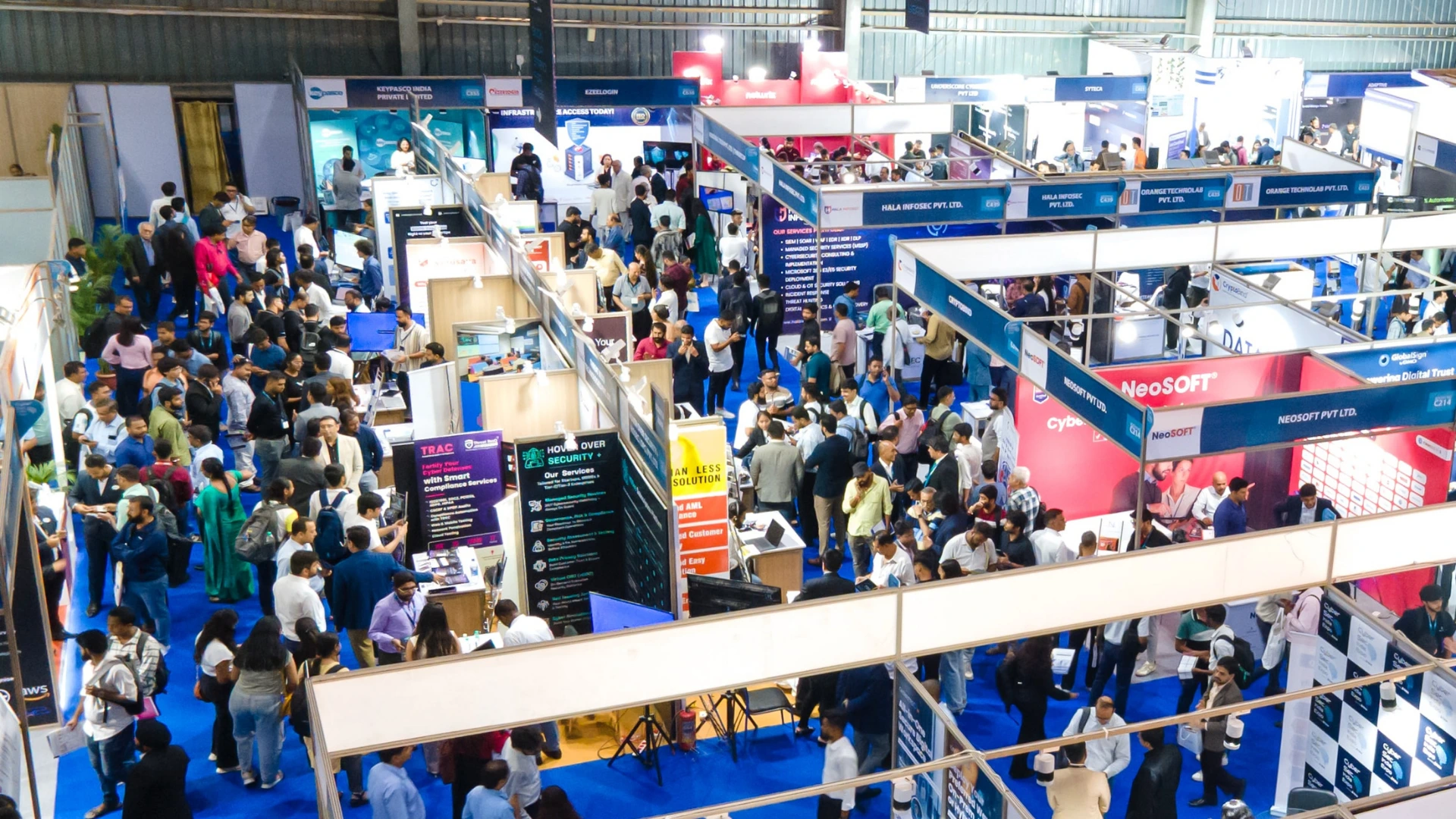
The International Door Association (IDA) Expo remains the premier event for manufacturers, dealers, and technicians within the garage door and access control sector. Held at the Indiana Convention Center from March 24–27, 2026, the event served as a critical nexus for over 10,000 industry professionals. This year’s gathering was particularly significant as it addressed the convergence of traditional mechanical reliability with the rapid acceleration of the Internet of Things (IoT) and sustainable building requirements.
The Convergence of Smart Tech and Access Control
One of the most discussed highlights of IDA Expo 2026 was the full-scale integration of the Matter 2.0 protocol into residential and commercial access systems. For years, the industry struggled with fragmented ecosystems—homeowners often found their garage door openers incompatible with their security cameras or lighting hubs without expensive third-party bridges.
At the 2026 Expo, major manufacturers demonstrated new product lines that support native Matter integration. This shift allows for seamless interoperability across different brands and platforms (such as Apple Home, Google Home, and Amazon Alexa). The technical depth of these displays focused on "local control," meaning the door responds faster and remains functional even if the external internet connection is lost, as long as the local network is active.
Furthermore, AI-driven predictive maintenance moved from a theoretical concept to a standard feature in high-end openers. These systems analyze the vibration, speed, and sound of the door’s operation over thousands of cycles. When the system detects a deviation from the baseline—indicating a failing torsion spring or a misaligned track—it sends a preemptive alert to the homeowner and the preferred service dealer. This proactive approach not only increases safety but also provides dealers with a recurring revenue stream through service contracts.
Commercial and Industrial Innovation: Speed and Efficiency
The commercial sector of the IDA Expo 2026 focused heavily on high-performance doors (HPDs) designed for the logistics and cold storage industries. As global supply chains demand faster throughput, the mechanical limitations of traditional rolling steel doors are being challenged.
Exhibitors showcased doors capable of opening at speeds exceeding 100 inches per second. These speed gains are achieved through advanced variable-frequency drives (VFDs) and lightweight, high-strength fabric or composite slats. The "Why" behind this trend is twofold: energy conservation and operational safety. In climate-controlled environments, every second a door remains open contributes to significant thermal loss. The 2026 models featured improved "thermal breaks" and perimeter sealing tech that virtually eliminates air infiltration.
Advanced Sensor Technology for Workplace Safety
Safety sensors have evolved beyond simple photo-eyes. The 2026 highlights featured 3D LiDAR (Light Detection and Ranging) sensors for commercial gates and industrial doors. Unlike traditional infrared beams that only detect an object at a single point, LiDAR creates a real-time volumetric map of the door opening. This allows the system to distinguish between a forklift approaching to enter and a pedestrian walking parallel to the door, significantly reducing "ghost" cycles and enhancing safety in high-traffic warehouses.
Educational Tracks: Bridging the Talent Gap
A major component of the IDA Expo is the commitment to professional development. In 2026, the educational seminars focused heavily on the labor shortage and the "Technical Proficiency Gap." As door systems become more computerized, the role of the "garage door man" is evolving into that of a "system integration technician."
Workshops provided deep dives into the following areas:
- Electronic Troubleshooting: Moving beyond mechanical adjustments to diagnosing logic board failures and signal interference.
- UL 325 and ASTM Standards: Updated sessions on compliance for automated vehicular gate systems to prevent entrapment injuries.
- Business Operations: Leveraging CRM (Customer Relationship Management) software to optimize technician routing and maximize "first-call completion" rates.
The "SuperTech" competition also returned, where the industry's top technicians were tested on their ability to diagnose complex mechanical and electrical faults under pressure. This year, the focus was specifically on the integration of battery backup systems, which have become mandatory in several jurisdictions to ensure egress during power outages.
Sustainability and Material Science in Door Manufacturing
Sustainability was not just a buzzword at IDA Expo 2026; it was a core engineering requirement. Manufacturers displayed garage door sections with significantly higher R-values (a measure of thermal resistance) using environmentally friendly blowing agents in their polyurethane foam insulation.
We observed a move toward "Circular Economy" designs, where door components are engineered for easier disassembly and recycling at the end of their 20-to-30-year lifespan. This shift is largely driven by New Construction standards and LEED (Leadership in Energy and Environmental Design) requirements, where builders earn points for using materials with high post-consumer recycled content.
| Feature | 2024 Standards | 2026 Innovations (Indianapolis) |
|---|---|---|
| Connectivity | Proprietary Apps (WiFi) | Universal Matter 2.0 Integration |
| Maintenance | Reactive (Fix when broken) | Predictive (AI-based alerts) |
| Commercial Speed | 30–60 inches per second | 80–120 inches per second |
| Safety Sensors | Single-beam Photo-eyes | Volumetric 3D LiDAR Mapping |
| Material Focus | Standard Steel/Insulation | Low-carbon Steel & High R-Value Composites |
| Compliance | Basic UL 325 Awareness | Integrated Edge-to-Controller Logic |
Impact of Regulatory Changes on the Access Industry
The 2026 event highlighted upcoming changes in regulatory landscapes, particularly concerning cybersecurity for connected devices. As garage doors are a primary entry point for many homes, the IDA collaborated with security experts to establish "Best Practices for Access System Cybersecurity." Manufacturers are now implementing encrypted handshakes between the opener and the remote to prevent "replay attacks" where hackers capture the signal to open the door later.
Additionally, the discussion around Wildland-Urban Interface (WUI) building codes was prominent. New door designs were showcased that offer superior fire resistance and "ember-resistant" venting, specifically for homes in fire-prone regions. These doors are tested to withstand extreme heat without warping, ensuring that the garage remains a sealed barrier against fire ingress.
Networking and the "Power of Professionalism"
Beyond the hardware, IDA Expo 2026 emphasized the value of professional accreditation. The IDA's "Company Accreditation" program saw a record number of applicants. The goal is to differentiate professional, insured, and trained dealers from "trunk-slammers"—unlicensed operators who often use substandard parts and ignore safety protocols.
Networking events held throughout Indianapolis allowed small family-owned businesses to connect with global manufacturers. These interactions are vital for the feedback loop; technicians on the ground tell engineers what fails in the field, leading to the "ruggedization" of components like nylon rollers, heavy-duty hinges, and high-cycle springs.
Frequently Asked Questions
What was the most significant product launch at IDA Expo 2026?
The most significant launch was the introduction of universal Matter-certified bridge modules that allow older openers (manufactured within the last 15 years) to integrate into modern smart home ecosystems. This hardware enables professional dealers to offer smart upgrades to existing customers without requiring a full motor replacement.
How are AI and machine learning being used in the door industry?
AI is primarily used for predictive diagnostics. By monitoring the amperage draw of the motor and the timing of the door's travel, the software can identify when a spring is losing tension or when the door is out of balance. This allows for "service before failure" alerts, which prevents homeowners from being trapped with a car inside a garage due to a broken spring.
What are the new safety requirements discussed for 2026?
The focus has shifted toward enhanced entrapment protection for gates. Under updated interpretations of safety standards, more gate systems are moving toward "monitored" safety edges and wireless photo-eyes that must communicate a "heartbeat" to the controller. If the safety device is not functioning, the gate will not operate in a "momentary contact" mode.
Why was Indianapolis chosen for the 2026 Expo?
Indianapolis was chosen for its central location and world-class facilities at the Indiana Convention Center. Its proximity to several major manufacturing hubs in the Midwest makes it an accessible location for a large portion of the IDA membership, reducing travel costs for smaller dealerships.
Can I upgrade my current door to the high-speed commercial standards shown?
Generally, high-speed operation requires a specific High-Performance Door (HPD) system, including a specialized motor, controller, and track configuration. While some "speed-up" kits exist for standard doors, they often compromise the lifespan of the hardware. The Expo highlights focused on purpose-built systems that handle the centrifugal forces of high-speed travel.
Next Steps for Industry Professionals
For those who attended—or those who missed the live event—the next action is to integrate these highlights into daily operations. Dealers should audit their current product offerings to ensure they include Matter-compatible options, as consumer demand for unified smart home control is expected to surge throughout the remainder of 2026. Furthermore, technicians should seek certification in the new LiDAR and AI-diagnostic tools, as these will soon become the baseline for high-end residential and commercial installations.
Staying ahead of these trends is no longer optional; as the industry moves toward "Access as a Service," the professionals who master the digital components of the door will lead the market.
Image Gallery