How Her Universe Reshaped Geek Fashion
Her Universe fundamentally reshaped geek fashion by proving that female fans demanded stylish, well-fitted apparel that honored their fandoms. By shifting the market away from "unisex" boxy cuts toward tailored silhouettes and feminine...
Her Universe fundamentally reshaped geek fashion by proving that female fans demanded stylish, well-fitted apparel that honored their fandoms. By shifting the market away from "unisex" boxy cuts toward tailored silhouettes and feminine aesthetics, the brand transformed the retail landscape, compelling mainstream clothing retailers to acknowledge and cater to the female geek demographic as a serious, profitable consumer base.
Contents
The Landscape Before Her Universe
Before the mid-2000s, the apparel industry viewed the geek demographic—specifically fans of science fiction, fantasy, and comic books—as a monolith. Merchandise was overwhelmingly designed for men, characterized by oversized screen-printed T-shirts and boxy, heavy-duty cuts. For women who were passionate about franchises like Star Wars or Star Trek, the options were limited to purchasing the smallest men’s size, which rarely fit well, or attempting to modify shirts through DIY craft projects.
This environment created a "visibility gap." Retailers frequently operated under the misconception that women did not make up a significant portion of the audience for high-grossing entertainment franchises. This was not a lack of interest, but a failure of supply; the fashion industry had not yet developed a vocabulary for "geek chic" that intersected with contemporary trends in women’s wear.
The Catalyst: Ashley Eckstein’s Vision
In 2010, Ashley Eckstein, the voice of Ahsoka Tano in Star Wars: The Clone Wars, founded Her Universe to address this specific disparity. The brand’s inception was rooted in the direct observation that women wanted to express their fandom through clothing that was not only recognizable to other fans but also flattering and comfortable.
Eckstein’s approach was twofold: first, she navigated the complex world of licensing to secure rights from major intellectual property holders, most notably Lucasfilm. Second, she focused on design integrity. By prioritizing fabric quality, modern tailoring, and wearable fandom motifs, the brand moved away from the "costume" aesthetic and toward functional, everyday fashion. This allowed women to wear their interests in professional, academic, or social settings without the clothing appearing like novelty merchandise.
Shifting Retail and Cultural Norms
The impact of Her Universe on the retail sector was significant because it provided data-backed evidence that female fans were a robust demographic. Major retailers, observing the success of the brand’s collaborations with Hot Topic and other outlets, began to expand their own inventory to include similar categories.
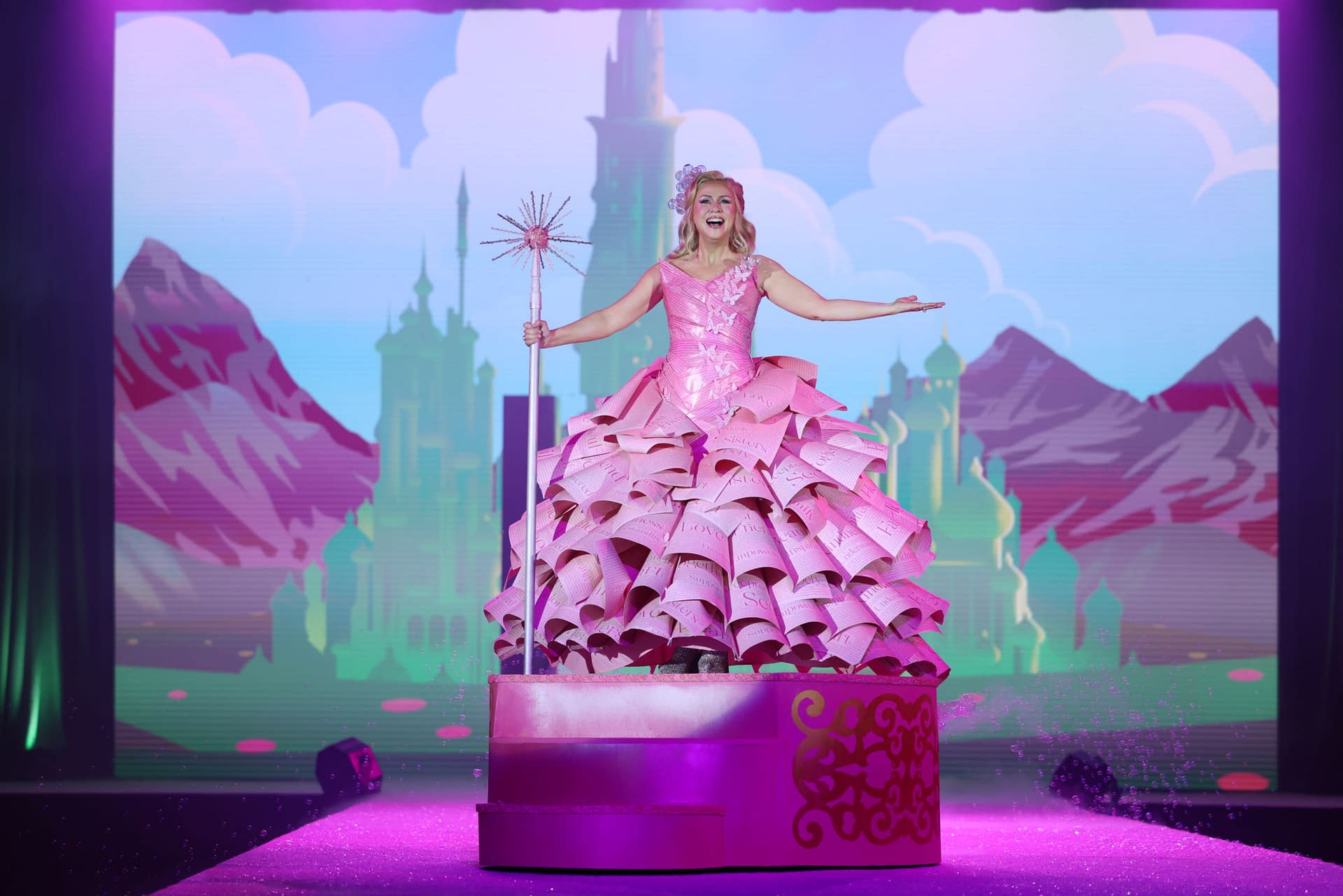
The brand did more than just move units; it changed the conversation at major industry events like San Diego Comic-Con. By hosting fashion shows that spotlighted fan-made designs, Her Universe elevated the status of geek fashion to an art form. This empowered a community of designers and creators, essentially professionalizing the "geek fashion" space and encouraging a wider array of brands to enter the market with their own licensed collections.
Key Factors in the Brand’s Success
The success of Her Universe can be attributed to a combination of design strategy, community engagement, and market timing. The following table outlines how the brand successfully bridged the gap between niche interests and mainstream fashion retail.
| Factor | Description | Impact on the Industry |
|---|---|---|
| Tailored Fit | Move away from boxy, unisex garments. | Established new sizing standards for fandom apparel. |
| Subtle Branding | Using iconic motifs rather than just giant logos. | Allowed for wearability in professional environments. |
| Licensing Strategy | Direct partnerships with major studios. | Ensured product legitimacy and brand authority. |
| Community Focus | Involving fans in the design and debut process. | Created intense brand loyalty and word-of-mouth marketing. |
Technical Evolution and Design Philosophy
From a production standpoint, Her Universe revolutionized the category by treating geek apparel with the same design rigor as general apparel. The design team focused on "discreet fandom," where a garment might feature the color palette of a ship from Battlestar Galactica or a subtle embroidery of a rebellion insignia, rather than a loud, graphic-heavy print.
This required a more complex supply chain. Unlike standard promotional T-shirts, which rely on simple screen-printing, Her Universe products often required specific fabric dyes, bespoke patterns, and intricate detailing. By investing in these higher production standards, the brand set a new technical benchmark that forced other manufacturers to either upgrade their quality or lose their share of the female demographic.
Challenges and Future Considerations (2026 Status)
As of 2026, the market for geek fashion is saturated. The barriers to entry are lower, but the competition is steeper. While Her Universe successfully carved out this space, they now face the challenge of maintaining brand identity in an era where fast-fashion retailers frequently release licensed collections.
The primary challenge today is sustainability and material sourcing. Consumers in 2026 are increasingly conscious of how their clothing is manufactured. The brands that continue to lead will be those that balance their established fandom roots with transparent, environmentally conscious production methods—a shift that is currently defining the next era of licensed merchandise.
Frequently Asked Questions
Why did geek fashion focus so heavily on men prior to Her Universe? Historically, the entertainment industry viewed the "hardcore" fan demographic as predominantly male, leading to a circular bias where merchandise was only marketed to men, reinforcing the idea that women were not target consumers.
How did Her Universe change licensing expectations? They demonstrated to rights holders that fans would pay a premium for high-quality, fashion-forward designs. This encouraged studios to grant more licenses specifically for apparel categories that prioritized design over simple branding.
What is the difference between "geek chic" and "cosplay"? Geek chic refers to everyday wear that incorporates subtle references to pop culture, designed for utility and aesthetic appeal. Cosplay is the performance art of wearing elaborate costumes to represent a specific character.
How can I verify if a fandom clothing item is authentic? Check the interior tags for official copyright information, such as the studio name (e.g., Disney/Lucasfilm) and the manufacturing year. Authorized retailers will always list these details on their product pages.
Did Her Universe influence inclusive sizing? Yes, by proving that the female fan base was diverse and significant, the brand helped advocate for more inclusive sizing options across the industry, moving away from the limited size runs typical of earlier niche merchandise.
Next Steps for Consumers
If you are looking to curate a fandom-inspired wardrobe in 2026, start by identifying the "intensity level" of the look you desire. For office-appropriate wear, look for brands that focus on color-blocking or subtle geometric patterns inspired by your favorite franchises. Conversely, for conventions or casual events, prioritize high-quality screen prints or branded collaborations. Always verify the authenticity of merchandise via official retail channels to ensure you are supporting the original creators and receiving the expected material quality.
Image Gallery