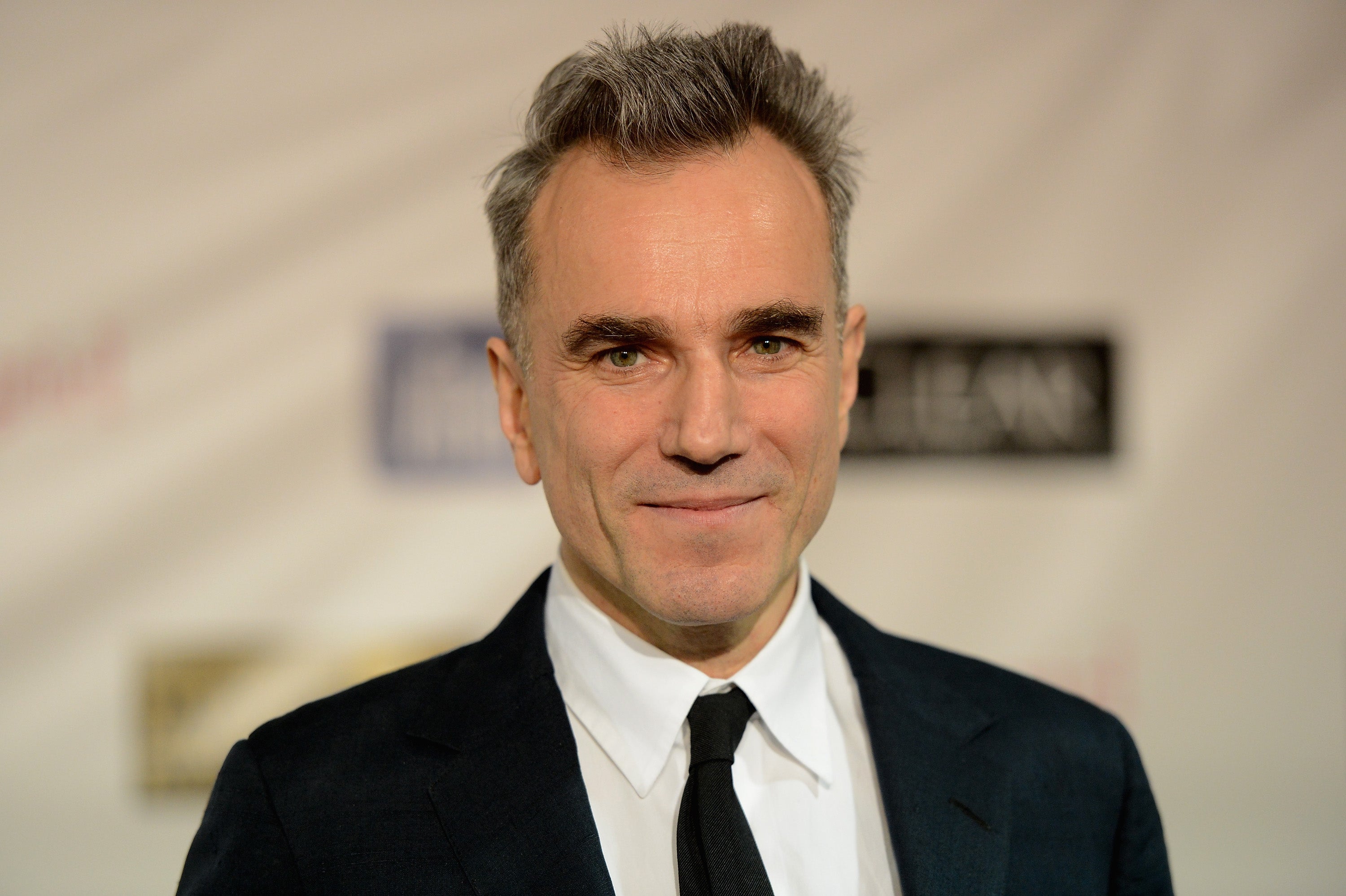
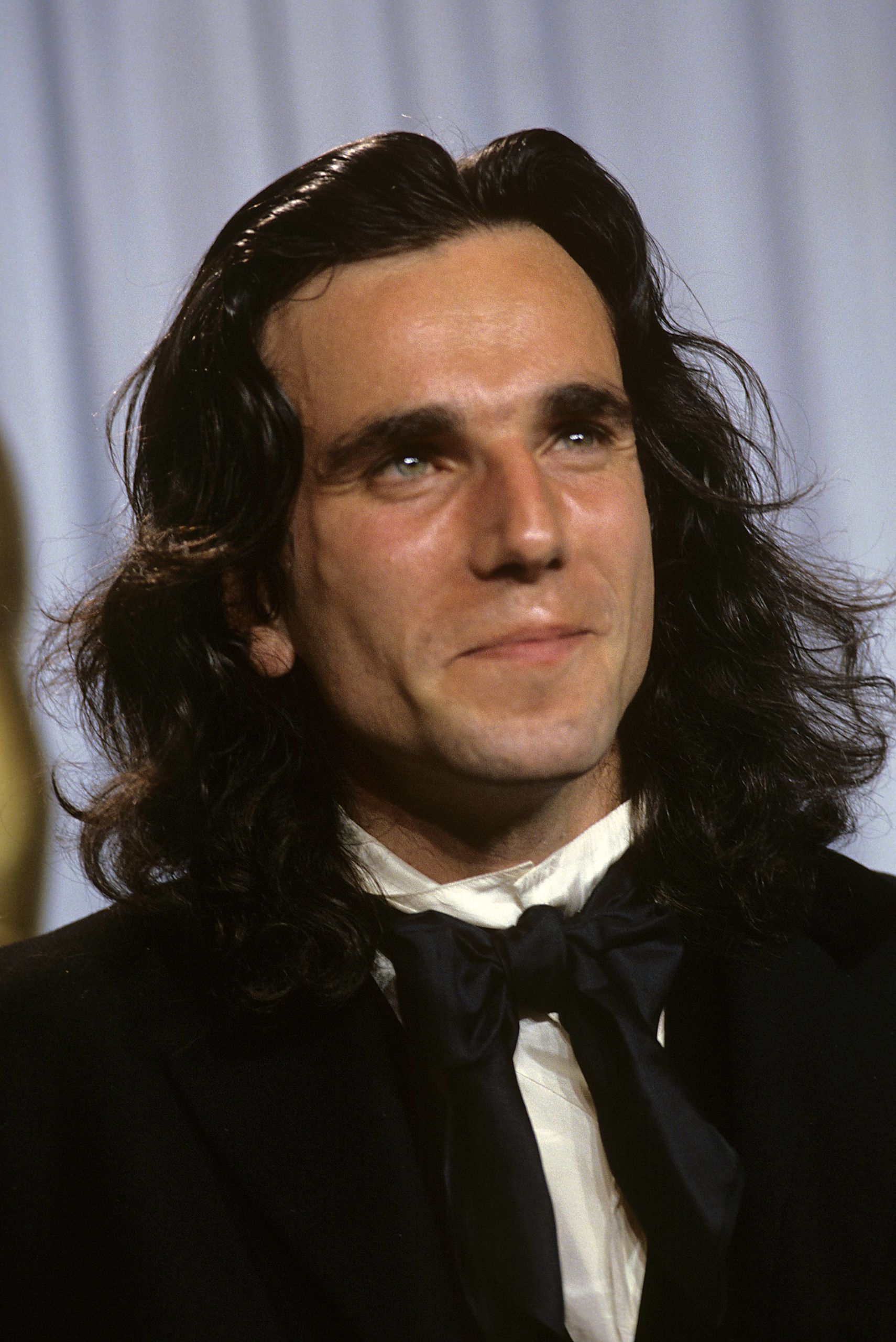
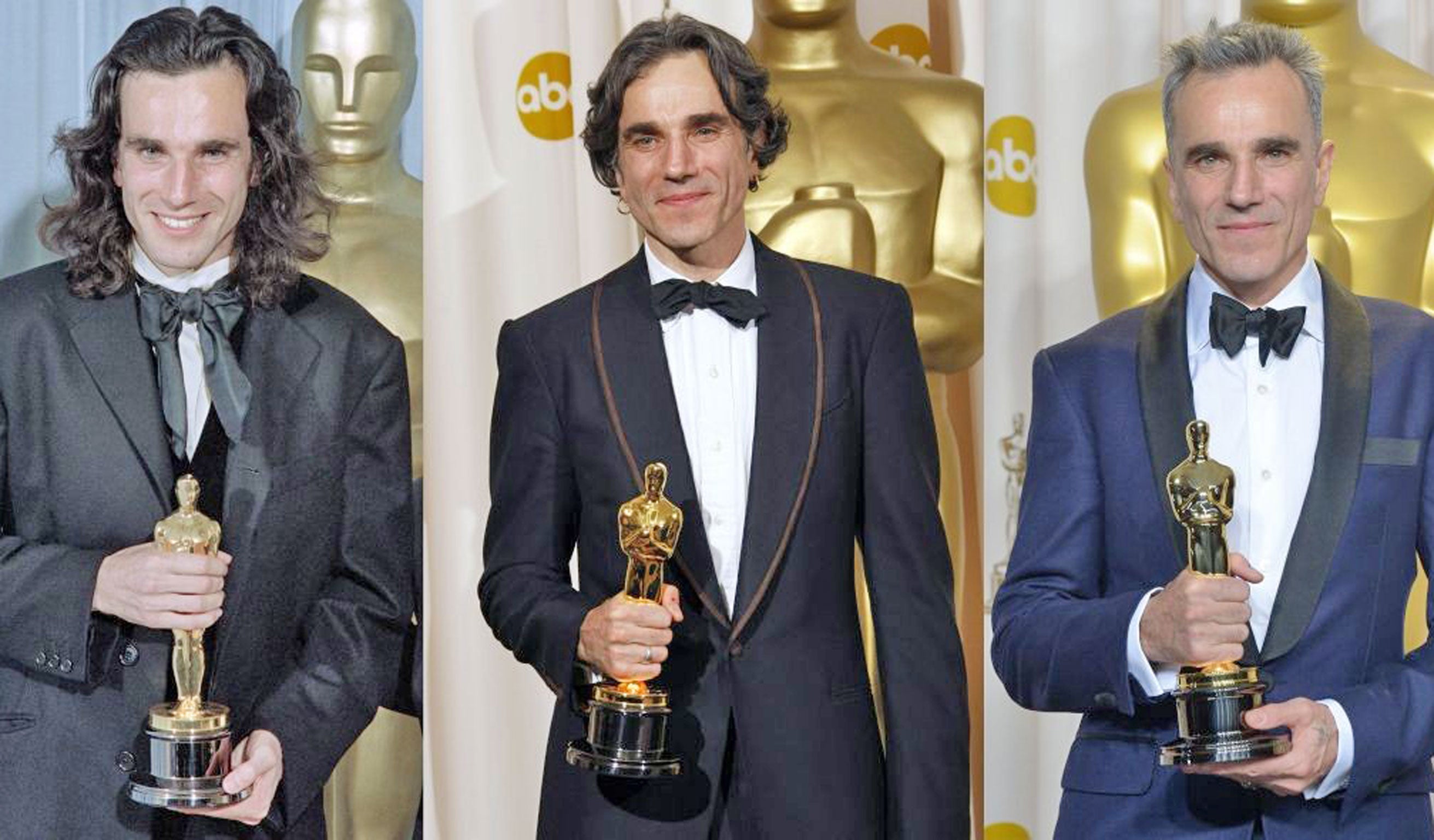
Picture of Daniel Day-Lewis: Guide to Iconic Film Stills, Portraits, and Image Licensing
Locating an authentic picture of Sir Daniel Day-Lewis requires navigating a rich visual archive spanning over four decades of cinema. Whether you need a high-resolution editorial photograph for press publication, an iconic film still f...
Locating an authentic picture of Sir Daniel Day-Lewis requires navigating a rich visual archive spanning over four decades of cinema. Whether you need a high-resolution editorial photograph for press publication, an iconic film still for archival research, or permission details for media usage, finding the right image depends on understanding copyright permissions, archival repositories, and the distinct eras of his career.
Contents
The Visual Evolution of Daniel Day-Lewis in Cinema and Photography
Sir Daniel Day-Lewis is widely regarded as one of the most selective and visually transformative actors in modern film history. Because he retired from acting following Paul Thomas Anderson’s Phantom Thread (2017), authentic photographs of Day-Lewis—particularly portraiture outside of promotional tours—are highly sought after by publishers, film scholars, and art directors.
His visual legacy is divided into three distinct photographic categories:
- Official Film Stills and Unit Photography: Captured on set by unit still photographers (such as Frank Connor or Karen Ballard) during production. These images depict Day-Lewis fully immersed in character, from the rugged frontier aesthetic of The Last of the Mohicans (1992) to the intense portraiture of Daniel Plainview in There Will Be Blood (2007).
- Editorial Red Carpet and Press Portraits: High-end portraiture taken at film festivals, press junkets, and academy award ceremonies by legendary photojournalists and portrait artists like Annie Leibovitz, Mark Seliger, and Brigitte Lacombe.
- Archival and Rare Candid Images: Photographs documenting his early theater work with the Royal Shakespeare Company, rare public appearances, and candid shots post-retirement, often focusing on his craftsmanship work in cobbling and woodworking.
When searching for a specific picture of Daniel Day-Lewis, identifying the original photographer or the releasing studio helps streamline the search through legitimate image databases.
Where to Find and License High-Resolution Pictures of Daniel Day-Lewis
If you are a publisher, journalist, or media designer, acquiring high-resolution, legally licensed images of Daniel Day-Lewis is essential to avoid copyright infringement. Standard internet search engine image results rarely grant commercial or editorial publication rights.
1. Major Editorial Photo Agencies
For news reporting, biographical articles, and book publishing, commercial stock and editorial photography agencies offer fully cleared, high-resolution portraiture and event photography:
- Getty Images: Holds the largest digital archive of Day-Lewis portraits, academy award appearances, and red-carpet photography. Includes collections from WireImage, FilmMagic, and the ITN video/photo archives. Access rights can be acquired via the Getty Images Editorial Portal.
- Alamy: Offers an extensive catalog of international editorial shots, premiere photographs, and production stills from independent European film archives. Browse their collection directly via Alamy.
- Shutterstock Editorial (formerly Rex Features): Excellent for archival press conference photos, British film premieres from the 1980s and 1990s, and candid award show coverage.
2. Film Film Archives and Historical Repositories
For academic research, museum exhibits, or cinematic retrospectives, institutional archives house pristine print photography, original film negatives, and studio promotional transparency slides:
- BFI National Archive: The British Film Institute maintains an unparalleled visual record of Day-Lewis’s early British cinema output, including promotional material for My Beautiful Laundrette (1985) and A Room with a View (1985). Explore their collections through the BFI National Archive.
- Margaret Herrick Library (AMPAS): Maintained by the Academy of Motion Picture Arts and Sciences, this repository houses rare studio binder stills, production photograph collections, and behind-the-scenes set photography. Search historical assets at the Academy of Motion Picture Arts and Sciences.
Comparing Iconic Photographs and Film Stills Across His Career
The photographic record of Daniel Day-Lewis reflects his extreme physical transformations. The table below details key visual characteristics, film titles, primary photographers, and primary archive sources for his most recognized images.
| Era / Film Title | Image Type | Visual Style & Key Features | Primary Photographer / Rights Holder | Archival Source |
|---|---|---|---|---|
| My Left Foot (1989) | Promotional Still / Unit Photography | High-contrast interior lighting; expressive facial posture capturing Christy Brown. | Miramax / Palace Pictures | BFI Archive / Getty Images |
| The Last of the Mohicans (1992) | Unit Photography / Landscape Still | Natural light outdoor portraiture; long flowing hair, period frontier wear as Hawkeye. | Morgan Creek / 20th Century Fox | Studio Archives / Alamy |
| Gangs of New York (2002) | Character Portrait / Unit Still | Intricate period costuming, top hat, glass eye prosthetic; dark, moody chiaroscuro lighting. | Mario Tursi / Miramax Films | Getty Images / Studio Archives |
| There Will Be Blood (2007) | Cinema Frame / Unit Still | Harsh desert sunlight, wide-angle framing, grease-stained attire of oilman Daniel Plainview. | Robert Elswit (DP) / Paramount Vantage | AMPAS / Paramount Archives |
| Lincoln (2012) | Historical Character Still | Sepia-toned, Rembrandt-style portrait lighting; physical stoicism as Abraham Lincoln. | Janusz Kamiński (DP) / DreamWorks | Disney/Amblin / Getty Images |
| Academy Awards (2013) | Editorial Red Carpet | Classic black-tie portraiture celebrating his historic third Best Actor Academy Award win. | WireImage / Kevin Winter | Getty Images |
Technical Photography Breakdown: Lighting and Composition in Day-Lewis Stills
The images that define Daniel Day-Lewis's cinematic footprint are noted for their exceptional cinematography and still framing. Analyzing the technical composition of these photographs explains why they remain so striking in visual media.
The Chiaroscuro of Gangs of New York (2002)
Photographed on set by veteran Italian photographer Mario Tursi, the portraits of Day-Lewis as William "Bill the Butcher" Cutting utilize heavy directional lighting. The photos feature deep shadows (key-to-fill light ratios often exceeding 4:1) that highlight the sharp contours of his face and the textured fabrics of 1860s tailoring. The visual effect emphasizes menace, authority, and historical authenticity.
The Naturalistic Realism of There Will Be Blood (2007)
Cinematographer Robert Elswit and the production's unit photographers captured Day-Lewis in the high-desert climate of Marfa, Texas. The still images rely heavily on hard, unsoftened sunlight, creating intense facial shadows under his wide-brimmed hat. The camera angles are typically low-level, emphasizing his character's commanding, unyielding presence against open landscapes.
The Historical Warmth of Lincoln (2012)
Stills from Steven Spielberg's Lincoln, shot by Janusz Kamiński, resemble 19th-century daguerreotypes and wet-plate photographs taken by Alexander Gardner. The still photography uses soft, diffused key lights coming through high windows, illuminating Day-Lewis's aged, prosthetic-enhanced features with a gentle, painterly glow that mimics historical oil portraits.
Legal and Copyright Guidelines for Using Pictures of Daniel Day-Lewis
Using images of public figures requires compliance with international copyright and publicity rights laws. Misusing a photo can lead to copyright infringement claims from photographers or publicity rights violations from the actor's estate or legal representatives.
- Image Usage Flowchart
- Is your intended use commercial? (e.g., ads, merchandise, products)
- YES: Commercial license required from copyright holder AND personal publicity release from Day-Lewis's representatives.
- NO: Is it for news, commentary, education, or biography?
- YES: Obtain Editorial License from Getty, Alamy, etc.
- NO: Private study/personal use only.
- Is your intended use commercial? (e.g., ads, merchandise, products)
Editorial Use vs. Commercial Use
- Editorial Use: Publishing a picture of Daniel Day-Lewis in a newspaper article, documentary film, film review blog, or educational textbook is generally permitted under an editorial license. This license covers commentary, criticism, and news reporting.
- Commercial Use: Using his image to promote a commercial product, service, brand, or merchandise requires both a commercial copyright license from the photographer/agency and an explicit publicity rights clearance from Daniel Day-Lewis or his agency. Day-Lewis has historically limited commercial endorsements.
Fair Use Clarification
Relying on "Fair Use" (under U.S. copyright law) to justify using high-resolution studio stills or proprietary stock photos without a license is a common mistake. Fair Use strictly applies to specific transformative contexts, such as direct critical analysis of the image itself in an academic or journalistic piece. Merely adding an image as decorative art in a blog post or video thumbnail does not qualify as Fair Use.
Frequently Asked Questions
Where can I buy high-quality physical prints of Daniel Day-Lewis photographs?
Licensed art prints and fine-art photography portraits of Daniel Day-Lewis can be purchased through specialized gallery archives, accredited movie memorabilia dealers, and fine-art photography outlets like the Morrison Hotel Gallery or classic movie poster auctions. Ensure any print purchased for display includes evidence of authorized lab printing or photographer signatures.
Who owns the copyright to stills from Daniel Day-Lewis movies?
Copyright for production stills and movie frames belongs to the film's production company or distribution studio (such as Miramax, Paramount Pictures, or Universal Pictures), not the actor. Unit still photographers usually take these pictures under work-for-hire agreements, transferring ownership to the producing studio.
Are there any public domain pictures of Daniel Day-Lewis available?
Virtually no high-resolution photographs of Daniel Day-Lewis are in the public domain. Because his film career began in the late 1970s and 1980s, all promotional photography, red-carpet coverage, and film frames remain under active copyright protection under international law.
How can I verify if a photo of Daniel Day-Lewis is authentic or AI-generated?
Check for fine anatomical details (finger counts, ear symmetry, hair texture coherence), verify the lighting consistency against known set locations, and cross-reference the image against established databases like Getty Images, Alamy, or official film press kits. Authentic production stills carry embedded EXIF metadata, IPTC photographer credits, and clear agency attribution.
Can I use a picture of Daniel Day-Lewis on my non-commercial film blog?
Using copyrighted images without permission on a personal blog can still expose you to copyright claims. To use images safely on a non-commercial site, embed official press images via approved platform widgets (such as Getty’s embed tool), link directly to official studio media kits, or use user-attributed Creative Commons images if available under non-commercial licenses.
Recommended Next Steps for Media Researchers and Publishers
If you are currently sourcing imagery of Daniel Day-Lewis for a publishing project:
- Define Your Licensing Needs: Determine whether your project falls under editorial reporting or commercial media to select the appropriate license type.
- Search Verified Databases: Utilize reputable archives such as Getty Images or the BFI National Archive using specific search queries (e.g.,
"Daniel Day-Lewis" AND "There Will Be Blood" AND "Unit Photography"). - Verify Photographer Attribution: Ensure your final layout includes proper credit lines (e.g., Photo by Frank Connor / Paramount Vantage / Getty Images) to maintain legal compliance and editorial accuracy.
Image Gallery