What Tucson AZ Is Known For: A Comprehensive Guide to the Old Pueblo
Tucson, Arizona, is best known as a unique high-desert destination characterized by the iconic Saguaro cactus, a rich blend of Native American and Hispanic cultural heritage, and its status as a global hub for astronomical research. As...
Tucson, Arizona, is best known as a unique high-desert destination characterized by the iconic Saguaro cactus, a rich blend of Native American and Hispanic cultural heritage, and its status as a global hub for astronomical research. As the second-largest city in Arizona, it offers a distinct identity defined by its UNESCO City of Gastronomy designation, mountain-rimmed geography, and a climate that has historically attracted those seeking relief from cooler, more humid climates.
Contents
Geographical Significance: The Sonoran Desert Landscape
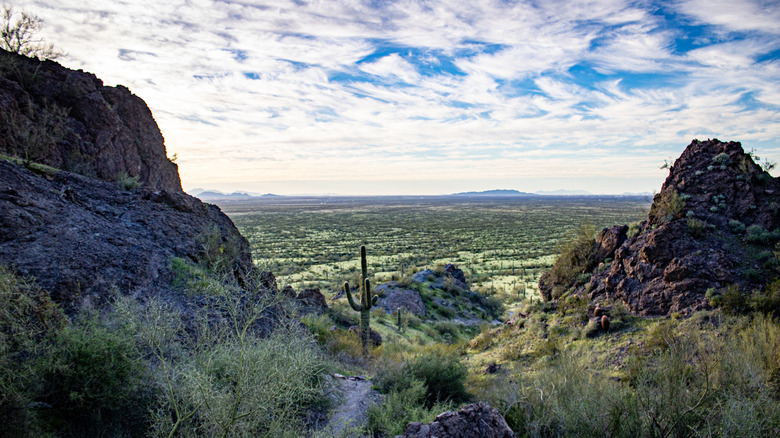
Tucson’s identity is inextricably linked to the Sonoran Desert. Unlike the high plateaus of Northern Arizona, Tucson sits in a valley surrounded by five distinct mountain ranges: the Santa Catalinas, the Rincons, the Santa Ritas, the Tucson Mountains, and the Tortolitas. This topography creates a basin that stays significantly warmer than neighboring regions, fostering a specialized ecosystem.
The most recognizable feature of this landscape is the Saguaro cactus (Carnegiea gigantea). Tucson is the primary home of these giants, which can grow up to 40 feet tall and live for over 150 years. The Saguaro National Park, divided into two districts—the Tucson Mountain District (West) and the Rincon Mountain District (East)—serves as a protected sanctuary for these plants. The landscape is not merely a tourist attraction but a biological necessity for the region’s biodiversity, providing shelter for diverse desert fauna including javelina, Gila monsters, and various species of hummingbirds.
A UNESCO City of Gastronomy
In 2015, Tucson became the first city in the United States to be designated a UNESCO City of Gastronomy. This recognition is rooted in the region's 4,000-year history of agricultural activity. The culinary identity of Tucson is defined by the "heritage foods" of the Sonoran Desert, including tepary beans, chiltepin peppers, white Sonora wheat, and various species of agave.
The local food scene is a testament to the intersection of indigenous Tohono O'odham practices, Spanish colonial influence, and modern Mexican culinary techniques. This blend is perhaps best exemplified by the "Sonoran Dog"—a bacon-wrapped hot dog served in a toasted bolillo bun, topped with pinto beans, onions, tomatoes, mayonnaise, mustard, and jalapeño salsa. Visitors and residents alike view this as a pillar of Tucson's cultural fabric, reflecting a deep-seated commitment to preserving sustainable, historical agricultural practices.
Astronomy and Scientific Research
Tucson is arguably the astronomy capital of the world. Its high elevation, low humidity, and strict dark-sky ordinances make it an ideal location for optical and infrared observations. The city’s involvement in astronomy dates back over a century, beginning with the establishment of the Steward Observatory at the University of Arizona.
Today, the region hosts major observatories, including those at Kitt Peak National Observatory and Mount Lemmon. Furthermore, the University of Arizona’s Richard F. Caris Mirror Lab is the only facility in the world capable of casting the 8.4-meter primary mirrors used in the largest telescopes, such as the Giant Magellan Telescope. This industrial and academic presence provides a high concentration of engineering and physics professionals, firmly rooting the city’s economy in aerospace and scientific research.
Cultural and Architectural Identity
The "Old Pueblo," as Tucson is affectionately called, retains a architectural and cultural aesthetic that distinguishes it from the more modern sprawl of Phoenix. This identity is curated through the preservation of historic districts like Barrio Historico, where one can find traditional Sonoran row houses built of adobe.
The city’s cultural life is also heavily influenced by its proximity to the Mexican border. This creates a bilingual and bicultural environment that manifests in public art, religious festivals like All Souls Procession—one of the largest public commemorations of the dead in the country—and its numerous museums. The Tucson Museum of Art and the Arizona-Sonora Desert Museum are primary examples of how the city integrates its natural environment with human history, focusing on the preservation of local indigenous and colonial narratives.
Comparative Overview of Key Tucson Features
| Category | Primary Attraction/Status | Regional Importance |
|---|---|---|
| Ecology | Saguaro National Park | Protects native cactus species and biodiversity. |
| Culinary | UNESCO City of Gastronomy | Recognizes 4,000 years of agricultural history. |
| Research | Astronomy & Mirror Casting | Global center for telescope and space science. |
| History | Barrio Historico | Preserves 18th- and 19th-century adobe architecture. |
| Climate | High Desert Basin | Unique weather patterns supporting desert flora. |
Practical Considerations for Visitors and Residents
When navigating Tucson, it is essential to understand the seasonal rhythms of the high desert. The climate is defined by two major precipitation events: the winter rains and the summer "monsoon" season (typically July through September). During the monsoons, violent but short-lived thunderstorms are common, and flash flooding in desert washes is a significant safety concern.
Transportation in Tucson relies heavily on personal vehicles, though the city has made strides in sustainable urban planning with the Sun Link streetcar system. This system connects the University of Arizona campus to the historic Fourth Avenue district and the Downtown core, serving as a primary transit artery for both students and tourists.
For those looking to engage with the city’s science roots, visiting the Flandrau Science Center or scheduling a tour of the Mirror Lab (booked well in advance) is highly recommended. For culinary exploration, focusing on local "heritage" restaurants that work directly with the Tohono O'odham community provides the most authentic experience of what the UNESCO designation truly entails.
Frequently Asked Questions
1. Is Tucson the same as Phoenix?
No, Tucson is distinct from Phoenix. Located about 110 miles south, Tucson has a lower population density, a higher elevation, and a focus on preservation and academic research, whereas Phoenix is the larger, more commercialized metropolitan hub of the state.
2. Why is Tucson called the "Old Pueblo"?
The name originates from the Spanish colonial period when the area was known as "El Presidio San Agustin del Tucson," a walled fort established in 1775. The "Old Pueblo" moniker persists as a nod to its deep historical roots compared to newer Arizona cities.
3. What is the best time of year to visit?
The optimal time for outdoor activity is from October through April, when temperatures are mild. Summer temperatures frequently exceed 100 degrees Fahrenheit, which limits outdoor exploration to the early morning or evening hours.
4. What makes the food in Tucson "UNESCO-recognized"?
The recognition focuses on the city’s rich agricultural heritage and the active preservation of heirloom crops. It celebrates the continuity of food traditions that have existed in the Tucson basin for over 4,000 years, involving both indigenous and colonial influences.
5. Are there restrictions on outdoor lighting in Tucson?
Yes, the city and Pima County enforce strict dark-sky ordinances to minimize light pollution. This is a critical regulatory measure to ensure that local observatories can continue their astronomical research, affecting everything from street lighting to commercial signage.
Recommendation for Next Action
If you are planning a visit or considering relocation to Tucson, your first step should be to identify your primary interest. If your goal is scientific discovery, prioritize a visit to the Steward Observatory or the Arizona-Sonora Desert Museum. If your goal is cultural immersion, spend time in the downtown historic districts and utilize the UNESCO website to map out local food providers that support sustainable, indigenous agricultural practices. Always check the official Pima County weather alerts during the monsoon season before planning any outdoor desert excursions.
Image Gallery