A Comprehensive Overview of Brickman Orthodontics: Services, Patient Care, and Treatment Technology
Brickman Orthodontics is a specialized dental practice providing comprehensive orthodontic solutions, including traditional braces, clear ceramic brackets, and Invisalign clear aligner therapy. Serving the Metro East area with offices...
Brickman Orthodontics is a specialized dental practice providing comprehensive orthodontic solutions, including traditional braces, clear ceramic brackets, and Invisalign clear aligner therapy. Serving the Metro East area with offices in Edwardsville and Glen Carbon, Illinois, the practice focuses on personalized treatment plans for children, teenagers, and adults, utilizing advanced 3D diagnostic imaging and digital scanning technology.
Contents
The Foundation of Brickman Orthodontics: Expertise and Philosophy
Brickman Orthodontics is built upon a multi-generational legacy of clinical excellence and community involvement. Led by the father-son team of Dr. Ronald Brickman and Dr. Marc Brickman, the practice has established itself as a cornerstone of specialized dental care in the Edwardsville and Glen Carbon regions. The core philosophy of the practice centers on the "Brickman Smile"—a result achieved not just through mechanical tooth movement, but through a deep understanding of facial aesthetics and long-term oral health.
Unlike general dental offices that may offer basic alignment services, Brickman Orthodontics is a dedicated specialty practice. Both Dr. Ronald and Dr. Marc Brickman completed the rigorous additional years of post-doctoral residency required to become board-eligible orthodontists. This distinction is vital for patients in 2026, as the complexity of modern orthodontic cases—ranging from skeletal discrepancies to impacted teeth—requires the specialized training that only a dedicated orthodontist possesses.
The practice emphasizes a family-friendly atmosphere that prioritizes patient comfort. From the initial consultation to the final retention phase, the clinical team focuses on clear communication, ensuring that patients and parents understand the "why" behind every adjustment. This transparency helps alleviate the anxiety often associated with dental procedures and fosters a collaborative environment where treatment goals are shared between the doctor and the patient.
Specialized Orthodontic Services and Treatment Modalities
In 2026, the options for tooth alignment are more diverse than ever. Brickman Orthodontics offers a tiered approach to treatment, selecting the specific modality that best fits the patient's clinical needs and lifestyle preferences.
Traditional Metal Braces
While often viewed as a conventional choice, modern stainless-steel braces used at Brickman Orthodontics are smaller, more comfortable, and more efficient than those used in previous decades. They remain the "gold standard" for correcting complex bite issues, such as severe overcrowding, deep overbites, and significant rotations. The practice utilizes high-grade archwires that respond to body heat, providing a gentle, continuous force that moves teeth more comfortably than the heavy-pressure wires of the past.
Clear Ceramic Braces
For patients who desire a more discreet appearance but require the precision and control of fixed appliances, ceramic braces are a primary recommendation. These brackets are made of a translucent material that blends naturally with the tooth's enamel. When paired with tooth-colored or clear ligatures, they are significantly less noticeable than metal alternatives, making them a popular choice for professionals and older teenagers.
Invisalign Clear Aligner Therapy
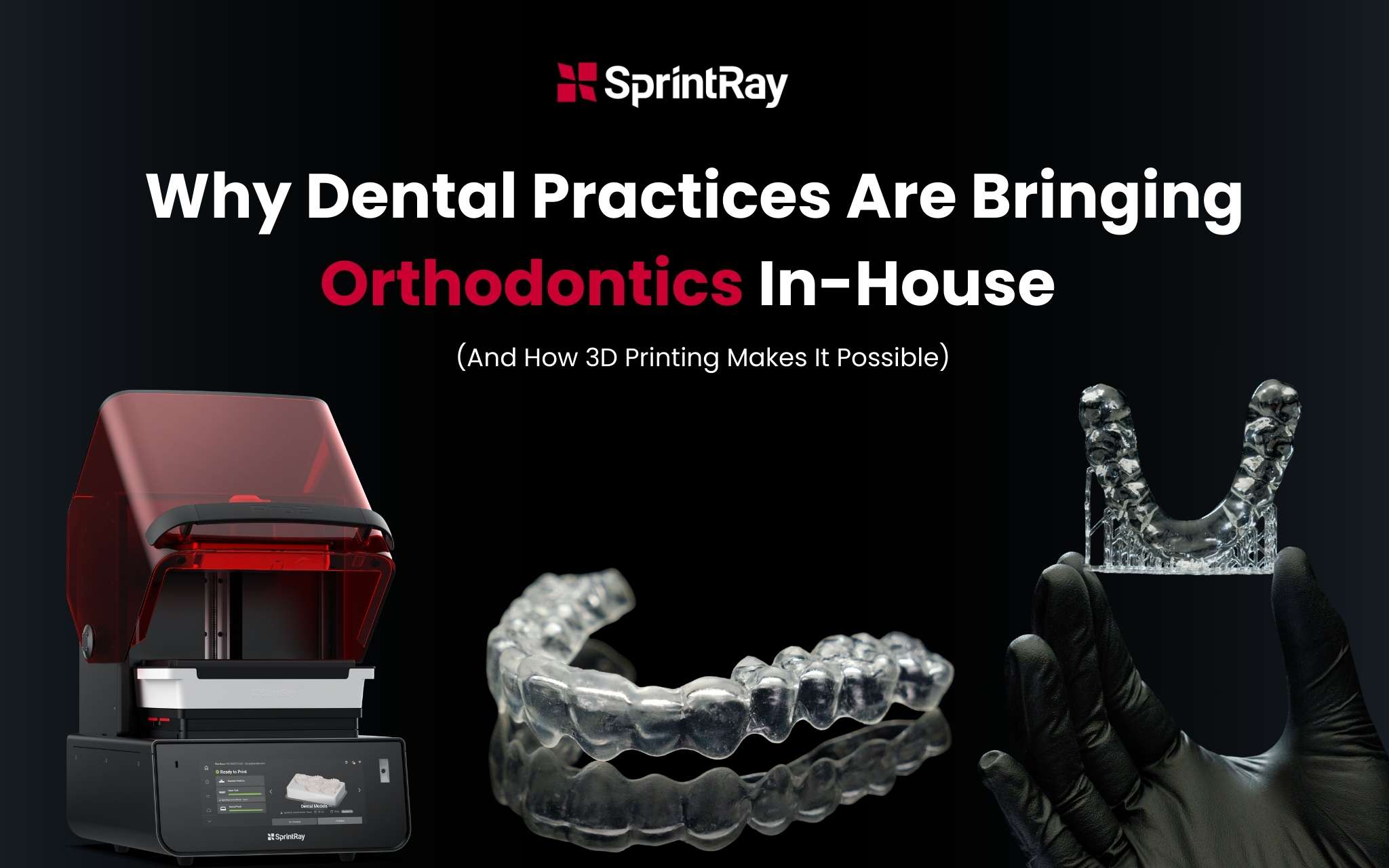
As an experienced Invisalign provider, Brickman Orthodontics utilizes a series of custom-made, removable plastic trays to gradually shift teeth. This system is particularly effective for patients with mild to moderate spacing or crowding issues who wish to maintain their current hygiene routines and dietary habits without the restrictions of wires and brackets. The practice uses advanced 3D software to map out the entire treatment progression before the first aligner is even manufactured.
Pediatric and Adolescent Care: Timing the Intervention
One of the most critical components of the Brickman Orthodontics practice overview is their approach to early intervention. Following the guidelines of the American Association of Orthodontists, the practice recommends that children have their first orthodontic evaluation by age seven.
Phase I Treatment (Early Intervention)
Early treatment occurs while the child still has a mix of primary and permanent teeth. The goal of Phase I is not necessarily to straighten every tooth, but to address skeletal growth issues. By using expanders or limited braces, the doctors can create room for erupting permanent teeth and correct crossbites or severe protrusions that could lead to trauma. Correcting these issues early often prevents the need for more invasive procedures, such as permanent tooth extractions or jaw surgery, later in life.
Phase II Treatment (Comprehensive Orthodontics)
This phase typically begins once most or all permanent teeth have erupted. Because Phase I laid the groundwork, Phase II is often shorter and more focused on the final alignment and "finishing" of the bite. The practice meticulously monitors pediatric patients through a "Growth and Guidance" program, ensuring that treatment starts at the precise biological window for maximum efficiency.
Adult Orthodontics: Esthetics and Functional Health
Orthodontic treatment is no longer reserved for children. A significant portion of the patient base at Brickman Orthodontics consists of adults seeking to improve both the appearance and the function of their smiles. Adult treatment often involves coordination with other dental specialists, such as periodontists or oral surgeons, particularly if the patient has existing dental work or bone loss.
Adults often seek treatment to address:
- Relapse from childhood treatment: Teeth shifting due to lack of retainer wear.
- Functional wear: Misaligned teeth causing premature wear on the enamel.
- Jaw pain: Correcting the bite to alleviate symptoms of TMJ disorders.
- Prosthetic preparation: Moving teeth into the correct position so a general dentist can place a high-quality bridge or implant.
Advanced Technology and Diagnostic Integration
Brickman Orthodontics has invested heavily in digital workflows to improve diagnostic accuracy and patient comfort. The transition away from traditional "goopy" impressions is a hallmark of the modern practice.
iTero Digital Scanning
The practice utilizes iTero Element scanners to create highly accurate 3D digital models of the teeth and gingiva. This technology is used for both Invisalign planning and the fabrication of traditional retainers and appliances. Not only is this more comfortable for the patient, but the digital files are also more accurate than physical molds, leading to better-fitting appliances and more predictable results.
Digital Radiography and 3D Imaging
By using digital X-rays, the practice significantly reduces radiation exposure compared to traditional film. Furthermore, 3D Cone Beam Computed Tomography (CBCT) provides a comprehensive view of the teeth, roots, jawbone, and facial structure. This is particularly useful for diagnosing impacted teeth or planning surgical orthodontic cases where the precise location of the tooth roots relative to the bone is critical.
The Patient Journey: What to Expect
Navigating orthodontic treatment is a multi-step process that requires commitment from both the clinical team and the patient.
- The Initial Consultation: This is a comprehensive exam where the doctors assess the patient's dental and skeletal structure. Patients receive a clear explanation of their orthodontic issues and a proposed timeline for treatment.
- Diagnostic Records: If the patient decides to move forward, digital scans, X-rays, and photos are taken to create a customized treatment plan.
- The Bonding Appointment: Braces are placed or Invisalign aligners are delivered. This is an educational session where the team teaches the patient how to care for their new appliances.
- Adjustment Intervals: Patients typically visit the office every 4 to 8 weeks. During these appointments, the doctors monitor progress and make the necessary mechanical adjustments to the archwires or check the fit of the aligners.
- Debanding and Retention: Once the treatment goals are met, the braces are removed. This is followed immediately by the retention phase, where custom-fitted retainers are provided to ensure the teeth do not shift back to their original positions.
Comparing Treatment Options at Brickman Orthodontics
| Feature | Traditional Metal Braces | Clear Ceramic Braces | Invisalign Aligners |
|---|---|---|---|
| Visibility | High (Metallic) | Low (Translucent) | Very Low (Clear Plastic) |
| Removability | Fixed (Non-removable) | Fixed (Non-removable) | Removable by Patient |
| Dietary Restrictions | No sticky or hard foods | No sticky or hard foods | None (Remove to eat) |
| Oral Hygiene | Requires specialized flossing | Requires specialized flossing | Normal brushing/flossing |
| Comfort Level | Moderate (Initial sensitivity) | Moderate (Initial sensitivity) | High (Smooth surface) |
| Treatment Control | Maximum (Doctor controlled) | High (Doctor controlled) | Moderate (Patient compliance) |
Financial Planning and Insurance Integration
Recognizing that orthodontic treatment is a significant investment for families, Brickman Orthodontics provides various financial options to make care accessible. The practice's financial coordinators work directly with insurance providers to maximize patient benefits. In 2026, many dental insurance plans offer a lifetime orthodontic benefit, and the Brickman team handles the filing and tracking of these claims.
For costs not covered by insurance, the practice offers:
- Interest-free in-house financing: Monthly payment plans tailored to the length of the treatment.
- Paid-in-full discounts: For patients who prefer to settle the balance at the start of treatment.
- Flexible Spending Accounts (FSA) and HSA: Guidance on using pre-tax dollars to cover orthodontic expenses.
Frequently Asked Questions
How long does the average orthodontic treatment take at Brickman Orthodontics?
Treatment time varies significantly based on the complexity of the case and the age of the patient. On average, comprehensive treatment lasts between 18 and 24 months. However, minor corrections can be completed in as little as 6 to 12 months, while complex surgical cases may take longer.
Is orthodontic treatment painful?
Patients may experience some soreness for 2 to 4 days following the initial placement of braces or after an adjustment. This is a sign that the teeth are responding to the pressure. Over-the-counter pain relievers and orthodontic wax are typically sufficient to manage any discomfort during these transition periods.
Can I still play sports or musical instruments with braces?
Yes. Patients can continue all normal activities. For those playing contact sports, Brickman Orthodontics strongly recommends wearing a specialized orthodontic mouthguard that fits over the braces to protect the lips and cheeks from impact. Musicians playing wind or brass instruments may require a short adjustment period but can usually adapt quickly.
Why choose Brickman Orthodontics over a mail-order aligner service?
Direct-to-consumer aligner companies lack the crucial in-person supervision of a specialist. Orthodontic movement involves changing the bone structure of the jaw; without regular X-rays and physical exams, patients risk permanent damage to their roots, gums, and bite. Brickman Orthodontics provides continuous monitoring to ensure that the teeth are moving safely and that the bite is functionally healthy, not just aesthetically straight.
Next Steps for Prospective Patients
The most effective way to understand how orthodontic care can benefit your specific situation is to schedule a professional evaluation. Brickman Orthodontics offers consultations at both their Edwardsville and Glen Carbon locations. During this visit, you will receive a clinical assessment, a breakdown of treatment options, and a clear financial estimate. Whether you are considering early intervention for a child or exploring esthetic options for yourself, the practice is equipped to provide high-quality, specialized care tailored to the modern needs of 2026.
Image Gallery