Comprehensive Guide to Cooling Clay Masks in 2026: Benefits, Science, and Usage
A cooling clay mask is a specialized skincare treatment that combines the oil-absorbing properties of natural earth clays with cryo-active ingredients to lower the skin’s surface temperature while purifying pores. These masks are prima...
A cooling clay mask is a specialized skincare treatment that combines the oil-absorbing properties of natural earth clays with cryo-active ingredients to lower the skin’s surface temperature while purifying pores. These masks are primarily used to soothe inflammation, reduce redness, and manage sebum production, making them ideal for oily, congested, or heat-stressed skin types.
Contents
In the 2026 skincare landscape, the cooling clay mask has evolved from a simple spa luxury into a sophisticated dermatological tool. By integrating advanced biotechnology with traditional mineralogy, these formulations offer more than just a pleasant sensation; they provide targeted relief for "inflammaging"—skin aging caused by chronic low-grade inflammation—and environmental heat stress. Understanding the synergy between mineral absorption and thermal regulation is essential for anyone looking to optimize their professional or at-home skincare regimen.
The Science of Dual-Action Formulation
To understand why a cooling clay mask is effective, one must look at the two distinct mechanisms occurring simultaneously: physical adsorption and thermal signaling.
Mineral Adsorption and Pore Detoxification
The "clay" component of the mask typically consists of phyllosilicates, such as bentonite, kaolin, or montmorillonite. These minerals possess a high surface area and a negative ionic charge. In 2026, refined processing techniques allow for even smaller particle sizes, which increase the clay's ability to "pull" positively charged toxins, heavy metals, and oxidized sebum out of the follicular infundibulum (the pore opening).
Unlike standard exfoliants that scrub the surface, clay works through adsorption—the process by which molecules adhere to the surface of the clay particles. This ensures a deep clean without the micro-tears often associated with physical beads.
Thermal Regulation and the TRPM8 Receptor
The "cooling" aspect is achieved through ingredients that either physically lower temperature through evaporation or chemically trigger the skin's cold receptors. Most modern cooling masks utilize menthol derivatives like menthyl lactate or xylitol.
These compounds bind to the TRPM8 receptor (Transient Receptor Potential Melastatin 8), the primary cold-sensing channel in human skin cells. When these receptors are activated, they send a signal to the brain that the area is cold, even if the actual physical temperature has only dropped slightly. This "tricks" the skin into constricting local blood vessels (vasoconstriction), which rapidly reduces the appearance of redness and swelling associated with acne or rosacea.
Key Ingredients to Seek in 2026
When selecting a cooling clay mask, the efficacy is determined by the specific ratio of minerals to soothing agents. High-performance formulas in 2026 prioritize bio-available minerals and stabilized cooling agents that provide a sustained release of freshness.
Primary Clay Varieties
- Kaolin (White/Pink Clay): The gentlest of the clays. It has a neutral pH and is rich in silica. It is the preferred base for sensitive or dry skin types because it removes excess oil without stripping the moisture barrier.
- Bentonite (Volcanic Ash): A powerhouse for oily skin. It has a massive swelling capacity, meaning it can absorb many times its weight in water and oil. It is highly effective at "vacuuming" stubborn blackheads.
- French Green Clay (Illite): Rich in decomposed plant matter and iron oxides. It is specifically used for its antibacterial properties and its ability to stimulate blood circulation while the mask is damp.
Advanced Cooling and Soothing Agents
- Menthyl Lactate: A derivative of menthol that offers a milder, longer-lasting cooling effect without the high irritation potential or sharp odor of pure menthol.
- Ectoin: A 2026 staple in high-end masks, this extremolyte protects cells from thermal stress and dehydration, ensuring the clay doesn't damage the skin barrier.
- Cica (Centella Asiatica): Often paired with cooling agents to accelerate the healing of the skin barrier, making the mask suitable for post-sun recovery.
- Tasmanian Pepperberry: An ingredient used to instantly calm the "sting" or "itching" sensation that some users experience as clay dries.
Comparison of Clay Types and Their Targeted Benefits
The following table compares the most common clay bases used in cooling masks to help you determine which mineral profile aligns with your specific skin concerns.
| Clay Type | Origin/Source | Primary Benefit | Best For | Cooling Intensity |
|---|---|---|---|---|
| Kaolin | Weathered rocks | Gentle debris removal | Sensitive/Dry Skin | Mild/Soothing |
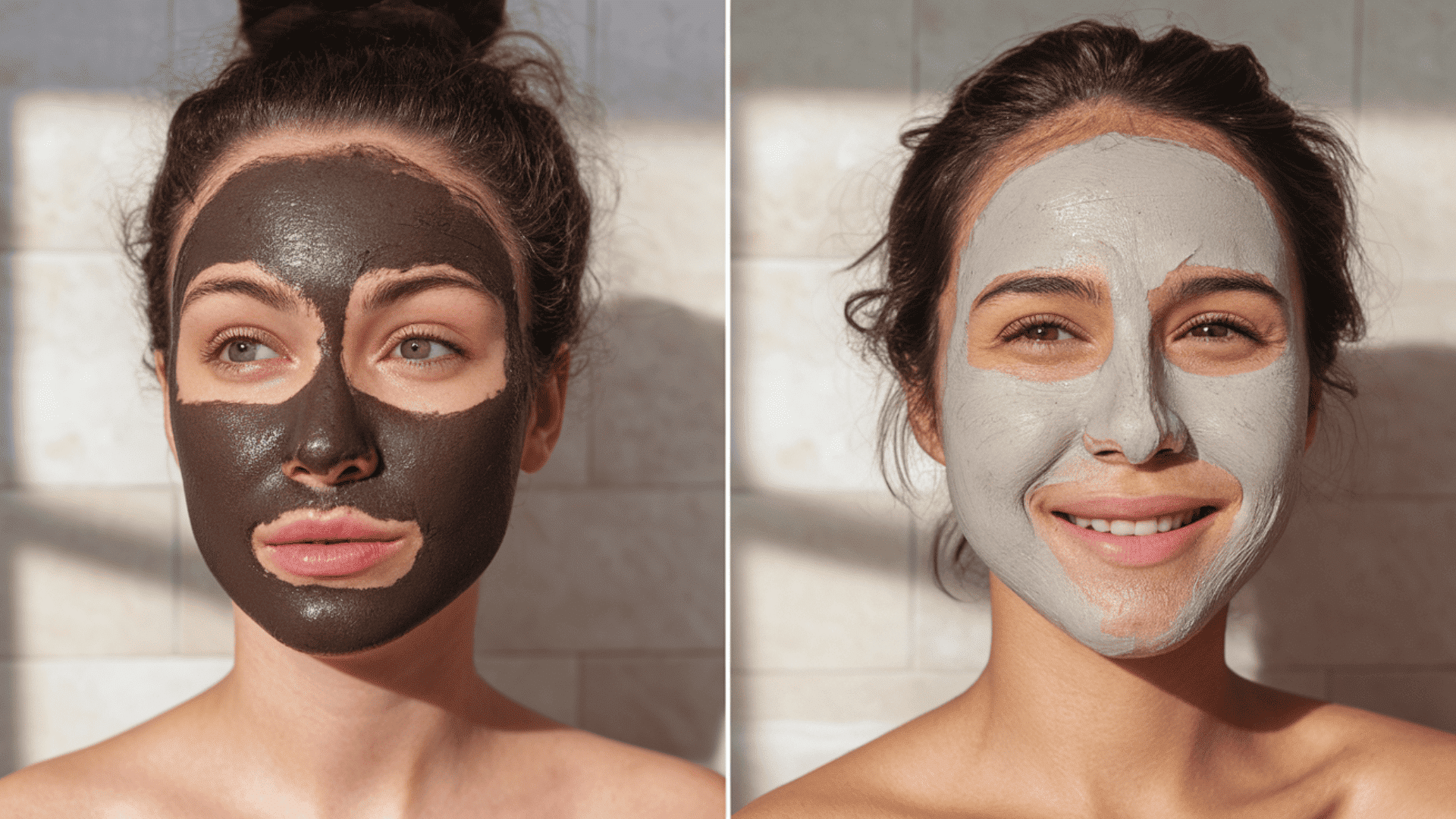
| Bentonite | Volcanic ash | Intense oil absorption | Oily/Acne-Prone | High/Firming |
| French Green | Marine environments | Mineral replenishment | Dull/Congested Skin | Moderate |
| Rhassoul | Moroccan mountains | Improved skin elasticity | Mature Skin | Mild |
| Umbrian | Italian silt | Deep purification | All Skin Types | Moderate |
Strategic Application: The "Three-Phase" Rule
A common mistake in using clay masks is allowing them to dry until they crack and crumble. In 2026, dermatological consensus emphasizes that the mask is most effective when it is still slightly damp. To maximize results, follow the three phases of mask application.
Phase 1: The Damp Phase
This is when your skin absorbs the beneficial minerals and the cooling agents begin to activate the TRPM8 receptors. During this stage, the mask is wet, and the ingredients are bio-available. This phase should last about 5 to 7 minutes.
Phase 2: The Beginning of the Dry Phase
As the mask starts to dry, it begins the process of contraction. This is when the clay exerts a "pulling" force on the pores, stimulating blood flow and drawing out impurities. You will feel a slight tightening sensation.
Phase 3: The Danger Zone (Avoid)
When the mask turns light in color and feels brittle or itchy, it has reached the "cracking" stage. At this point, the clay is no longer absorbing sebum; instead, it is absorbing the essential lipids from your skin barrier. This leads to rebound oiliness and dehydration. Always rinse the mask off before it reaches this stage.
Benefits of Cooling Clay Masks for Specific Conditions
While cooling clay masks are versatile, they provide exceptional results for four specific dermatological challenges common in 2026's urban environments.
1. Urban Heat Stress and Pollution
Rising global temperatures and urban heat islands can lead to "heat-stressed skin," characterized by an overproduction of sweat and sebum. The cooling mask acts as a thermal reset, lowering the skin's surface temperature by up to 3–5 degrees Celsius temporarily, which prevents the liquefaction of sebum that leads to clogged pores.
2. Post-Exercise Inflammation
After a high-intensity workout, the skin is often flushed and hot. Applying a cooling clay mask post-shower helps to rapidly dissipate this heat, preventing post-inflammatory hyperpigmentation in those with darker skin tones and reducing the duration of exercise-induced redness.
3. Hormonal Acne Flare-ups
During certain hormonal cycles, the skin becomes more vascular and sensitive. The vasoconstrictive properties of cooling agents like peppermint or menthyl lactate help to "shrink" the appearance of painful, under-the-skin cystic bumps by reducing the localized blood flow to the inflammation site.
4. Visual Pore Minimization
While you cannot "close" a pore (as they do not have muscles), a cooling clay mask creates a temporary tightening effect. The combination of removing the dark "plug" of oxidized oil and the slight swelling of the surrounding skin due to hydration creates a smoother, blurred appearance that is highly sought after for prep-heavy events.
Potential Risks and Troubleshooting
Despite their benefits, cooling clay masks are active treatments and must be used with caution.
- Over-cooling (Cryo-burn): Some DIY or poorly formulated masks use excessive concentrations of menthol. If the "cooling" sensation turns into a "burning" or "stinging" sensation, rinse immediately.
- Barrier Disruption: If used more than twice a week, the clay can strip the acid mantle. Symptoms include tightness that lasts for hours after use or flaky patches.
- Allergic Contact Dermatitis: Ingredients like peppermint oil or certain fragrances used to enhance the cooling "experience" are common allergens. Always perform a patch test on the inner forearm 24 hours before full-face application.
Frequently Asked Questions
Can I use a cooling clay mask if I have dry skin?
Yes, but you must choose a mask with a Kaolin base and added humectants like glycerin or hyaluronic acid. Limit the application time to 5 minutes and ensure you follow up immediately with a rich moisturizer or facial oil to seal in the hydration.
Should I store my cooling clay mask in the refrigerator?
While most masks are formulated to be stable at room temperature, storing them in a dedicated skincare fridge (a common 2026 household item) can enhance the physical cooling effect. However, do not freeze the product, as this can cause the clay and water emulsion to separate, ruining the texture.
Why does my skin look redder immediately after I wash off the mask?
This is often a result of increased blood flow to the surface (vasodilation) after the "tightening" effect of the clay is removed. If the redness fades within 20 minutes, it is a normal physiological response. If it persists or itches, you may be reacting to a cooling agent or fragrance in the formula.
Is it better to use a cooling clay mask in the morning or at night?
Morning application is ideal if your goal is to reduce puffiness and create a matte base for makeup. Evening application is better for deep-cleaning the day's accumulation of pollution and sunscreen. In 2026, many users prefer "multi-masking," applying the cooling clay only to the T-zone while using a hydrating cream mask on the cheeks.
Can cooling clay masks help with rosacea?
They can be helpful for the "flushing" symptoms of Type 1 rosacea due to their vasoconstrictive properties. However, those with Type 2 (acne rosacea) must be careful, as the physical drying of the clay can irritate sensitive papules. Consult a dermatologist for a formula that is specifically labeled "safe for redness-prone skin."
Next Steps for Integration
To get the most out of a cooling clay mask in 2026, start by identifying your primary goal: is it oil control or heat relief? For oil control, prioritize Bentonite-heavy formulas. For heat relief and redness, look for Kaolin or Sea Silt bases with Menthyl Lactate or Cucumber Extract.
Begin with a once-weekly application on clean, slightly damp skin. Always follow the "Three-Phase Rule" by rinsing before the mask cracks. To enhance the results, use a chilled facial mist or a damp, cool microfiber cloth for removal. This prevents the friction and heat of a warm washcloth from negating the cooling benefits you just achieved.
Image Gallery