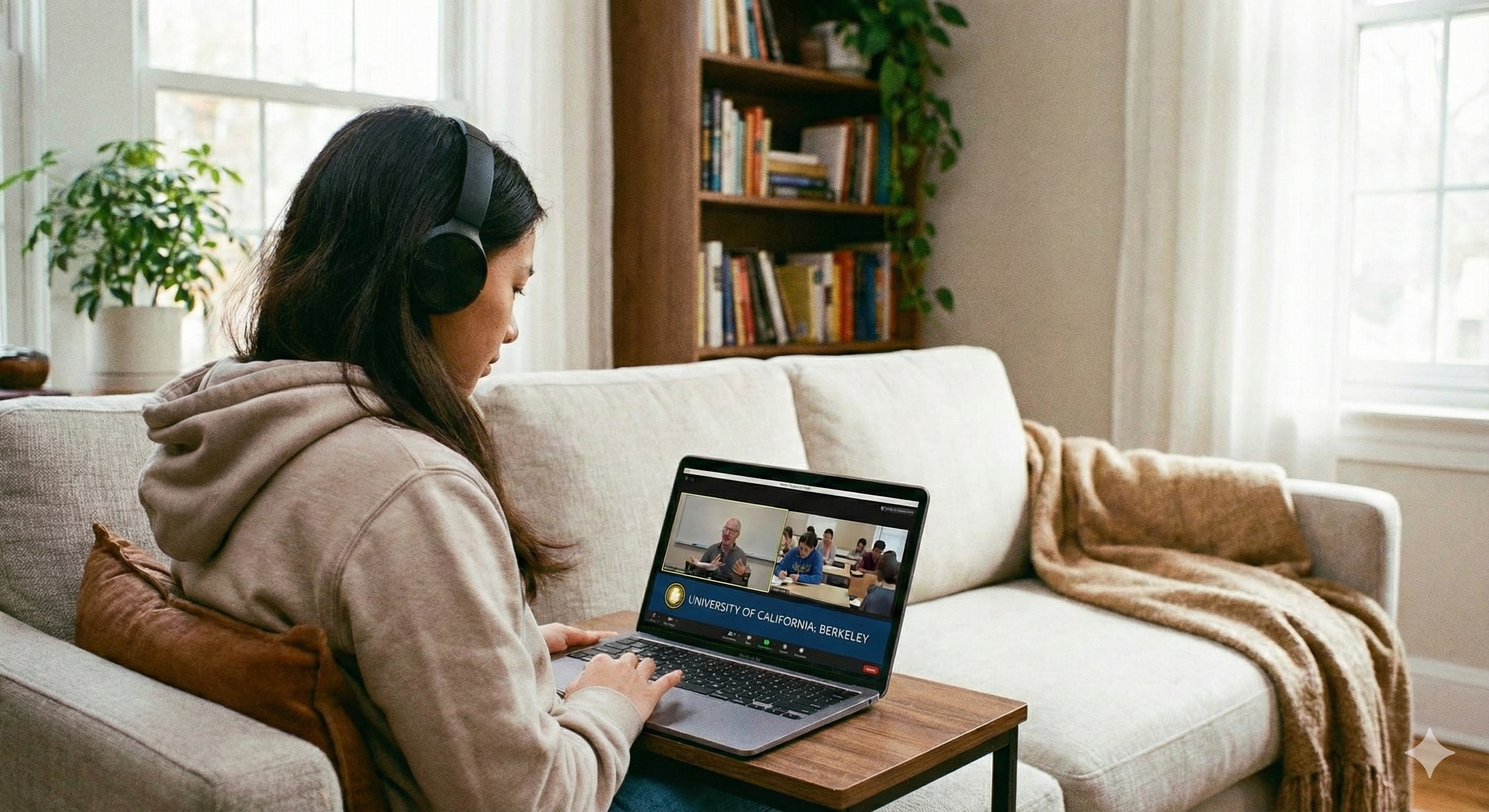
Online Colleges in Mississippi: Options and Considerations
Pursuing higher education through online colleges in Mississippi offers students flexible pathways to earn accredited degrees from local public universities, private institutions, and community colleges without relocating or pausing th...
Pursuing higher education through online colleges in Mississippi offers students flexible pathways to earn accredited degrees from local public universities, private institutions, and community colleges without relocating or pausing their careers.
Contents
Choosing the right virtual degree program requires evaluating institutional accreditation, tuition structures, residency requirements, and specific academic offerings across the state's higher education network. Mississippi hosts a variety of digital learning platforms operated by established state universities and community colleges, providing structural support for undergraduate, graduate, and certificate seekers balancing professional or personal obligations.
Understanding the Landscape of Online Education in Mississippi
The higher education infrastructure in Mississippi has evolved significantly, expanding beyond traditional brick-and-mortar campuses to accommodate remote learners. The state features major research institutions, comprehensive regional universities, and a robust community college system that deliver coursework entirely online or through hybrid formats.
For prospective students, understanding this landscape begins with recognizing how these institutions are organized. The Mississippi Institutions of Higher Learning (IHL) governs the state’s public universities, setting policy and maintaining academic standards across institutions like the University of Mississippi, Mississippi State University, and the University of Southern Mississippi. Simultaneously, the Mississippi Community College Board (MCCB) oversees the community and junior colleges that provide workforce training, vocational certificates, and associate degrees via distance education.
When evaluating online colleges in Mississippi, students must differentiate between fully asynchronous programs—where coursework can be completed on a flexible schedule—and synchronous programs that require scheduled virtual attendance. Navigating these formats ensures alignment with personal schedules, employment demands, and learning styles.
Public University Options for Remote Learners
Mississippi’s public universities offer numerous fully online undergraduate and graduate degrees. These programs maintain the same academic rigor and confer the same diplomas as their traditional on-campus counterparts.
University of Mississippi (Ole Miss Online)
The University of Mississippi provides various undergraduate and graduate degrees online. Ole Miss Online caters to degree-completion students and working professionals seeking credentials in fields such as integrated marketing communications, criminal justice, and general studies. Tuition structures for online courses often feature flat-rate pricing for remote learners, though fees may vary depending on residency status.
Mississippi State University (MSU Online)
Mississippi State University delivers accredited online bachelor's, master's, and doctoral programs. MSU Online emphasizes fields aligned with state and national workforce demands, including engineering technology, business administration, education, and forestry. Students benefit from dedicated virtual student services, online tutoring, and technical support teams tailored to distance learners.
University of Southern Mississippi (USM Online)
The University of Southern Mississippi offers robust remote learning options spanning nursing, library science, industrial management, and business. USM Online structures its terms to accommodate accelerated learning tracks, offering multiple start dates throughout the academic year to accelerate time-to-completion for motivated students.
Community College Networks and Associate Degree Pathways
For students seeking two-year degrees, vocational certificates, or cost-effective general education credits that transfer to four-year universities, Mississippi’s community colleges provide extensive online options.
Institutions such as Hinds Community College, Mississippi Gulf Coast Community College, and Northwest Mississippi Community College operate virtual campuses. These community colleges participate in statewide articulation agreements, ensuring that core academic credits earned online transfer seamlessly to public universities in Mississippi. This pathway significantly reduces the overall financial burden of obtaining a bachelor's degree.
| Institution Type | Primary Degree Levels | Main Advantages | Considerations |
|---|---|---|---|
| Public Universities | Bachelor’s, Master’s, Doctorates | High regional brand recognition, specialized research degrees | Higher tuition rates compared to community colleges |
| Community Colleges | Associate Degrees, Vocational Certificates, Core Transfers | Lower tuition costs, flexible scheduling, seamless credit transfer | Limited four-year degree availability |
| Private Institutions | Bachelor’s, Master’s | Smaller class sizes, often faith-based or specialized curricula | Variable tuition rates; fewer fully online options |
Accreditation and Quality Assurance
Verifying institutional and programmatic accreditation is a critical step when selecting an online college in Mississippi. Accreditation ensures that an institution meets established quality standards, qualifies for federal financial aid, and issues degrees recognized by employers and graduate schools.
Regional Accreditation
Public and private non-profit colleges in Mississippi must hold regional accreditation from the Southern Association of Colleges and Schools Commission on Colleges (SACSCOC). Regional accreditation represents the gold standard in the United States, assuring that credits transfer between institutions and that the education provided meets rigorous academic benchmarks.
Programmatic Accreditation
Beyond institutional accreditation, specific fields require programmatic endorsement. For example:
- Nursing: Programs should be accredited by the Commission on Collegiate Nursing Education (CCNE) or the Accreditation Commission for Education in Nursing (ACEN).
- Business: Look for accreditation from the Association to Advance Collegiate Schools of Business (AACSB) or the Accreditation Council for Business Schools and Programs (ACBSP).
- Education: Programs should align with standards set by the Council for the Accreditation of Educator Preparation (CAEP).
Tuition, Financial Aid, and Cost Considerations
Financing an online education requires a clear understanding of tuition rates, mandatory technology fees, and available financial assistance. While online programs eliminate commuting and housing costs, they often include specific digital resource fees.
In-State vs. Out-of-State Tuition
Many public online colleges in Mississippi offer reduced tuition rates for in-state residents. However, some institutions provide flat-rate e-tuition for all online learners regardless of residency, making them financially competitive for out-of-state students. Prospective learners must review the specific bursar policies of each institution.
Financial Aid Opportunities
Enrolled students are eligible for federal financial aid by completing the Free Application for Federal Student Aid (FAFSA). Mississippi residents may also qualify for state-funded financial aid programs administered by the Mississippi Office of Student Financial Aid, such as the Higher Education Assistance (HEA) grant or the Mississippi Resident Tuition Assistance (MTAG), though eligibility rules regarding online enrollment status vary by program.
Student Support Services and Technology Requirements
Succeeding in a virtual learning environment requires reliable technology and proactive engagement with digital support services. Online colleges in Mississippi provide remote access to academic advising, library resources, career counseling, and technical help desks.
Technical Prerequisites
Students must ensure their hardware and software meet the specifications mandated by the institution's learning management system (LMS)—such as Canvas or Blackboard. Minimum requirements typically include:
- A dependable broadband internet connection.
- A modern computer (PC or Mac) with a functioning webcam and microphone for proctored exams.
- Up-to-date web browsers and office productivity software suites.
Common Mistakes to Avoid When Choosing a Program
Navigating the array of online programs involves avoiding several frequent pitfalls:
- Failing to verify accreditation: Enrolling in unaccredited institutions can result in wasted tuition and unrecognisable credentials.
- Overlooking hidden fees: Failing to account for textbook costs, testing proctoring fees, and technology surcharges can disrupt financial planning.
- Underestimating time management: Online learning requires high self-discipline; treating virtual classes with the same structure as in-person courses prevents falling behind.
- Ignoring transfer credit policies: Students with prior college credits must verify how many hours an institution will accept toward their chosen degree plan.
Frequently Asked Questions
Are online degrees from Mississippi colleges respected by employers?
Yes, degrees earned online from accredited Mississippi public universities and community colleges carry the same weight as traditional on-campus degrees. Diplomas typically do not specify whether coursework was completed online or in person.
Do I have to live in Mississippi to attend its online colleges?
No. Many public and private institutions in Mississippi welcome out-of-state online students. However, prospective students should verify whether out-of-state tuition rates apply and whether the institution is authorized to operate in their home state through mechanisms like the State Authorization Reciprocity Agreement (SARA).
Can I transfer existing college credits to a Mississippi online program?
Most institutions accept transfer credits from regionally accredited colleges and universities. Students should request an official credit evaluation from the admissions office to determine how prior coursework applies to their specific degree audit.
How do online exams work for Mississippi virtual classes?
Online programs utilize secure remote proctoring software—such as Proctorio or Respondus LockDown Browser—which monitors student webcams and screen activity during examinations to maintain academic integrity.
What financial aid is available for online students in Mississippi?
Online students enrolled in eligible programs can access federal student loans, Pell Grants, and institutional scholarships. State-specific grants managed by the Mississippi Office of Student Financial Aid may also apply, subject to residency and enrollment criteria.
Next Actions and Recommendations
Begin your educational journey by identifying 3 to 4 accredited institutions in Mississippi that offer your specific major of interest. Request detailed program guides from admissions counselors, verify programmatic accreditation, and complete the FAFSA early to maximize your financial aid opportunities. Carefully map out your anticipated weekly time commitment to ensure the chosen program aligns with your professional and personal responsibilities.
Image Gallery