San Diego Harbor Ships Shape a Growing Maritime Hub
San Diego Harbor serves as a critical strategic, commercial, and environmental focal point on the West Coast of North America, where diverse vessel operations drive a thriving multi-billion-dollar maritime economy. From U.S. Navy surfa...
San Diego Harbor serves as a critical strategic, commercial, and environmental focal point on the West Coast of North America, where diverse vessel operations drive a thriving multi-billion-dollar maritime economy. From U.S. Navy surface combatants and commercial cargo carriers to cruise liners and commercial fishing fleets, the ships navigating San Diego Bay sustain regional employment, international trade, and technological innovation.
Contents
The Strategic Military Footprint and National Defense Operations
The identity of San Diego Harbor is inextricably linked to the United States Navy. As one of the primary homeports for the U.S. Pacific Fleet, the bay hosts a vast array of naval vessels, including nuclear-powered aircraft carriers, amphibious assault ships, guided-missile destroyers, and littoral combat ships.
Homeporting and Infrastructure Requirements
Accommodating modern nuclear carriers and deep-draft amphibious vessels requires extensive maritime infrastructure. The Navy, in coordination with the Port of San Diego and local contractors, continuously maintains dredged channels and specialized pier facilities equipped with shore-power capabilities. This cold-ironing technology allows docked warships to plug into the local electrical grid rather than running auxiliary diesel engines, significantly reducing emissions while ships are in port.
Economic and Logistical Integration
The presence of naval surface forces generates profound economic ripples across San Diego County. Billions of dollars in defense contracts flow annually to local ship repair yards, engineering firms, and supply chain vendors. Naval operations also require sophisticated logistics coordination, ensuring that fuel, ordnance, and provisions are seamlessly transferred to ships preparing for deployment across the Indo-Pacific and global operational areas.
Commercial Cargo, Shipbuilding, and Maritime Trade
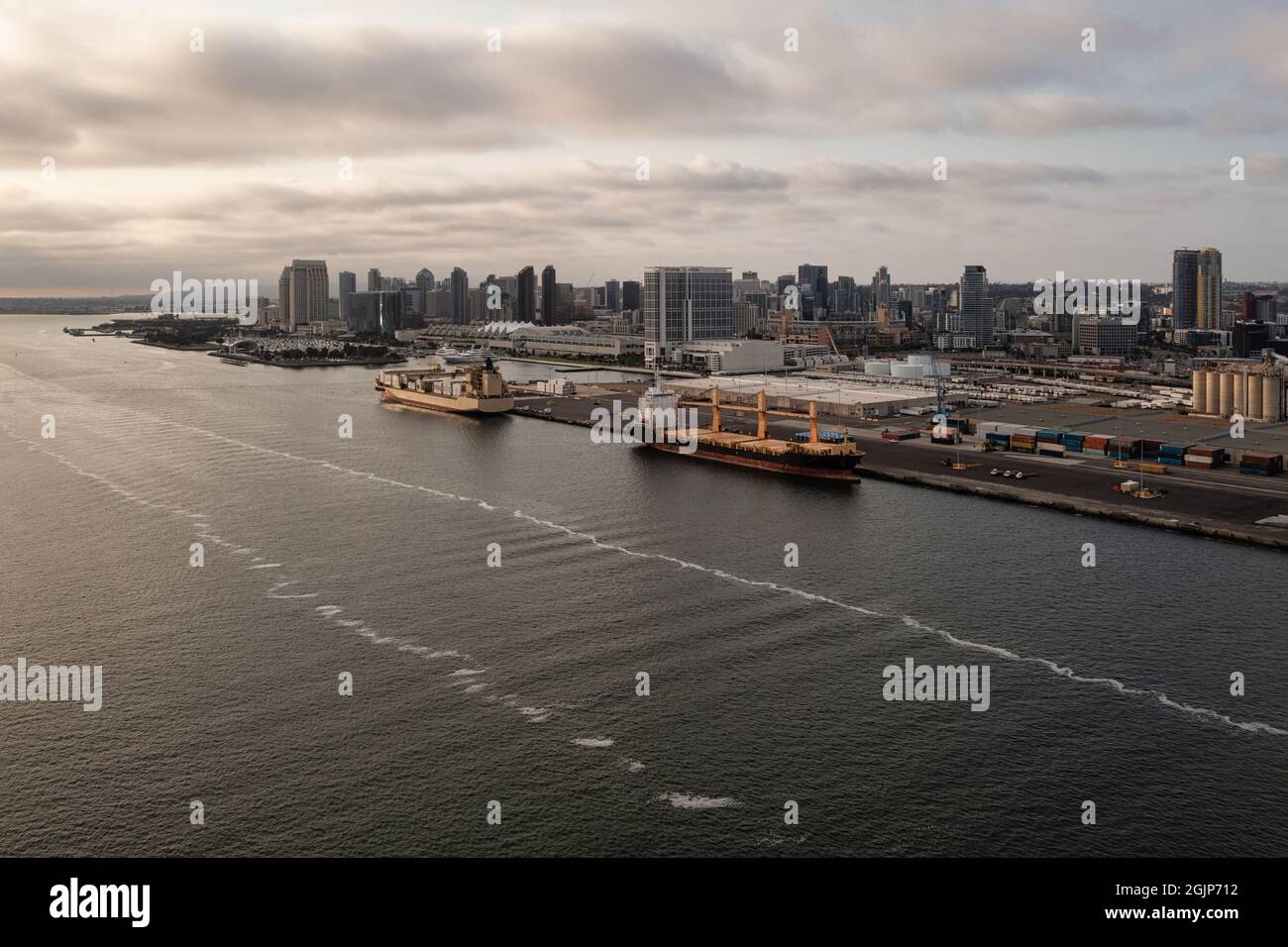
Beyond defense, San Diego Harbor functions as a dynamic commercial gateway. Managed by the Port of San Diego under the Port Act enacted by the California State Legislature, the harbor balances public access, environmental stewardship, and commercial vitality across its Tenth Avenue Marine Terminal and National City Marine Terminal.
Specialized Cargo Handling
Unlike high-volume container ports that handle standard intermodal boxes, San Diego specializes in niche and break-bulk cargoes. The harbor is a primary West Coast entry point for imported foreign automobiles, project cargo, wind turbine components, and heavy machinery.
- Tenth Avenue Marine Terminal: Focuses on break-bulk cargo, refrigerated goods, and bulk commodities like cement and soda ash.
- National City Marine Terminal: Serves as a premier hub for vehicle imports and exports, processing hundreds of thousands of automobiles annually from Asian and European manufacturers.
Shipbuilding and Marine Repair
San Diego maintains a proud heritage of maritime construction and heavy repair. Commercial shipyards along the bay provide complex overhaul, structural modification, and maintenance services for both commercial fleets and military auxiliary vessels. These facilities utilize floating dry docks and heavy-lift cranes, sustaining high-wage skilled trades such as marine carpentry, welding, electrical engineering, and naval architecture.
Cruise Tourism and Passenger Vessel Operations
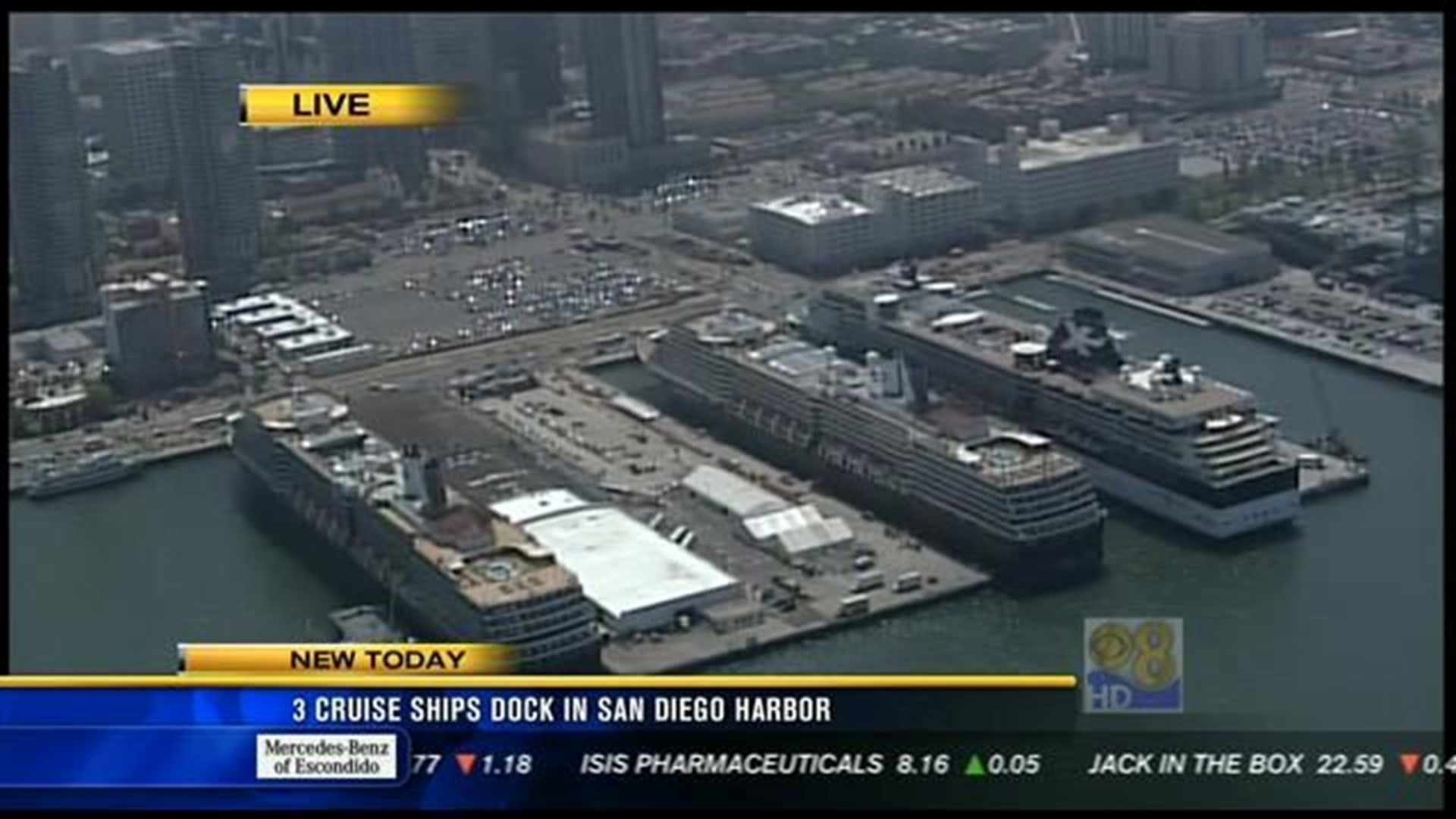
Passenger vessels represent a highly visible and economically lucrative sector of the San Diego maritime hub. The Port of San Diego operates modern cruise ship facilities capable of accommodating major international lines.
| Vessel Category | Primary Terminal Location | Economic & Operational Impact |
|---|---|---|
| U.S. Navy Surface Fleet | Naval Base San Diego / Coronado (North Island) | National defense, billions in local defense contracts, ship repair jobs |
| Commercial Cargo Ships | Tenth Avenue Marine Terminal / National City Marine Terminal | Niche break-bulk, automobile imports, and project cargo logistics |
| Cruise Liners | B Street Pier / Cruise Ship Terminal | Regional tourism, seasonal homeport operations, passenger spending |
| Commercial Fishing & Recreational Craft | G Street Peninsula / Spanish Landing Marinas | Local seafood supply chain, marine tourism, and harbor charter services |
Tourism and Regional Economic Benefits
The B Street Pier and Cruise Ship Terminal welcome hundreds of thousands of visitors each year. Many vessels utilize San Diego as a seasonal homeport for itineraries heading down the Mexican Riviera, up the Pacific Coast to Alaska, or across the Pacific. Passenger spending on local hotels, restaurants, and retail establishments injects millions of dollars annually into the regional economy.
Environmental Sustainability and Maritime Innovation
As maritime traffic intensifies, the Port of San Diego and terminal operators face the dual challenge of expanding trade while aggressively reducing environmental impacts. San Diego Bay has become a national model for green port initiatives and sustainable maritime practices.
Electrification and Alternative Energy
To comply with stringent California Air Resources Board (CARB) regulations, terminal operators have invested heavily in shore power infrastructure for container, cruise, and refrigerated vessels. Additionally, tugboat operators in the harbor are transitioning to hybrid-electric and alternative-fuel harbor craft to minimize greenhouse gas emissions and particulate matter.
Habitat Restoration and Bay Health
Balancing industrial shipping lanes with delicate marine ecosystems requires rigorous management. The port actively implements environmental mitigation projects, including artificial reef installations, eelgrass bed restoration, and native oyster cultivation, ensuring that industrial maritime growth coexists with protected coastal wildlife.
Frequently Asked Questions
What types of ships are most commonly seen in San Diego Harbor?
San Diego Harbor hosts a highly diverse mix of vessels, most notably U.S. Navy aircraft carriers, destroyers, and amphibious ships. Commercial cargo carriers handling automobiles and break-bulk goods, cruise liners, commercial fishing boats, and recreational vessels are also common sights across the bay.
How does the Port of San Diego manage commercial cargo?
The port manages commercial cargo through two dedicated maritime facilities: the Tenth Avenue Marine Terminal, which handles break-bulk and bulk commodities, and the National City Marine Terminal, which specializes in imported and exported automobiles.
What is cold-ironing and why is it used in San Diego?
Cold-ironing refers to the practice of shutting down a ship's auxiliary diesel engines while docked and plugging into shore-based electrical power. This technology drastically reduces air pollution and carbon emissions within the harbor.
Can commercial cargo ships and Navy vessels navigate the same shipping channels safely?
Yes. Maritime traffic in San Diego Bay is tightly regulated by the United States Coast Guard Sector San Diego, in coordination with local harbor pilots and marine exchange authorities, ensuring safe transit for both commercial and military vessels.
What role do shipyards play in San Diego's economy?
Shipyards in San Diego provide essential maintenance, dry-docking, and overhaul services for both military and commercial fleets. They support thousands of high-paying jobs in advanced engineering, welding, and marine logistics.
Next Actions for Maritime Engagement
For businesses, logistics providers, and researchers looking to engage with the San Diego maritime hub, reviewing the official operational tariffs, environmental guidelines, and terminal schedules provided by the Port of San Diego offers a clear entry point. Stakeholders should consult specific terminal operators for cargo handling specifications, while defense contractors must align with Department of Defense acquisition and facility security protocols.
Image Gallery