Demystifying the Net Amount at Risk for a Term Life Insurance Policy
The net amount at risk in a term life insurance policy is the actual financial exposure an insurance company faces at any given time, calculated as the policy’s total death benefit minus its current cash value or legal reserve. Because...
The net amount at risk in a term life insurance policy is the actual financial exposure an insurance company faces at any given time, calculated as the policy’s total death benefit minus its current cash value or legal reserve. Because pure term life insurance generally does not build significant cash value, its net amount at risk typically equals the full face value of the policy throughout most of its active duration.
Contents
Understanding the mechanics of life insurance underwriting, reserves, and actuarial science requires looking beyond the basic monthly premium. While policyholders focus on face amounts and premium rates, insurance companies must manage complex financial metrics behind the scenes to maintain solvency. Among these metrics, the net amount at risk (often abbreviated as NAR) stands out as a fundamental concept that dictates how much capital an insurer must hold in reserve, how policies are priced, and how reinsurance treaties are structured.
For actuaries, underwriters, and financial professionals, tracking the net amount at risk ensures that the insurance provider can honor future claims without jeopardizing its financial stability. For consumers, grasping this concept provides a clearer picture of how insurance companies evaluate risk, calculate insurance costs, and maintain regulatory compliance.
Defining the Net Amount at Risk in Life Insurance
At its core, the net amount at risk represents the pure insurance protection portion of a policy. To understand this concept, it helps to break down the two primary financial components of any life insurance contract: the face amount (the total death benefit promised to beneficiaries) and the policy's internal reserve or cash value.
The standard actuarial formula for calculating the net amount at risk is straightforward:
$$\text{Net Amount at Risk} = \text{Face Amount} - \text{Reserve}$$
In permanent life insurance policies, such as whole life or universal life, the cash value grows over time as a portion of the premium is invested by the insurer. As this cash value increases, the insurer's actual financial exposure decreases. If a policyholder passes away, the insurer uses the accumulated cash value to help pay a portion of the total death benefit, meaning the company only needs to supply the remaining balance out of its general risk pool.
However, term life insurance operates under a fundamentally different financial model.
How Term Life Insurance Differs from Permanent Coverage
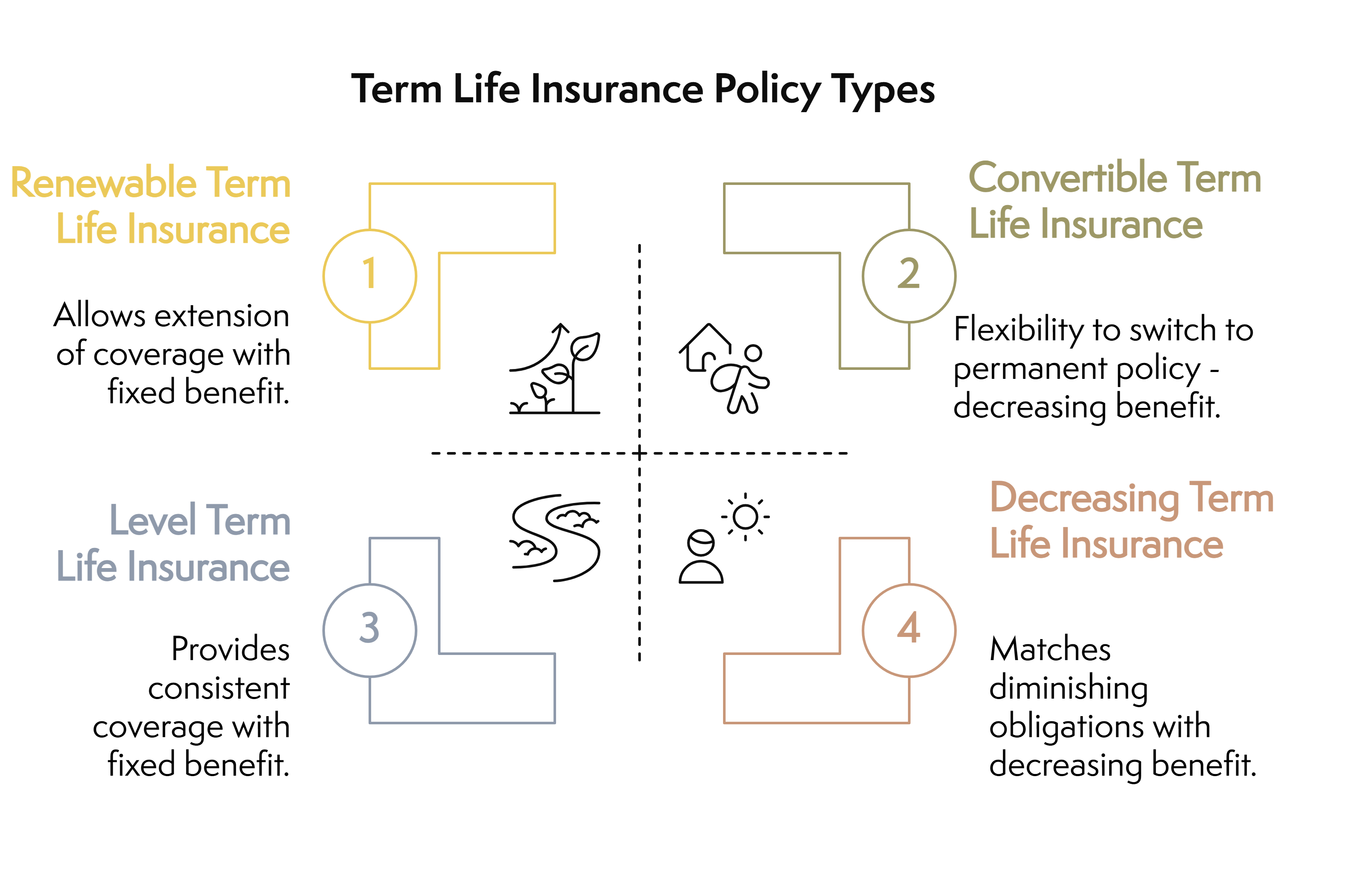
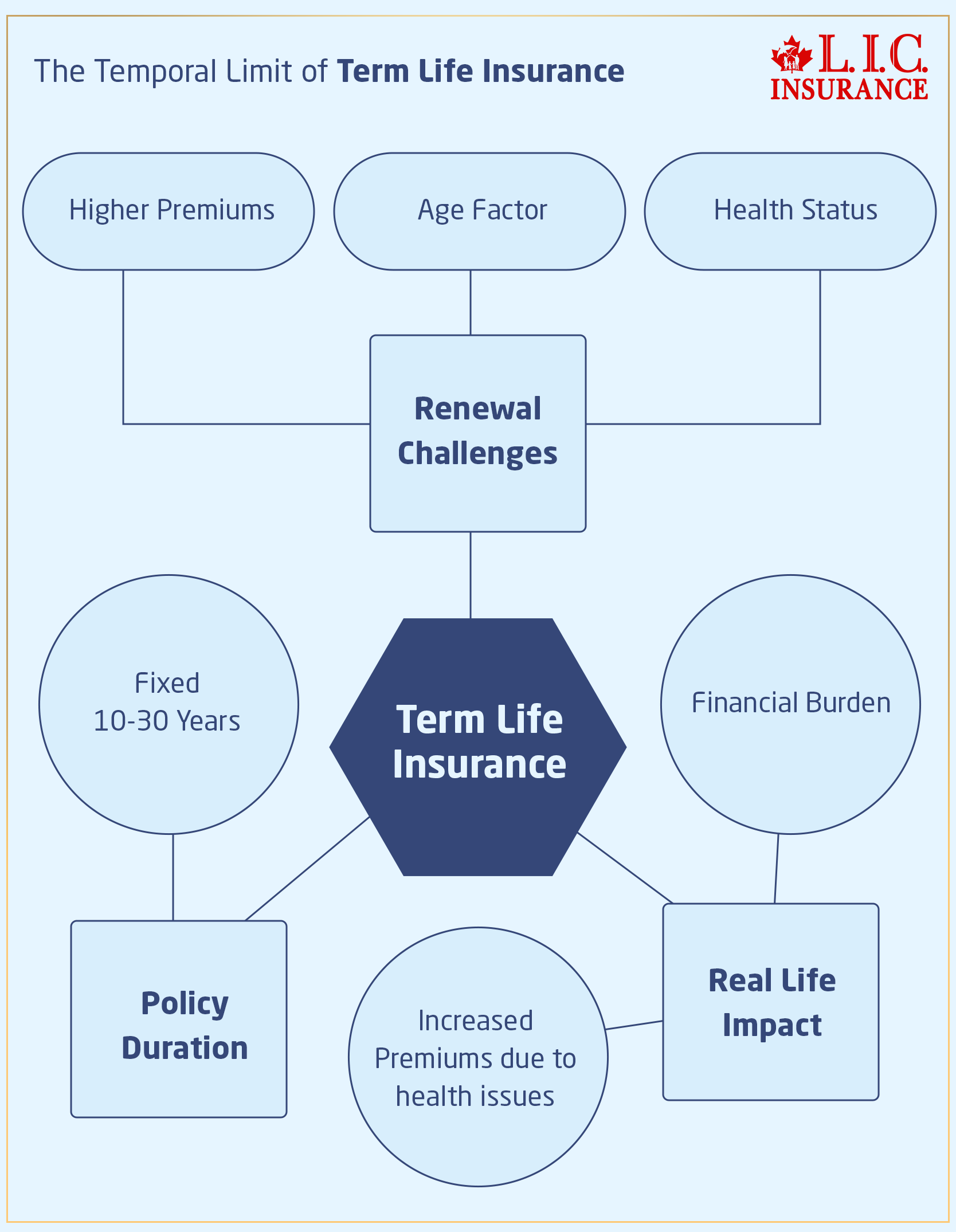
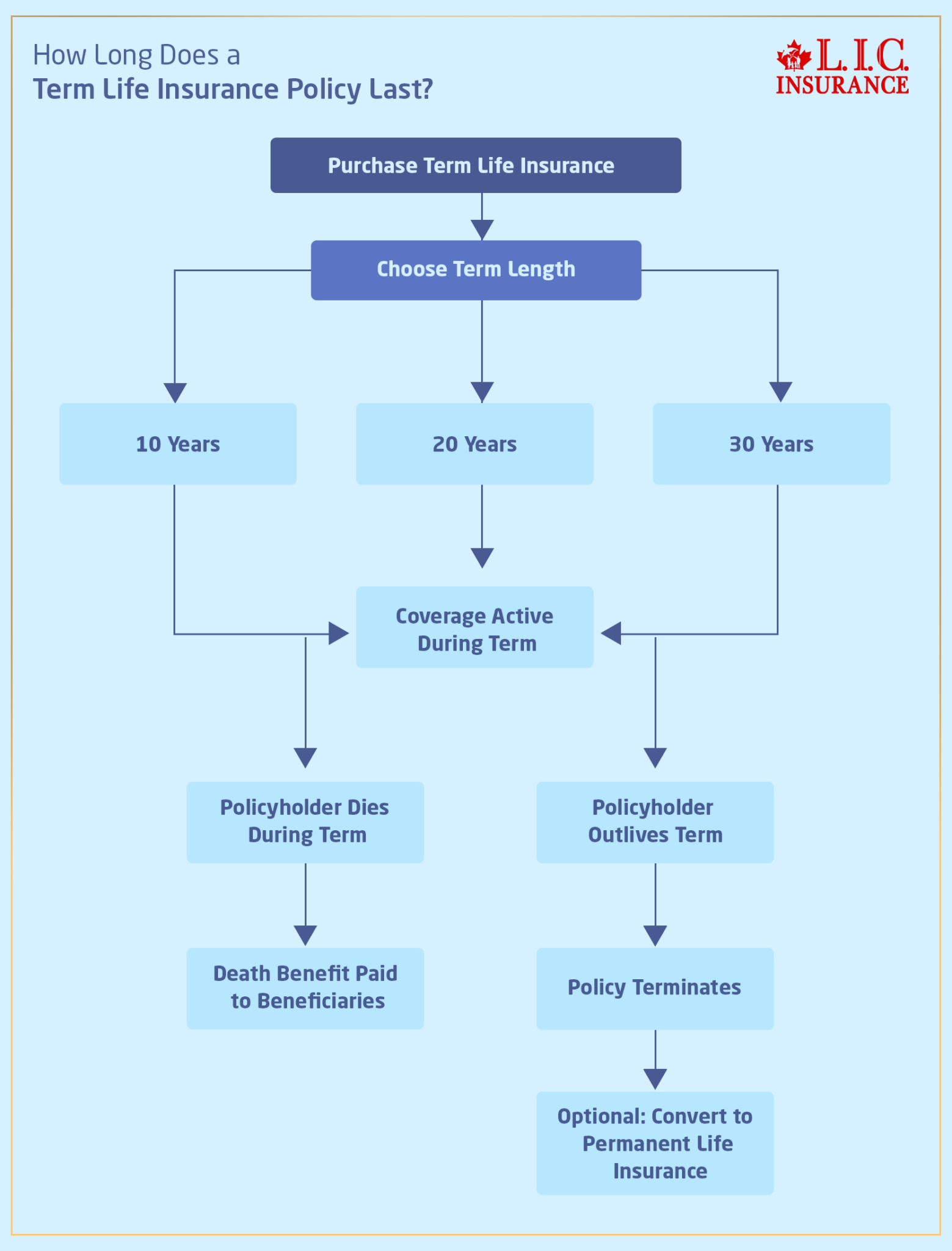
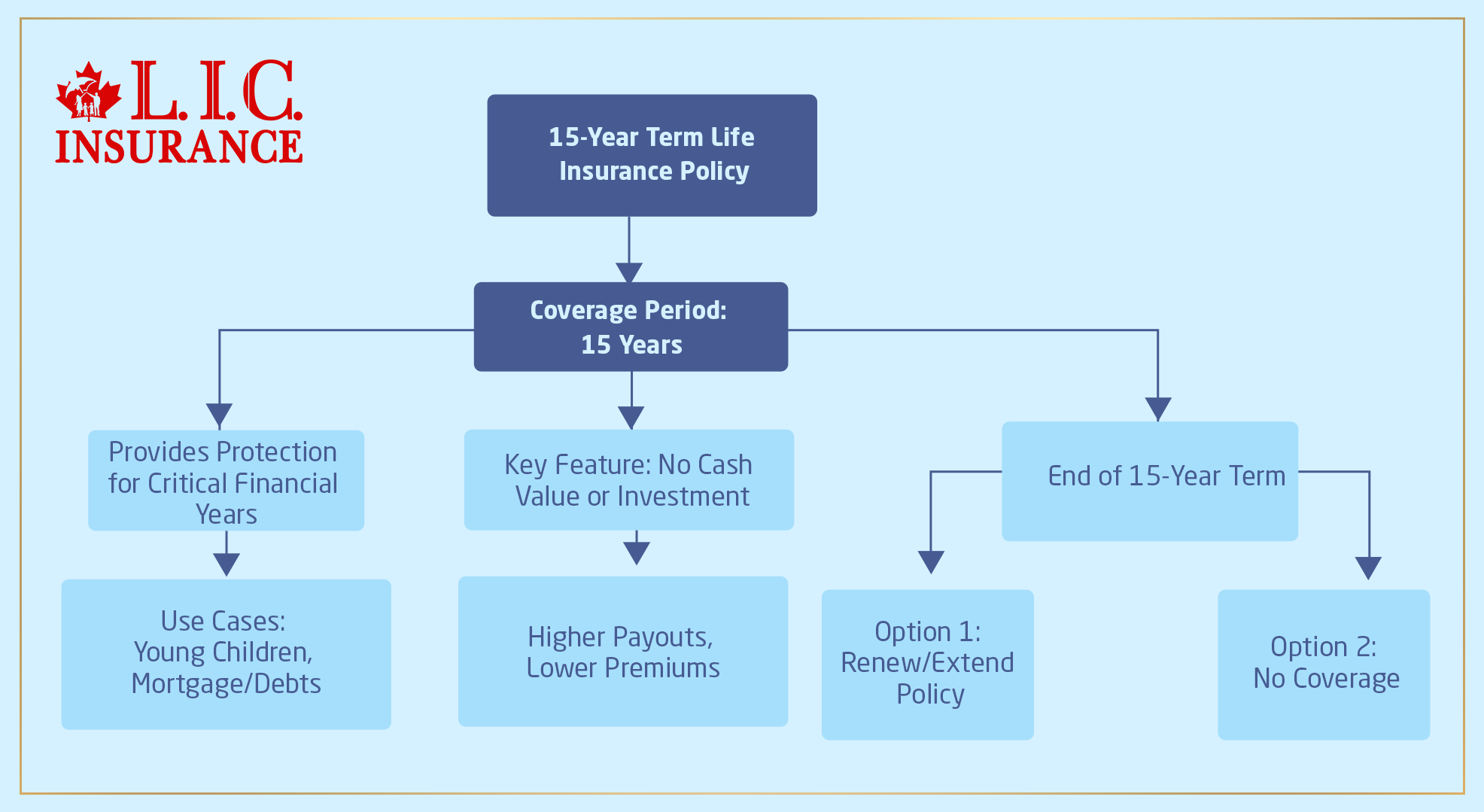
Term life insurance provides pure, temporary coverage for a specified period—such as 10, 20, or 30 years. Because it is designed solely to provide a death benefit without a permanent savings or investment component, its structural mechanics diverge significantly from permanent policies.
Absence of Cash Value
Unlike whole life or universal life insurance, level-term or decreasing-term policies typically do not accumulate cash value that is accessible to the policyholder as a loan or surrender value. While some specialized return-of-premium term riders exist, the base contract remains a pure indemnity product. Because there is no internal cash value accumulation to offset the insurer's liability, the legal reserve held by the insurance company functions differently.
The Role of Statutory Reserves
Even though term policies lack cash value, insurance companies are legally required by state regulatory bodies, such as the National Association of Insurance Commissioners (NAIC) in the United States, to maintain statutory reserves. These reserves are funds set aside today to ensure the insurer can pay future claims.
In the early years of a level-term policy, premiums collected are often higher than the actual statistical probability of death for that age group. This creates a temporary surplus, forming a policy reserve. As the insured person ages, the probability of death increases, and the cost of insurance eventually surpasses the level premium being paid. During these later years, the reserve is drawn down to subsidize the rising cost of mortality.
Constant Versus Decreasing Exposure
In a standard level term life insurance policy, the face amount remains constant throughout the term. Consequently, for the vast majority of a term policy's lifecycle, the net amount at risk is equal to the full face amount of the policy.
The primary exception occurs in decreasing term life insurance—a product often used to cover an amortizing debt, such as a mortgage. In a decreasing term policy, the death benefit reduces periodically according to a predetermined schedule. As the benefit decreases, the net amount at risk decreases proportionally alongside it.
Actuarial Significance and Financial Impact
The net amount at risk is not merely an accounting figure; it directly influences the operational solvency, pricing strategies, and reinsurance mechanisms of insurance carriers.
Pricing and the Cost of Insurance
Insurance companies calculate the cost of insurance (COI) based on mortality tables that estimate the likelihood of death for a given age, gender, and health classification. The actual cost charged to cover the risk is applied directly to the net amount at risk, not the total face amount.
As an insured ages, the probability of death increases sharply. Even if the net amount at risk remains flat in a level-term policy, the rising mortality rate causes the internal cost of insurance to escalate rapidly, which is why term insurance premiums increase significantly if renewed after the initial level period expires.
Reinsurance and Risk Mitigation
Insurance companies frequently transfer a portion of their portfolio risk to other institutions, known as reinsurers, to protect themselves against catastrophic losses or high aggregate claim volumes. Reinsurance treaties are almost universally structured around the net amount at risk.
If an insurance company issues a multi-million-dollar term policy, it may retain only a specific retention limit of the net amount at risk on its own books and cede the excess risk to a reinsurer. This ensures that a single large claim does not threaten the capital reserves of the primary insurer.
Comparison of Net Amount at Risk Across Policy Types
To fully grasp how the net amount at risk functions, it is helpful to contrast term insurance mechanics with other common life insurance structures.
| Policy Type | Face Amount Behavior | Cash Value / Reserve Growth | Net Amount at Risk Trajectory |
|---|---|---|---|
| Level Term Life | Constant throughout the term | Minimal temporary statutory reserves | Remains equal to or very close to the face amount for the duration of the term |
| Decreasing Term Life | Declines over time (e.g., matching a mortgage) | Negligible | Decreases proportionally alongside the scheduled reduction in the death benefit |
| Whole Life Insurance | Level for life | Substantial, grows steadily over time | Decreases steadily as cash value accumulates, offsetting the insurer's exposure |
| Universal Life Insurance | Can be level (Option A) or increasing (Option B) | Fluctuates based on interest crediting and premium payments | Varies inversely with cash value growth; can shift dynamically based on policy choices |
Regulatory and Solvency Considerations
Insurance regulation relies heavily on accurate reserve calculations to protect consumers. Regulators enforce strict valuation standards to ensure that life insurance companies maintain adequate assets to back their net amount at risk.
Historically, regulatory frameworks like Regulation XXX and Guideline AXXX in the United States were established to govern the reserve requirements for term life insurance policies with long-term premium guarantees. These regulations were designed to prevent insurers from under-reserving for term policies that featured extended level-premium periods, ensuring that the net amount at risk was fully backed by qualified assets. Over time, modern frameworks such as Principle-Based Reserving (PBR) have allowed actuaries to calculate reserves based on a broader range of future economic scenarios, aligning required reserves more closely with the actual economic net amount at risk.
Frequently Asked Questions
Does the net amount at risk affect my term life insurance premiums?
Yes, indirectly. The net amount at risk forms the base upon which the insurer calculates the cost of mortality. While your premium is fixed during the level term period (e.g., 20 years), actuaries factor in the projected net amount at risk and the changing probability of death over that period when initially pricing the policy.
Why is the net amount at risk equal to the face value in most term policies?
Because standard term life insurance policies do not accumulate a permanent cash value or investment account, the insurance company holds little to no internal cash value to offset the payout. If the insured passes away, the insurer must pay the entire face amount out of its reserve pool, making the net amount at risk equal to the face amount.
How does decreasing term insurance change the net amount at risk?
In a decreasing term policy, the death benefit drops periodically to match a declining financial obligation, such as a mortgage balance. Because the face amount reduces over time, the net amount at risk similarly decreases each year, reflecting the lower financial exposure for the insurer.
Do term life insurance policyholders need to calculate their net amount at risk?
No. The net amount at risk is an internal actuarial, underwriting, and regulatory metric used by insurance companies and financial analysts. Policyholders only need to focus on the face amount (death benefit) and the premium schedule to ensure their coverage meets their financial protection needs.
What happens to the net amount at risk if I outlive my term policy?
If you outlive your term policy, the contract expires, and the coverage ceases entirely (unless you convert it to a permanent policy or renew it on a yearly renewable term basis). At expiration, the net amount at risk drops to zero because the insurer's potential liability is extinguished.
Next Actions and Practical Guidance
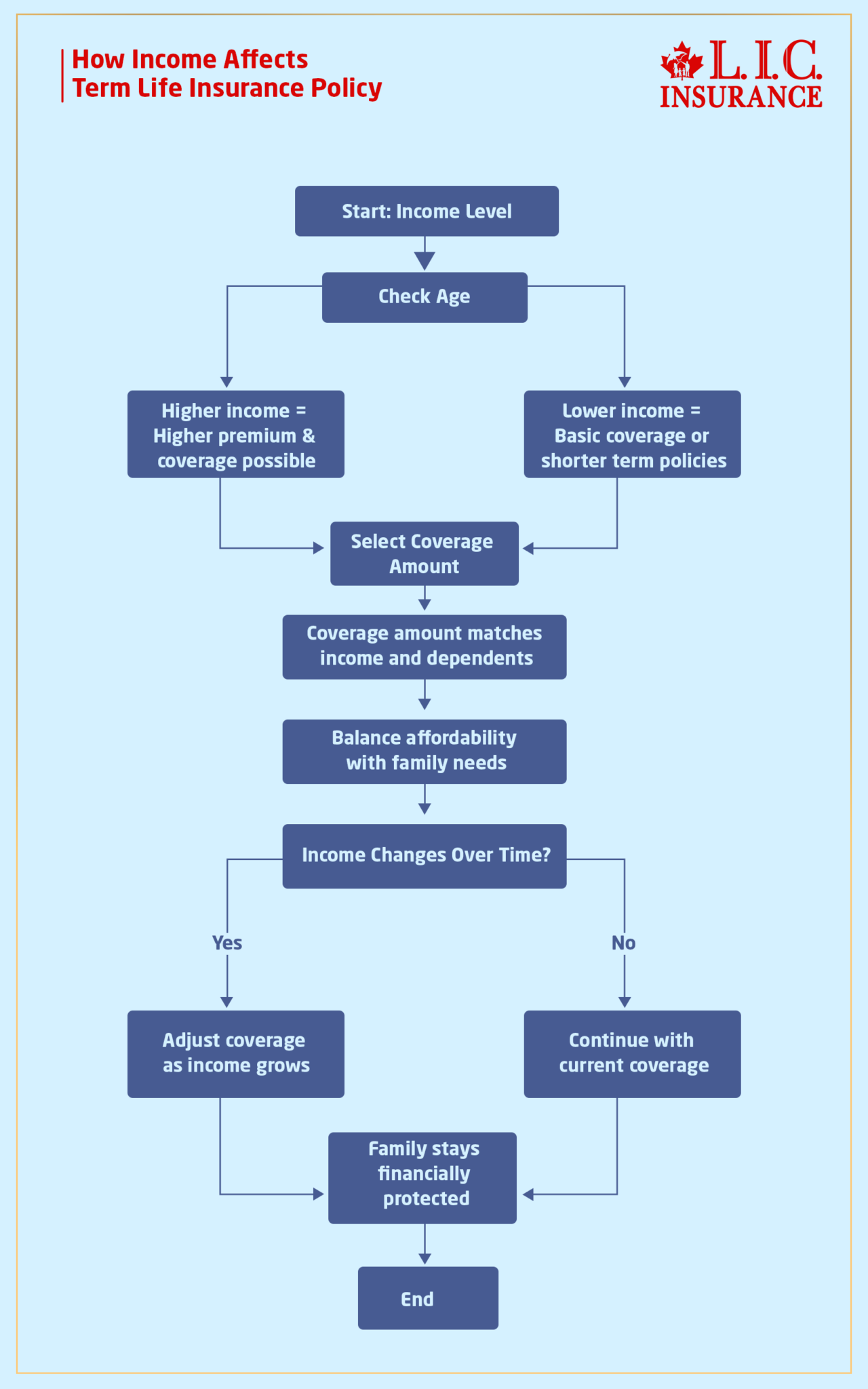
For consumers shopping for coverage, understanding backend actuarial concepts like the net amount at risk reinforces the importance of selecting the correct policy structure. When evaluating term life insurance options, focus on aligning your coverage period and face amount with your specific financial liabilities, such as income replacement needs, dependent education costs, or outstanding debts. Consulting an independent insurance broker or financial advisor can help ensure you select a policy with an appropriate face amount and conversion privileges to safeguard your family's financial future effectively.
Image Gallery