Understanding the Cost of the First American Passport: History, Fees, and Evolution
The cost of the first American passport was established at one dollar when the United States federal government first centralized passport issuance under the Department of State in 1789. Over the centuries, this nominal fee transformed...
The cost of the first American passport was established at one dollar when the United States federal government first centralized passport issuance under the Department of State in 1789. Over the centuries, this nominal fee transformed into a structured, multi-layered pricing system driven by rising administrative expenses, security enhancements, and technological integrations.
Contents
Examining the historical evolution of passport fees reveals much about the changing nature of international travel, federal bureaucracy, and economic inflation. From humble beginnings as simple handwritten certificates of citizenship issued during the early republic to modern biometric booklets backed by international standards, the passport has journeyed from an elite convenience to an essential global identity document. Understanding how these costs developed offers valuable context for modern travelers navigating contemporary fee schedules.
The Origins of American Travel Documentation (1789–1862)
Before the late 18th century, travel documentation in the American colonies and early states was decentralized. Travelers relied on letters of introduction, state-issued certificates, or local magistrate notes. Following the adoption of the United States Constitution, the federal government sought to regulate foreign relations and secure citizen mobility abroad.
The Congressional Act of 1789 and the One-Dollar Fee
On July 27, 1789, Congress established the Department of Foreign Affairs (later renamed the Department of State). Shortly thereafter, the executive branch assumed responsibility for issuing official documents confirming the citizenship of Americans traveling overseas.
To offset administrative expenses, the federal government instituted a fee of one dollar for each passport issued. In the late 18th century, one dollar represented a modest yet significant sum—roughly equivalent to a day's wage for a skilled artisan. This fee remained remarkably stable for decades, reflecting a minimalist federal apparatus where travel documents were scarce and requested primarily by wealthy merchants, diplomats, and elite travelers.
Administrative Realities of the Early Republic
During this era, passports were not mandatory for leaving or entering the United States. Instead, they served as protective letters addressed to foreign sovereigns and maritime authorities, requesting safe passage for the bearer.
Because international travel was arduous, expensive, and time-consuming, the volume of passports issued annually was minuscule compared to modern figures. The Secretary of State personally signed many early passports, and the documentation itself was often handwritten on parchment or heavy paper, sometimes accompanied by a physical description of the bearer rather than a photograph, which had not yet been invented.
The Civil War Era and Post-War Fluctuations (1861–1920s)
The American Civil War marked a profound turning point in federal administration, surveillance, and documentation. Security concerns and the need to finance the war effort led to the temporary reintroduction of mandatory passports and significant regulatory shifts.
Wartime Necessity and Fee Increases
In 1861, Secretary of State William H. Seward instituted stringent passport controls to prevent Confederate agents, spies, and draft dodgers from crossing international borders. For the first time, possession of a valid federal passport became a practical necessity for transatlantic voyages.
To cover the administrative burden and generate wartime revenue, the cost of a passport was raised. By an act of Congress, the fee climbed to five dollars by the mid-19th century. This price point remained in place for several decades, weathering the post-reconstruction era as international trade and steamship travel expanded the middle-class market for overseas journeys.
World War I and the Birth of Modern Standardization
The outbreak of World War I in 1914 permanently altered international borders and travel protocols. European nations rapidly introduced strict passport and visa requirements to monitor foreign nationals. In 1918, the United States passed the Passport Control Act, making passports legally mandatory for citizens departing and entering the country during wartime—a requirement that was made permanent in peacetime during the interwar period.
During this period, the Department of State standardized the physical layout of the passport, transitioning from loose sheets to multi-page booklets that included photographs and standardized physical descriptions. Concurrently, fees were adjusted to reflect the cost of processing millions of applicants rather than a few thousand elite voyagers.
| Historical Era | Issuing Authority | Standard Fee | Document Type | Mandatory Status |
|---|---|---|---|---|
| Late 18th Century (1789) | Department of State | $1.00 | Handwritten parchment / paper certificate | Optional (Protective letter) |
| Mid-19th Century (Civil War) | Department of State | $5.00 | Paper document with physical description | Strictly enforced for security |
| Early 20th Century (WWI Era) | Department of State | $10.00 + fees | Early multi-page booklet with photograph | Mandatory for international travel |
| Late 20th Century (1990s) | Department of State | $55.00–$65.00 | Machine-readable blue booklet | Mandatory |
Modern Pricing Structures and Cost Components (1950s–Present)
In the latter half of the 20th century, commercial aviation democratized international travel. As millions of Americans began traveling abroad annually, the Department of State modernized its processing infrastructure, introducing regional passport agencies and partnering with local post offices and clerks of court.
Breakdown of Contemporary Fees
Today, the cost of an American passport is no longer a single flat rate, but a combined total of an application fee and an execution (acceptance) fee.
- Application Fee: Paid directly to the U.S. Department of State, this fee funds the manufacturing, printing, and secure shipping of the passport book or card, as well as the diplomatic infrastructure required to assist citizens abroad.
- Execution Fee: Paid to the acceptance facility (such as a post office, public library, or municipal clerk), this fee covers the cost of identity verification, oath administration, and application intake.
For first-time adult applicants, the combined cost reflects both the passport book itself and the required processing steps.
Security Upgrades and Technological Costs
The dramatic price increases observed from the late 20th century to the present day are largely tied to technological and security enhancements mandated by international aviation and security bodies, such as the International Civil Aviation Organization (ICAO).
- Machine-Readable Passports (1980s–1990s): The inclusion of optical character recognition lines required new printing technologies and data verification protocols.
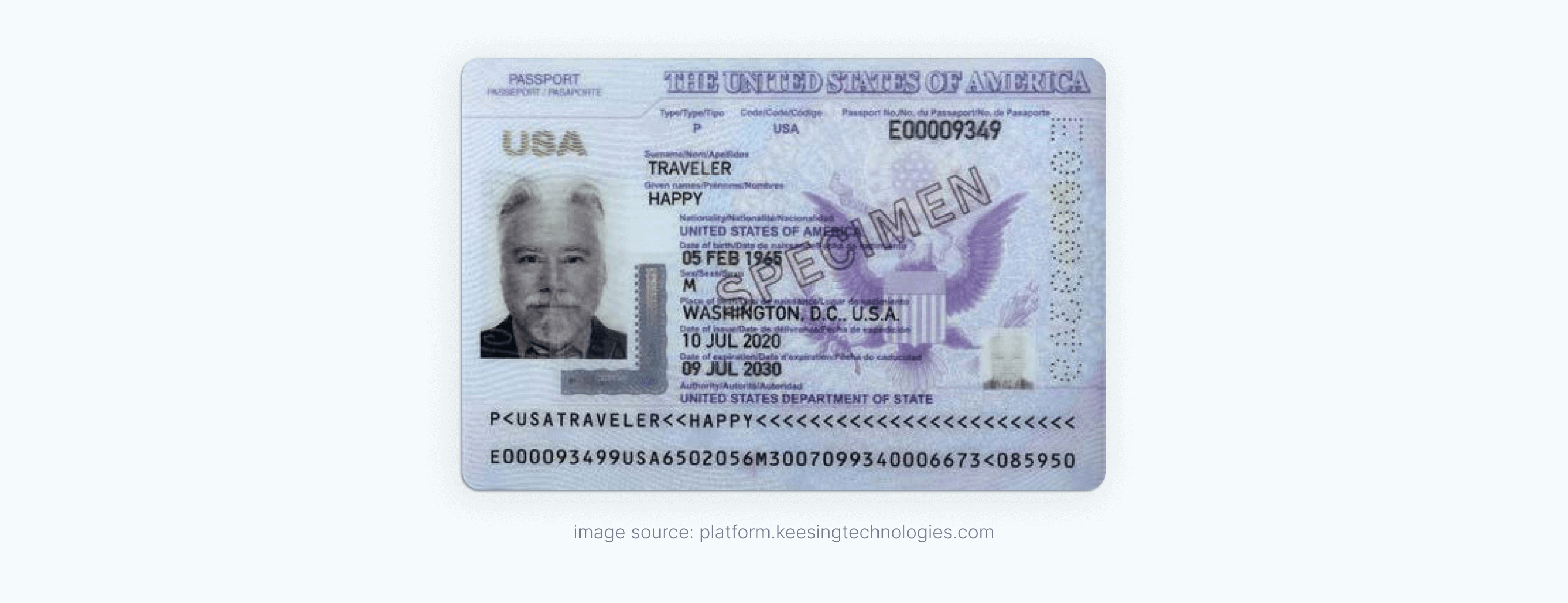
- Biometric Passports (2007): The integration of contactless radio frequency identification (RFID) chips embedded in the back cover significantly increased the material cost of production. These chips store the bearer's digital photograph and biographical data, requiring high-security manufacturing facilities.
- Enhanced Fraud Prevention: Modern passports incorporate intricate holograms, watermarks, specialized inks, and complex stitching patterns to prevent counterfeiting and identity theft.
Cost Comparison: Adult vs. Minor Passports and Service Types
When evaluating passport costs, applicants must distinguish between first-time applicants, renewals, adult books, minor books, and optional expedited services.
Adult passport books (valid for 10 years) carry a higher base fee than minor passport books (valid for 5 years), reflecting the longer validity period and more stringent identity verification requirements for first-time adult applicants, who must apply in person using Form DS-11.
| Service Type / Applicant Age | Application Fee (State Dept.) | Execution Fee (Facility) | Total First-Time Cost | Validity Period |
|---|---|---|---|---|
| Adult First-Time Book (Age 16+) | $130.00 | $35.00 | $165.00 | 10 Years |
| Minor First-Time Book (Under Age 16) | $100.00 | $35.00 | $135.00 | 5 Years |
| Adult Passport Card (Land/Sea travel only) | $30.00 | $35.00 | $65.00 | 10 Years |
| Minor Passport Card (Land/Sea travel only) | $15.00 | $35.00 | $50.00 | 5 Years |
| Optional Expedited Service | +$60.00 | N/A | +$60.00 (on base) | Varies |
Note: Fees are subject to periodic adjustment by the U.S. Department of State to reflect operational expenses and inflation.
Frequently Asked Questions About American Passports
Why did the first American passport cost one dollar?
Established by Congress in 1789, the one-dollar fee was designed to cover the modest clerical costs of drafting and recording official government letters of citizenship during the early republic, when international travel was limited to an elite few.
Can I renew an old historical American passport instead of paying first-time fees?
No. Passports issued decades or centuries ago are historical artifacts and cannot be renewed. Anyone applying for a modern travel document without a qualifying, undamaged 10-year adult passport issued within the past 15 years must apply as a first-time applicant using Form DS-11 and pay the full execution fee.
What is the difference between a passport book and a passport card?
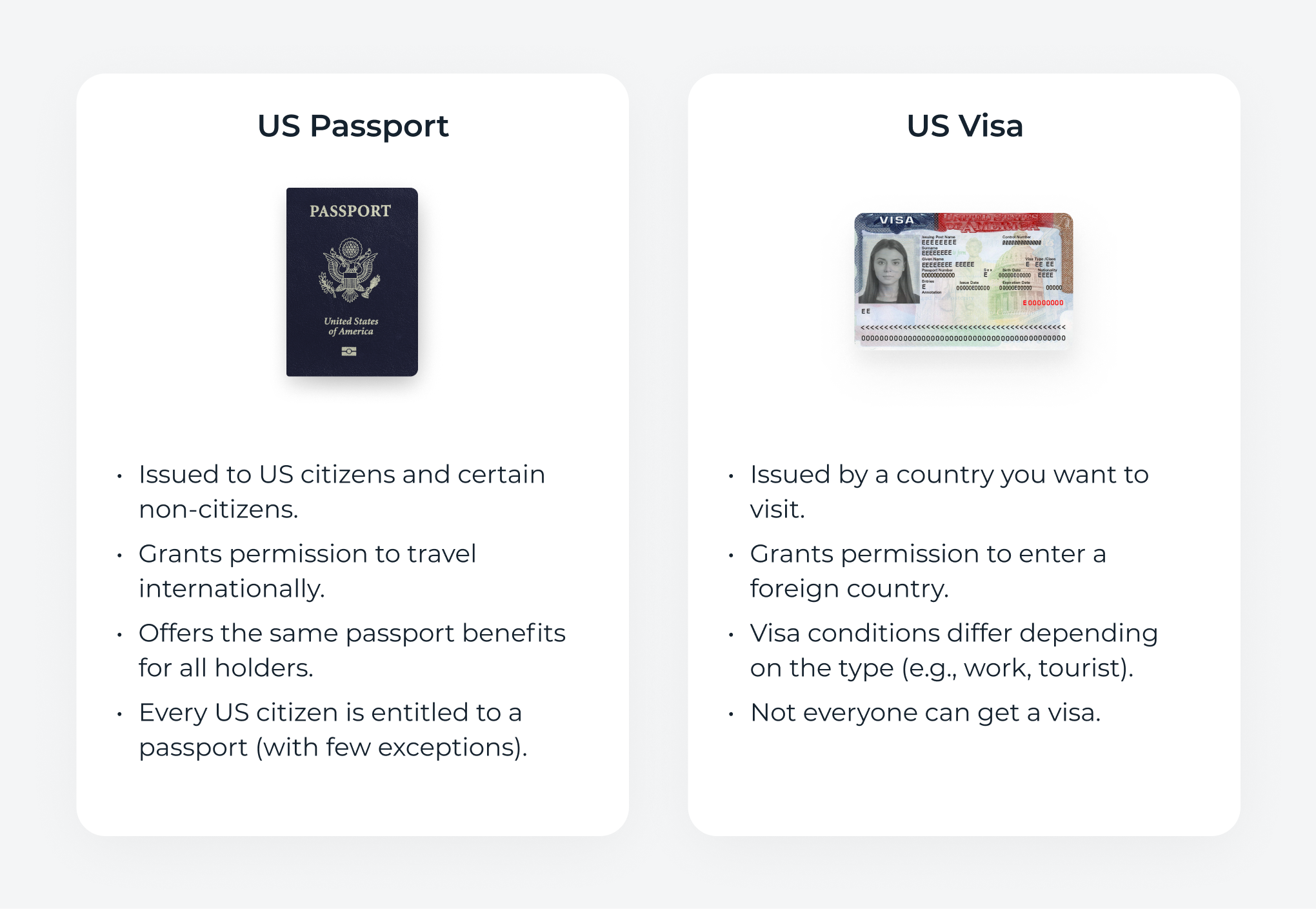
A passport book is valid for international air, land, and sea travel. A passport card is less expensive and smaller, but it is only valid for entering the United States via land borders and sea ports-of-entry from Canada, Mexico, the Caribbean, and Bermuda. It cannot be used for international air travel.
Are passport fees refundable if my application is denied?
No. The application and execution fees are non-refundable processing charges collected by the federal government and acceptance facilities, regardless of whether a passport is ultimately issued or denied based on eligibility criteria.
How do I avoid unexpected delays and additional costs when applying?
To prevent unnecessary expenses, applicants should ensure their passport photos meet strict U.S. Department of State guidelines on lighting, dimensions, and plain white backgrounds. Re-submitting rejected photos or paying for emergency overnight shipping to correct errors can significantly increase the total cost of obtaining travel documents.
Next Actions for Prospective Travelers
If you are preparing to submit your first passport application, begin by gathering your required U.S. citizenship evidence, such as a certified birth certificate or naturalization certificate, alongside a valid government-issued photo ID. Complete Form DS-11 in black ink without signing it, as you must sign it in front of a certified acceptance agent. Schedule an appointment at a designated acceptance facility, such as a local U.S. Post Office or public library, and bring separate payment methods for the Department of State application fee and the local facility execution fee. Planning ahead ensures your application is processed smoothly without incurring expensive expedited shipping fees.
Image Gallery