Should I Choose DIY Front End Damage Repair?
Deciding whether to perform a DIY front-end damage repair depends on the severity of the impact and your technical proficiency. While minor cosmetic fixes like replacing a plastic grille or buffing out surface scratches are manageable...
Deciding whether to perform a DIY front-end damage repair depends on the severity of the impact and your technical proficiency. While minor cosmetic fixes like replacing a plastic grille or buffing out surface scratches are manageable for hobbyists, structural damage, airbag deployment, or sensor recalibration requires professional expertise to ensure vehicle safety and resale value.
Contents
The front end of a modern vehicle is no longer just a collection of metal and plastic panels. As of 2026, even entry-level cars are integrated with a complex network of Advanced Driver Assistance Systems (ADAS), cooling modules for internal combustion or electric powertrains, and sophisticated crumple zones designed to save lives. Before you pick up a wrench, you must understand the distinction between what can be safely handled in a home garage and what necessitates a certified collision center.
Assessing the Scale of Front-End Damage
Before making a decision, you must categorize the damage. Front-end collisions generally fall into three tiers: cosmetic, mechanical component failure, and structural.
Cosmetic Damage
Cosmetic issues involve the exterior "skin" of the vehicle. This includes scratches on the clear coat, small dents in the hood, or a cracked plastic bumper cover. These components are largely aesthetic and do not impact the vehicle's ability to protect you in a crash. For many owners, replacing a bolt-on bumper cover or a snapped plastic grille is a viable DIY project that can save hundreds of dollars in labor costs.
Mechanical and Cooling Components
The area behind the bumper is densely packed. Even a low-speed "fender bender" can push the bumper into the radiator, air conditioning condenser, or transmission cooler. If you see fluids leaking—whether it’s the bright green or orange of coolant or the oily residue of refrigerant—the repair has moved beyond simple bodywork. DIY repair here requires knowledge of pressurized systems and specialized tools like vacuum pumps for AC recharging.
Structural and Frame Damage
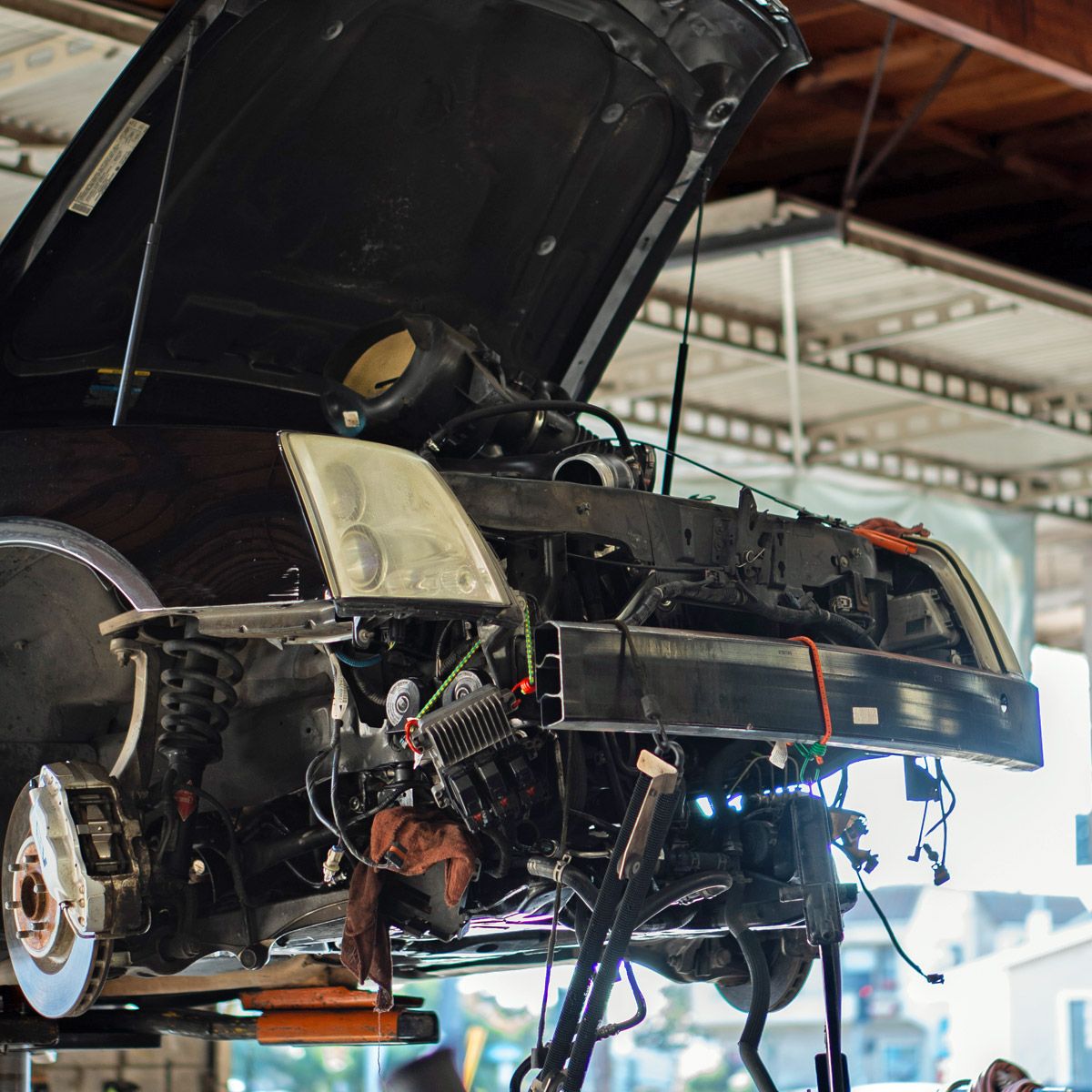
This is the "no-go" zone for DIYers. Modern cars utilize unibody construction where the frame and body are one unit. If the "horns" of the frame are bent or if the radiator support is pushed back, the vehicle’s structural integrity is compromised. Repairing this requires a frame rack and hydraulic pulling equipment to return the metal to factory specifications. Attempting to "pull" a frame at home using a tree or a truck is dangerously imprecise and can lead to a vehicle that cannot be properly aligned or fails to protect occupants in a future crash.
The Complexity of 2026 Vehicle Technology
In the current 2026 automotive landscape, the "front end" is a hub for high-tech sensors. Most vehicles are now equipped with Level 2 or Level 3 autonomous features, which rely on hardware mounted exactly where impacts occur.
ADAS and Sensor Calibration
Behind your car’s emblem or bumper fascia, there is likely a radar sensor for adaptive cruise control and automatic emergency braking. There may also be ultrasonic sensors for parking and cameras for 360-degree viewing. If you replace a bumper cover yourself, these sensors must be recalibrated.
Professional shops use specialized targets and software to ensure these sensors "see" the road correctly. A DIYer might successfully physically mount the sensor, but if it is off by even a fraction of a degree, the emergency braking system might trigger unnecessarily or fail to engage when needed. This technical requirement is the primary reason why professional repair is often the only safe choice for modern cars.
High-Strength Steel and Aluminum
Vehicle manufacturers are increasingly using ultra-high-strength steel (UHSS) and aluminum to reduce weight and improve safety. These materials have different properties than the mild steel found in older cars. UHSS cannot be heated or straightened without losing its strength; it must be replaced at specific factory "cut points." DIYers often lack the specialized welding equipment (such as squeeze-type resistance spot welders) required to join these modern materials correctly.
Essential Tools and Requirements for DIY
If you have determined the damage is strictly cosmetic or involves simple bolt-on parts, you still need a specific set of tools to achieve a professional result.
- Diagnostic Scanners: A standard OBDII scanner is no longer enough. You may need a bidirectional scan tool to clear "soft codes" related to disconnected sensors or active grille shutters.
- Body Hammers and Dollies: For metal panels (like hoods or fenders), these are essential for "massaging" the metal back to shape.
- Plastic Welding Kits: Many modern bumpers are made of polypropylene. If the damage is a crack rather than a hole, a plastic welder can fuse the material back together.
- Paint Matching Systems: Getting a "close" match with a spray can is easy; getting a perfect match is not. Most 2026 vehicles use multi-stage paint (base, pearl/mid-coat, and clear). Professional DIY kits now include VIN-matched aerosol cans, but environmental factors like humidity and temperature in a home garage can still lead to a "dry" or "orange peel" finish.
Comparing DIY vs. Professional Repair
| Feature | DIY Front-End Repair | Professional Collision Center |
|---|---|---|
| Average Cost | Parts + $100–$500 in tools | Parts + $100–$150/hr labor |
| Time Investment | 10–40+ hours (learning curve) | 3–10 days (shop schedule) |
| Safety Assurance | Limited to visual inspection | Certified structural/ADAS testing |
| Resale Impact | Often seen as a red flag if uncertified | Documented, warrantied repair |
| Warranty | None on labor; limited on parts | Lifetime workmanship warranty (common) |
| Equipment | Standard hand tools + basic power tools | Frame racks, paint booths, scan tools |
The Financial Reality: Insurance and Resale Value
Before you decide to "save money" by doing it yourself, consider the long-term financial implications.
Insurance Claims
If the damage was caused by a multi-vehicle accident or if you have comprehensive coverage, your insurance company will likely prefer a certified shop. If you perform the repairs yourself and later try to file a claim for a different issue in the same area, the adjuster may deny the claim due to "prior unrepaired damage" or "substandard previous repairs." Furthermore, if you are at fault, your insurance may not reimburse you for your own labor hours, only for the cost of the parts.
Resale Value and CARFAX
In 2026, vehicle history reports are more detailed than ever. A car that has had front-end damage repaired by a reputable, certified shop with a warranty is much easier to sell than one with "home-fixed" panels. Potential buyers look for receipts. If you cannot prove that the airbags and sensors were checked by a professional, the market value of your vehicle could drop significantly—potentially more than the money you saved by DIYing the repair.
When You Should Definitely Call a Professional
There are several "red lines" that, if crossed, should immediately end any DIY aspirations:
- Airbag Deployment: If the airbags fired, the entire SRS (Supplemental Restraint System) needs a reset, and specific sensors and clock springs must be replaced. This is a life-safety issue.
- Kinked Frame Rails: If the metal of the frame shows a sharp fold or "kink" rather than a gentle bend, the structural integrity is gone.
- Wheel Misalignment: If the car pulls to one side after a front-end hit, the suspension or frame is likely bent.
- Active Safety Warnings: If your dashboard is lit up with "Check ADAS" or "Brake Assist Unavailable," these systems require proprietary software to fix.
Common DIY Mistakes to Avoid
If you choose the DIY path for minor repairs, avoid these frequent pitfalls:
- Ignoring the "Hidden" Damage: Always strip the car down to the core support. What looks like a cracked bumper often hides a bent radiator or cracked headlight housings.
- Improper Surface Prep: 90% of a good paint job is the sanding and cleaning. Skipping a grease remover or using the wrong grit sandpaper will lead to peeling paint within six months.
- Forcing Plastic Clips: Modern cars use dozens of specific plastic fasteners. If a panel isn't coming off, don't yank it. Find the hidden screw or use a trim removal tool. Breaking these clips often leads to "bumper sag" later on.
- Neglecting Rust Prevention: If you sand down to bare metal, you must use an epoxy primer immediately. Front-end components are highly susceptible to road salt and moisture.
FAQs
Will DIY repair void my vehicle warranty?
Repairing cosmetic damage yourself generally does not void the entire vehicle warranty. However, it will void the warranty on the specific parts you replaced or modified. If a DIY repair leads to a secondary failure (e.g., a poorly installed radiator causes the engine to overheat), the manufacturer will likely deny your warranty claim for the engine.
How do I know if my car's frame is bent?
While a professional frame rack is the only way to be 100% sure, you can look for uneven gaps between the doors and the fenders, "dog-tracking" (the car driving at a slight angle), or visible creases in the metal of the engine bay. If the hood no longer latches correctly, there is a high probability of structural shifting.
Can I paint a new bumper myself in my garage?
Yes, you can, but achieving a factory-quality finish is difficult. You must control for dust, which will stick to wet paint, and ensure proper ventilation to avoid inhaling toxic fumes. For the best DIY result, buy "pre-painted" parts from specialized suppliers who use the factory paint code and professional booths before shipping the part to you.
Is it safe to drive with minor front-end damage?
It depends. If the bumper is just scratched, it is safe. However, if the bumper is cracked or loose, it can catch the wind at highway speeds and tear off, creating a hazard for you and others. Additionally, if the impact was hard enough to crack plastic, the internal "energy absorber" (foam or plastic honeycomb) is likely crushed and will not protect you in a second impact.
How much can I really save by DIYing a bumper replacement?
On a typical 2026 mid-sized sedan, a professional shop might charge $1,500 to $2,500 for a bumper replacement (including parts, paint, and labor). By sourcing a pre-painted bumper for $600 and installing it yourself in two hours, you could save over $1,000. However, this assumes no underlying sensor or structural damage.
Final Recommendation
Choose the DIY route only if the damage is limited to bolt-on exterior components (fenders, bumpers, grilles) and your vehicle's safety sensors remain functional. If there is any indication of fluid leaks, frame misalignment, or electronic system errors, the risks to your safety and the vehicle's future resale value far outweigh the temporary labor savings. For modern vehicles, a "hybrid" approach is often best: handle the simple disassembly and parts sourcing yourself, but hire a professional for the final paint blending and ADAS calibration.
Image Gallery