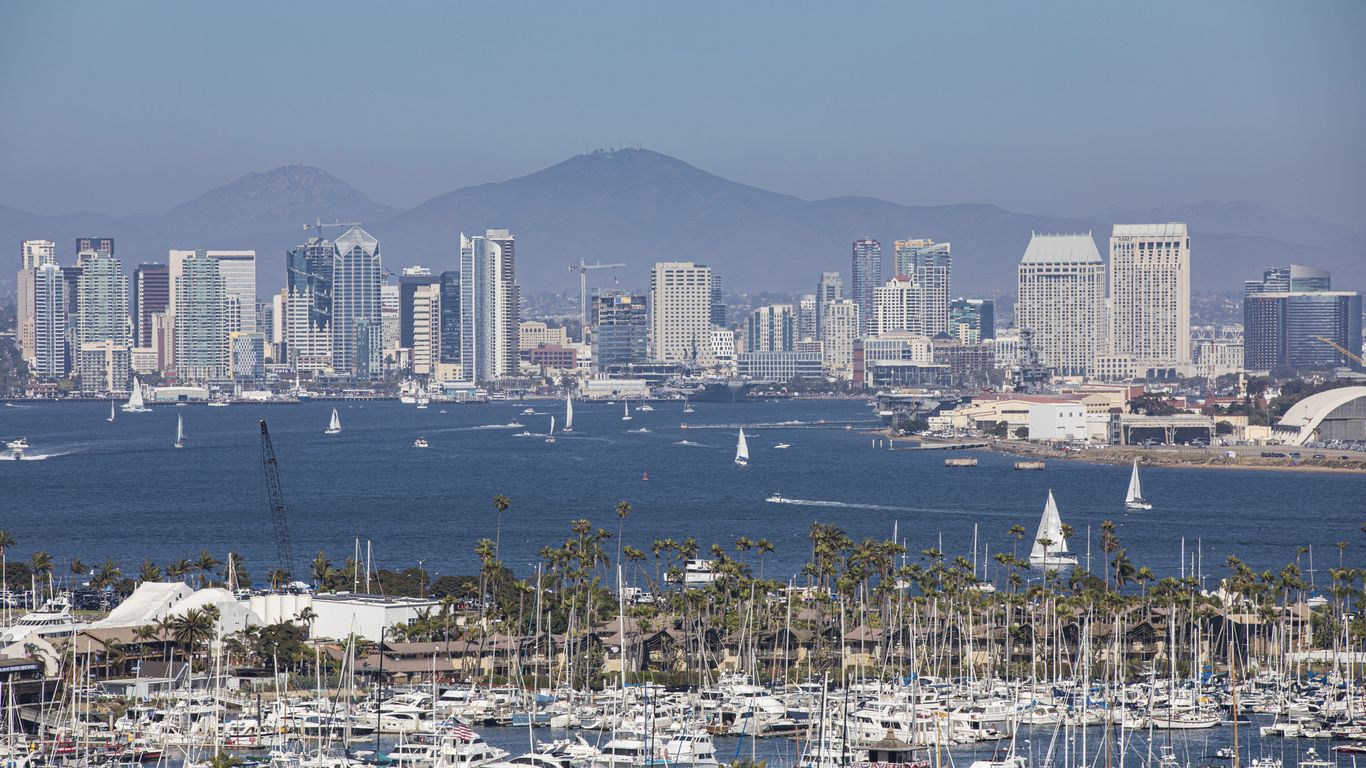
Why San Diego Feels Safe for Most Visitors: A 2026 Comprehensive Safety Guide
San Diego consistently ranks as one of the safest large cities in the United States because of its proactive community policing, well-funded "Clean and Safe" hospitality programs, and a high volume of foot traffic in well-lit tourist c...
San Diego consistently ranks as one of the safest large cities in the United States because of its proactive community policing, well-funded "Clean and Safe" hospitality programs, and a high volume of foot traffic in well-lit tourist corridors. While no major urban area is entirely free of risk, the city's integrated approach to public safety and urban design creates an environment where visitors feel secure exploring both day and night.
Contents
The Statistical Foundation of San Diego’s Safety Reputation
To understand why San Diego feels safe, one must first look at the data that supports this perception. For over a decade, San Diego has maintained lower violent crime rates per capita than many other major U.S. metropolitan areas, including Los Angeles, San Francisco, and Phoenix. As of 2026, the San Diego Police Department (SDPD) reports that while property crimes remain a challenge—as they do in all major cities—violent incidents in tourist-heavy zones like La Jolla, Balboa Park, and the Gaslamp Quarter remain statistically low.
The feeling of safety is often a reflection of the "broken windows" theory applied positively: when a city looks maintained, people feel more secure. San Diego invests heavily in urban maintenance. The presence of the Downtown San Diego Partnership’s "Clean & Safe" program is a primary driver here. This program employs ambassadors who patrol the streets, providing directions to tourists while simultaneously acting as an additional set of eyes and ears for local law enforcement. Their visible presence in bright uniforms reduces the psychological anxiety often associated with navigating an unfamiliar urban center.
Furthermore, San Diego's geography plays a role. The city is a collection of distinct "villages," many of which are affluent or heavily residential, such as Del Mar or Coronado. These areas have their own dedicated security layers and high levels of community engagement, which prevents the "big city" anonymity that often breeds opportunistic crime.
The Role of Law Enforcement and Specialized Units
The San Diego Police Department utilizes a decentralized model that emphasizes neighborhood-specific policing. For visitors, this is most visible through specialized units designed to handle the unique needs of high-traffic areas.
Tourism and Beach Patrols
The SDPD maintains dedicated beach patrols, particularly in Mission Beach and Pacific Beach. These units are trained not just in law enforcement, but in crowd management and conflict de-escalation tailored to a vacation environment. In the Gaslamp Quarter, bike patrols are common. These officers are more approachable than those in cruisers, fostering a sense of community safety. By being mobile and visible, they can navigate narrow corridors and heavy crowds more effectively than standard patrol cars.
Technological Integration in 2026
By 2026, San Diego has fully integrated "Smart City" technologies into its safety infrastructure. This includes advanced street lighting systems that automatically brighten when sensors detect movement or unusual noise levels. Public transit hubs, particularly those along the San Diego Trolley lines, are equipped with high-definition surveillance and real-time emergency communication kiosks. According to the Metropolitan Transit System (MTS), these measures have significantly decreased incidents of harassment and petty theft on public transport, making it a viable and safe option for tourists.
Neighborhood Analysis: Where Visitors Feel Most Secure
Safety is not uniform across any city. In San Diego, the "feeling" of safety varies by neighborhood, influenced by local business initiatives and residential density.
| Neighborhood | Primary Safety Feature | Best For | Atmosphere |
|---|---|---|---|
| La Jolla | High residential security & lighting | Families and luxury travelers | Quiet, upscale, and manicured |
| Gaslamp Quarter | High police visibility & "Clean and Safe" ambassadors | Nightlife and dining | Energetic but monitored |
| Little Italy | Business Improvement District (BID) patrols | Foodies and walkers | European-style, pedestrian-friendly |
| Coronado | Isolated geography & local police force | Beach-goers and history buffs | Small-town feel, extremely low crime |
| Balboa Park | Dedicated park rangers & museum security | Culture seekers and hikers | Open, family-oriented, well-patrolled |
The Gaslamp Quarter and Little Italy
These two areas represent the pinnacle of San Diego’s urban safety strategy. In the Gaslamp Quarter, the concentration of hotels and high-end restaurants means there is a vested economic interest in maintaining safety. The Downtown San Diego Partnership funds safety ambassadors who are available to escort visitors to their cars or hotels upon request. Little Italy, conversely, relies on its high density of "eyes on the street." With outdoor dining lining almost every block, the constant presence of people acts as a natural deterrent to criminal activity.
Coronado and the Island Buffer
Coronado is technically a separate city, but most visitors treat it as a San Diego neighborhood. Because it is accessible only by the San Diego-Coronado Bridge or the Silver Strand, it lacks the "through-traffic" of the mainland. This isolation, combined with a highly responsive local police department and the presence of the North Island Naval Air Station, makes it one of the safest places for visitors in the entire country.
Infrastructure and Urban Design: Creating a Secure Environment
The physical layout of San Diego contributes significantly to visitor comfort. Urban planners in San Diego have long prioritized "defensible space," a concept where public areas are designed to be easily observed by residents and passersby.
- Lighting and Visibility: The city’s transition to LED street lighting has eliminated many "dark corners" in tourist zones. In 2026, these lights are often "smart," adjusting their intensity based on the time of day and pedestrian volume.
- Pedestrian-Only Zones: Areas like the Embarcadero and the promenades in Balboa Park are designed to minimize vehicle-pedestrian conflict. This physical safety (protection from traffic) translates into a broader feeling of environmental security.
- The San Diego Trolley: The trolley system is widely regarded as one of the cleaner and safer light-rail systems in the U.S. Frequent patrols by MTS security officers and the use of "Safe Place" designations at stations provide a safety net for those using public transit to reach major attractions like Snapdragon Stadium or Old Town.
Navigating Challenges: Homelessness and Petty Theft
To provide a balanced view, one must acknowledge the challenges that exist even in a "safe" city. San Diego, like much of the West Coast, has a visible unhoused population. While the vast majority of unhoused individuals are not dangerous, the presence of encampments can sometimes make visitors feel uneasy, particularly in parts of East Village or near certain transit stops.
Addressing the Perception of Risk
The city has addressed this by opening more "Safe Sleeping" sites and increasing outreach through the Homeless Outreach Team (HOT). For a visitor, the key to staying safe is the same as in any city: remain aware of your surroundings and stick to well-lit, populated areas. Petty theft, such as car break-ins, is the most common crime affecting tourists. Visitors are frequently advised not to leave valuables in plain sight inside parked cars, especially at beach parking lots or trailheads like Torrey Pines State Natural Reserve.
Proximity to the Border
San Diego’s location on the international border with Mexico is often a point of curiosity or concern for first-time visitors. However, the border region is one of the most heavily patrolled and monitored areas in the United States. The San Ysidro Land Port of Entry is a hub of federal and local law enforcement. For visitors, the border proximity does not translate to increased danger; rather, it provides a unique cultural layer that is managed with high-level security protocols.
Environmental and Natural Safety for Visitors
Safety in San Diego isn't just about crime; it’s also about the environment. The city’s commitment to beach and trail safety is a significant component of why people feel comfortable exploring its natural beauty.
- Lifeguard Services: The San Diego Lifeguard Service is a professional, world-class agency. Their presence at major beaches like Ocean Beach, Mission Beach, and La Jolla Shores provides a critical safety net for swimmers and surfers. They also perform cliff rescues at Torrey Pines and Sunset Cliffs, areas where tourists may inadvertently wander into dangerous terrain.
- Wildfire Awareness: While wildfires are a seasonal concern in San Diego County, the city itself is well-protected by the San Diego Fire-Rescue Department. In 2026, advanced early-warning systems and strict brush-management codes in "canyon neighborhoods" ensure that visitors staying in these areas are well-informed of any risks.
- Hiking Safety: Popular spots like Cowles Mountain or the Ho Chi Minh Trail have improved signage and emergency markers. These markers allow hikers to provide exact coordinates to dispatchers if they become lost or injured, a technical integration that enhances the safety of the city’s outdoor lifestyle.
Frequently Asked Questions
Is it safe to walk in downtown San Diego at night?
Yes, most of downtown, especially the Gaslamp Quarter and Little Italy, is very safe at night due to high foot traffic and a significant presence of "Clean and Safe" ambassadors. However, it is advisable to stay west of 10th Avenue and avoid the more industrial parts of the East Village late at night, as these areas have fewer pedestrians and more encampments.
How safe is the San Diego Trolley for tourists?
The San Diego Trolley is considered very safe for tourists. In 2026, MTS has increased the number of "Code Compliance Inspectors" who check fares and monitor behavior. Most tourist destinations, including Old Town, the Convention Center, and the Santa Fe Depot, are located at well-lit, high-activity stations.
Are the beaches in San Diego safe for families?
San Diego’s beaches are among the safest in the country for families, provided you swim near a staffed lifeguard tower. La Jolla Shores is particularly popular for families due to its calm waves and the high density of professional lifeguards. Always check for "Rip Current" warnings posted at the lifeguard stands.
Does San Diego have a high crime rate compared to Los Angeles?
No, San Diego consistently maintains a lower crime rate than Los Angeles across almost all categories of violent and property crime. Its smaller population density and the localized nature of its neighborhoods contribute to a more manageable public safety environment.
What should I do if I feel unsafe or see a crime?
In an emergency, always dial 911. For non-emergencies, you can contact the San Diego Police Department’s non-emergency line. In the downtown area, you can also look for "Clean and Safe" ambassadors in yellow shirts who can provide assistance or contact police on your behalf.
Practical Recommendation for a Safe Visit
To maximize your sense of security while visiting San Diego in 2026, choose accommodations in established "Tourism Business Improvement Districts" (TBIDs). These include the Downtown core, La Jolla, and Mission Valley. Utilize the "Get It Done" San Diego app, which allows residents and visitors to report non-emergency issues like broken streetlights or safety hazards directly to city hall. Always maintain basic situational awareness: keep your phone tucked away while walking in crowded areas to prevent "snatch-and-grab" theft, and use reputable rideshare services or the Trolley rather than walking through unlit residential canyons at night. By following these standard urban travel practices, you will find that San Diego is an exceptionally welcoming and secure destination.
Image Gallery