Cruise Portholes: The Overlooked Window to the Sea
A cruise porthole is a specialized, watertight circular window integrated into a ship's hull, designed to provide natural light and a connection to the ocean while maintaining structural integrity. Unlike modern floor-to-ceiling window...
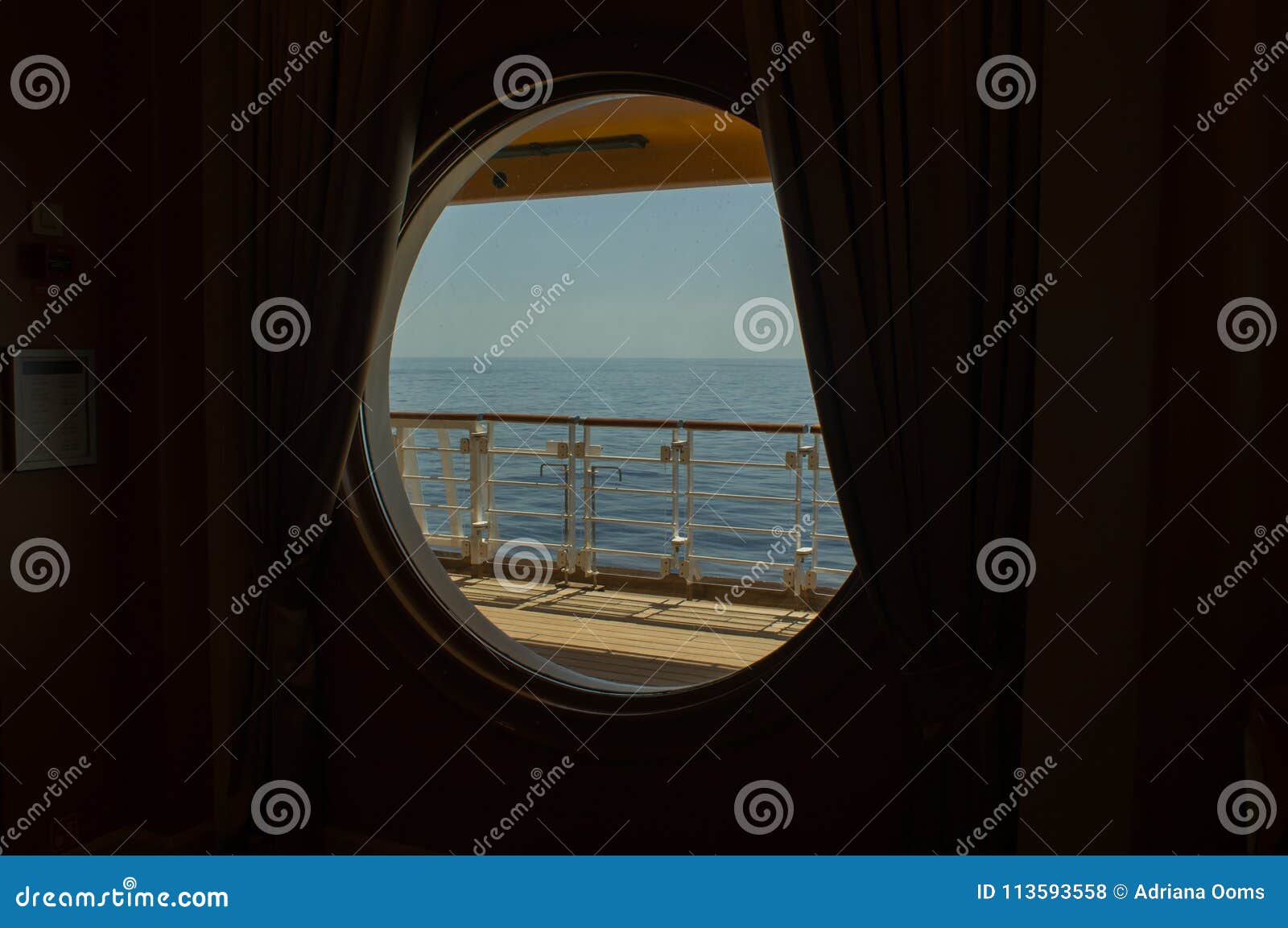
A cruise porthole is a specialized, watertight circular window integrated into a ship's hull, designed to provide natural light and a connection to the ocean while maintaining structural integrity. Unlike modern floor-to-ceiling windows, the porthole remains a critical engineering feature that balances passenger comfort with the extreme pressure requirements of maritime safety.
Contents
The classic circular window, known as the porthole, is far more than a nostalgic design choice. In the 2026 cruise landscape, where massive balcony suites and "virtual" windows often dominate the marketing brochures, the humble porthole remains a foundational element of ship architecture. For many seasoned travelers, it represents a deliberate choice—a middle ground between the isolation of an interior cabin and the higher cost of a balcony. To understand the value of the porthole, one must look past its size and examine its history, its sophisticated engineering, and its unique role in the passenger experience.
The Evolution and Engineering of the Marine Porthole
The term "porthole" originated from the French word porte, meaning door, and was initially used to describe the openings in the side of a ship through which cannons were fired. As naval architecture transitioned from wood to steel and from sail to steam, these openings evolved into windows for light and ventilation.
Why Portholes are Traditionally Round
The most distinctive feature of a porthole is its circular shape. This is not an aesthetic choice but a vital structural necessity. On a ship, the hull is subject to immense stresses caused by the movement of the sea and the weight of the vessel itself.
When you cut a square opening into a steel hull, the corners of that square become "stress concentrators." These points are significantly more likely to develop cracks over time due to the flexing of the ship. A circular opening, conversely, distributes the stress evenly around its entire circumference. This design allows the ship’s hull to maintain its strength and integrity, which is why portholes are the primary window type found on the lower decks, where the pressure and hull stress are highest.
Technical Components of a Modern Porthole
As of 2026, the construction of a cruise ship porthole involves high-specification materials designed to withstand the corrosive marine environment and the impact of rogue waves.
- The Scuttle: This is the technical name for the actual frame that holds the glass. In modern construction, these are typically made of heavy-duty brass, bronze, or stainless steel. These materials are chosen for their resistance to saltwater corrosion.
- The Glass (Glazing): Porthole "glass" is rarely simple glass. It is usually a thick pane of tempered or laminated safety glass. In many cases, it is several inches thick. It must meet stringent International Maritime Organization (IMO) standards for impact resistance.
- The Deadlight: A critical safety feature, the deadlight is a heavy metal cover that can be bolted over the inside of the porthole. In the event of a severe storm or if the glass is compromised, the deadlight provides a secondary, watertight seal.
- The Gasket: A high-grade rubber or silicone seal (often neoprene) runs between the glass and the frame. This ensures that even under the pressure of a wave hitting the side of the ship, no water can penetrate the cabin.
Comparing Cabin Categories: The Value of the Porthole
When booking a cruise in 2026, travelers generally choose between Interior, Oceanview (Porthole/Window), Balcony, and Suite categories. The porthole cabin often sits in the "Oceanview" tier but provides a distinct experience compared to the larger "picture windows" found on higher decks.
Porthole vs. Picture Window
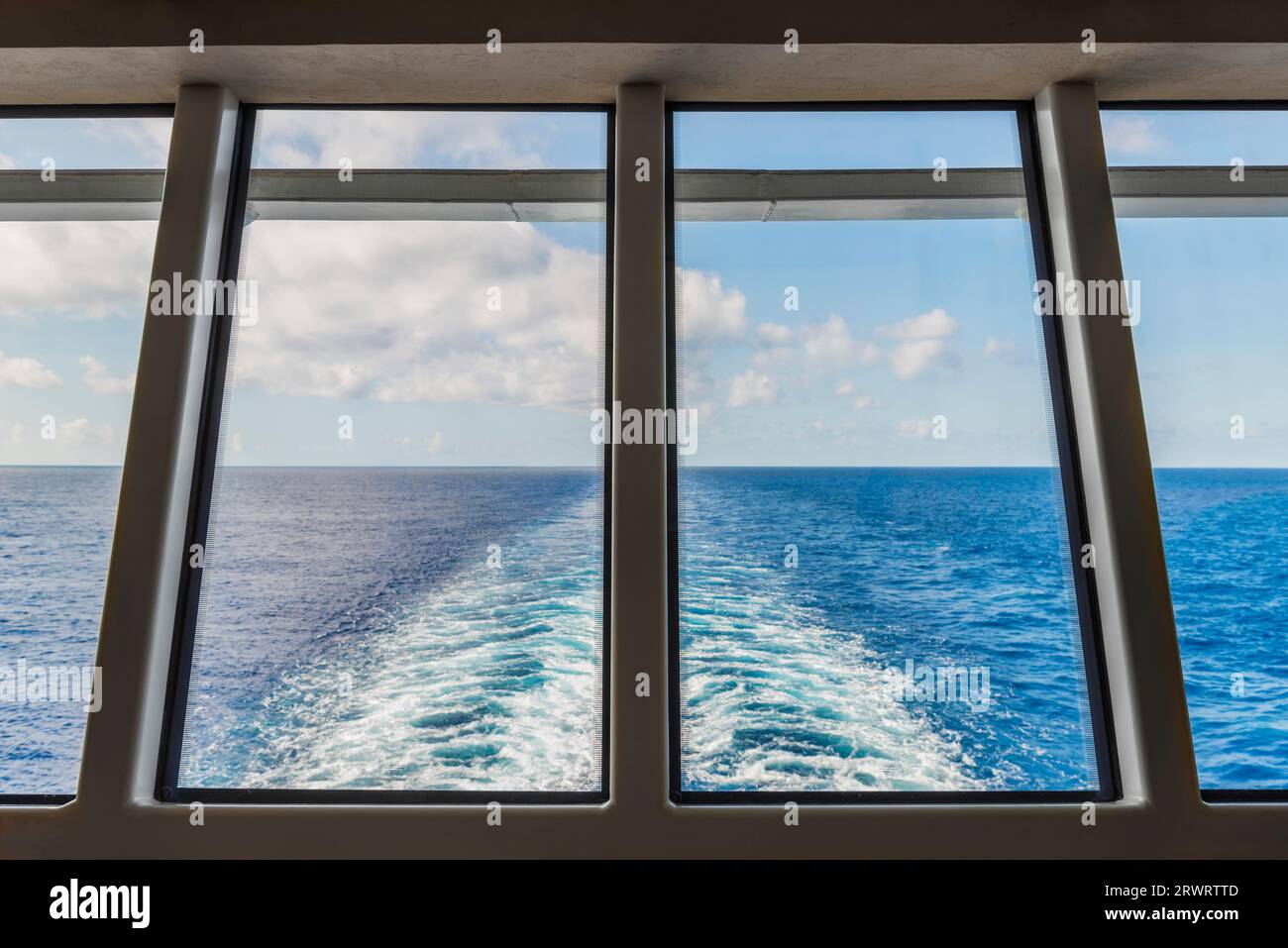
While both fall under the Oceanview category, they are technically different. Portholes are generally smaller and circular, located on lower decks (typically Decks 1 through 4). Picture windows are larger, rectangular, and cannot be opened; they are found on mid-to-upper decks where the hull stress is lower and the distance from the waterline is greater.
The Financial Advantage
For many cruisers, the porthole cabin is the ultimate "value" play. It provides the essential benefit of natural light—which is vital for maintaining a healthy circadian rhythm during long sea days—without the premium price tag of a balcony. In 2026, the price gap between an interior cabin and a porthole cabin is often as little as $15–$30 per day, whereas a balcony can cost hundreds more.
Privacy and Security
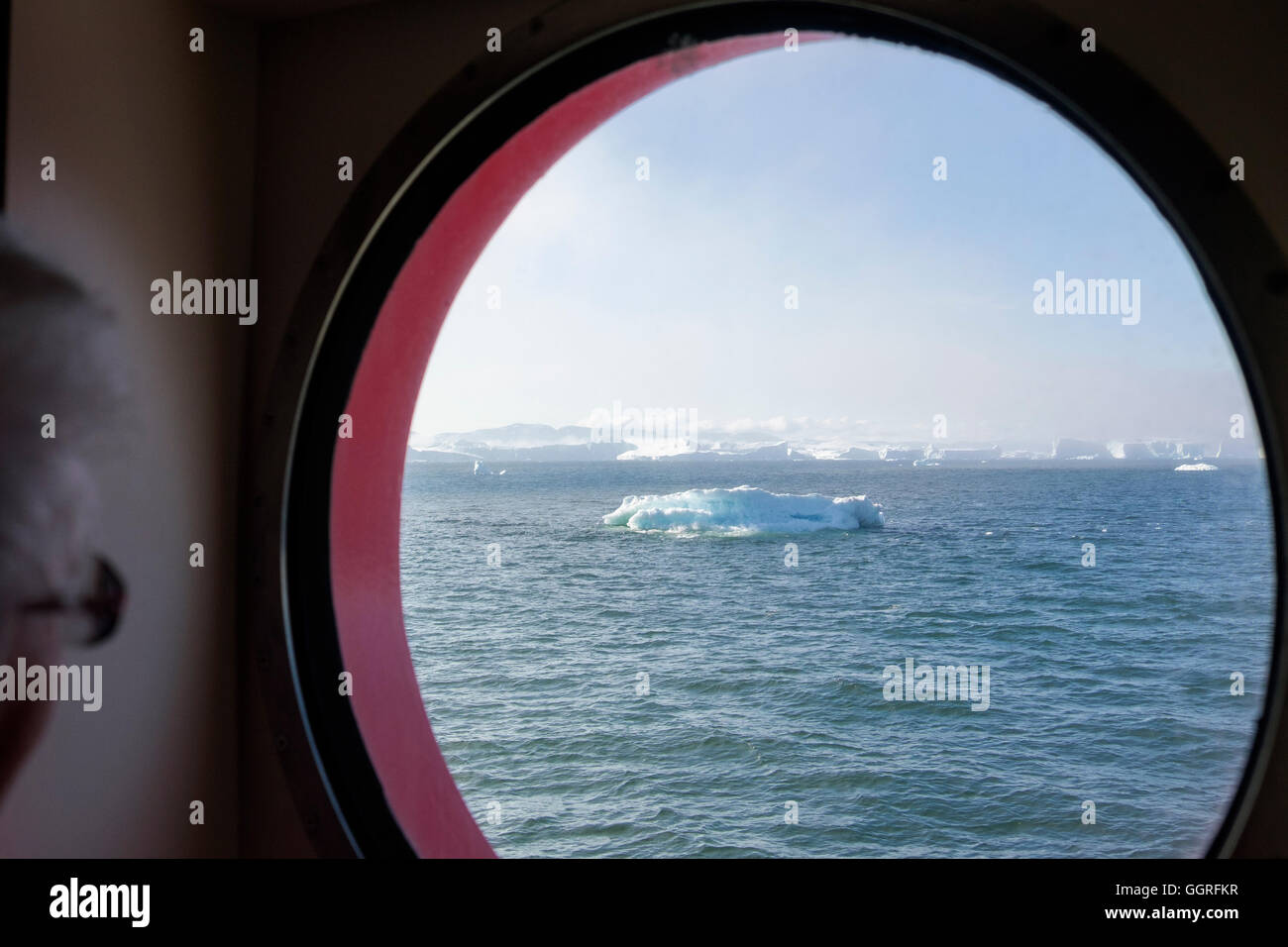
Portholes offer a level of privacy that balconies do not. On many modern mega-ships, balconies are often overlooked by other cabins or public spaces. A porthole cabin, being lower on the ship and lacking an external platform, provides a secluded "den" feeling. It allows the passenger to watch the waves from a private, secure vantage point, often very close to the waterline, which provides a more visceral sense of the ship’s movement through the water.
| Feature | Interior Cabin | Porthole/Oceanview | Balcony Cabin |
|---|---|---|---|
| Natural Light | None | Limited to Moderate | Abundant |
| Fresh Air | Ventilation System Only | Usually None (Fixed) | Direct Access |
| Privacy Level | High (Total Enclosure) | High (Small Opening) | Variable (Overlooked) |
| Sea Sickness Impact | No visual horizon | Provides visual horizon | Provides visual horizon |
| Relative Cost | $ (Low) | $$ (Moderate) | $$$ (High) |
| View Type | Artificial/Virtual | Direct Sea View | Panoramic |
Functional Benefits: Beyond Just a View
The overlooked porthole serves several practical purposes that directly affect passenger well-being. While it might seem like a minor detail, the presence of that small circular window can change the entire tone of a voyage.
Combating Seasickness
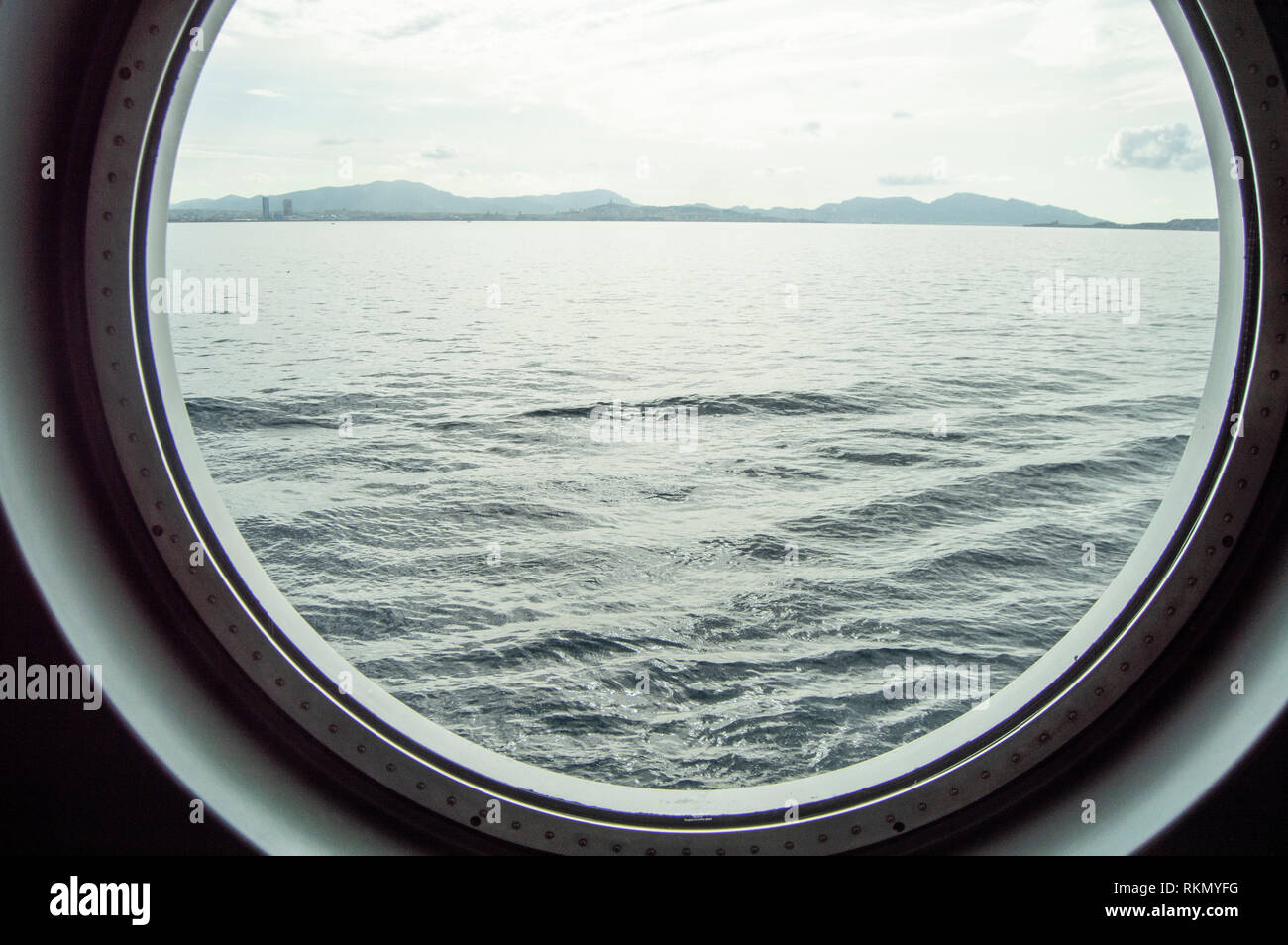
One of the most effective ways to mitigate motion sickness is to provide the brain with a visual reference to the horizon. In an interior cabin, the inner ear senses the ship’s motion, but the eyes see a stationary room. This sensory conflict causes nausea. A porthole allows the passenger to see the horizon and the water’s movement, helping the brain synchronize the physical motion with a visual cue.
The "Close to the Water" Experience
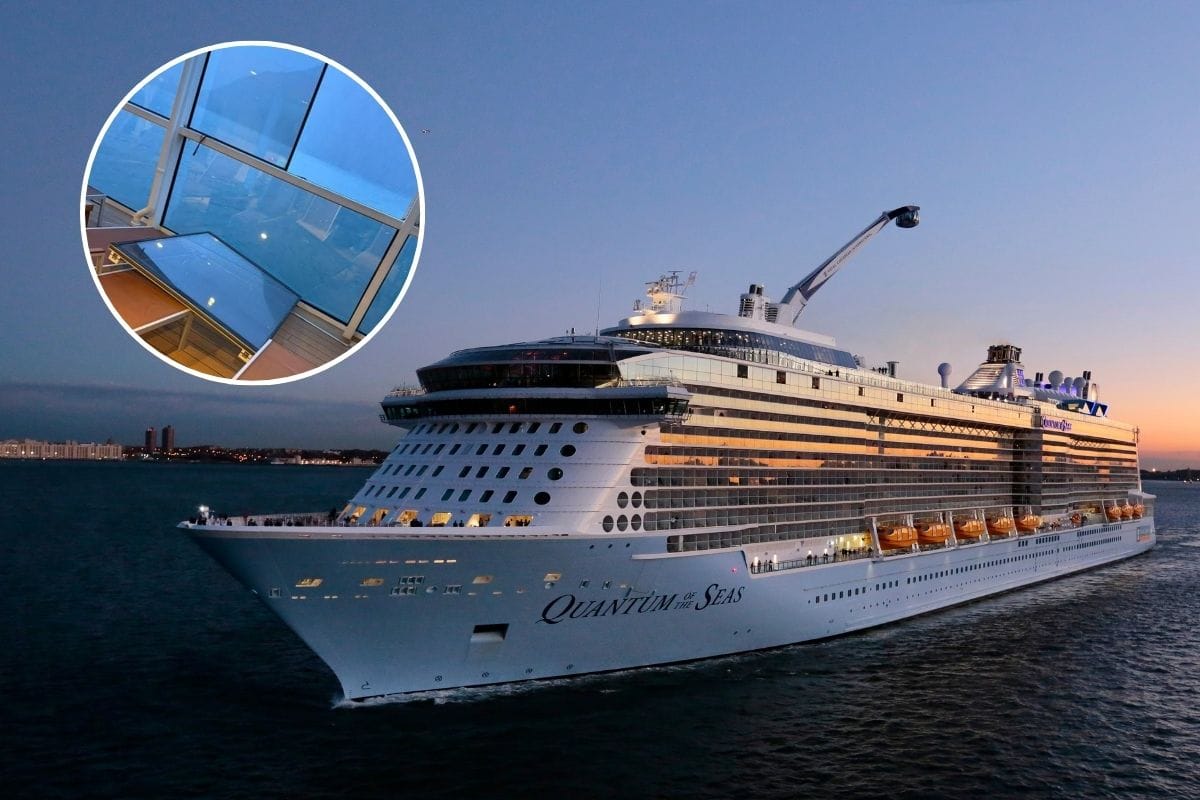
Modern cruise ships are towering cities, sometimes 20 decks high. From a balcony on Deck 16, the ocean can feel distant and abstract. However, from a porthole on Deck 2 or 3, the ocean is right there. You can see the spray of the bow wave and watch the "white water" rushing past the glass. This proximity offers a more traditional maritime experience that many enthusiasts prefer.
Natural Lighting and Sleep Quality
Cruising often involves crossing multiple time zones. The lack of natural light in interior cabins can lead to "cruise ship cave syndrome," where passengers oversleep and feel groggy because their bodies don't receive the morning light signals. Even a small porthole provides enough ambient light to wake the body up naturally, helping passengers stay energized for excursions.
Modern Innovations and the Future of the Porthole
As we look at the state of the industry in 2026, the porthole is undergoing its own subtle revolution. While the engineering remains grounded in safety, the way designers integrate these windows is changing.
Oversized Portholes
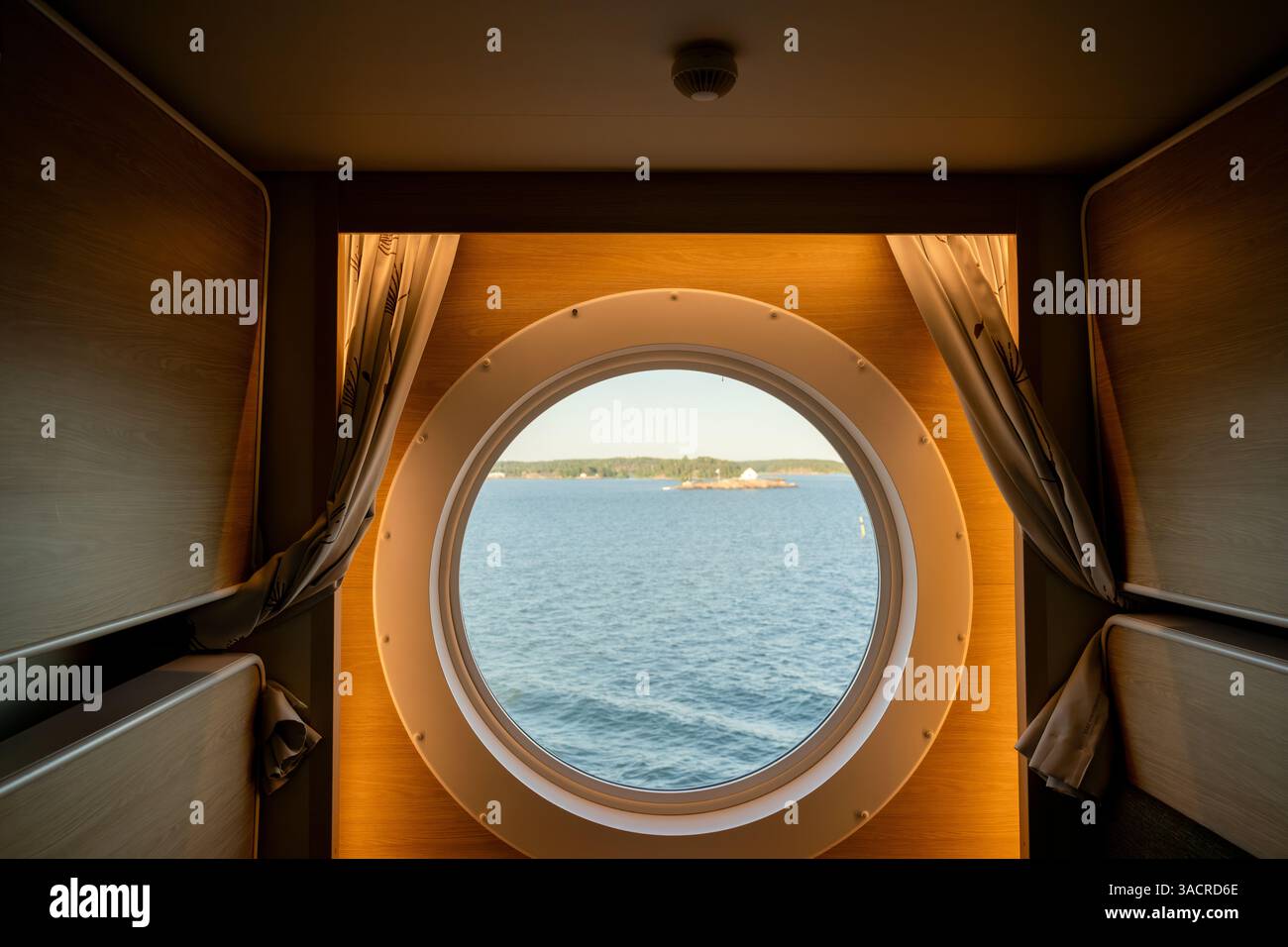
Some of the newest ship classes have introduced "jumbo" portholes. These are significantly larger than the traditional 12-inch versions, sometimes reaching 3 to 5 feet in diameter. These windows often feature deep sills that have been converted into "window seats," allowing passengers to sit directly in the porthole and look out at the sea. This blends the structural safety of the circular design with the visual benefits of a large window.
Virtual Portholes vs. Real Glass
With the rise of high-definition display technology, some lines have experimented with "virtual portholes" in interior cabins. These are LED screens that broadcast a live feed from outside the ship. While these provide a sense of the time of day, they lack the depth, clarity, and psychological connection of real glass. In 2026, the demand for "real" oceanview cabins remains high because passengers value the authenticity of a physical window to the sea.
Selecting the Right Porthole Cabin: Tips for 2026
If you are considering booking a porthole cabin, there are several nuances to keep in mind to ensure you get the best experience.
- Check for Obstructions: Not all portholes have a clear view. Some may be partially blocked by lifeboats, structural pillars, or maintenance equipment. Always check the ship’s deck plan for labels like "obstructed view" or "limited view."
- The "Double Porthole" Configuration: Some cabins, particularly those at the very front (bow) of the ship, may have two small portholes instead of one larger window. These cabins can be unique because they follow the curve of the ship’s hull, often resulting in extra floor space.
- Noise Considerations: Since porthole cabins are located on lower decks, they are closer to the ship's mechanical systems, such as the engine room or the bow thrusters. While modern soundproofing is excellent, you may hear more "sea noise"—the sound of waves hitting the hull—which many people find soothing, but others may find distracting.
- Maintenance and Salt Spray: Because these windows are close to the water, they can become coated in salt spray during heavy seas. While the ship’s crew cleans windows regularly, your view might be slightly "frosted" by salt during a crossing.
FAQ
Can you open a porthole on a modern cruise ship?
In 2026, it is extremely rare to find a passenger porthole that opens. For safety and climate control reasons, most portholes are "fixed" or "dead" lights. Allowing passengers to open windows so close to the waterline would pose a significant risk of flooding and would disrupt the ship's internal air pressure and air conditioning systems.
Are porthole cabins prone to leaking?
No. Modern maritime engineering and strict SOLAS (Safety of Life at Sea) regulations ensure that portholes are among the strongest parts of the ship's superstructure. They are tested to withstand pressures far exceeding anything they would encounter in normal operations.
Do portholes have curtains or blinds?
Yes. Every porthole cabin is equipped with high-quality blackout curtains or heavy-duty blinds. Because the sun reflecting off the water can be quite bright, these curtains are necessary for sleeping during the day or maintaining privacy when the ship is in port.
Why are some portholes located so low on the ship?
Portholes are located on lower decks because those areas require the structural strength that only a circular opening can provide. As you move higher up the ship, the structural requirements change, allowing for larger, rectangular windows and balconies.
Summary of Recommendations
For the traveler who values the connection to the sea but wants to maintain a budget, the porthole cabin is an exceptional choice. It provides the essential psychological benefits of natural light and a horizon view, coupled with the unique "close-to-the-water" perspective that balconies cannot replicate. When booking for 2026, prioritize "oversized porthole" cabins on newer ships to maximize your view, and always verify the deck plan to ensure your window to the sea is free of obstructions.
Image Gallery