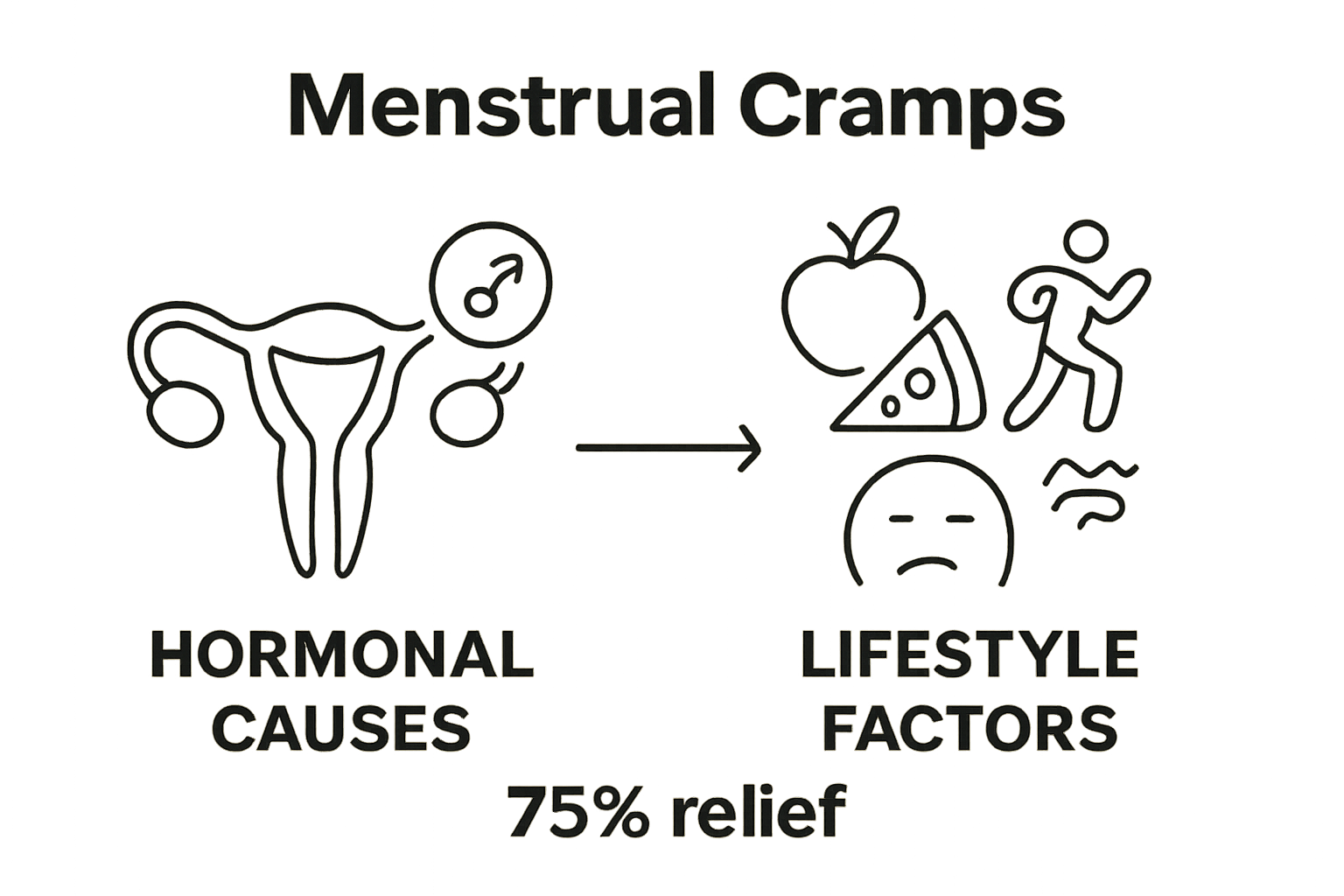
What Causes Cramps on the First Day of Your Period?
Cramps on the first day of your period are primarily caused by the release of hormone-like substances called prostaglandins. These chemicals trigger the uterine muscles to contract, helping the body shed its endometrial lining. Because...
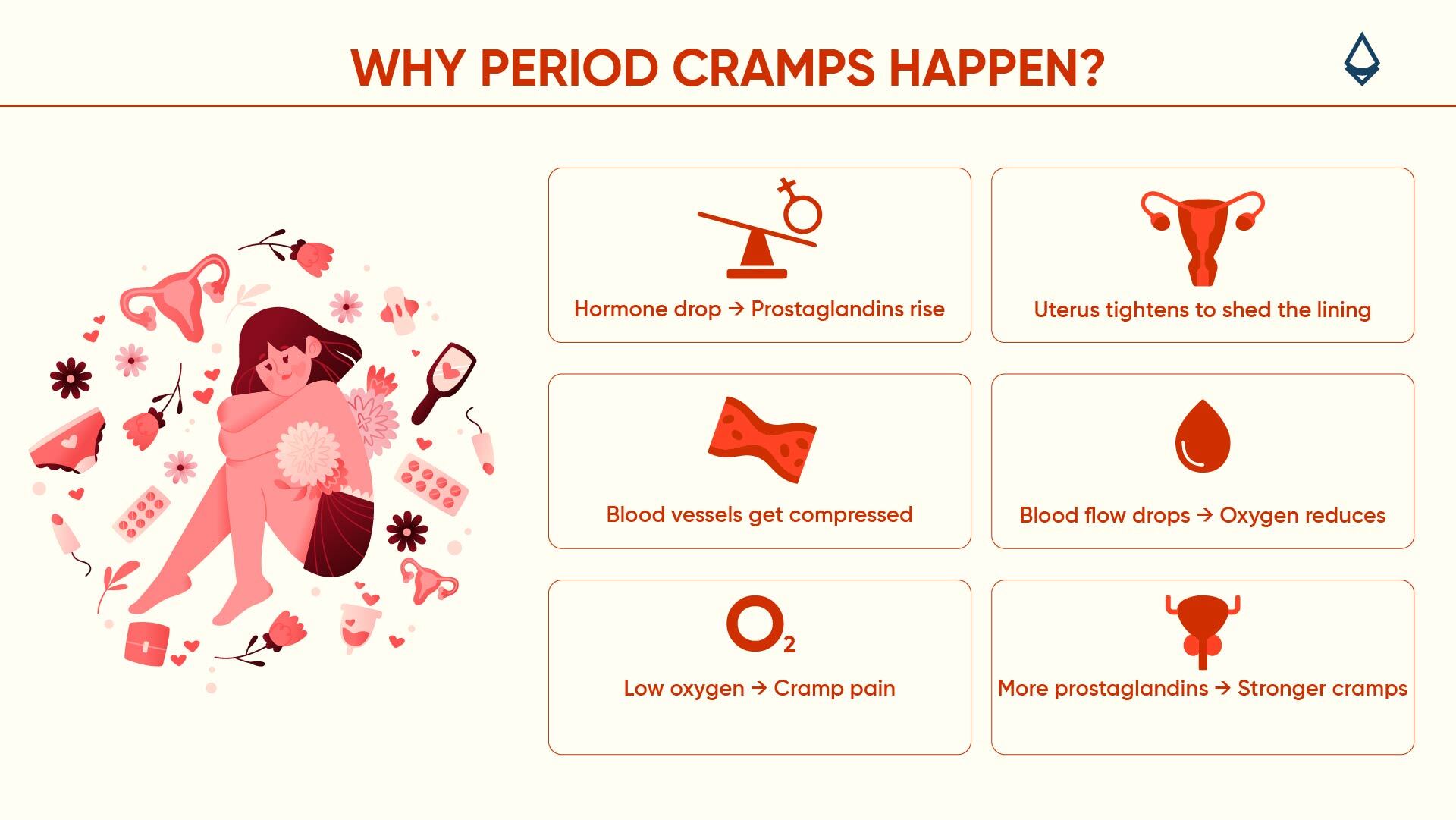
Cramps on the first day of your period are primarily caused by the release of hormone-like substances called prostaglandins. These chemicals trigger the uterine muscles to contract, helping the body shed its endometrial lining. Because prostaglandin levels are at their peak as menstruation begins, the resulting contractions and localized inflammation are typically most intense during the first 24 hours.
Contents
The Biological Catalyst: Understanding Prostaglandins
The fundamental cause of first-day period pain, medically termed primary dysmenorrhea, is the production of prostaglandins in the lining of the uterus. Prostaglandins are not hormones in the traditional sense, but rather lipid compounds with hormone-like effects that are synthesized at the site of tissue damage or infection. In the context of the menstrual cycle, they play a critical role in managing the shedding of the endometrium.
As the menstrual cycle nears its end, the body’s levels of progesterone drop significantly. This hormonal shift triggers the breakdown of the endometrial cells. As these cells begin to break down, they release an enzyme called phospholipase A2, which eventually leads to the synthesis of prostaglandins, specifically PGF2-alpha.
The concentration of these prostaglandins is directly proportional to the intensity of the cramps. Research indicates that individuals with higher levels of prostaglandins in their menstrual fluid experience more severe and frequent uterine contractions. Because the highest concentration of these chemicals is released during the initial breakdown of the uterine lining, the pain is most acute on the first day. By the second or third day, as the lining is expelled, prostaglandin levels drop, and the pain typically subsides.
The Physical Mechanism: Uterine Contractions and Ischemia
While prostaglandins are the chemical messengers, the actual sensation of pain is a result of physical changes within the uterine environment. To expel the blood and tissue, the uterus—which is a powerful muscle—must contract.
During a "normal" contraction, the pressure inside the uterus is relatively low. However, during the first day of menstruation, the high levels of prostaglandins can cause the uterine muscles to contract more forcefully and more frequently. These intense contractions can lead to two distinct types of pain:
- Muscle Strain: Like any other muscle in the body, the myometrium (the muscular outer layer of the uterus) can become fatigued and sore when it works excessively hard to overcome the resistance of the cervix.
- Ischemia (Oxygen Deprivation): When the uterus contracts with high intensity, it can momentarily compress the nearby blood vessels. This compression restricts the flow of oxygen-rich blood to the uterine tissue. When a muscle is deprived of oxygen, it releases pain-inducing chemicals that alert the nervous system, a process known as ischemia. This is the same biological mechanism that causes chest pain during a heart attack, though on a much smaller and localized scale within the pelvis.
Primary vs. Secondary Dysmenorrhea: Differentiating the Causes
It is essential to distinguish between the "normal" first-day cramps and pain caused by underlying medical conditions. Healthcare providers categorize menstrual pain into two types to better identify the root cause.
Primary Dysmenorrhea
This is the most common form of period pain and is not caused by a specific disease of the reproductive organs. It usually begins shortly after a person has their first period (menarche). The pain is strictly linked to the prostaglandin-driven contractions described above. It typically starts 1–2 days before bleeding or right when the period begins and lasts for 12 to 72 hours.
Secondary Dysmenorrhea
This type of pain is caused by a disorder in the reproductive organs. Unlike primary dysmenorrhea, the pain from secondary dysmenorrhea often begins earlier in the menstrual cycle and lasts longer than common cramps. It may not be limited to the first day and often worsens over time rather than improving with age.
| Feature | Primary Dysmenorrhea | Secondary Dysmenorrhea |
|---|---|---|
| Onset | Starts 6–12 months after menarche | Can start years after menarche begins |
| Timing | First 1–3 days of the period | Can occur throughout the month; often worsens before period |
| Cause | Natural prostaglandin release | Underlying conditions (Endometriosis, Fibroids, PID) |
| Response to NSAIDs | Usually responds well | Often has a poor or limited response |
| Associated Symptoms | Nausea, fatigue, lower back pain | Heavy bleeding, painful intercourse, irregular spotting |
Medical Conditions That Increase First-Day Severity
If first-day cramps are debilitating or do not respond to over-the-counter treatments, an underlying condition may be exacerbating the natural process.
Endometriosis
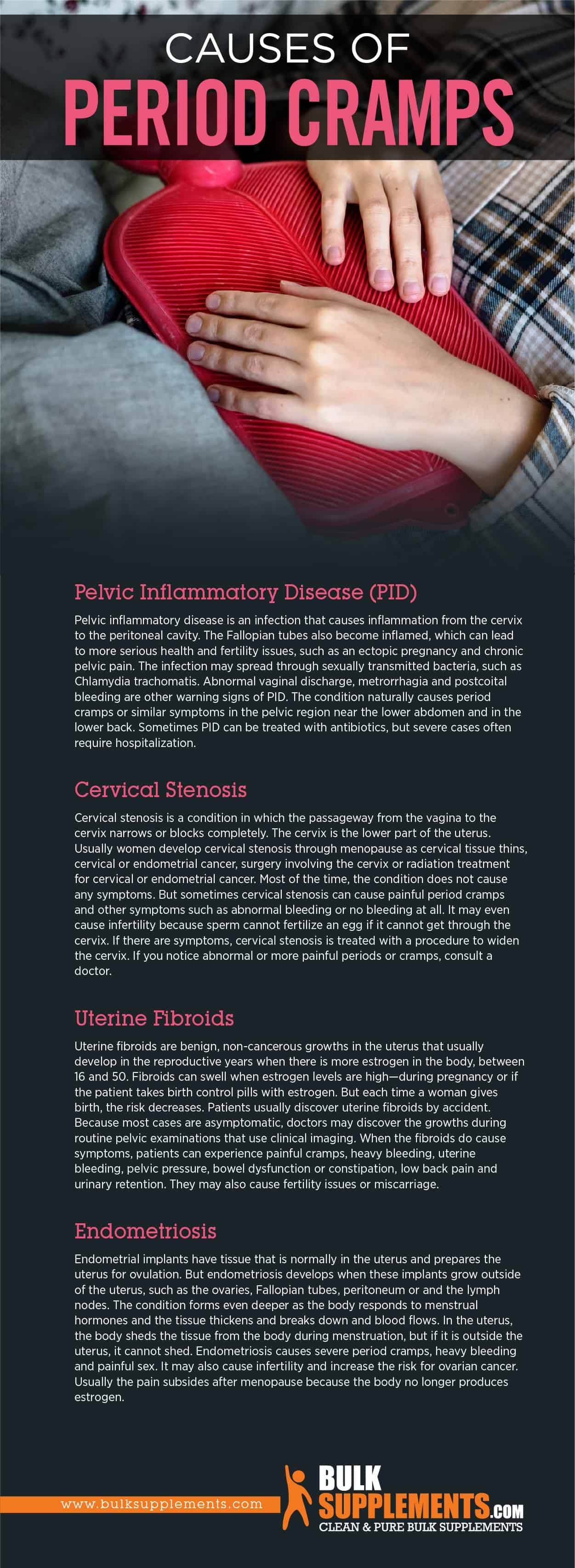
In this condition, tissue similar to the lining of the uterus grows outside the uterine cavity—often on the ovaries, fallopian tubes, or the tissue lining the pelvis. During the period, this displaced tissue behaves like the uterine lining: it thickens, breaks down, and bleeds. However, because this tissue has no way to exit the body, it becomes trapped, causing severe inflammation and intense cramping that is often most severe on the first day of menstruation.
Adenomyosis
Adenomyosis occurs when the endometrial tissue grows into the muscular wall of the uterus (the myometrium). This causes the uterus to become enlarged and leads to significantly more painful contractions and heavier bleeding. Because the blood is trapped within the muscle wall, the pressure and resulting cramps can be exceptionally sharp during the first 24 hours of flow.
Uterine Fibroids
Fibroids are noncancerous growths in or on the walls of the uterus. While many people have fibroids without symptoms, they can interfere with the uterus's ability to contract efficiently. This may force the uterus to contract even harder to expel the lining, leading to increased pain and pressure on the first day.
Factors That Influence Prostaglandin Levels
Not everyone experiences the same level of first-day cramping because several lifestyle and physiological factors can influence how many prostaglandins the body produces or how the body perceives pain.
- Age: Younger individuals typically have higher levels of prostaglandins. As a person ages or after they have given birth, the cervix may widen, and hormonal profiles often stabilize, leading to a natural reduction in first-day pain.
- Stress Levels: High levels of psychological stress can increase the production of cortisol, which may indirectly influence the inflammatory response in the body, making period cramps feel more intense.
- Dietary Fats: Prostaglandins are synthesized from fatty acids. Diets high in animal fats (omega-6 fatty acids) are often linked to higher prostaglandin production, whereas diets rich in omega-3 fatty acids (found in fish and flaxseed) have anti-inflammatory properties that may help modulate the severity of contractions.
- Genetics: There is a significant hereditary component to dysmenorrhea. If a biological mother experienced severe first-day cramps, her child is statistically more likely to experience similar symptoms.
Evidence-Based Solutions for First-Day Relief
Addressing the root cause—prostaglandins—is the most effective way to manage first-day pain. Clinical guidelines from organizations like the American College of Obstetricians and Gynecologists (ACOG) emphasize a multi-faceted approach.
Prostaglandin Inhibitors (NSAIDs)
Nonsteroidal anti-inflammatory drugs (NSAIDs), such as ibuprofen and naproxen, are the frontline treatment for primary dysmenorrhea. They work by blocking the cyclooxygenase (COX) enzymes, which are responsible for producing prostaglandins. For maximum efficacy, medical professionals often recommend taking these medications at the very first sign of spotting or cramping, or even the day before a period is expected, to prevent the "prostaglandin storm" from reaching its peak.
Heat Therapy
Applying a heating pad or a warm patch to the lower abdomen is a scientifically proven method for reducing cramps. Heat promotes vasodilation (the widening of blood vessels), which improves blood flow to the uterus and relaxes the tight muscles. This directly counteracts the ischemia caused by intense contractions. Some studies suggest that continuous heat is as effective as ibuprofen for period pain relief.
Physical Activity
While it may seem counterintuitive to exercise during intense cramps, light aerobic activity can be beneficial. Exercise increases the release of endorphins, which are the body’s natural painkillers. Furthermore, physical activity helps improve pelvic blood circulation, which can help dissipate the concentration of inflammatory chemicals more quickly.
When to Seek Medical Consultation
While first-day cramps are common, they should not prevent you from participating in daily activities. It is important to consult a healthcare provider if:
- Over-the-counter medications do not provide relief.
- Cramps last longer than the first two or three days of the period.
- The pain is accompanied by fever, unusual vaginal discharge, or severe pelvic pressure.
- The severity of the pain has suddenly increased compared to previous years.
Diagnostic tools such as pelvic ultrasounds or laparoscopy may be used by a physician to rule out secondary causes like endometriosis or fibroids.
Frequently Asked Questions
Why do my period cramps feel like they radiate to my back and thighs?
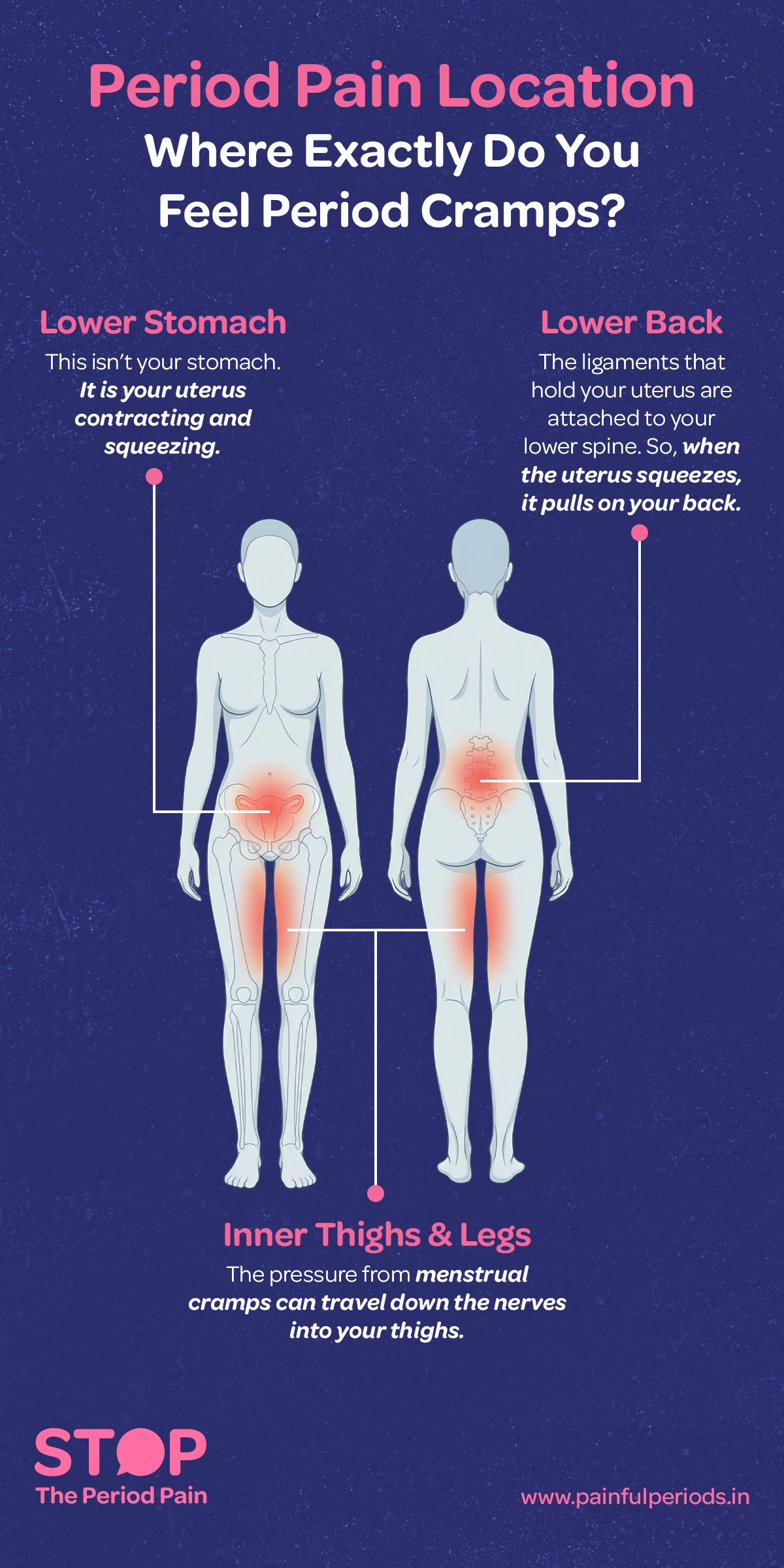
The nerves that supply the uterus also serve the lower back and thighs. When the uterus contracts intensely, the pain signals can "spill over" into these adjacent nerve pathways. This phenomenon is known as referred pain. Additionally, prostaglandins can enter the bloodstream and cause systemic muscle aches in the surrounding areas.
Can diet really change how bad my first-day cramps are?
Yes, dietary choices influence the chemical precursors of inflammation. Reducing the intake of highly processed foods and sugars—which promote inflammation—while increasing intake of magnesium and vitamin B1 can help. Magnesium helps relax smooth muscles, including the uterus, potentially reducing the force of contractions on the first day.
Does caffeine make first-day period cramps worse?
For many people, caffeine can exacerbate cramps because it acts as a vasoconstrictor, meaning it narrows the blood vessels. This can further restrict blood flow to the uterine muscle, potentially increasing the ischemic pain associated with the first day of flow.
Why did my cramps get worse as I got into my 30s?
While primary dysmenorrhea often improves with age, an increase in pain during your 30s may signal the development of secondary dysmenorrhea. Conditions like fibroids or adenomyosis are more commonly diagnosed in individuals in their 30s and 40s. If your period pain is worsening over time, a clinical evaluation is recommended.
Is it normal to feel nauseous during first-day cramps?
Nausea is a common symptom associated with high prostaglandin levels. When prostaglandins enter the bloodstream, they can affect other smooth muscles in the body, including the digestive tract. This can lead to nausea, vomiting, or the "period flu," which is most common on the first day when chemical levels are at their peak.
Practical Recommendations for 2026
If you are managing first-day period cramps, the most effective strategy involves early intervention. Tracking your cycle using digital tools can help you predict the onset of menstruation. Beginning a regimen of NSAIDs 24 hours before your expected start date can significantly lower the total prostaglandin count, leading to a much more manageable first day. Coupled with consistent heat therapy and hydration, these steps address the biological and physical causes of pain simultaneously.
Image Gallery