Why the Right Marketing Automation Tools Matter for Manufacturers
In 2026, the right marketing automation tools are essential for manufacturers to manage complex, multi-year sales cycles and maintain relationships across diverse distributor networks. These tools synchronize technical data with buyer...
In 2026, the right marketing automation tools are essential for manufacturers to manage complex, multi-year sales cycles and maintain relationships across diverse distributor networks. These tools synchronize technical data with buyer behavior, enabling precise lead nurturing and data-driven decisions that legacy manual processes simply cannot support at scale in an industrial environment.
Contents
The Evolution of Industrial Lead Generation
The manufacturing sector has undergone a fundamental shift in how it identifies and secures new business. For decades, the industry relied heavily on trade shows, cold calling, and physical catalogs. However, as of 2026, the industrial buyer’s journey is 80% digital before a sales representative is even contacted. This shift necessitates a sophisticated technological backbone that can track anonymous research phases and convert them into actionable data.
Marketing automation for manufacturers is no longer just about sending automated email blasts. It is about creating a cohesive ecosystem that connects engineering, product development, and sales. The "right" tool matters because it must bridge the gap between technical product specifications and the emotional or financial needs of the procurement officer. When a manufacturer selects a tool that aligns with these specific nuances, they move from reactive selling to proactive market positioning.
The complexity of the manufacturing sales funnel—often involving tier-one suppliers, original equipment manufacturers (OEMs), and end-users—requires a platform capable of handling multi-layered account hierarchies. A generic marketing tool designed for high-velocity B2C e-commerce will often fail here, as it lacks the logic to manage the long-term "slow burn" of an industrial contract negotiation.
Strategic Lead Nurturing for Long Sales Cycles
Manufacturing sales cycles are notoriously long, often spanning six to eighteen months. During this period, a prospect may move from initial awareness to technical evaluation, budgetary approval, and finally, procurement. The right marketing automation platform acts as a persistent digital assistant that maintains engagement throughout this duration without exhausting human sales resources.
Behavioral Tracking and Intent Data
Modern automation tools in 2026 integrate deeply with third-party intent data providers. For a manufacturer, this means the system can alert the sales team when a specific account starts searching for "high-precision CNC tolerances" or "ISO 9001 certified injection molding." By the time the prospect visits the manufacturer’s website, the automation tool has already prepared a customized content path based on that search history.
Technical Content Delivery
Unlike consumer goods, manufacturing leads require deep technical validation. The right tool allows for automated workflows that deliver white papers, CAD files, and compliance documentation at the exact moment the prospect reaches the evaluation stage. For example, if a lead downloads a 3D model of a specific component, the system should automatically trigger a follow-up containing the corresponding load-bearing specifications and chemical resistance charts. This level of relevance is what separates successful industrial marketers from those who simply clutter inboxes.
Bridging the Gap Between Marketing and Sales
One of the most persistent challenges in the manufacturing sector is the "silo effect," where marketing generates leads that sales deems "unqualified." Marketing automation solves this through rigorous lead scoring models tailored to industrial benchmarks.
Custom Lead Scoring Models
In a manufacturing context, a "lead" is not just someone who clicks a link. The right automation tool allows for complex scoring that weights actions differently. For instance:
- High Value: Downloading a technical specification sheet (+20 points).
- Medium Value: Visiting the "Request a Quote" page (+15 points).
- Low Value: Clicking a social media post (+2 points).
- Negative Value: Visiting the "Careers" page (-10 points).
By the time a lead is passed to the CRM (Customer Relationship Management) system, the sales team knows exactly where the prospect stands. This ensures that expensive technical sales engineers spend their time on high-probability opportunities rather than chasing "tire kickers."
CRM and ERP Integration
For a manufacturer, the marketing tool cannot exist in a vacuum. It must communicate with the CRM (like Salesforce or Microsoft Dynamics 365) and, ideally, the ERP (Enterprise Resource Planning) system. When a tool is correctly integrated, marketing can see actual production capacities or inventory levels. If a particular production line has a 20% vacancy for the next quarter, marketing automation can automatically launch a campaign targeting leads interested in the products manufactured on that specific line.
Enhancing Distributor and Channel Partner Relationships
Many manufacturers do not sell directly to the end-user but rely on a network of distributors and independent reps. Choosing the right automation tool allows for "Partner Relationship Management" (PRM) or "Through-Channel Marketing Automation" (TCMA).
This functionality allows the manufacturer to provide "marketing-in-a-box" to their distributors. The manufacturer creates the high-quality, technically accurate content, and the automation tool allows distributors to co-brand and deploy it to their local lists. This ensures brand consistency across the globe while empowering local partners with professional marketing assets they might not have the resources to create themselves.
Furthermore, it provides the manufacturer with visibility into how their distributors are performing. If a specific distributor is seeing high engagement on a new product line, the manufacturer can allocate more inventory or support to that region, creating a data-driven supply chain.
Comparison of Leading Marketing Automation Platforms for Manufacturers
Selecting the right tool requires evaluating features against the specific scale and complexity of the manufacturing operation.
| Feature | HubSpot (Marketing Hub) | Salesforce Account Engagement (Pardot) | Adobe Marketo Engage |
|---|---|---|---|
| Best For | Mid-market manufacturers focused on ease of use. | Large enterprises already using Salesforce CRM. | Complex organizations with deep technical stacks. |
| Lead Scoring | High (User-friendly interface). | Very High (Deep integration with sales data). | Excellent (Highly customizable logic). |
| CAD/Technical Tracking | Moderate (Requires third-party integrations). | High (Built-in custom object tracking). | High (Scalable for massive data sets). |
| Ease of Implementation | Fast (6-8 weeks). | Moderate (3-4 months). | Slow (6+ months). |
| ABM Capabilities | Integrated and intuitive. | Advanced, data-heavy. | Top-tier, highly granular. |
| 2026 AI Features | Generative content & predictive SEO. | Predictive lead scoring & Einstein GPT. | Real-time journey orchestration. |
Addressing Data Privacy and Compliance in 2026
By 2026, global data privacy regulations have become significantly more stringent. Manufacturers operating in international markets must comply with GDPR (Europe), CCPA/CPRA (California), and various other regional statutes. The right marketing automation tool simplifies this by providing built-in compliance engines.
These tools manage "Preference Centers," where prospects can choose exactly what type of communication they receive. For a manufacturer, this is vital because an engineer might want technical updates but not promotional sales emails. If a tool cannot granularly manage these permissions, the manufacturer risks heavy fines and, more importantly, the loss of trust with high-value technical prospects.
Calculating the ROI of Manufacturing Marketing Automation
The investment in a high-end automation platform can be significant, often ranging from $1,200 to over $10,000 per month depending on the database size and feature set. However, the return on investment (ROI) is realized through three main avenues:
- Reduction in Sales Cycle Length: By educating prospects automatically during the early stages, the "human" part of the sales cycle is shortened, as the leads arriving at the sales desk are already well-informed.
- Increased Customer Lifetime Value (CLV): Automation doesn't stop at the first sale. The right tool manages post-purchase onboarding, maintenance reminders, and cross-selling of parts or consumables, ensuring the manufacturer captures the full lifecycle value of the equipment.
- Efficiency Gains: Automation allows a small marketing team to perform like a much larger department. One marketing manager can oversee thousands of concurrent "conversations" across different segments and languages.
Common Pitfalls in Tool Selection
Manufacturers often make the mistake of buying the most expensive tool without having the internal processes to support it. This leads to "shelfware," where only 10% of the software's capability is used.
Another common error is failing to audit data quality before implementation. An automation tool is only as good as the data fed into it. If a manufacturer’s CRM is filled with "dead" contacts or incomplete records from 2015, the automation will simply scale that inefficiency. Successful manufacturers in 2026 prioritize "Data Hygiene" as a prerequisite to selecting their automation suite.
Frequently Asked Questions
How long does it take to see results from a new marketing automation tool?
Most manufacturers see initial efficiency gains (like faster lead routing) within the first 90 days. However, meaningful impacts on revenue and sales cycle reduction typically take 6 to 12 months to manifest, as the tool needs time to collect behavioral data and move prospects through the long industrial funnel.
Can small manufacturers benefit from these tools, or are they only for giants?
Small manufacturers can actually see a higher relative ROI because they have fewer staff. A tool like HubSpot or a specialized industrial SaaS can act as a force multiplier, allowing a single marketing person to manage a global presence that would otherwise require a full agency.
Do we need a dedicated person to manage the automation tool?
For mid-to-large manufacturers, yes. While the tool automates tasks, it requires a "Marketing Operations" specialist to build the workflows, monitor the data, and ensure the integrations with the CRM and ERP remain functional. Smaller shops often outsource this management to specialized industrial marketing agencies.
How does marketing automation help with "Account-Based Marketing" (ABM)?
ABM is critical in manufacturing where you target specific companies (like Boeing or Caterpillar). The right automation tool can identify when anyone from a target account visits the site, even if they haven't filled out a form yet, allowing for highly personalized, account-level outreach.
Is AI a standard part of these tools in 2026?
Yes. By 2026, AI is no longer a "feature" but the core engine of marketing automation. It is used for predictive lead scoring, generating personalized email variations at scale, and identifying "at-risk" customers who haven't engaged with technical updates recently.
Next Steps for Manufacturing Leaders
If your current marketing efforts feel disconnected from your sales goals, or if your sales team complains about lead quality, it is time to audit your technology stack. Begin by mapping your current buyer’s journey from the first technical search to the final purchase order. Identify where leads "fall out" of the funnel due to a lack of follow-up.
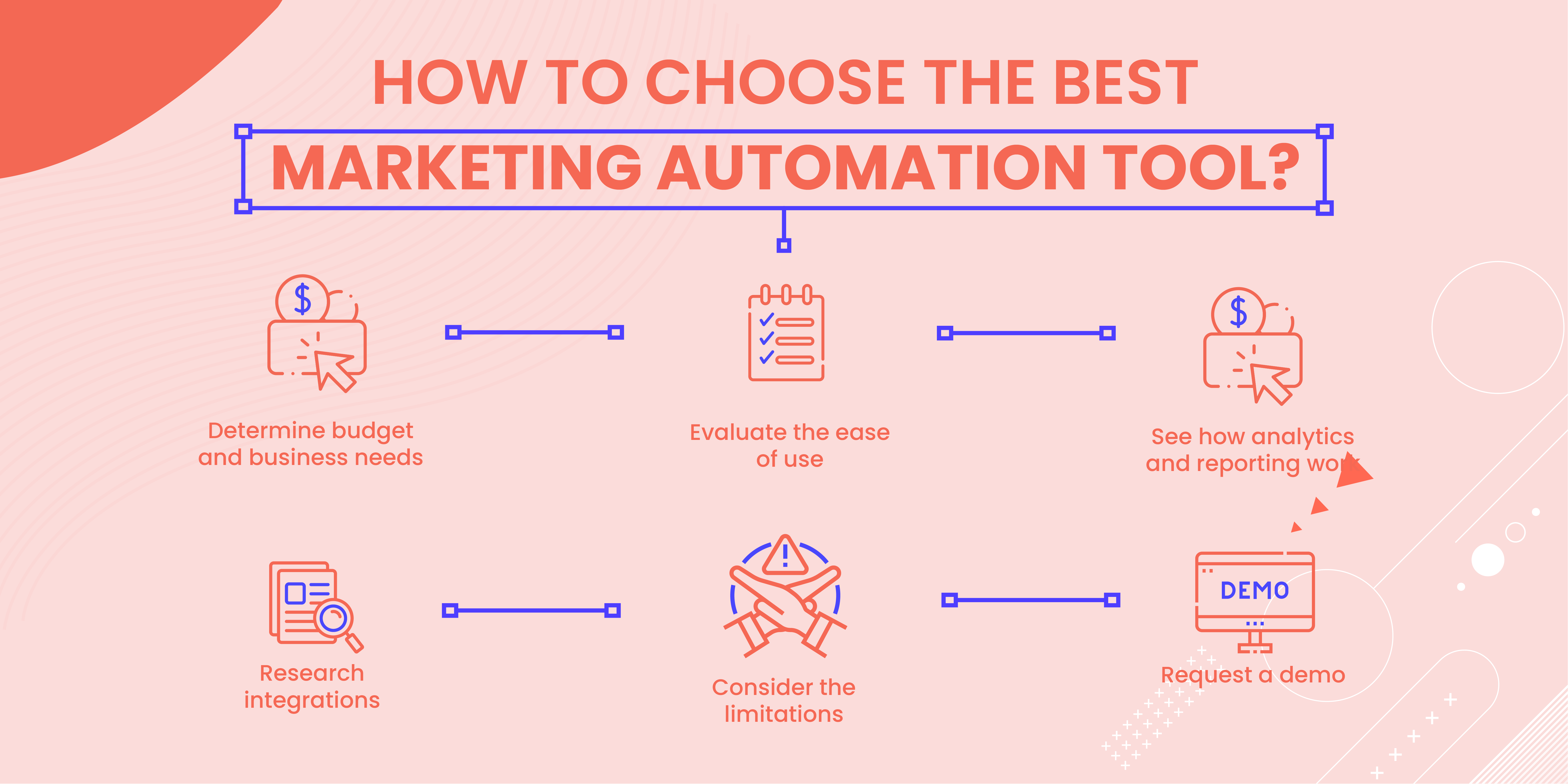
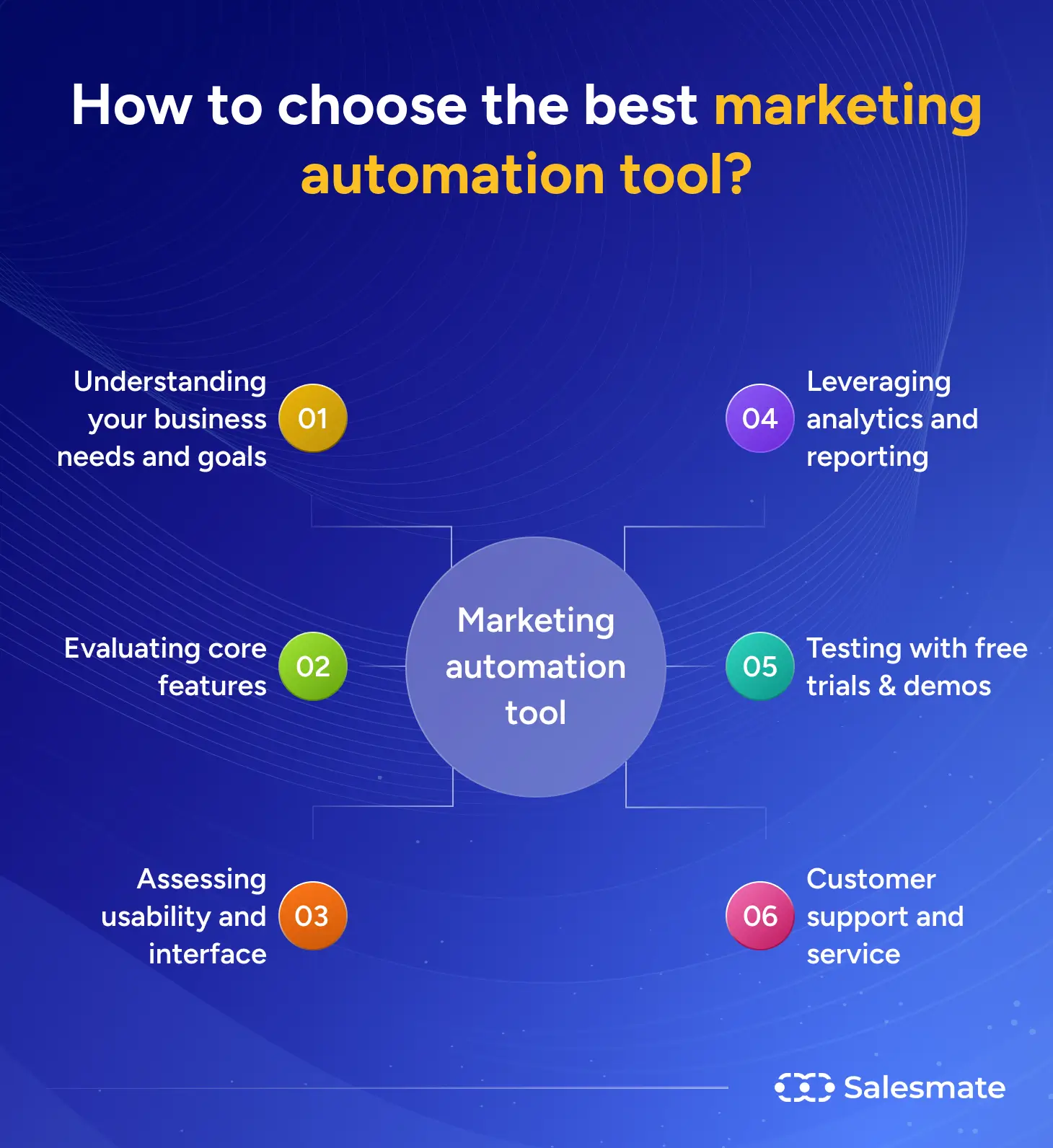
The next step is to evaluate tools not based on their flashy features, but on their ability to integrate with your existing CRM and their capacity to handle the technical depth of your products. Selecting the right marketing automation tool is not just a software purchase; it is a strategic commitment to how your manufacturing business will compete in an increasingly digital industrial economy.
Image Gallery