The Longest Snake in North America: Exploring the Eastern Indigo and Invasive Giants
The longest native snake in North America is the Eastern Indigo Snake (Drymarchon couperi), which can reach lengths of up to 8.5 to 9 feet. While invasive species like the Burmese Python are technically longer, the Eastern Indigo remai...
The longest native snake in North America is the Eastern Indigo Snake (Drymarchon couperi), which can reach lengths of up to 8.5 to 9 feet. While invasive species like the Burmese Python are technically longer, the Eastern Indigo remains the undisputed heavyweight champion of the continent's indigenous serpentine wildlife.
Contents
The Eastern Indigo Snake: North America’s Native Giant
The Eastern Indigo snake is a remarkable species that holds a unique place in the ecology of the Southeastern United States. As of 2026, it remains the longest non-venomous snake native to the continent. Known scientifically as Drymarchon couperi, the name "Drymarchon" translates roughly to "Lord of the Forest," a fitting title for a predator that sits at the top of its localized food chain.
These snakes are famous for their stunning appearance. Their scales are a deep, shimmering blue-black that can appear iridescent under direct sunlight. Unlike many other large snakes that rely on camouflage, the Eastern Indigo’s uniform dark color is distinctive. In many specimens, the chin and throat may exhibit a reddish or orange-brown hue, providing a stark contrast to the rest of the body.
Beyond their length, Eastern Indigos are "heavy-bodied" snakes. A large male can weigh as much as 10 pounds, which is significant for a colubrid. Their size and strength allow them to dominate their environment, where they play a critical role in maintaining the balance of various prey populations. Their presence is often considered a sign of a healthy, intact ecosystem, particularly within the longleaf pine forests they frequent.
Physical Characteristics and Identification
Identifying the Eastern Indigo snake requires looking beyond its impressive length. While a maximum length of 9 feet is possible, the average adult typically measures between 5 and 7 feet. They possess smooth scales, which contribute to their glossy, iridescent sheen. This is a key diagnostic feature, as many other large North American snakes, such as the various species of ratsnakes, have "keeled" scales (scales with a raised ridge down the center) that give them a rougher texture.
The head of an Indigo snake is only slightly wider than its neck, featuring large, alert eyes. Their movement is characterized by a deliberate, active hunting style. Unlike ambush predators like rattlesnakes, Indigos are active foragers that cover significant ground in search of a meal. They do not kill by constriction; instead, they use their powerful jaws to overpower prey and swallow it whole, often pinning the animal against the ground or a burrow wall to subdue it.
Another defining characteristic is their behavior when threatened. While many snakes will coil and strike or rattle their tails, the Eastern Indigo is known for a relatively docile temperament toward humans, although it will hiss loudly and flatten its neck vertically to appear larger if cornered. Because they are protected under federal law, any identification in the wild should be done from a distance to avoid disturbing the animal.
Habitat and the Gopher Tortoise Connection
The survival of the Eastern Indigo snake is intrinsically linked to the Gopher Tortoise (Gopherus polyphemus). Throughout the sandy ridges and longleaf pine ecosystems of Georgia and Florida, Indigos rely heavily on the deep burrows excavated by these tortoises. These burrows provide a stable microclimate, protecting the snakes from extreme summer heat, winter freezes, and the periodic wildfires that are a natural part of the Southern landscape.
This relationship is a classic example of commensalism. The tortoise burrows serve as "apartment complexes" for over 300 different species, but for the Indigo snake, they are essential for survival. During the winter months, these burrows are the primary sites for "refugia," where snakes gather to stay warm. In 2026, conservation efforts are heavily focused on preserving gopher tortoise populations because, without the tortoises, the Indigos lose their primary means of shelter.
Habitat fragmentation remains the greatest threat to this species. As large tracts of longleaf pine forest are converted into residential developments or industrial timber farms, the corridors the snakes use to travel between burrows are severed. Because Indigos have large home ranges—sometimes exceeding 1,000 acres for a single male—they are particularly vulnerable to road mortality when forced to cross highways to find food or mates.
Diet and Apex Predator Status: The Rattlesnake Hunter
One of the most fascinating aspects of the Eastern Indigo snake is its diet. It is an ophiophagus species, meaning it regularly eats other snakes. Most notably, the Eastern Indigo is immune to the venom of North American pit vipers, including the Eastern Diamondback Rattlesnake and the Copperhead. This immunity allows the Indigo to hunt and consume venomous snakes that other predators avoid.
In addition to other snakes, their diet is incredibly varied and includes:
- Small mammals (rabbits, mice, and rats)
- Birds and their eggs
- Lizards and frogs
- Juvenile gopher tortoises
Because they are active hunters with high metabolic demands, they require large amounts of food compared to sedentary ambush predators. This makes them highly effective at controlling rodent populations, further cementing their status as a beneficial species for the environments they inhabit. Their hunting strategy is brute force; they simply grab the prey by the head and crush it with their strong jaw muscles before beginning the swallowing process.
The Invasive Heavyweight: Burmese Pythons in North America
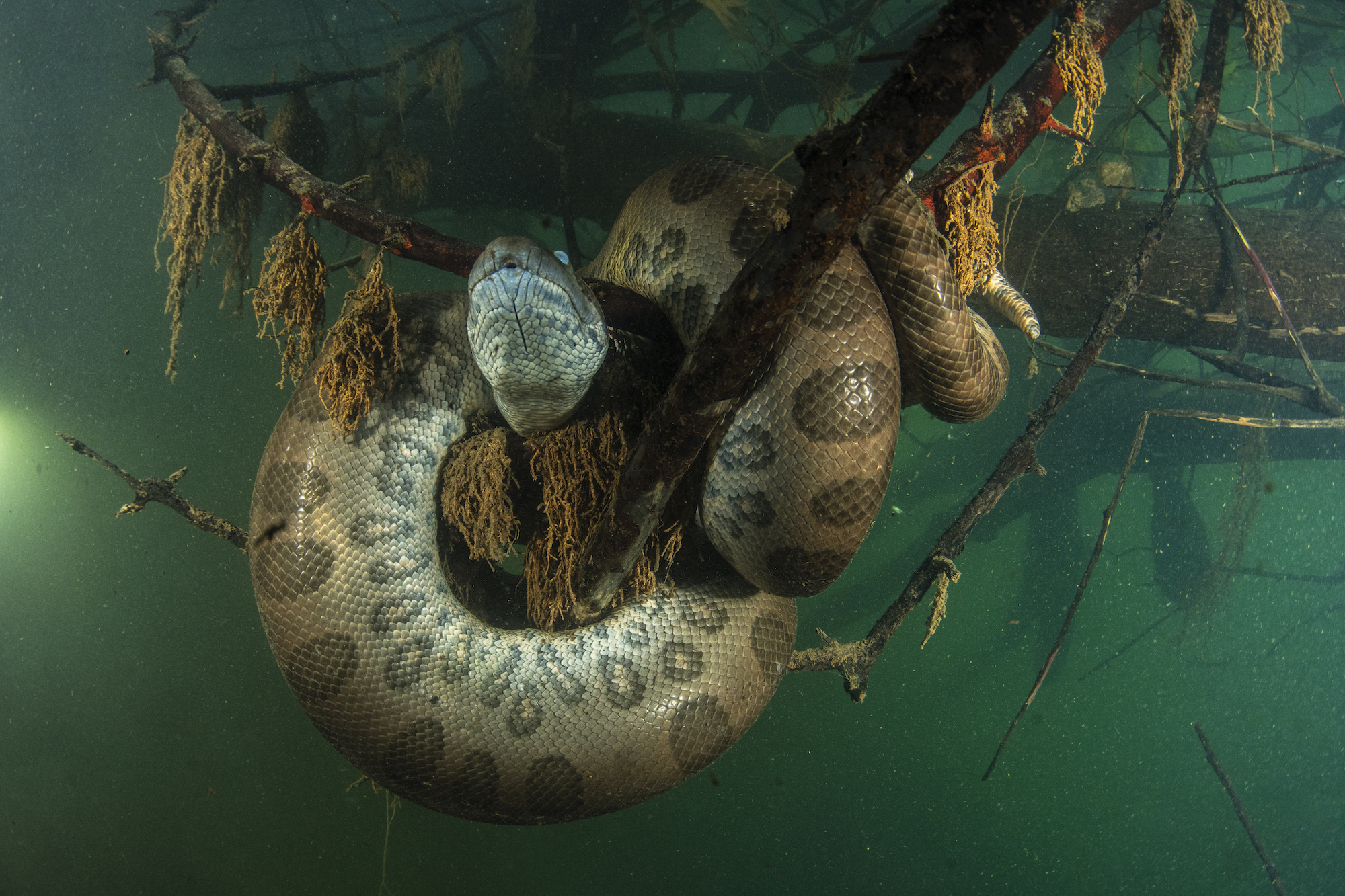
When discussing the "longest snake in North America," it is impossible to ignore the Burmese Python (Python bivittatus). While not native, these invasive giants have established a massive breeding population in the Florida Everglades. In this specific geographic context, they are the longest snakes currently found on the continent.
Burmese Pythons in Florida regularly exceed 15 feet, with the state record surpassing 19 feet. These snakes are constrictors and have caused a catastrophic decline in native mammal populations throughout the Everglades. Because they have no natural predators in North America and can produce dozens of eggs at a time, their population has exploded since they were first introduced—likely through the exotic pet trade and accidental releases during hurricanes in the late 20th century.
As of 2026, the Florida Fish and Wildlife Conservation Commission (FWC) continues to run aggressive removal programs, including the annual Python Challenge. While these snakes hold the "length record" for the continent in a literal sense, they are classified as an invasive threat rather than a member of North America's natural fauna.
Comparison of North America’s Largest Snakes
To understand how the Eastern Indigo compares to other large snakes found in North America, the following table highlights the primary contenders for the title of "longest."
| Common Name | Scientific Name | Native Status | Max Length (Approx) | Primary Habitat |
|---|---|---|---|---|
| Eastern Indigo Snake | Drymarchon couperi | Native | 8.5 - 9.0 ft | Longleaf Pine / Scrub |
| Burmese Python | Python bivittatus | Invasive | 18.0 - 20.0 ft | Wetlands / Everglades |
| Coachwhip | Masticophis flagellum | Native | 8.0 - 8.2 ft | Open Fields / Pine Barrens |
| Bullsnake | Pituophis catenifer | Native | 7.5 - 8.0 ft | Prairies / Grasslands |
| Eastern Ratsnake | Pantherophis alleghaniensis | Native | 7.0 - 7.2 ft | Forests / Farmland |
Conservation Status and Future Outlook
The Eastern Indigo snake has been listed as Threatened under the Endangered Species Act since 1978. In 2026, its status remains precarious, though there are signs of hope. Several high-profile reintroduction programs are currently active, most notably at the Apalachicola Bluffs and Ravines Preserve in Florida and the Conecuh National Forest in Alabama.
These programs involve breeding Indigos in captivity—often at specialized facilities like the Orianne Center for Indigo Conservation—and releasing them into protected habitats where gopher tortoise populations are stable. Monitoring these released snakes using radio telemetry has shown that they are capable of surviving and, in some cases, reproducing in the wild.
The primary challenges for the future include:
- Climate Change: Shifting weather patterns may affect the timing of breeding and the availability of gopher tortoise burrows.
- Disease: Like many reptiles, Indigos are susceptible to emerging pathogens, such as snake fungal disease (Ophidiomyces ophidiicola).
- Genetic Diversity: Small, isolated populations are at risk of inbreeding, making large-scale corridor preservation essential for the long-term health of the species.
FAQs About North America’s Longest Snakes
Is the Eastern Indigo snake venomous?
No, the Eastern Indigo snake is non-venomous. It does not possess fangs or venom glands. It subdues its prey using its powerful jaws and physical strength. While they are generally not aggressive toward humans, any wild animal may bite if handled or provoked.
Can an Eastern Indigo snake kill a rattlesnake?
Yes, Eastern Indigos are known to hunt and eat rattlesnakes. They have evolved a natural immunity to the venom of North American pit vipers. This makes them an apex predator and a valuable part of the ecosystem for controlling venomous snake populations.
Why is the Eastern Indigo snake protected by law?
They are protected because their populations declined sharply due to habitat loss, the decline of the gopher tortoise, and over-collection for the pet trade in the mid-20th century. It is illegal to kill, capture, or harass an Eastern Indigo snake under the Endangered Species Act.
How can I tell the difference between a Black Racer and an Eastern Indigo?
Black Racers (Coluber constrictor) are much smaller and thinner, rarely exceeding 5 feet. They have white chins and large eyes, but their scales are not as glossy or iridescent as the Indigo's. The Indigo is much more robust and "heavy-bodied" compared to the slender Racer.
What should I do if I find a large snake in my yard?
If you are in the Southeastern US and see a large, dark snake, it is likely a Black Racer or a Ratsnake, though it could be an Indigo if you live near protected habitat. The best course of action is to leave the snake alone. Most snakes are beneficial and will move on once they find food or shelter. If you suspect it is an invasive species like a python in Florida, you should contact the FWC.
Taking Action for Snake Conservation
If you are interested in the preservation of North America's longest native snake, the best step is to support habitat conservation. Protecting the Longleaf Pine ecosystem and the Gopher Tortoise is the most effective way to ensure the Eastern Indigo snake has a future. Property owners in the Southeast can participate in "Landowner Incentive Programs" that provide resources for managing land in ways that benefit threatened species, such as conducting prescribed burns that maintain the open forest structure these snakes require.
Image Gallery